
Attic Insulation in Yucca Valley: What It Costs and Why It Matters in the High Desert
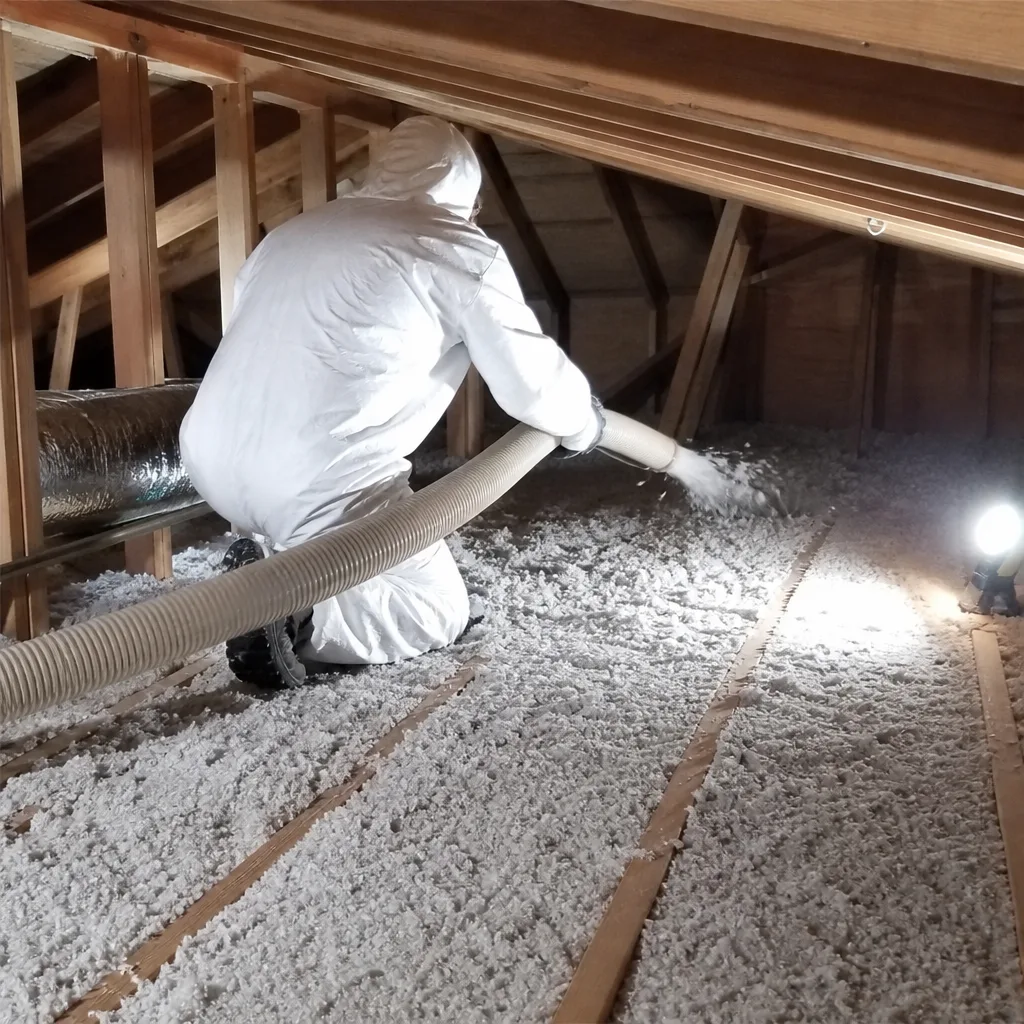
Attic insulation in Yucca Valley typically runs $1,650 – $4,900 depending on whether we’re topping up an existing layer or starting from bare joists in an old cabin. Homes here rarely need just a top-up. Most of the work we do in Yucca Valley involves pulling out degraded, rodent-damaged fiberglass and building a proper thermal boundary from scratch. The high-desert swing between 100°F summer afternoons and near-freezing winter nights means one attic upgrade has to handle both cooling and heating loads, not just one season.
If your attic is under-insulated in Yucca Valley, you’re paying for it year-round. AC systems in 92284 and 92286 work brutally hard from June through September, while winter nights force furnaces to cycle constantly. A properly sealed and insulated attic flattens both extremes. Call (866) 271-1602 for a free attic assessment. We’re the Attic Insulation team that works on Yucca Valley’s older housing stock every week.
Why Yucca Valley Homes Need a Different Approach to Attic Insulation
Yucca Valley’s housing stock is unusual. Most homes are single-story ranch or cabin-style builds from the 1950s through 1980s, and a huge share were constructed with little or no insulation at all. Many attics we inspect in Yucca Valley have exposed ceiling joists with nothing but a thin layer of loose fill or a few compressed R-7 batts. That’s roughly a quarter of the attic insulation we’d recommend for this climate zone today.
Yucca Valley’s 1950s – 70s homesteader cabins and tract homes were built with minimal thermal consideration because energy was cheap and building codes barely addressed insulation. Contractors retrofitting these homes routinely find wall cavities that were never insulated, with sun-baked crumbling tar paper instead of modern house wrap. The heat and UV here degrade exterior materials faster than in coastal or milder climates, which means old insulation is often worse than useless: it’s compacted, dust-filled, and sometimes actively retaining moisture against roof decking.
We know this because we work here. Fontana Insulation has spent years pulling spoiled batts out of Yucca Valley attics, sealing and baffling joist bays, and rebuilding thermal boundaries the right way. Noel Arredondo and our crew understand what these homes need because we’ve seen the same failure modes dozens of times across Morongo Valley, Desert Edge, and the neighborhoods off Highway 62.
Attic Ventilation in Yucca Valley
Attic ventilation in Yucca Valley is a prerequisite for any real insulation upgrade, not an add-on. Because so many Yucca Valley homes have flat or low-slope roofs with exposed ceiling joists, adding insulation without first addressing airflow traps heat and moisture inside the roof assembly. Under intense desert UV, that trapped heat bakes the sheathing and shingles, shortening roof life and pushing heat back down into the living space.
Low-Slope Roof Challenges
Homes near Joshua Tree National Park often have flat or low-slope roofs with minimal eave space. Without proper baffles and ventilation channels, blown-in insulation can block the only airflow path, and condensation forms against the roof deck in winter. We install baffles at every joist bay before adding insulation so air moves from soffit to ridge or gable vents. An attic baffle and ventilation prep job in Yucca Valley typically runs $350 – $900 depending on roof configuration and access.
Rodent Damage and Ventilation Blockage
Winter rodents in Yucca Valley love nesting in old fiberglass batts, and their nests often sit directly over soffit vents, blocking airflow. When we pull old insulation, we find blocked vents more often than not. Clearing vents and installing baffles alongside new insulation is standard practice for us here.
Radiant Barrier in Yucca Valley
Radiant barrier in Yucca Valley is one of the most effective upgrades for homes that struggle with summer heat gain through the attic. The intense sun here turns roof decking into a heat radiator, and a radiant barrier reflects a large portion of that radiant heat before it ever reaches your insulation or living space. It’s particularly effective on low-slope roofs where attic space is too tight for deep insulation.
When Radiant Barrier Makes Sense
Yucca Valley homes with exposed ceiling joists and minimal attic depth can’t always accommodate R-49 of blown insulation. In those cases, pairing a radiant barrier with whatever insulation depth fits is the smart play. Radiant barrier installation in Yucca Valley generally runs $1,200 – $2,800 for an average single-story home, depending on attic access and roof configuration.
Pairing Radiant Barrier with Blown-In Insulation
The best results we see in Yucca Valley come from layering: radiant barrier on the rafters plus blown-in insulation on the attic floor. The barrier handles radiant heat from the sun-baked roof, and the insulation slows conductive and convective heat transfer through the ceiling. It’s a dual approach that addresses both sources of attic-driven discomfort.
Trusted Brands We Service in Yucca Valley
Fontana Insulation is material-agnostic by design. We carry eight insulation brands across four material categories, because the right material for a Yucca Valley cabin isn’t always the right material for a newer tract home. We stock Rockwool for Yucca Valley homeowners who want real fire resistance alongside thermal performance in a wildfire-prone region. We carry CertainTeed and Owens Corning fiberglass for budget-sensitive retrofits where R-value per dollar matters most. We’re also authorized installers for Icynene and Demilec spray foam, which make sense for Yucca Valley attics where flat or low-slope geometry limits cavity depth. No brand loyalty: the application dictates the material.
Common Attic Insulation Problems We See in Yucca Valley Homes
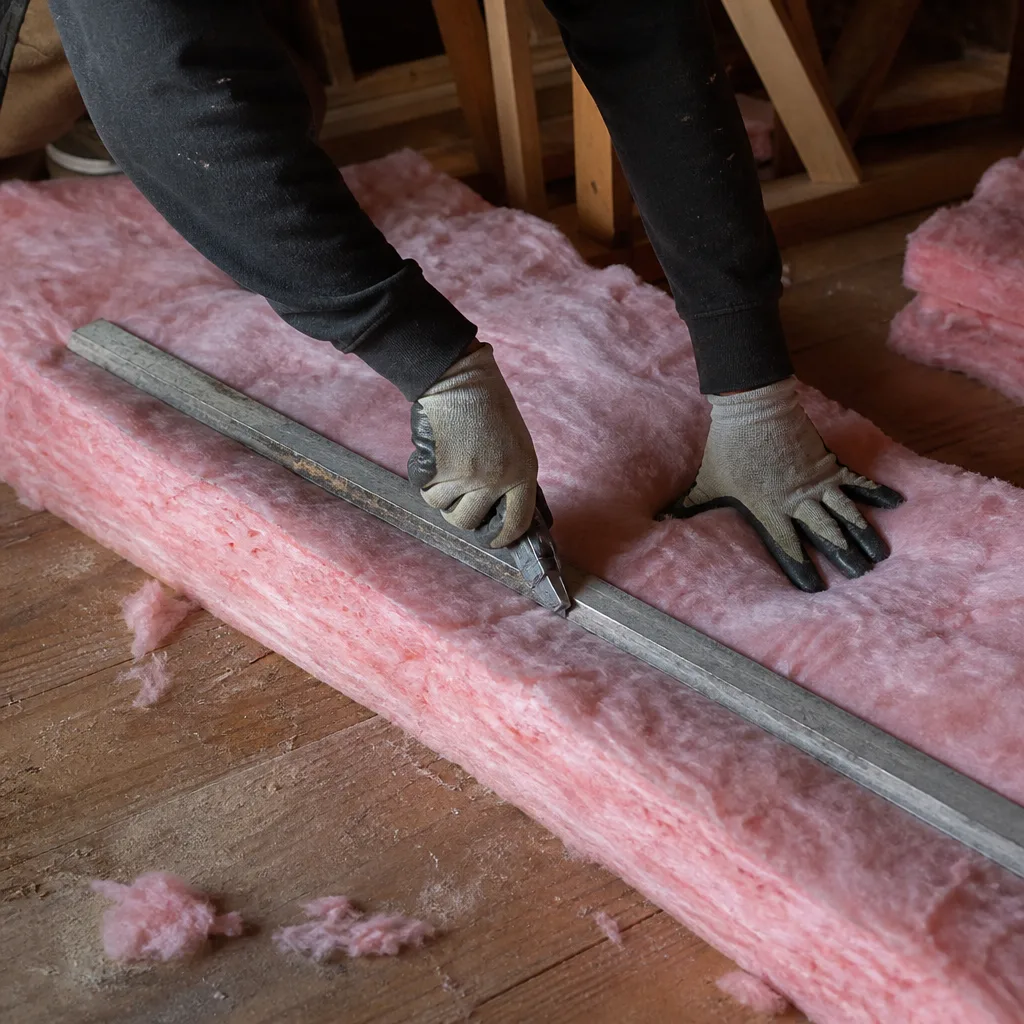
- Legacy R-7 batts in 2×4-wall cabins. These sag and compress over decades, leaving the attic barely insulated against 100°F days and near-freezing nights. What’s left is often doing almost nothing for thermal performance.
- Rodent nests in old fiberglass. Homes near Joshua Tree National Park have recurring rodent pressure, and old fiberglass is prime nesting material. Nests foul and flatten the insulation, cutting effective R-value dramatically.
- Flat and low-slope roofs with exposed joists. When insulation is added without new attic ventilation, these roofs trap heat and moisture. The assembly bakes under intense UV, and condensation forms in winter.
- Blocked or missing soffit vents. Many Yucca Valley homes were built with minimal venting, and years of blowing sand and dust have clogged what little airflow existed. Adding insulation without clearing vents makes the problem worse.
Pricing for Attic Insulation in Yucca Valley, CA
Why Fontana Insulation for Yucca Valley Attics
Yucca Valley’s older housing stock is exactly the type of work we’re built for. Noel Arredondo leads a crew that’s comfortable with exposed ceiling joists, low-slope roofs, and 2×4 wall cavities that were never insulated. We don’t default to one product. We carry fiberglass brands like CertainTeed and Owens Corning, Rockwool mineral wool for fire-conscious homeowners, Icynene and Demilec spray foam for tight or hard-to-reach attics, and GreenFiber cellulose for Yucca Valley customers who want recycled-content material with strong air-sealing character. Three in-house installation methods (attic, spray foam, blown-in) means we’re never subcontracting the work to someone who doesn’t know Yucca Valley’s housing stock. We know the difference between a Yucca Valley cabin that needs radiant barrier and a newer Desert Edge home that just needs a top-up.
One low-slope cabin near Joshua Tree National Park stands out. Our crew pulled off the access panel and found sun-baked, crumbling tar paper where house wrap should have been, plus old fiberglass packed with rodent nests. We pulled the spoiled batts, sealed and baffled the joist bays, brought in attic ventilation before adding any insulation, and blew in GreenFiber to a proper depth. The homeowner stopped losing summer cooling and winter heat through an attic that had effectively never been insulated. That’s what we do all year in Yucca Valley.
We Also Serve Cities Near Yucca Valley
Fontana Insulation regularly handles attic insulation work across the Morongo Basin. We serve Yucca Valley plus Morongo Valley, Desert Edge, Desert Hot Springs, and Garnet. If you’re a few miles up Highway 62 or across the basin, the same crew and the same eight-brand material lineup is available.
Serving Yucca Valley, CA — Our Local Coverage Area
We’re based in the Yucca Valley area and know this community well. Use the map below to see our service coverage — if you’re nearby, we can almost certainly help.
FAQs About Attic Insulation in Yucca Valley
Yes, but ventilation has to come first. On low-slope or flat roofs with exposed joists, we install baffles and verify soffit-to-ridge airflow before adding any insulation. In Yucca Valley’s climate, adding insulation to an unvented low-slope roof traps moisture and heat and eventually rots the decking. We handle the baffle and ventilation prep as part of the job, and we won’t insulate a roof that can’t breathe. Call (866) 271-1602 to schedule an attic inspection.
Yes, we recommend full removal when rodent contamination is extensive. Yucca Valley’s winter rodent pressure near Joshua Tree means old fiberglass is frequently fouled with nests, droppings, and compressed material that’s lost most of its R-value. We pull it all, air-seal the ceiling plane, and install fresh material. The difference in indoor comfort is immediate, and you stop heating and cooling the attic instead of the house. Call (866) 271-1602 for an honest assessment of what’s salvageable.
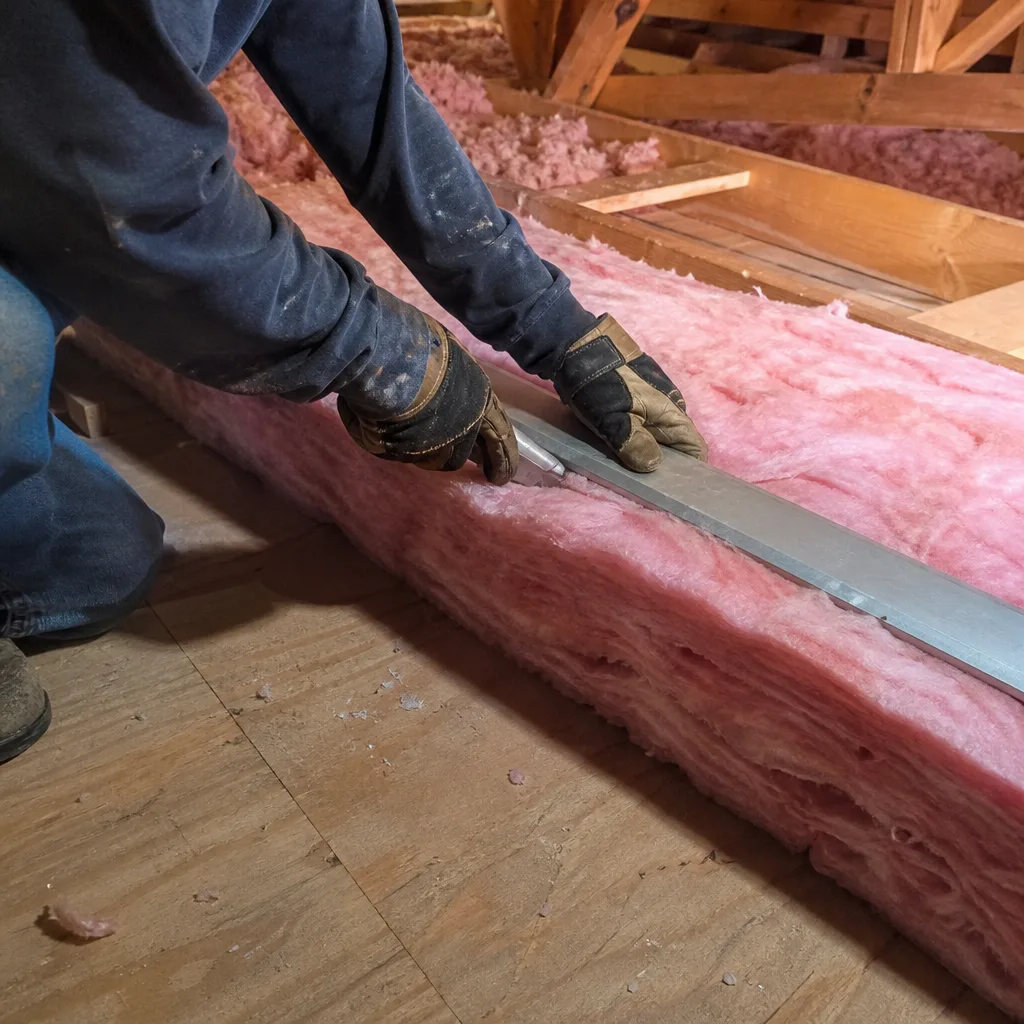
Yes, and it’s one of the highest-return improvements you can make in Yucca Valley. With 100°F summer days and below-freezing winter nights, an uninsulated attic acts as a heat exchanger between your living space and the outdoors year-round. Blown-in insulation to current code levels plus air-sealing can cut your cooling and heating load substantially, even if the walls remain 2×4. Call (866) 271-1602 and we’ll walk the attic together and give you real numbers.
We install all eight brands in our lineup for Yucca Valley work, but the ones we specify most often for older homes are GreenFiber cellulose, CertainTeed fiberglass, and Rockwool mineral wool. GreenFiber works well in irregular joist bays common in cabins. CertainTeed hits the budget sweet spot for ranch homes. Rockwool matters for Yucca Valley homeowners who want a fire-resistant option in a region where wildfire is a real consideration. Call (866) 271-1602 and we’ll explain the trade-offs.
Yes, both degrade faster here than in milder climates. Blowing sand clogs soffit vents and grinds down plastic baffle edges, and UV cooks roof decking and shingles from the outside. We specify metal or UV-stable plastic vent components where possible and clear existing vents as standard practice on every Yucca Valley job. It’s one reason hiring a contractor who knows this climate matters. Call (866) 271-1602 for a free estimate.
Written by Noel Arredondo, Owner at Fontana Insulation, serving Yucca Valley and the Morongo Basin.