
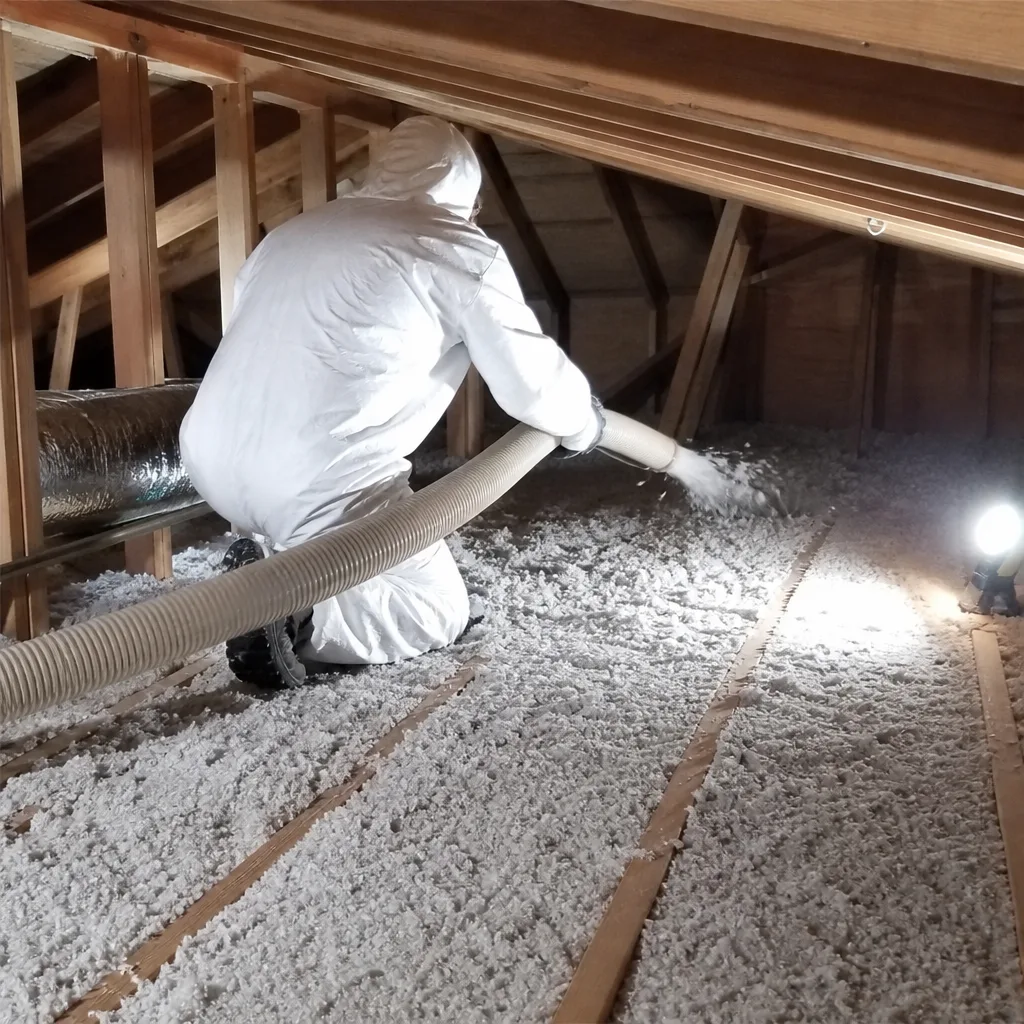
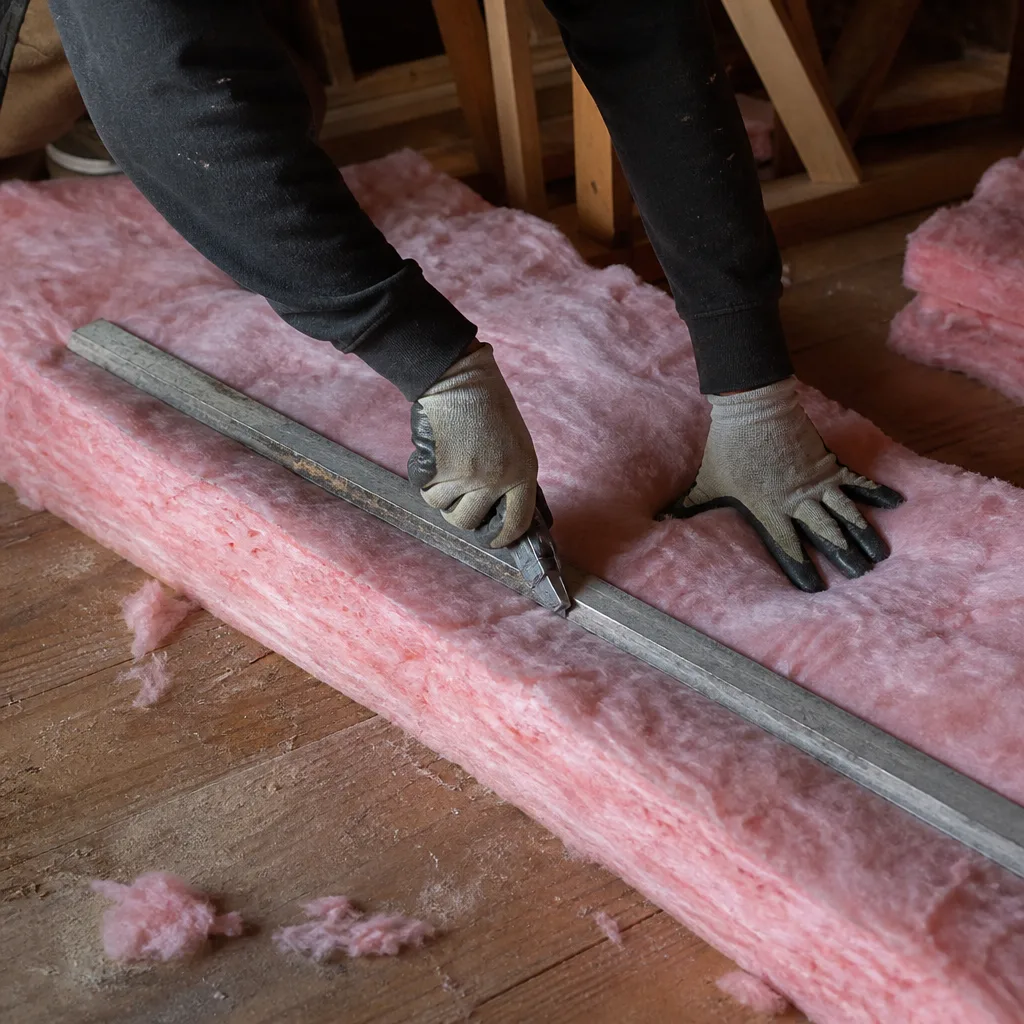
Fast, Reliable Attic Insulation Across Morongo Valley
Attic insulation in Morongo Valley isn’t a one-material job. The wind that funnels through the San Gorgonio Pass every afternoon doesn’t just pull heat out of a house. It physically moves insulation. We see batts drifted against one attic wall and bare roof deck on the windward side, all while the R-value on paper looks perfectly adequate. That’s the core problem we solve for homeowners across the 92256 zip code, and it’s why material choice, air-sealing, and installation method matter more here than in almost any other desert town. If your energy bills climb every winter night and your attic looks fine from the hatch, call us at (866) 271-1602. We’ll tell you what’s actually happening up there.
Why Fontana Insulation Is Morongo Valley’s Preferred Attic Insulation Company
Noel Arredondo built Fontana Insulation around a simple idea: carry the material that fits the house, not the material that fits the warehouse. That matters in Morongo Valley because the housing stock here is nothing like tract-home subdivisions. We work on mid-century board-and-batten cabins, self-built desert homes, and additions that never saw a permit. Each one needs a different approach, and our crews know the difference between an attic that needs air-sealing first and one that just needs more fiberglass.
Our reputation in Morongo Valley comes from showing up with the right brands and the right method. We’re authorized installers for Icynene and Demilec spray foam, which handles the air-sealing jobs that blanket material can’t touch. We stock Rockwool for homeowners who want fire resistance and sound dampening. We carry Johns Manville, Knauf, and CertainTeed fiberglass for straightforward thermal upgrades. And we install GreenFiber cellulose when recycled content matters to the customer. Eight brands, four material categories, one crew that knows how to use all of them.
Morongo Valley homeowners call us because we understand the pass wind. We know what it does to loose-fill. We know where the dust accumulates. We know which side of the attic gets starved of coverage. That local knowledge is the difference between an insulation job that lasts ten years and one that starts failing the first windy season.
Attic Cleaning Services in Morongo Valley
Attic Cleaning Services in Morongo Valley usually mean dealing with wind-blown dust, rodent activity, and insulation that’s been compacted or relocated by years of pass wind. A thorough cleaning typically runs $600 – $1,200 depending on attic size, access difficulty, and how much debris has accumulated. Homes closer to the open desert along Highway 62 tend to see heavier sand infiltration than those sheltered in the upper canyon areas.
Full Debris and Contaminant Removal
We vacuum out old insulation, remove rodent nesting material and droppings, and clear the dust that’s settled into every corner. In Morongo Valley, that dust isn’t cosmetic. It’s fine desert sand that’s been driven through every gap in the envelope. Leaving it in place means your new insulation sits on a layer of grit that holds moisture against the ceiling framing.
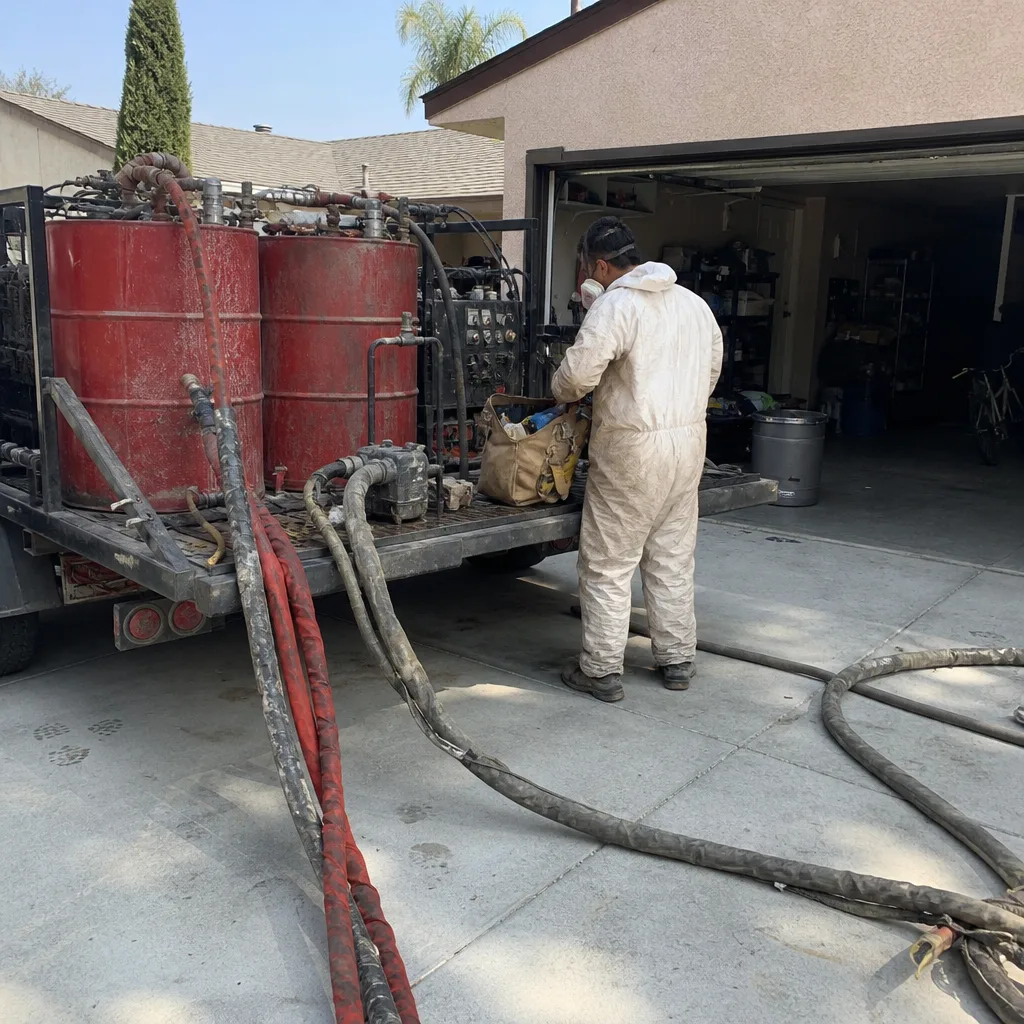
Pre-Insulation Sanitizing and Prep
Before any new insulation goes in, the attic needs to be dry and reasonably clean. We treat mold spots, seal obvious rodent entry points, and make sure the attic floor is ready for batt or blown-in material. This step is non-negotiable in older Morongo Valley cabins where decades of wind and wildlife have left the attic in rough shape.
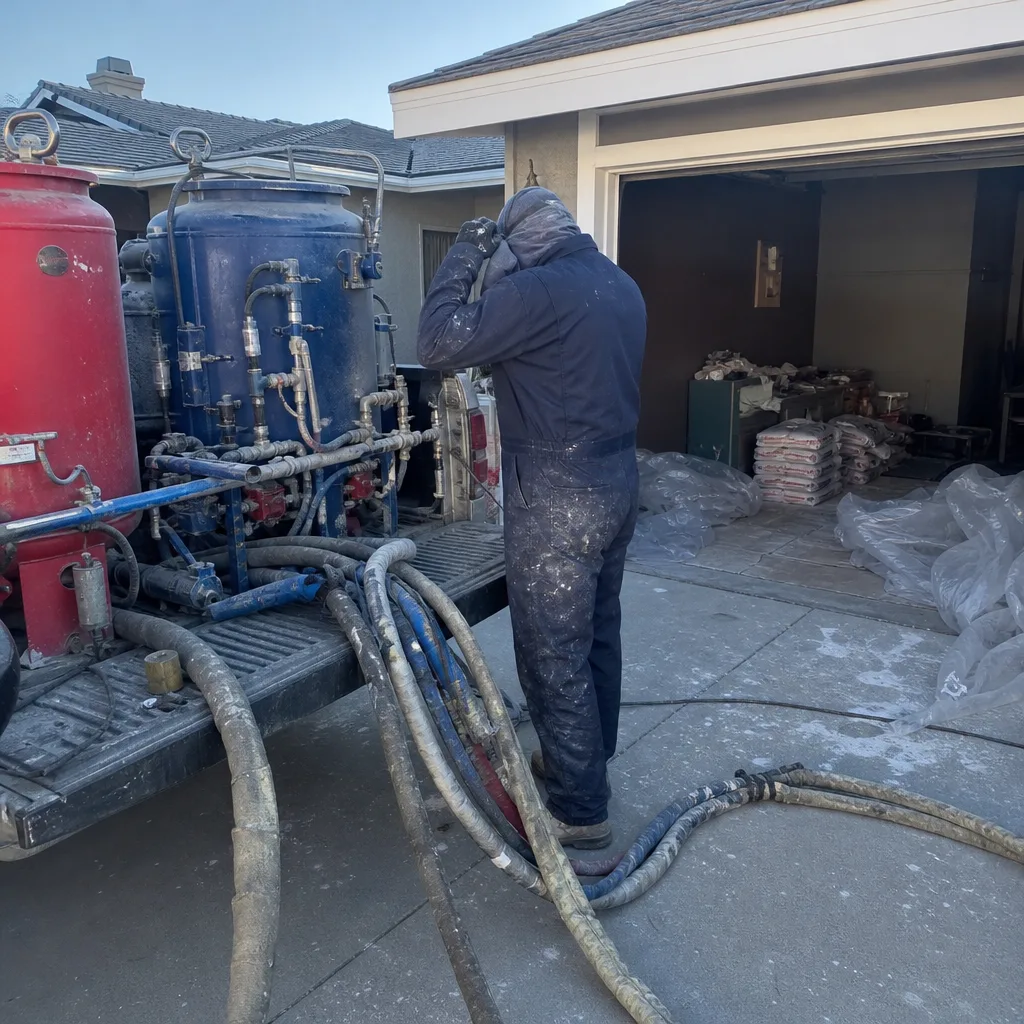
What happens when you call
- 1
A real person answersNo phone trees — you reach a local pro.
- 2
You get an upfront price rangeHonest numbers before anyone is dispatched.
- 3
A background-checked tech heads outLicensed & insured, dispatched right away.
- 4
You approve before work beginsNothing starts until you say go.
Attic Mold Removal in Morongo Valley
Attic Mold Removal in Morongo Valley addresses a specific problem: wind-driven sand clogs the air barrier, traps moisture, and feeds mold growth in older self-built cabins. Typical mold remediation in attic spaces here runs $800 – $2,000 depending on the extent of the growth and whether the roof sheathing needs treatment. Pier-and-beam construction and unpermitted additions are common culprits because they leave gaps that let humid air rise into the attic and condense against the underside of the roof deck.
Source Identification and Moisture Correction
Removing mold without fixing the moisture source is wasted money. Our crew traces the airflow path, finds the gap or missing vapor barrier that’s feeding the condensation, and corrects it before treating the mold itself. In Morongo Valley, we often find the problem starts at an unsealed top plate or a can light that’s been leaking attic air into the living space for years.
Surface Treatment and Prevention
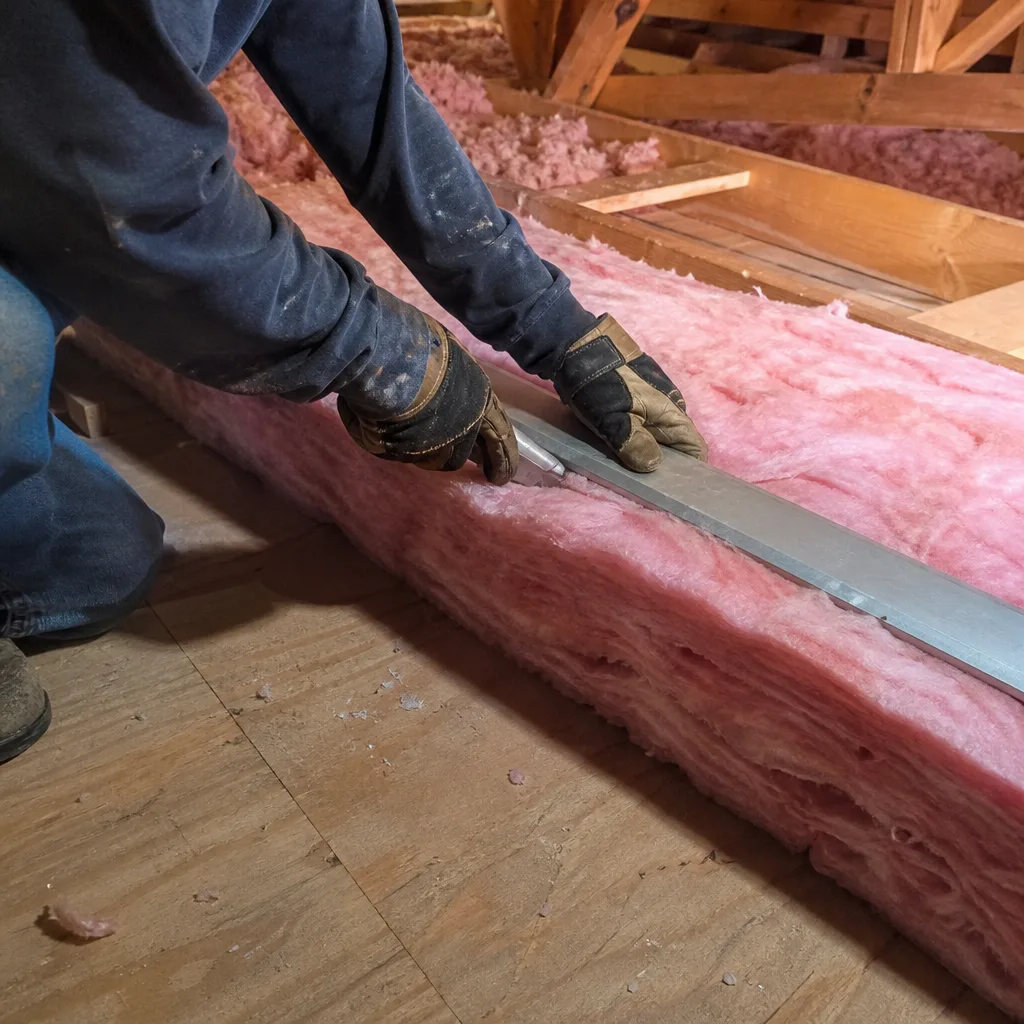
We use a combination of mechanical removal and antimicrobial treatment on affected framing and sheathing. Then we address the attic ventilation so the space can dry properly. Given the humidity swings between Morongo Valley’s scorching summer days and near-freezing winter nights, ventilation balance is critical. A well-vented attic here is the best mold prevention money can buy.
Trusted Brands We Service in Morongo Valley
We carry Attic Insulation products from brands that earn their place in our trucks. Johns Manville and Knauf give us solid fiberglass options at sensible price points for straightforward thermal upgrades. CertainTeed brings warranty strength and consistency that matters on larger retrofit jobs. Rockwool mineral wool is the one we reach for when fire resistance and sound control are part of the conversation, especially in attached dwellings or homes with bedrooms directly under the roof deck. We don’t stock brands as a sales gimmick. Each one solves a specific problem for a specific house in Morongo Valley, and we’ll explain the trade-offs honestly before any material goes into your attic.
Common Attic Insulation Problems We See in Morongo Valley Homes
- Wind-drifted batts and loose-fill. The San Gorgonio Pass wind doesn’t just cool your house. It pushes loose insulation against one attic wall, leaving the windward slope nearly bare. Your R-value looks fine on paper, but the thermal boundary is gone where it matters most.
- Sand-compacted fiberglass. Years of wind-driven dust work their way into the batts, compressing the fibers and clogging the air pockets that do the insulating. Compacted insulation loses most of its R-value, and in Morongo Valley we see this in nearly every attic that hasn’t been touched in 15 or 20 years.
- Unsealed top plates and can lights. Self-built and mid-century cabins often have gaps at the wall plates and recessed fixtures that leak air constantly. Insulation alone won’t fix these leaks. Air-sealing has to happen first, or you’re just stacking blankets on an open window.
- Mold and moisture trapped by sand infiltration. When sand clogs the air barrier and blocks natural drying, moisture accumulates against the roof sheathing. In older Morongo Valley cabins with limited ventilation, this turns into mold growth that needs professional remediation before any new insulation can go in.
Pricing for Attic Insulation in Morongo Valley, CA
A typical attic insulation retrofit in Morongo Valley runs $1,500 – $4,200 depending on attic size, access, and whether air-sealing and old insulation removal are required. Top-up jobs where usable insulation already exists cost less, usually $800 – $1,600. Full replacements with air-sealing and new baffles run higher, especially when we’re working around vintage wiring or tight attic clearances common in mid-century cabins. Blown-in cellulose for a 1,200-square-foot attic typically lands around $1,800 – $2,600. Spray foam air-sealing of the attic floor runs $2,500 – $5,000 and is often the right call for homes where wind infiltration is the real problem. Call (866) 271-1602 for a free estimate. We’ll give you a real number, not a vague range after looking at your attic.
We Also Serve Cities Near Morongo Valley
Our crews run routes through Morongo Valley and the surrounding high desert communities. We handle attic insulation jobs in Desert Edge, Garnet, Desert Hot Springs, and Yucca Valley on a regular basis. If you’re anywhere along the Highway 62 corridor or up through the pass, give us a call and we’ll schedule a visit that fits the route.
Serving Morongo Valley, CA — Our Local Coverage Area
We’re based in the Morongo Valley area and know this community well. Use the map below to see our service coverage — if you’re nearby, we can almost certainly help.
FAQs About Attic Insulation in Morongo Valley
Because the San Gorgonio Pass wind creates persistent air movement through your attic that physically relocates loose-fill and batt insulation. The wind finds gaps at the soffits, gable ends, and ridge vents, then blows insulation across the attic floor until it piles against the downwind wall. The fix is air-sealing the attic floor and installing baffles that keep the airflow where it belongs: over the top of the insulation, not through it. Call (866) 271-1602 and we’ll inspect what the wind has done to your attic.
Yes. Self-built and mid-century cabins here often have unpermitted additions, pier-and-beam floors, and irregular framing that don’t match modern insulation standards. We retrofit these homes by air-sealing first, then matching the insulation method to the actual framing conditions rather than forcing a tract-home solution into a space it wasn’t designed for.
Absolutely. The sand that blows through the pass settles into the insulation, compresses the fibers, and degrades thermal performance. It also holds moisture and feeds mold growth in the attic. If your attic has been open to Morongo Valley wind for years, your insulation is almost certainly underperforming its rated R-value, and replacement with proper air-sealing is the long-term fix.
No. R-value measures resistance to conductive heat flow, but it does nothing for the air leaks and wind-driven heat loss that define Morongo Valley’s climate. A home with R-38 insulation and six square feet of unsealed gaps will still feel drafty and cost more to heat and cool than a well-sealed home with R-19. We treat air-sealing and insulation as one job, not two.
We choose from Johns Manville, Knauf, CertainTeed, Rockwool, Icynene, Demilec, and GreenFiber depending on the house. For wind-exposed attics we often pair CertainTeed batt on the windward slope with blown-in GreenFiber to fill the drifted voids. For homes where fire resistance matters, Rockwool is the call. For air-sealing, Icynene or Demilec spray foam. The brand follows the problem, not the other way around. Call (866) 271-1602 and we’ll explain which material fits your attic.
Written by Noel Arredondo, Owner at Fontana Insulation, serving Morongo Valley and the high desert communities of the Morongo Basin.