
Fast, Reliable Attic Insulation Across Shadow Hills
Attic insulation in Shadow Hills runs $1,800 to $4,200 for a typical ranch home when we remove old settled material and blow in new cellulose or fiberglass. On horse properties where we also handle the detached tack room or barn, most combined jobs land between $3,500 and $6,800. We’re out to Shadow Hills within one business day for estimates, and most attic jobs finish same day. If your upstairs rooms radiate heat long after sundown or your feed room bakes by 2 p.m., call (866) 271-1602 and we’ll walk the attic with you.
Key Takeaways
- Shadow Hills ranches often have unvented attics that flatland contractors misread; standard vented-attic R-values won’t hold up under foothill sun.
- We carry eight insulation brands across four material types, so the recommendation comes from your roof assembly and budget, not what we’re trying to unload.
- Horse-property work is a core part of what we do here: tack rooms, barns, and detached garages on the same visit as the house.
- Old mid-century ranches here almost always need attic insulation removal before new material goes in. Settled batts and buried top plates are the norm, not the exception.
- Call (866) 271-1602 for a free Shadow Hills estimate. Noel Arredondo runs our crew, and he’ll be the one reading your attic, not a sales rep.
Why Fontana Insulation Is Shadow Hills’s Preferred Attic Insulation Company
Shadow Hills isn’t Burbank or Sunland when it comes to attic work. The lots are bigger, the rooflines are weirder, and a lot of what we do here starts with undoing someone else’s shortcut. We’ve worked the Verdugo foothills long enough to know the difference between a standard vented attic on a 1960s spec house and a hot-roof assembly on a custom ranch off Sunland Boulevard. The first one gets R-38 blown fiberglass and we’re done. The second needs air sealing, a radiant barrier conversation, and a hard look at whether the attic even has a thermal boundary at all.
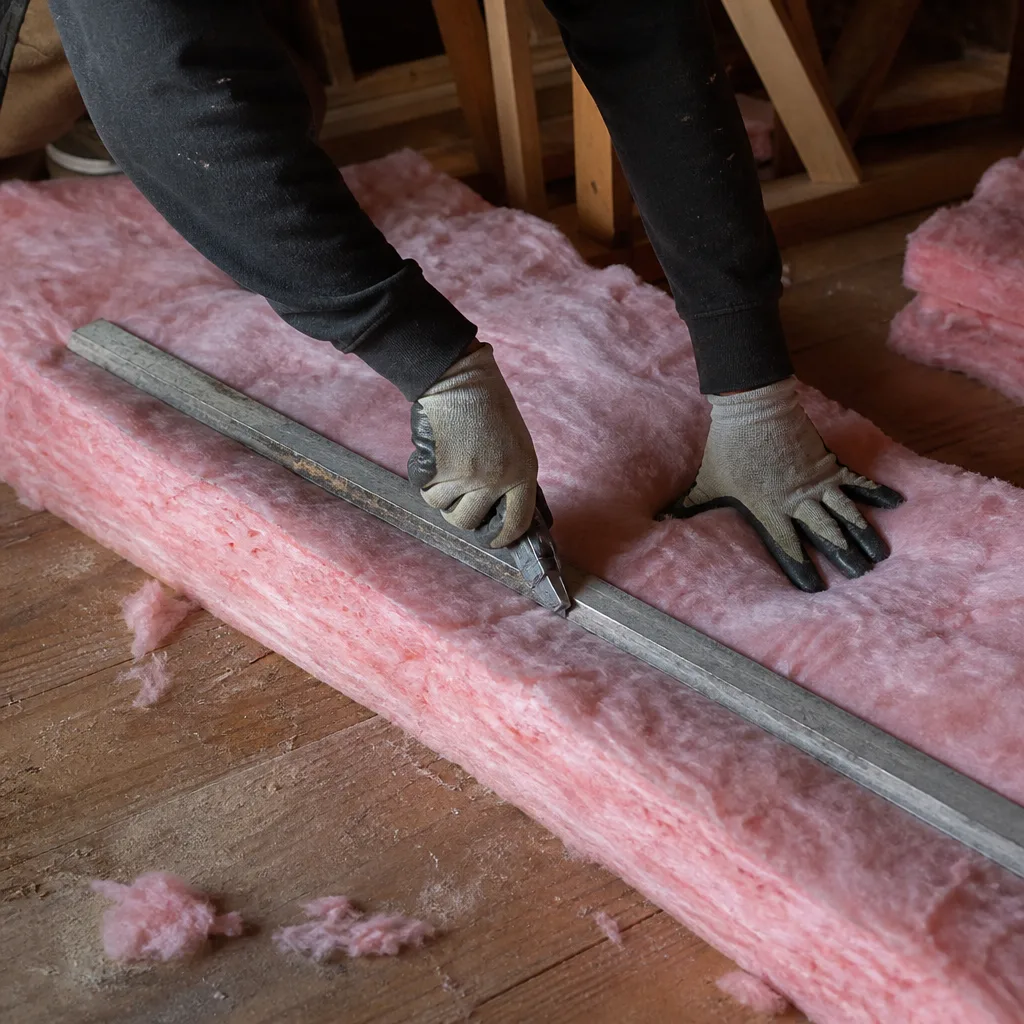
Fontana Insulation carries eight nationally recognized brands, including Rockwool, CertainTeed, Icynene, and Demilec. That matters in Shadow Hills because the right material changes from house to house. A tack room with $4,000 of show saddles wants mineral wool for fire resistance. A vaulted ceiling that can’t be opened up wants closed-cell foam. A standard attic wants blown-in cellulose. Most contractors push whatever’s on the truck. We stock all of it, so we don’t have to.
Noel Arredondo has built our crew around the idea that insulation is a diagnosis problem before it’s an installation problem. When a homeowner on one of the bridle paths tells us a bedroom won’t hold temperature, the first thing we do is map where the original attic dead-ends at an addition, or where the top plates were never sealed under the old batts. That’s the work flatland crews skip because it’s slow and unglamorous. It’s also the work that makes new insulation actually perform.
Attic Insulation Removal in Shadow Hills
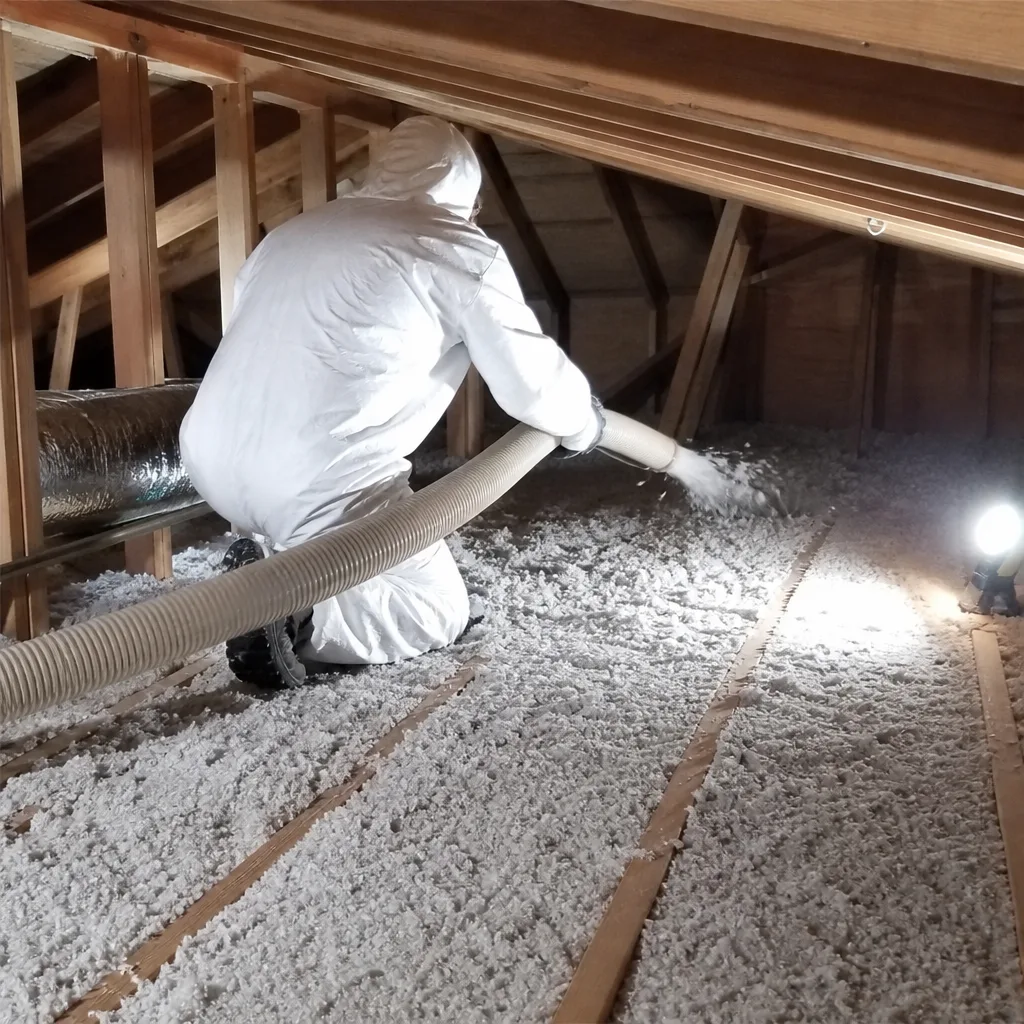
Attic Insulation Removal in Shadow Hills usually means extracting 40-year-old fiberglass that’s settled to two or three inches, compacted under storage boxes, or contaminated by rodent activity from the surrounding foothill brush. We see this constantly in the mid-century ranch homes that dominate 91040. The original batts go in during the Johnson administration, nobody air-seals the top plates, and by the time we arrive there’s a thermal hole over the master suite. New insulation over old garbage doesn’t fix that. It hides it.
A full removal on a 1,400-square-foot ranch attic in Shadow Hills runs $1,200 to $2,100, depending on access and how much debris is layered in. Most homeowners combine removal with new blown-in insulation on the same visit, which brings the total job to the $1,800 to $4,200 range. We use HEPA-filtered vacuums and bag everything out through the access hatch, no mess through the living space. Call (866) 271-1602 and we’ll give you a number from the attic, not from a spreadsheet.
Blown-In Over Settled Batts
Some Shadow Hills attics just need a top-up, but we won’t blow cellulose over old batts that have compressed to nothing. The R-value isn’t there anymore, and more material on top doesn’t restore it. We’ll open a test section and show you what’s under the surface before recommending removal.
Unvented Hot-Roof Cleanouts
These foothill ranches with unvented assemblies bake from the inside, and removing old insulation is the only way to properly air-seal before reinstalling. You can’t seal a top plate you can’t reach. On Sunland Boulevard-area homes with vaulted ceilings, this is where the real temperature improvement comes from, not the new material alone.
Insulation Contractors in Shadow Hills
Insulation Contractors in Shadow Hills split into two groups: the flatland crews who work the Valley and treat this zip code like any other, and the ones who understand what a Verdugo foothill roof does to an unvented attic in August. We’re the second kind. When a ranch off Wheatland Avenue has a disconnected attic zone above an addition, you have to find it before you insulate it. That’s the actual job. Blowing fiberglass is the easy part.
Homeowners here are usually serious about fixing a comfort problem, not just checking a box for a remodel permit. That’s the right customer for us, because we work material-agnostic. CertainTeed batts make sense in some framed cavities. Demilec closed-cell foam makes sense on a vaulted ceiling that can’t be vented. GreenFiber cellulose makes sense over a sealed attic floor. We’ll show you the trade-offs in plain language, then install whatever actually fits your house. Call (866) 271-1602 for an estimate.
Ranch Homes With Additions
The original 1950s shell and the 1980s addition almost never share the same attic space. We trace each thermal boundary separately. If the addition’s attic dead-ends against the original roof plane, that zone needs its own air-sealing and its own material plan.
Tack Rooms and Detached Outbuildings
Horse-property owners in 91040 call us because their feed room swings 40 degrees between morning and afternoon. We insulate detached barns, tack rooms, and converted garages on the same visit as the main house. Most crews won’t even quote it. We know exactly how it should be detailed because we do it here regularly.
The Shadow Hills Unvented Attic Problem
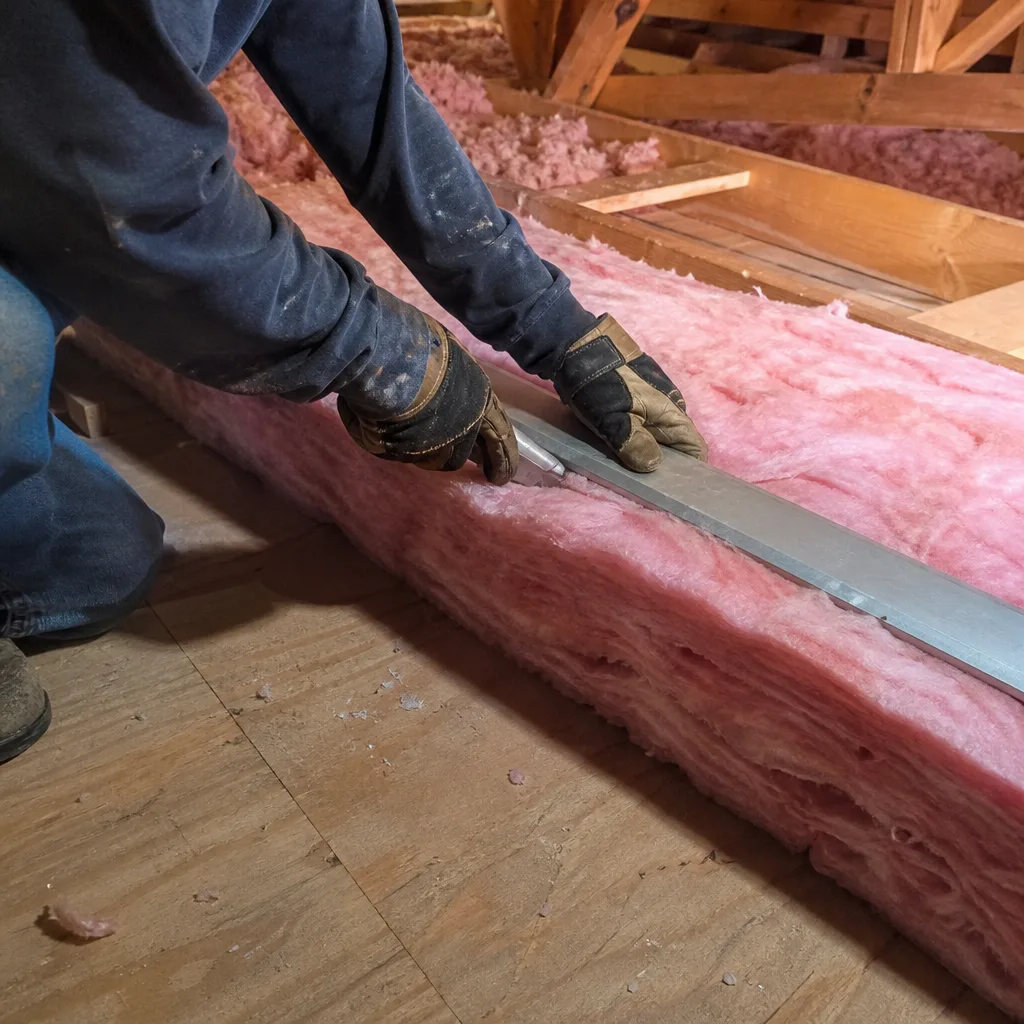
The large-lot custom ranches tucked into the Verdugo foothills were frequently built with unvented attic assemblies that bake under afternoon sun. That changes everything about how attic work should be spec’d here. A standard vented attic gets R-38 and ridge vents, and the structure manages heat on its own. An unvented assembly with no airflow just absorbs radiation from the roof deck and radiates it into the living space for hours after sunset. Adding R-value without addressing the air-sealing and the radiant load means you spend money and the upstairs still doesn’t hold temperature. This is the exact failure mode we see when flatland contractors work Shadow Hills: they install vented-attic R-values on a hot-roof design and call it done. The homeowner calls us a year later wondering why nothing changed.
Horse-property owners also expect detached barns and tack rooms quoted on the same visit, which most flatland crews never touch. Temperature swings destroy feed and stress horses. Tack gets mold in winter and dries out in summer. If you’re running a barn in Shadow Hills, insulating it isn’t optional, it’s animal husbandry. We treat those outbuildings with the same precision we’d give a bedroom over a garage.
Trusted Brands We Service in Shadow Hills
We install and service the brands that earn their place in foothill attics. Rockwool mineral wool is the call when a tack room or attached garage needs fire resistance and sound damping alongside thermal performance. CertainTeed fiberglass gets used where framed cavities want a predictable, well-warrantied batt. Icynene and Demilec open- and closed-cell foam handle the vaulted ceilings and unvented assemblies where air-sealing is the priority. GreenFiber cellulose goes into standard attics where we want dense coverage over a sealed floor. For Shadow Hills customers, we keep material lead times short by stocking what these foothill jobs actually need, not just what’s easy to source. The right brand depends on the assembly underneath it, and we’re in a position to be honest about that because we carry all of them.
Common Attic Insulation Problems We See in Shadow Hills Homes
- Unvented attics baking through the afternoon. Mid-century custom ranches here often have no eave or ridge ventilation, so the attic becomes a radiant oven. Standard vented-attic R-values don’t account for the sun a foothill roof absorbs.
- Additions and converted garages with disconnected attic zones. The original house gets insulated, the addition doesn’t, and nobody air-seals the joint. We find buried top plates and dead-end cavities all over 91040.
- Settled original insulation under vaulted ceilings. Batts from the 1960s compress to a couple of inches over the master suite, and vaulted ceiling cavities are hard to access. Homeowners feel heat radiating down long after sundown.
- Detached barns and tack rooms ignored entirely. Flatland insulation crews quote the house and never mention the outbuildings. Horse-property owners end up with temperature-sensitive feed and equipment exposed to Valley heat swings.
Pricing for Attic Insulation in Shadow Hills, CA
A straightforward attic insulation top-up in Shadow Hills runs $900 to $1,600 for a ranch with reasonable access and existing material we can verify. Full attic insulation removal plus new blown-in cellulose lands between $1,800 and $4,200 depending on square footage, how much old material has to come out, and whether we’re dealing with vaulted cavities or tight access hatches. Horse-property jobs that include a detached tack room or barn add $1,200 to $2,600 per outbuilding, depending on size and whether the structure is finished or open-framed. Spray foam on an unvented assembly costs more per square foot than blown-in material but it’s often the only material that actually solves the hot-roof problem. Every estimate is free, and we’ll walk the attic with you so the number reflects what’s actually up there, not a generic per-square-foot multiplier. Call (866) 271-1602 to schedule.
We Also Serve Cities Near Shadow Hills
Beyond the 91040 zip code, our Attic Insulation team regularly works in Sunland, Tujunga, La Crescenta-Montrose, and Burbank. If you’re near the Shadow Hills border and wondering whether we cover your street, call (866) 271-1602 and we’ll let you know. You can also see our dedicated Shadow Hills page for local specifics on this area.
Serving Shadow Hills, CA — Our Local Coverage Area
We’re based in the Shadow Hills area and know this community well. Use the map below to see our service coverage — if you’re nearby, we can almost certainly help.
FAQs About Attic Insulation in Shadow Hills
Yes, and we quote it as one job with one mobilization fee. Most horse-property attic work in Shadow Hills takes one to two days when we’re doing the house, tack room, and barn together. Call (866) 271-1602 and tell us how many outbuildings you have; we’ll schedule a walkthrough that covers all of them.
Usually not. An unvented attic in the Verdugo foothills absorbs radiant heat from the roof deck and needs air-sealing plus a radiant-barrier conversation before material is chosen. Blowing R-38 over an unvented hot roof without sealing the assembly won’t fix the heat problem. We’ll assess the assembly and recommend what actually works, even if it means spray foam or a mineral wool detail instead of the standard blown-in approach.
Vaulted ceiling cavities in Shadow Hills additions are usually under-insulated or completely uninsulated, and they’re structurally isolated from the main attic. Heat radiates straight through the drywall. We typically address these with Demilec or Icynene closed-cell foam because it air-seals and insulates in one pass, but we’ll show you other options depending on the cavity depth and your budget.
Yes, in most mid-century Shadow Hills ranches we recommend full removal before new material goes in. The old batts are usually compressed, dusty, and sitting over unsealed top plates. Removing them is the only way to properly air-seal the attic floor, and that air-sealing is what makes the new insulation actually perform. Removal adds $1,200 to $2,100 to a typical job.
We install Rockwool mineral wool, CertainTeed fiberglass, Icynene and Demilec spray foam, GreenFiber cellulose, and four other nationally recognized brands across fiberglass, mineral wool, spray foam, and cellulose categories. The brand we recommend depends on your roof assembly, whether we’re insulating a tack room or a living space, and your performance goals. We carry all eight, so we’re not anchored to any one of them.
Get Your Shadow Hills Attic Done Right
If your attic hasn’t been touched since the ranch was built, or you’re tired of upstairs rooms that never hold temperature, call (866) 271-1602. Noel Arredondo will walk the attic with you, show you what’s above the drywall, and give you a straight number for the work that actually needs doing. Free estimates for all of Shadow Hills, 91040, and the surrounding foothill communities.
Written by Noel Arredondo, Owner at Fontana Insulation, serving Shadow Hills and the San Fernando Valley.