
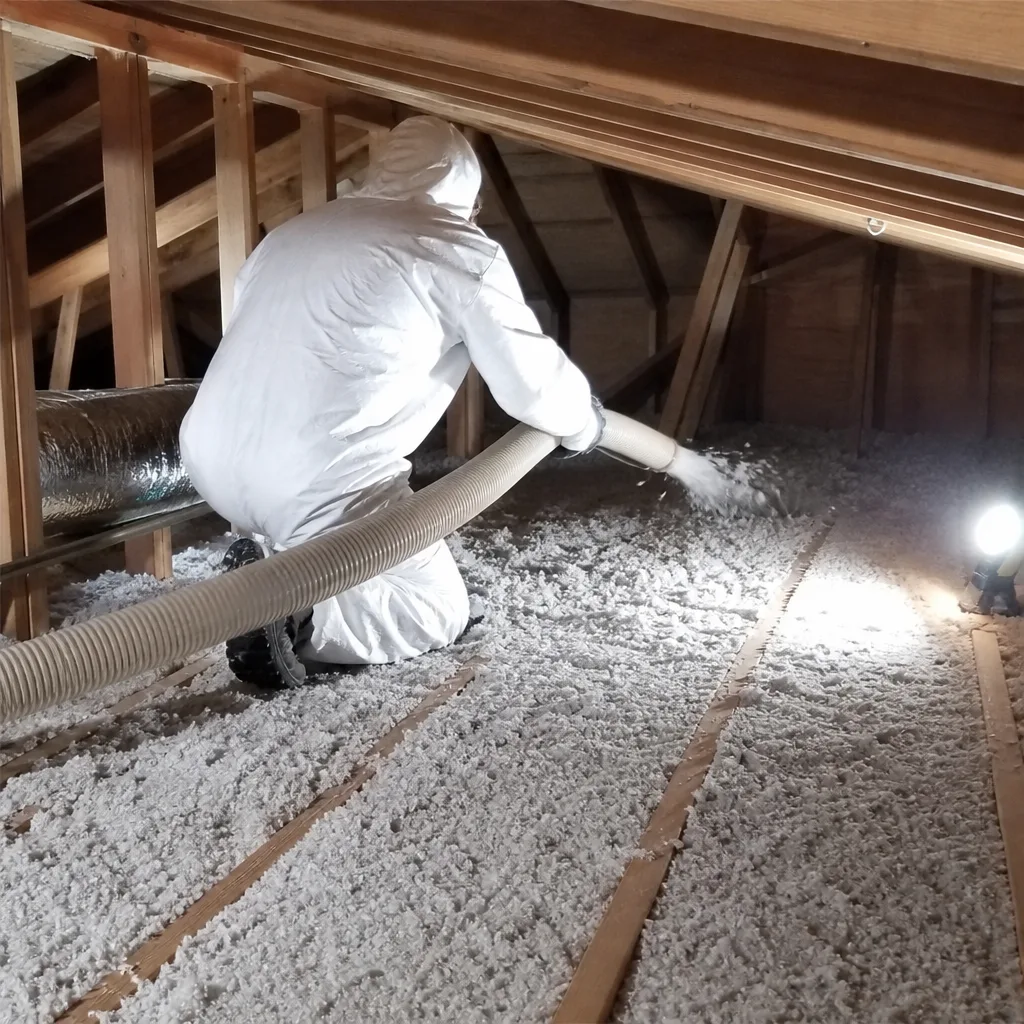
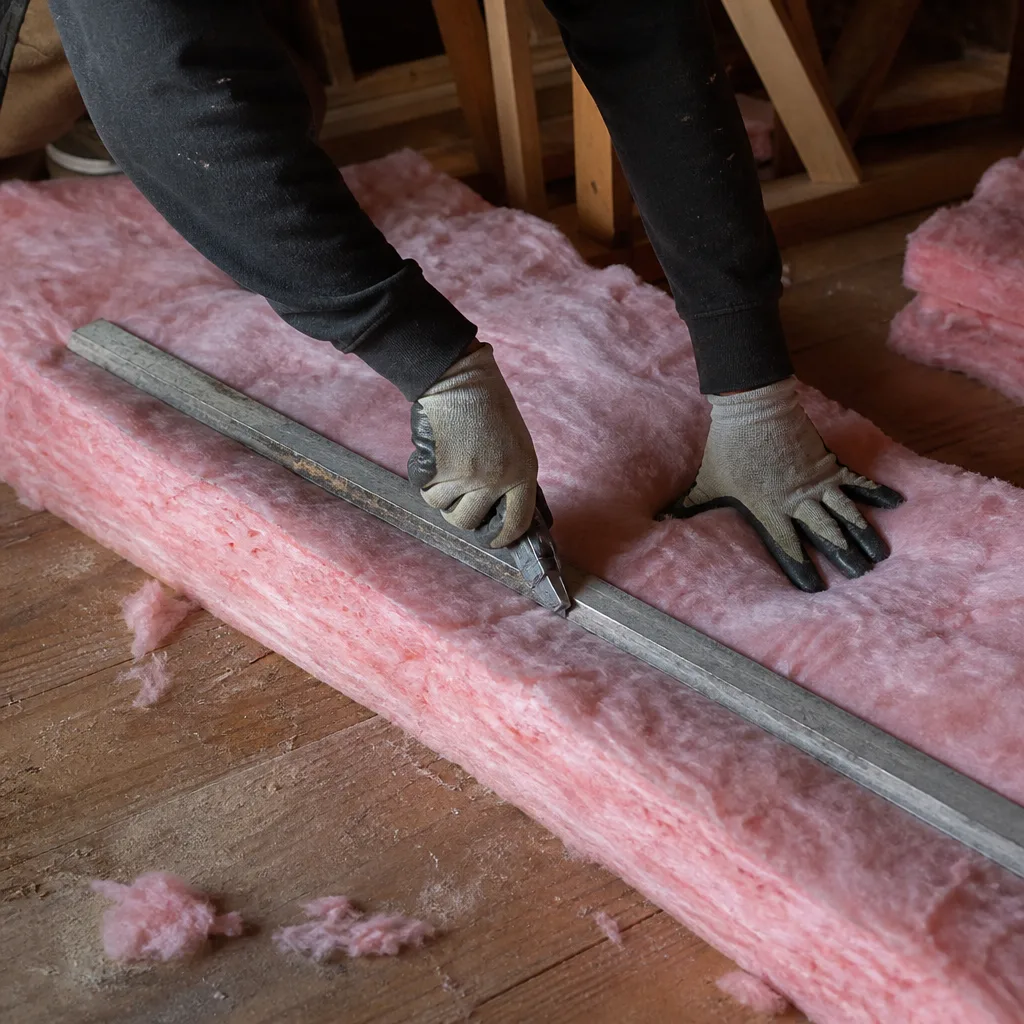
Fast, Reliable Attic Insulation Across San Joaquin Hills
Attic insulation in San Joaquin Hills costs $2,200 to $6,800 for a typical 2,000-square-foot hillside home, depending on material choice and whether we’re topping up existing batts or doing a full removal and re-blow. Most jobs wrap up in a single day. Call (866) 271-1602 for a free on-site estimate, and we’ll get a technician to your neighborhood this week.
We know San Joaquin Hills homes because we’ve worked on dozens of them, from the custom builds off Ridge Route Drive to older stucco numbers tucked into the canyons. The heat problem here isn’t something a generic insulation crew from Irvine will catch on a first pass. It’s radiant gain, displaced batts, and ventilation shortfalls specific to how this community was built in the 1980s through early 2000s. That’s the work we do every day.
Why Fontana Insulation Is San Joaquin Hills’s Preferred Attic Insulation Company
Noel Arredondo founded Fontana Insulation with a simple operating rule: stock every major material category, so the recommendation always comes from the house’s needs rather than what’s sitting in the warehouse. That’s why we carry eight brands across fiberglass, mineral wool, spray foam, and cellulose. For San Joaquin Hills specifically, that breadth matters more than it would in a flat tract-home community. A tile-roof hillside home with cathedral ceilings needs a different spec than a 1990s rancher on a leveled lot. We can actually offer each option.
Our crew has done enough work in the 92657 ZIP code to know what they’ll find before they open the attic hatch. Original Owens Corning batts compressed under HVAC ductwork. Displaced insulation around bathroom fans. Dirty soffit vents starved for airflow. When a San Joaquin Hills homeowner calls us, we already know the failure modes by era and builder. That local pattern recognition saves time and keeps the job honest.
We also don’t lean on subcontractors. Every attic insulation, spray foam, and blown-in job is handled by our own installers, trained on the full brand lineup. If the right application is an Icynene open-cell foam for an awkward roofline or Rockwool for fire resistance near a hillside, the same crew does it. No passing the job off to a third party who’s never driven the hill roads out to Bonita Canyon.
Radiant Barrier in San Joaquin Hills
Radiant Barrier in San Joaquin Hills is the single highest-impact upgrade for homes with southwest-facing roof slopes, because it blocks radiant heat before it ever reaches your insulation. A properly installed radiant barrier, stapled to the underside of roof rafters, reflects up to 95% of the sun’s radiant energy that would otherwise bake through tile roofing and raise attic air temperatures above 150°F in July. In San Joaquin Hills, where the marine layer burns off early and afternoon sun pounds stucco and concrete tile, this is often more effective than adding ten extra inches of fiberglass.
We usually install radiant barrier as part of a larger attic insulation top-up or replacement, not as a standalone. The reason is mechanical: radiant barrier works with bulk insulation, not instead of it. It keeps the attic air cooler so your batts or blown-in material do their job on conduction and convection. The combination is what drops second-floor temperatures by 8 to 12 degrees in the worst rooms.
What a Radiant Barrier Install Involves Here
We staple a perforated aluminum radiant barrier across the underside of the roof deck, leaving gaps at the ridge and eaves so airflow still moves. In tile-roof homes, we also check that the existing underlayment isn’t trapping moisture against the deck, which can happen on hillside lots with stucco walls and limited eave overhang.
When It’s the Right Call
If your upstairs runs consistently hotter than downstairs, or if the air conditioner can’t hold temperature on the southwest side of the house, radiant barrier should be on the table. The same goes for attics with original R-19 batts that already struggle. For San Joaquin Hills, we often pair a radiant barrier with an R-38 re-blow and attic baffles to restore the full thermal boundary.
Attic Cleaning Services in San Joaquin Hills
Attic Cleaning Services in San Joaquin Hills address a problem most homeowners never see: rodent droppings, dust-caked insulation, and construction debris left over from 1980s and 1990s builds that silently degrade indoor air quality and insulation performance. The cleaning work involves HEPA vacuuming or full removal of contaminated material, sanitizing the attic floor, and clearing soffit and ridge vents so the attic can actually breathe. In a hillside home where the wind whips dry dust through eave gaps, this is more than a cosmetic job.
We recommend attic cleaning before any major insulation upgrade, especially if there are signs of rodents or if the original insulation has been soaked by a past roof leak. Clean substrate is not negotiable. Fresh blown-in insulation over rat droppings doesn’t fix the attic; it just hides it. And in San Joaquin Hills, where attic temperatures spike, contaminated insulation off-gasses faster and worsens whatever makes it down through the ceiling penetrations.
Rodent Remediation and Insulation Replacement
If critters have been living in the attic, the contamination embeds in fiberglass facing and settled dust. We remove the affected material, sanitize the space, and re-insulate with fresh product. For San Joaquin Hills homes with stucco exteriors, we also check gap points around plumbing vents and roof intersections where rodents get in, then flag them for sealing before we re-blow.
Clearing Blocked Vents and Soffit Airflow
Attic cleaning in San Joaquin Hills frequently means scraping decades of dust and debris out of soffit vents, because stagnant attic air is exactly what turns a 90°F day into a 150°F attic. We clean the full vent pathway so whatever insulation you have actually performs to its R-value instead of baking in a closed box.
What happens when you call
- 1
A real person answersNo phone trees — you reach a local pro.
- 2
You get an upfront price rangeHonest numbers before anyone is dispatched.
- 3
A background-checked tech heads outLicensed & insured, dispatched right away.
- 4
You approve before work beginsNothing starts until you say go.
Trusted Brands We Service in San Joaquin Hills
Fontana Insulation carries Owens Corning, CertainTeed, Rockwool, Icynene, Demilec, and others because each earns its place for a specific San Joaquin Hills application. We stock Rockwool for the cathedral-ceiling jobs where fire resistance and sound dampening matter on a hillside lot. We keep Icynene and Demilec on hand for roofline air-sealing work where batts leave gaps. And we carry CertainTeed batts for budget-conscious top-ups where the homeowner wants a warrantied fiberglass product without the spray foam price. We don’t push one brand. We match the material to the attic’s actual thermal and moisture profile, and we maintain parts and material stock so San Joaquin Hills calls don’t wait on a warehouse order.
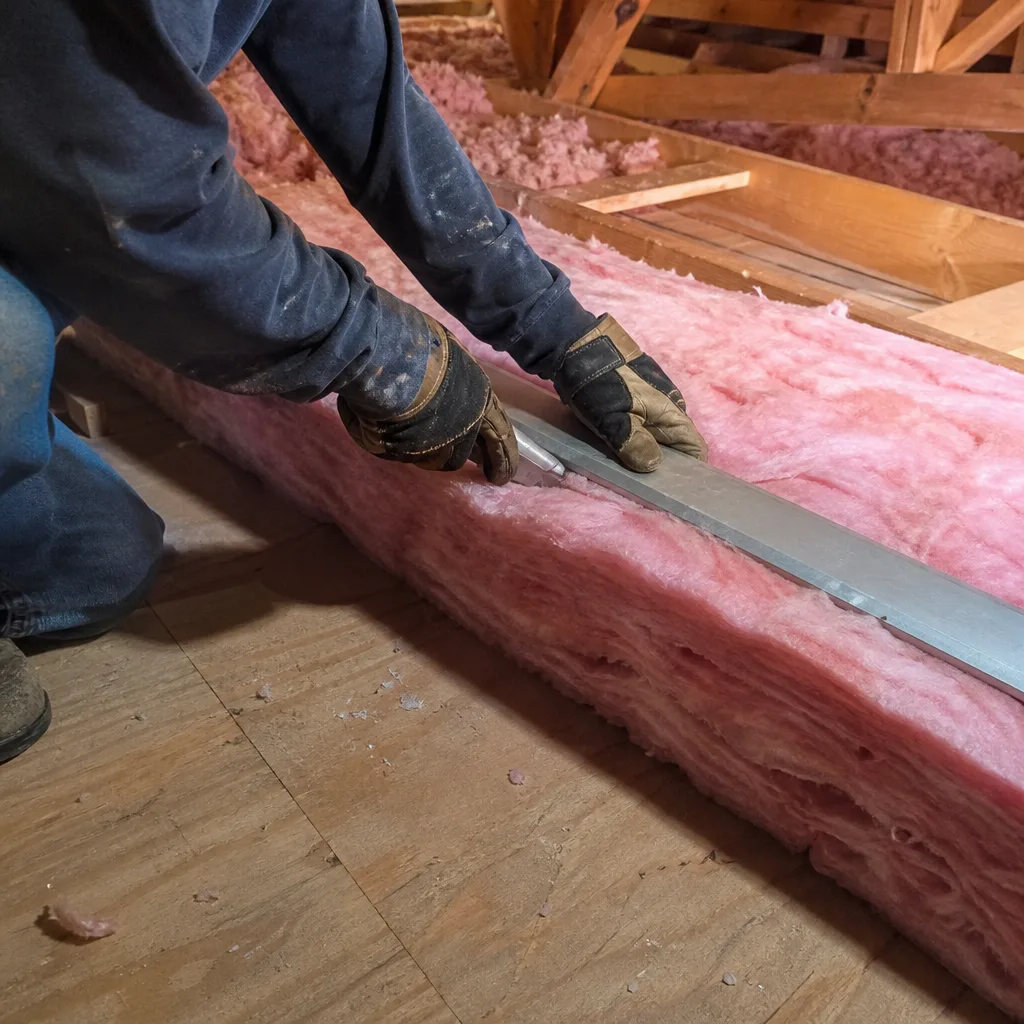
Common Attic Insulation Problems We See in San Joaquin Hills Homes
- Compressed fiberglass from HVAC retrofits. In 1980s and 1990s builds, installers often pushed aside or flattened the original batts to run new ductwork, and nobody fluffed them back. That leaves bare spots over bedrooms and bathrooms where heat pours through.
- Radiant heat gain through tile roofs on southwest slopes. Concrete tile soaks up afternoon sun and radiates it into the attic for hours after sunset. Without a radiant barrier, the insulation underneath is fighting a losing battle.
- Insufficient attic ventilation. Many San Joaquin Hills homes were built with minimal ridge or soffit venting, so hot air has nowhere to go. Attic temps push past 150°F, and the insulation’s effective R-value drops.
- Air leaks through cathedral ceiling cavities. Original builder-grade batts in cathedral ceilings often lack air sealing, so hot attic air sneaks into conditioned space around can lights, ceiling fans, and bath vent housings. Second-floor rooms never cool down.
Pricing for Attic Insulation in San Joaquin Hills, CA
Here’s what we quote in San Joaquin Hills right now. A blown-in attic top-up on a 1,500 – 2,200 square foot home runs $1,800 – $3,400, depending on depth and material. Full removal and re-insulation with Owens Corning fiberglass to R-38 runs $3,500 – $6,800. Radiant barrier installs, combined with re-blow, add $1,200 – $2,600. Attic cleaning runs $800 – $1,900 depending on contamination level and whether we’re pulling old material. The biggest cost variables are attic accessibility, existing insulation condition, and whether we need to cut in new venting. We give you a line-item number before any work starts, and the estimate is free. Call (866) 271-1602 and we’ll send someone out to your San Joaquin Hills home within the week.
We Also Serve Cities Near San Joaquin Hills
Beyond San Joaquin Hills, our crews run regular routes through Aliso Viejo, Newport Beach, Laguna Beach, and Irvine. If you’re in one of those cities and need the same material-agnostic Attic Insulation service, call the same number and we’ll get you scheduled.
Serving San Joaquin Hills, CA — Our Local Coverage Area
We’re based in the San Joaquin Hills area and know this community well. Use the map below to see our service coverage — if you’re nearby, we can almost certainly help.
FAQs About Attic Insulation in San Joaquin Hills
Because San Joaquin Hills homes sit on inland foothill slopes where the marine layer burns off by mid-morning and afternoon sun beats directly on concrete tile roofs and stucco walls. Irvine homes deal with flat-lot heat gain, and Laguna Beach attics rarely spike the way a Bonita Canyon ridge home does. The insulation spec here has to account for radiant heat, not just winter heat loss.
That’s why we often recommend radiant barrier and ventilation upgrades first in San Joaquin Hills, whereas in Irvine the conversation may start and end with batt depth. If your attic bakes past 140°F in summer, call (866) 271-1602 and ask us to check it.
Upgrade, in almost every case. Original 1980s batts were typically R-19 at best, and after 30-plus years of compression, dust loading, and displacement from HVAC work, they’re performing far below that. Adding more insulation on top of failed material doesn’t fix the underlying problem. Removal and re-blow to R-38 with air sealing is the call for most San Joaquin Hills homes.
We’ll look at the attic and tell you straight whether a top-up passes or a full replacement is needed. Estimates are free at (866) 271-1602.
It drives attic temperatures well above what insulation is designed to handle, which is why radiant barrier and ventilation matter as much as R-value here. A southwest-facing roof slope in San Joaquin Hills absorbs direct sun from around 1 p.m. until sunset, and concrete tile holds that heat for hours. Without a barrier reflecting that energy, the attic becomes a radiator pushing heat through your ceiling.
We mark southwest exposures on every San Joaquin Hills estimate and adjust the spec accordingly. Call (866) 271-1602 for a site read.
Upstairs rooms that run 8 – 12°F hotter than downstairs, air conditioning that can’t hold setpoint on sunny days, and drywall that feels warm to the touch near the ceiling are the three big ones. You might also see dust lines around ceiling penetrations or smell a stale, warm odor when you open attic access. If any of that sounds familiar in your San Joaquin Hills home, the insulation isn’t doing its job.
Call us at (866) 271-1602 and we’ll diagnose it same week.
Yes, attic cleaning is a core part of what we do before any insulation replacement. We remove contaminated or degraded material, sanitize the deck, clear vent pathways, and then install fresh insulation. For San Joaquin Hills homes with rodent history or roof-leak staining, skipping the cleaning undermines the new material, so we don’t separate the two when the job requires both.
We’ll tell you if cleaning is needed during the estimate. Call (866) 271-1602.
We recently worked on a home in the gated community of San Joaquin Hills, where the original attic fiberglass batts had been compressed and shifted during a 1990s HVAC replacement, leaving the southwest-facing slope of the attic with almost no insulation. After installing a radiant barrier and re-blowing Owens Corning fiberglass to R-38, the homeowner reported the upstairs bonus room stayed 10°F cooler during a July heat wave. That’s the exact failure profile we see on this community’s 1980s – 2000s hillside builds, and it’s a solved problem when the right materials go in.
For a free estimate on attic insulation, radiant barrier, or attic cleaning in San Joaquin Hills, call (866) 271-1602 or ask for Noel Arredondo’s team.
Written by Noel Arredondo, Owner at Fontana Insulation, serving San Joaquin Hills and surrounding communities.