
Fast, Reliable Attic Insulation Across Newport Beach
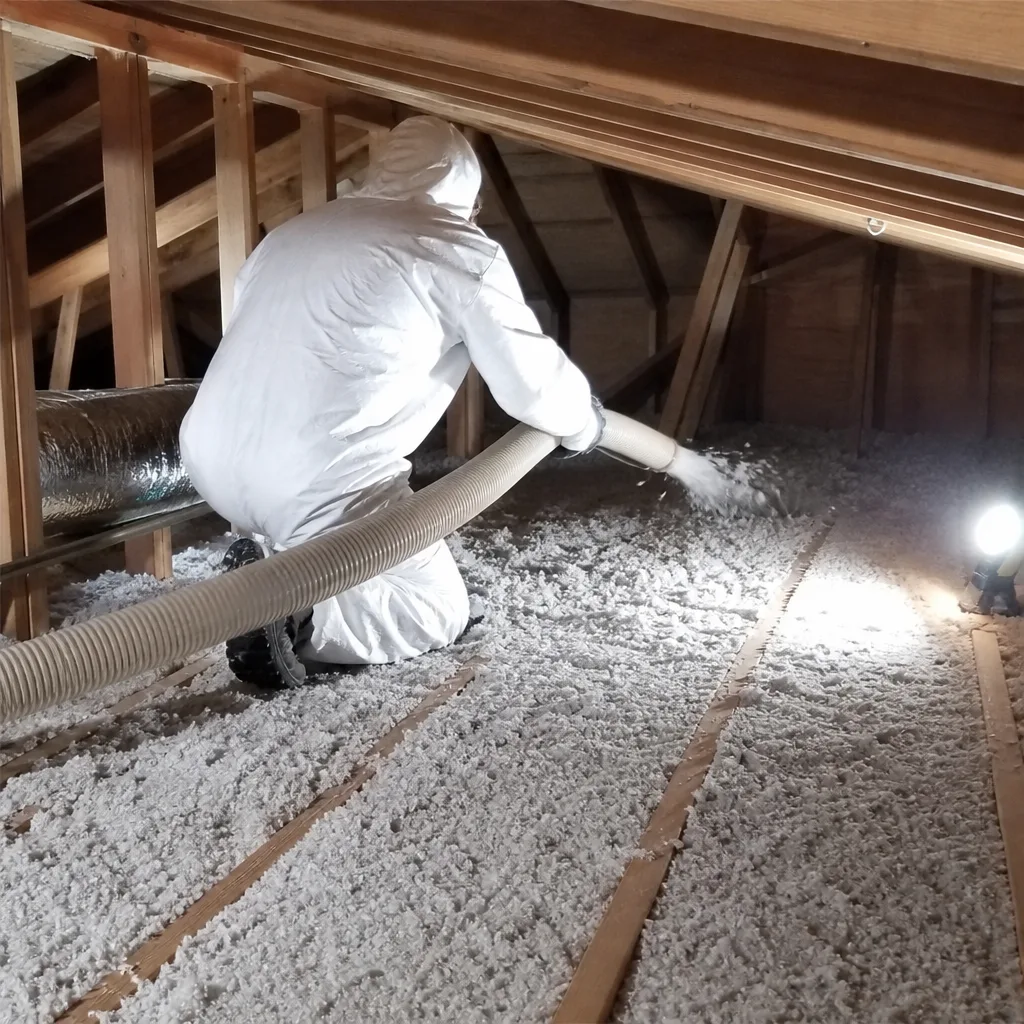
Attic insulation in Newport Beach is less about keeping heat in and more about keeping coastal moisture, salt air, and summer heat gain out. Most homes here sit within a few miles of the Pacific, which means condensation and cooling costs drive the work, not winter heating loads. Our crews know the difference. We work in Newport Beach weekly, from the inland tracts off Irvine Avenue in 92660 to the tight peninsula lots in 92661, and we stage jobs to match the access reality of each property. Call (866) 271-1602 for a free estimate and we’ll tell you straight what your attic actually needs.
Why Fontana Insulation Is Newport Beach’s Preferred Attic Insulation Company
Newport Beach homeowners tend to ask harder questions than most. You want to know why one material beats another in a marine climate, whether a radiant barrier actually does anything on a vaulted ceiling, and how we’ll get equipment to an attic with no alley access. That’s the conversation we’re built for. Noel Arredondo leads a team of insulation specialists who carry eight brands across four material categories, so the recommendation comes from what your house needs, not what we have sitting in the warehouse.
We’ve worked on Balboa Island rebuilds, Corona del Mar mid-century tracts, and everything between. The job is rarely just “add more insulation.” More often it’s fixing a ventilation problem first, then matching the material to the thermal boundary. That approach matters in Newport Beach because a poorly vented attic near the ocean will condense salt-laden air against the roof deck and rot it from the inside out, even when the insulation itself is technically adequate. We carry Icynene and Demilec spray foam for air-sealing applications, Rockwool for fire resistance and sound damping, and GreenFiber cellulose for dense-pack retrofits in tight spaces. No brand loyalty. Just the best fit for your attic.
Attic Ventilation in Newport Beach
Attic Ventilation in Newport Beach is the difference between an insulation job that lasts twenty years and one that fails in five. The reason is simple: marine air carries salt and moisture, and when it hits a cold roof deck in an unvented attic, it condenses. Add insulation on top of that and you’ve just trapped the moisture in place. We won’t do that. Ventilation planning comes first, then insulation.
Ridge and Eave Retrofit
Older Newport Beach homes, especially mid-century single-story tracts in 92660 and 92663, were built with minimal or no attic ventilation. The fix is usually a ridge vent paired with eave intake vents to create continuous airflow from bottom to top. We’ll confirm the roof geometry supports it before cutting anything.
Soffit and Gable Vent Correction
On homes where the roofline doesn’t allow a clean ridge run, we correct existing soffit and gable vents and verify the airflow path with a smoke test before any insulation goes in. Ventilation work in Newport Beach typically runs $900 to $2,400 depending on roof length and access, and it’s the single best insurance policy for whatever material you install next.
Radiant Barrier in Newport Beach
Radiant Barrier in Newport Beach is one of the few upgrades that directly addresses the west-facing glazing problem so common in the coastal housing stock here. When the afternoon sun hits a wall of glass or heats a roof deck, a radiant barrier reflects that energy back before it becomes attic heat gain. Installed correctly, it can reduce attic temperatures on the hottest September days by enough to make a noticeable difference in upstairs comfort.
Facing Direction on Vaulted Ceilings
One of the most common local mistakes we see is a radiant barrier installed facing the wrong direction over a finished vaulted interior. On open-rafter ceilings, the barrier gets faced down over the finish so it never has to be opened up from inside. Getting the orientation right matters as much as the material itself.
Closed-Cell Foam Pairing
For unvented attics with finished interiors below, we often pair a radiant barrier with a closed-cell spray foam like Icynene applied to the roof deck. That combination handles both radiant heat gain and the condensation risk. Radiant barrier-only jobs in Newport Beach typically run $1,600 to $3,800 for the average attic footprint.
Trusted Brands We Service in Newport Beach
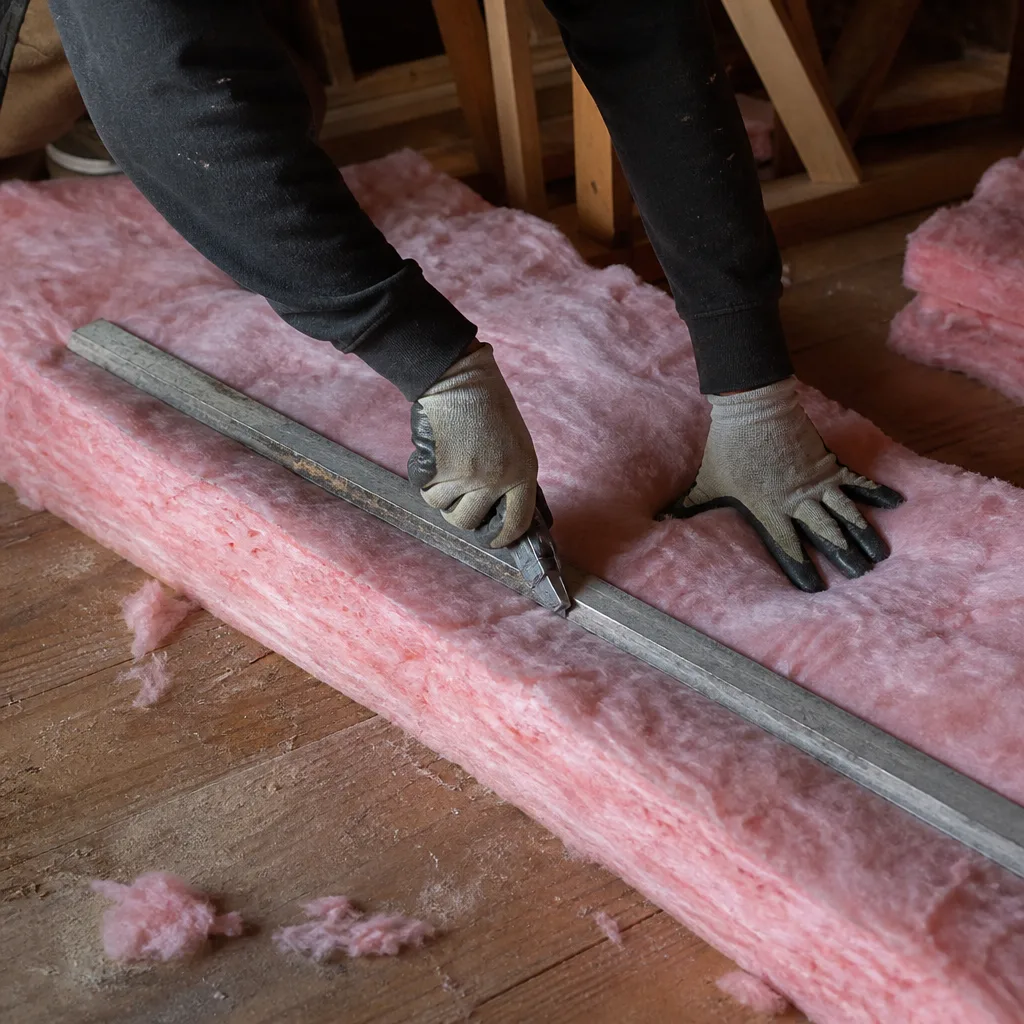
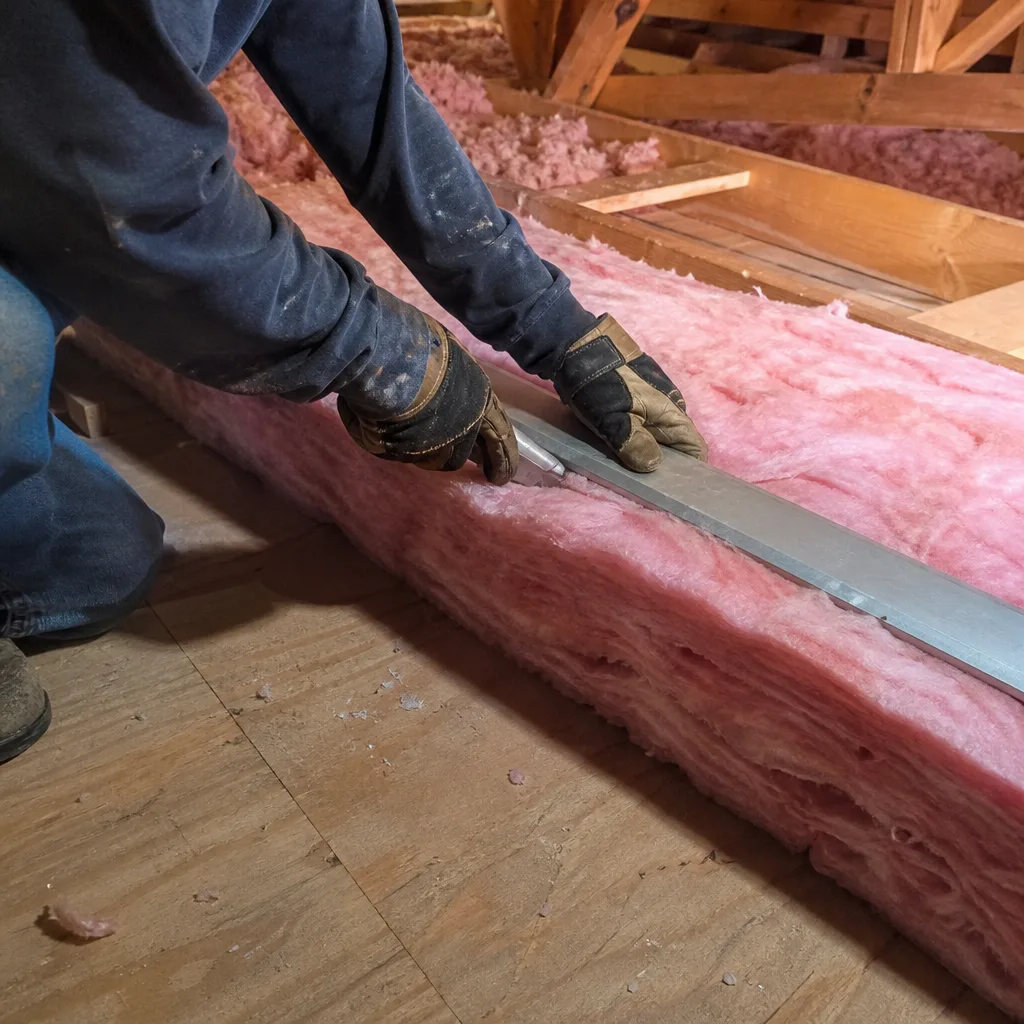
We carry Knauf and CertainTeed fiberglass because they hold their R-value consistently in attics that see wide temperature swings between foggy mornings and hot afternoons. Rockwool earns its spot in the lineup for Newport Beach clients who want fire resistance and sound damping in addition to thermal performance, especially in attached or narrow-lot construction where a neighboring wall is only inches away. And Icynene spray foam handles the air-sealing work that blanket or blown material can’t touch in a coastal envelope. Because we stock all three on our trucks, a Newport Beach job doesn’t stall waiting on material to arrive from a distributor.
Common Attic Insulation Problems We See in Newport Beach Homes
- Salt-laden condensation on cold roof decks. Unvented or poorly vented attics near the water collect marine moisture that condenses when the roof deck cools at night. New insulation installed without fixing the ventilation traps that moisture and accelerates deck rot.
- Tight-lot access on Balboa Peninsula and Balboa Island. Lots measured in inches from the neighbor’s property line mean standard truck-mounted blow machines often can’t reach the attic. We run hose from the street or the water side and work around finished interiors rather than through them.
- Under-insulated bays and knee walls. Hard-to-reach areas in vaulted and open-rafter ceilings get skipped or lightly filled by rush jobs. We confirm coverage with thermal imaging before closing up.
- West-facing glazing heat gain. Vaulted ceilings and walls of west-facing glass push afternoon heat into attics that were never vented for it. The fix often includes a radiant barrier and additional ventilation, not just more insulation.
Pricing for Attic Insulation in Newport Beach, CA
A typical attic insulation top-up in Newport Beach runs $1,200 to $2,800 for blown-in fiberglass or cellulose on an average 1,200 to 1,800 square foot attic. Full replacement where old insulation is removed first runs $3,000 to $6,500. Spray foam applications, whether open-cell for attic floors or closed-cell for roof decks, run $3.50 to $7.00 per board foot depending on depth and access. Batting a new-construction or gut-renovation attic with Knauf or CertainTeed fiberglass typically lands between $1,800 and $4,200. What moves the number: attic height and access, whether ventilation retrofits are needed first, and how much of the existing material has to come out. Call (866) 271-1602 and we’ll give you a line-by-line estimate after a site visit. Estimates are free.
We Also Serve Cities Near Newport Beach
Our Attic Insulation crews cover Newport Beach and the surrounding coastal and inland communities, including Costa Mesa, San Joaquin Hills, Fountain Valley, and Irvine. If you’re just outside the immediate area, call us and we’ll confirm coverage for your street. For a full look at our Newport Beach service area and the neighborhoods we work in most, see our Attic Insulation in Newport Beach page.
Serving Newport Beach, CA — Our Local Coverage Area
We’re based in the Newport Beach area and know this community well. Use the map below to see our service coverage — if you’re nearby, we can almost certainly help.
FAQs About Attic Insulation in Newport Beach
Yes. We stage the job from the alley or the water side and run hose lengths up to 200 feet from the blow machine, which stays on the street or a barge-accessible point. The insulation goes exactly where it needs to without disturbing either neighbor’s property or your finished interior. Call (866) 271-1602 and mention your access situation and we’ll plan the staging before we quote it.
Yes, in most cases. An unvented attic near the coast will condense salt-laden marine air against the roof deck, and adding insulation on top of that traps the moisture in place. We add ridge-and-eave or soffit-and-gable ventilation before blowing or batting any material, unless you’re converting to a sealed, conditioned attic with closed-cell spray foam like Icynene on the roof deck. We’ll tell you which option fits your roofline and budget.
Yes, it’s one of the most effective upgrades for that exact condition. A radiant barrier faced down over the finished vaulted ceiling reflects afternoon solar gain back toward the roof deck instead of letting it radiate into the living space. It won’t replace ventilation or air sealing, but it addresses the heat source directly. Call us for a thermal assessment and we’ll show you where the heat is actually entering.
We work from the outside or from the alley wherever the access is cleanest. For stucco-over-frame walls, we use injection foam or dense-pack cellulose through small exterior openings that get sealed and touched up to match. Crawlspaces get treated from below with the access door as the only interior penetration. The finish work stays untouched. We’ll walk the property with you before quoting so you see exactly where we’ll be working.
We carry Knauf and CertainTeed fiberglass, Rockwool mineral wool, and Icynene spray foam, among others. For coastal enclosures, the brand choice follows the application: closed-cell foam for air-sealed roof decks, Rockwool for fire-rated or sound-sensitive party walls, and high-density fiberglass or cellulose for standard attic floors. We match the material to the thermal boundary, not the other way around. Call (866) 271-1602 for a free estimate and we’ll spec the right product for your attic.
Written by Noel Arredondo, Owner at Fontana Insulation, serving Newport Beach and surrounding coastal communities with brand-neutral attic insulation, ventilation, and radiant barrier retrofits.