
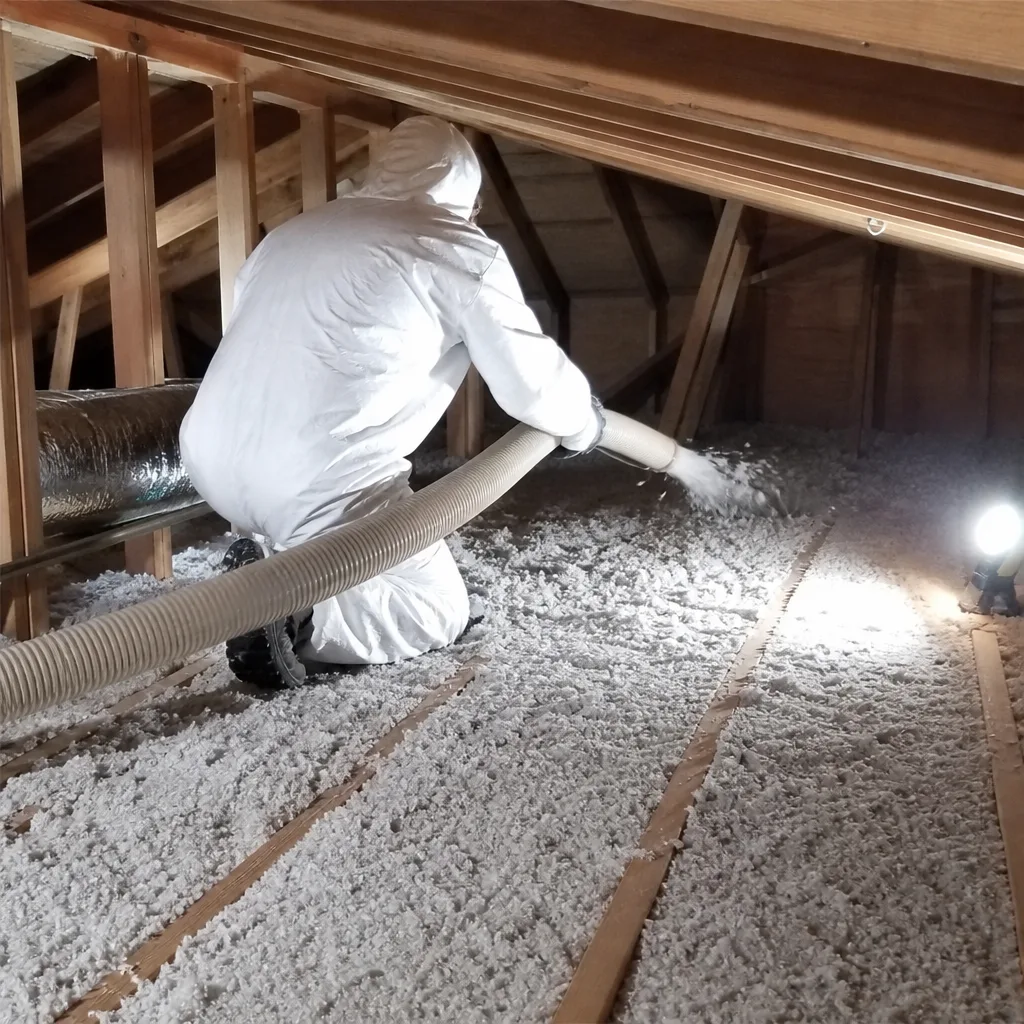
Fast, Reliable Attic Insulation Across Marina del Rey
Attic insulation in Marina del Rey isn’t a one-material job. The marine layer, the salt air, and the HOA rules stacked on top of both mean your attic needs a specific strategy. We’re Fontana Insulation, and we’ve pulled enough waterlogged fiberglass out of Marina del Rey attics to know exactly what works between the 90 freeway and the breakwater. If you’re dealing with a hot condo, a moldy attic over a converted garage, or an HOA architectural review that’s stalling your remodel, call (866) 271-1602 and we’ll walk you through it.
Why Fontana Insulation Is Marina del Rey’s Preferred Attic Insulation Company
We carry eight insulation brands across four material categories, which means we don’t show up with one product and try to make it fit. In Marina del Rey, that matters more than most places. A Silver Strand townhome with salt-spray exposure and a canal-front house with a low-slope roof need different materials, and we stock Owens Corning, CertainTeed, Rockwool, Icynene, Demilec, and GreenFiber so the recommendation comes from the building’s conditions, not our inventory. Noel Arredondo leads our team, and he’s spent his career matching insulation to real-world failure modes rather than selling whatever’s cheapest to stock.
Marina del Rey customers call us because we understand the HOA landscape here. Architectural review boards in the Marina Peninsula and Silver Strand communities routinely reject insulation work that wasn’t pre-approved, especially when it involves spray foam or venting changes. We help with that paperwork before we cut anything open. It saves you a violation notice and a second round of fees.
Attic Mold Removal in Marina del Rey
Attic mold removal in Marina del Rey is the most common job we do west of the 405, because marine-layer fog and salty air keep attic cavities damp for months at a time, and mold takes hold fast in the dark. We remove the affected insulation, treat the decking and framing with a fungicide, identify why moisture is getting trapped, and only then re-insulate with a material that can handle the humidity. In Marina del Rey, a typical attic mold removal with insulation replacement runs $2,800 to $6,500 depending on the attic size, the extent of the mold, and whether drywall repairs are needed. We never quote without seeing the space.
What We Pull Out First
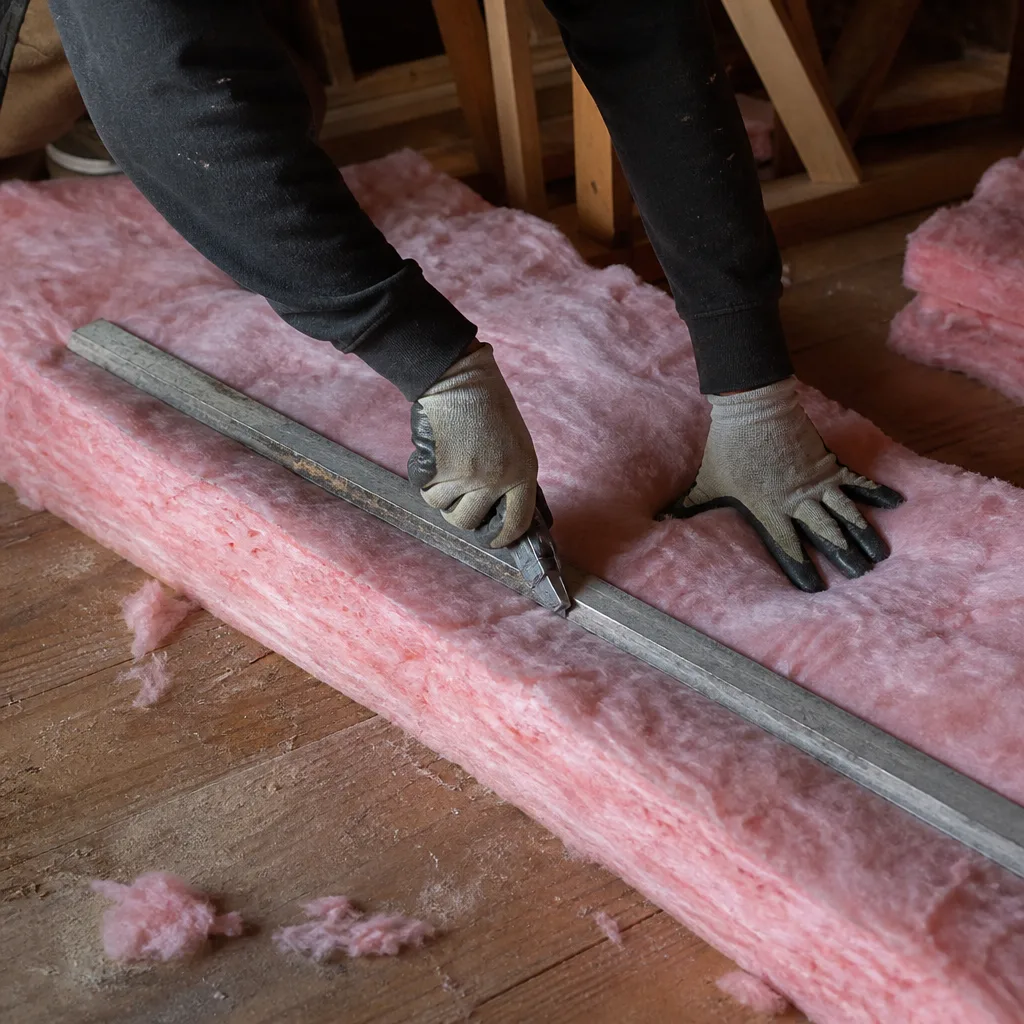
Before any treatment, we remove every piece of compromised insulation. In Marina del Rey attics, that’s usually fiberglass batts that have been absorbing marine-layer moisture for years. You can’t treat mold successfully while the wet material is still sitting there. We bag it, seal it, and carry it out through the same hatch your HOA approved.
Treating the Decking, Not Just the Insulation
Mold doesn’t live only in the insulation. It colonizes the plywood decking and the framing. We apply an EPA-registered fungicide to the affected wood after the insulation comes out, then we air-seal any penetrations that let warm interior air hit the cool roof deck – that’s the condensation engine that starts most Marina del Rey attic mold. If you skip the air-sealing, the mold comes back.
Attic Insulation Removal in Marina del Rey
Attic insulation removal in Marina del Rey usually means extracting saturated fiberglass or blown-in cellulose that’s failed from years of coastal humidity. The job starts with a full vacuum-out, followed by an inspection of the decking, fasteners, and any recessed can lights or bath fans that poke through the ceiling. We remove every staple, every corroded fastener, every scrap of old material down to the decking. For most Marina del Rey homes, full attic insulation removal runs $1.50 to $2.75 per square foot, so a 1,200-square-foot attic usually lands between $1,800 and $3,300. Canal-front homes with tight hatch access or HOA restrictions on disposal hours can push toward the higher end.
When Mariners Should Call for Full Removal
If you see rust staining on the underside of your attic hatch, if you smell mustiness in the hallway outside the attic access, or if you open the hatch and see sagging batts pulling away from the roof deck, don’t just top it up. The old material has to come out. Adding new insulation over saturated fiberglass just hides the corrosion and lets mold keep growing underneath.
What Goes Back In
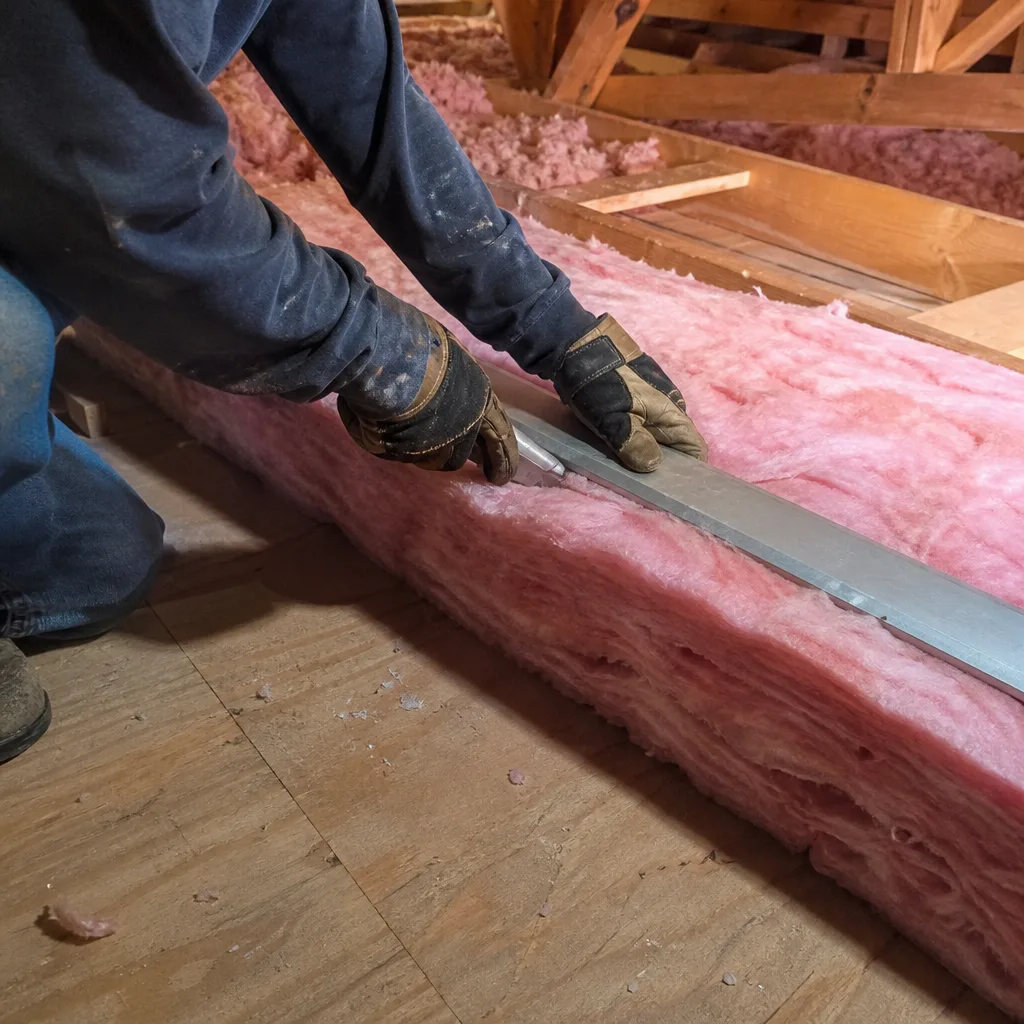
For most Marina del Rey attics, we recommend Rockwool mineral wool. It repels moisture, it’s naturally mold-resistant, and it holds its shape in the humid air that wrecks fiberglass. Rockwool also carries a Class A fire rating, which matters in dense condo clusters like the Marina Peninsula where structures sit close together. For attics where HOA rules demand an air-seal and the roof is low-slope, closed-cell spray foam from Icynene or Demilec often fits better. We’ll explain the trade-offs before you commit to anything.
Trusted Brands We Service in Marina del Rey
We’re an authorized installer for Icynene and Demilec spray foam, and we stock CertainTeed and Rockwool because they perform in coastal humidity where cheap fiberglass fails. Marina del Rey customers get access to the same eight-brand lineup we carry across Southern California, without waiting on special orders. If your HOA’s architectural review board wants a spec sheet for Rockwool or Demilec before approving the work, we provide it – usually same day. For condo buildings along the Marina Peninsula, that documentation is often the difference between an approved permit and a stalled remodel.
Common Attic Insulation Problems We See in Marina del Rey Homes
- Waterlogged fiberglass batts behind HOA-approved hatch covers. The hatch stays sealed, the marine fog seeps in through soffit vents and roof penetrations, and the fiberglass soaks it up silently. By the time you see it, the mold’s usually spread to the decking.
- Corroded staples and fasteners in canal-front attics. Salt spray doesn’t just sit outside. It rides in on the air and eats the metal holding your batts in place. We regularly find insulation sagging away from the roofline because the staples have rusted through.
- Warm, stuffy attics over converted garages. Marina del Rey has a lot of garages that became living space years ago, often without a proper air seal at the ceiling plane. The result is a thermal boundary that leaks like a sieve and an attic that’s 20 degrees too warm year-round.
- HOA violations from unapproved foam or venting. If a previous contractor sprayed foam or added ridge vents without running it through the architectural review board, you may inherit a violation notice. We help homeowners sort that out before we touch the attic.
Pricing for Attic Insulation in Marina del Rey, CA
Attic insulation in Marina del Rey runs on different numbers than inland Los Angeles. For a typical 1,200-square-foot attic in the 90292 ZIP, full removal and replacement with Rockwool mineral wool usually lands between $4,200 and $7,800. A top-up with blown-in cellulose or fiberglass runs $1,600 to $3,400. Spray foam jobs, which many canal-front HOAs now require for the air-sealing, start around $3.50 per square foot and go up from there. HOA documentation review, access constraints in multi-story condo buildings, and mold remediation all move the number. Call (866) 271-1602 for a free estimate specific to your building’s conditions and your HOA’s approval requirements.
We Also Serve Cities Near Marina del Rey
We work throughout the South Bay and coastal Los Angeles, including Lawndale, Hermosa Beach, Redondo Beach, and Hawthorne. Each area has its own mix of housing and humidity, but the core problem stays the same: moisture attacks insulation from the inside out. If you’re in any of these nearby cities and want a full rundown on Attic Insulation options, call us and we’ll talk through what fits. For everything specific to this coastal corridor, see our Attic Insulation in Marina del Rey guide.
Serving Marina del Rey, CA — Our Local Coverage Area
We’re based in the Marina del Rey area and know this community well. Use the map below to see our service coverage — if you’re nearby, we can almost certainly help.
FAQs About Attic Insulation in Marina del Rey
Yes, in most cases, and this is where a lot of jobs go sideways. If you live in the Marina Peninsula, Silver Strand, or a canal-front community with an architectural review board, any change to attic insulation – especially spray foam or venting modifications – typically needs prior written approval. We help you prepare the material spec sheets and a scope of work that satisfies the board’s coastal moisture rules before installation day. Call (866) 271-1602 and we’ll help you figure out what your specific HOA requires.
It’s the salt air and the marine layer. Insulation in Marina del Rey is exposed to higher humidity, airborne salt, and cooler roof-deck temperatures than homes even five miles inland, which creates condensation inside the attic cavity and corrodes fasteners. Fiberglass batts soak up that moisture and lose their R-value, and the staples that hold them rust through. Inland, insulation fails from age. Here, it fails from the environment.
They almost always do. Canal-front and marina-adjacent homes in Marina del Rey sit in the salt-spray zone, so we avoid materials that absorb water and hold it against the decking. Closed-cell spray foam from Icynene or Demilec, or Rockwool mineral wool, are the two options we recommend most for these properties. Both resist moisture and both hold up under the coastal conditions that destroy fiberglass. Call (866) 271-1602 and we’ll assess what your specific building needs.
Yes, if the removal is part of a documented remediation and re-insulation scope that the HOA has reviewed. The violation risk comes when a contractor pulls material out and installs something new without approval, or when the replacement material doesn’t match the building’s standards. We handle the architectural review documentation alongside the physical work, so the removal and the re-install clear the board before they happen. For mold-heavy jobs in Marina del Rey, we also document everything with photos for your records.
For most Marina del Rey attics, Rockwool is the best fiber-based answer because it repels moisture and resists mold by its nature. Where the HOA or the building’s condition calls for an air-seal, closed-cell spray foam from Icynene or Demilec performs better. CertainTeed fiberglass works in attics where ventilation is adequate and the building sits further from the water. We carry all of them, and we’ll recommend the one that matches your attic’s ventilation, your HOA’s rules, and your budget – not the one that’s easiest for us to stock.
If you’re ready to stop guessing about what’s happening above your ceiling, call (866) 271-1602. We’ll schedule a free attic assessment, walk you through what we find, and give you a written quote that matches Marina del Rey’s conditions – not a generic number off a price sheet.
Written by Noel Arredondo, Owner at Fontana Insulation, serving Marina del Rey homeowners with material-matched attic insulation strategies for coastal moisture conditions.