
Fast, Reliable Attic Insulation Across Hermosa Beach
Attic insulation in Hermosa Beach runs $1,450 to $3,200 for a typical 1,200 to 1,800 square foot home, with top-ups starting around $700 and full replacements with ventilation work reaching $4,500 on larger multi-story builds. We’re in Hermosa Beach weekly, working on everything from 1950s sand-section bungalows to the tall contemporary boxes that replaced them. If you’re dealing with a musty attic, sagging batts, or energy bills that spike every time the marine layer rolls in, call Fontana Insulation at (866) 271-1602 and we’ll give you an honest assessment of what’s actually going on up there.
Hermosa Beach homes have a problem most inland insulation contractors don’t understand: your attic isn’t failing because of cold. It’s failing because of salt fog, condensation, and damp that never really dries out. That changes what materials work, how ventilation should be set up, and what actually fixes the problem. We know the difference because we work here constantly, and we’re led by Noel Arredondo, an insulation specialist who’s seen just about every failure mode a coastal attic can produce.
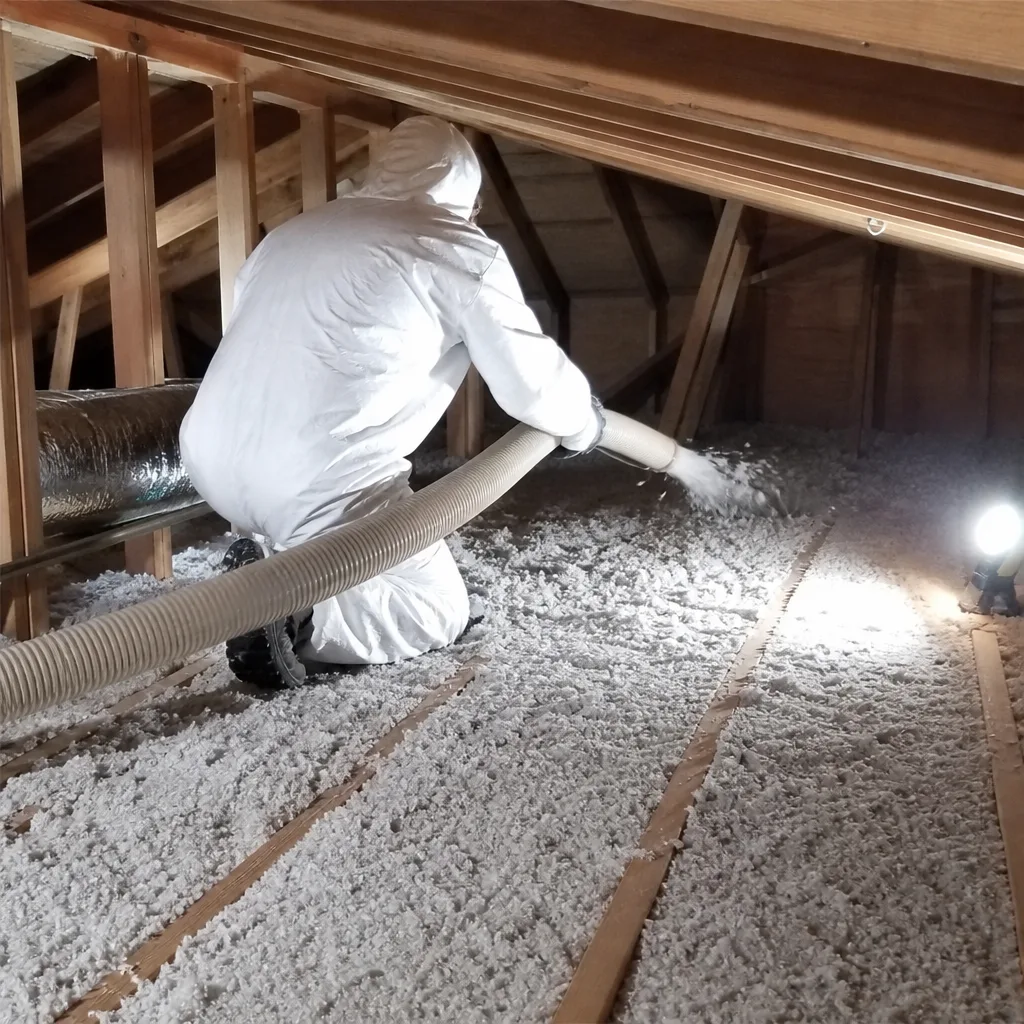
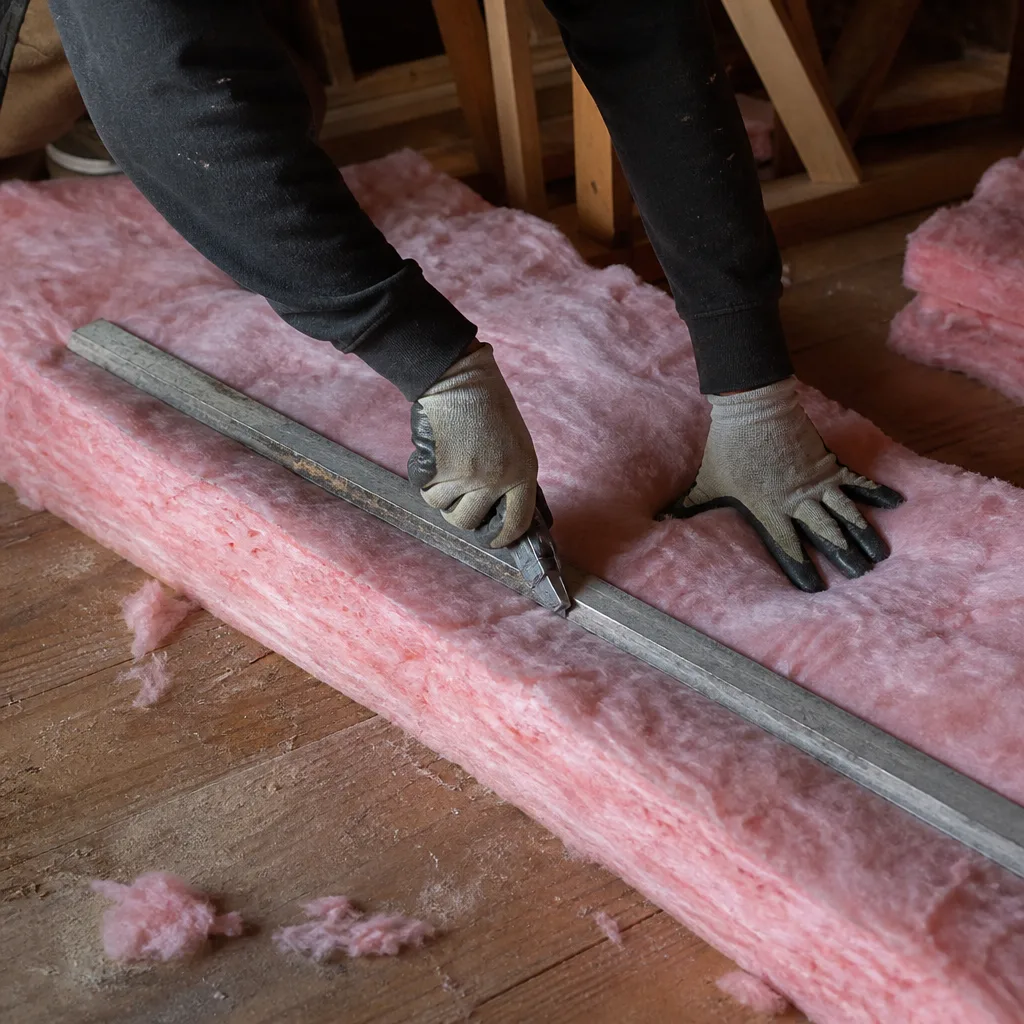
Our Attic Insulation team brings eight major insulation brands to every Hermosa Beach job, so the material you get is the one that actually fits your home’s conditions, not just what one company happens to stock. Whether that’s moisture-tolerant mineral wool, closed-cell spray foam for tight shallow attics, or a simple fiberglass top-up with proper baffles, we’ll walk you through the trade-offs in plain English.
Why Fontana Insulation Is Hermosa Beach’s Preferred Attic Insulation Company
Hermosa Beach homeowners call us because we don’t show up with a single product and try to make it fit. We carry Owens Corning, CertainTeed, Knauf, Rockwool, Icynene, Demilec, Johns Manville, and GreenFiber across fiberglass, mineral wool, spray foam, and cellulose categories. That’s a genuinely different conversation than you’ll have with a contractor pushing one fiberglass line. When we recommend Rockwool for a Strand-adjacent home with corrosion issues, it’s because mineral wool shrugs off moisture and won’t rust or sag the way faced batts do. When we spec closed-cell Icynene for a shallow attic in a tall remodel on a 25-foot lot, it’s because air-sealing and moisture control matter more than R-value alone in that assembly.
Locally, we’ve built a strong reputation in Hermosa Beach by fixing what other crews got wrong. The most common call we receive from 90254 is a homeowner whose insulation was installed years ago and has quietly failed: sagging batts, corroded staples, condensation dripping onto open-beam ceilings, that persistent musty smell they blamed on the ocean. We diagnose the actual cause and fix it the first time. Estimates are free, and you’ll get a straight answer about whether you need insulation, ventilation, or both.
Noel Arredondo founded Fontana Insulation on a simple principle: material-agnostic recommendations matched to the application. Not brand loyalty. Not inventory pressure. Just the right tool for the specific attic you have. That’s why remodelers and new-construction clients in Hermosa Beach comparing multiple quotes eventually land with us: we’re the only contractor in the conversation who can honestly compare fiberglass, mineral wool, spray foam, and cellulose side by side because we install all of them.
Attic Ventilation in Hermosa Beach
Attic Ventilation in Hermosa Beach isn’t a nice-to-have add-on, it’s the difference between an attic that stays dry and one that slowly rots from the inside. The marine layer sits over the South Bay most mornings, and that moisture works its way into attic cavities through gaps, soffits, and the natural breathing of a wood-framed house. Without correct airflow, that damp air condenses on the underside of the roof deck, drips onto your insulation, and soaks into the batts. A properly vented attic for a Hermosa Beach home runs $850 to $2,100 depending on whether we’re adding ridge vents, soffit vents, or a full ridge-to-eave system, and whether the attic has enough depth to work in.
Ridge-to-eave airflow for marine-layer moisture
The goal is simple: cool, dry air in at the soffits, warm, damp air out at the ridge. In Hermosa Beach’s shallow attic spaces, we often find the original builder skipped ventilation entirely, assuming the mild climate wouldn’t need it. That’s exactly backwards. The mild, humid climate needs more ventilation, not less. We cut in balanced intake and exhaust points sized to your attic’s cubic volume, not a guess.
We also inspect existing vents. Salt air corrodes aluminum louvers and clogs screens from Pier Avenue to the Esplanade, and a blocked vent does nothing. Replacing corroded or clogged vents is usually a same-day job, and we’ll do it while we’re up there installing insulation or baffles.
Baffles and prep for tight attics
When attic depth is limited, baffles become critical. They hold a clear air channel from the soffit vent to the attic even when insulation is piled to the roof deck. Without them, the first few feet of insulation block the only source of incoming air and the whole system stops working. On Hermosa Beach’s narrow-lot remodels where attics are squeezed tight under tall rooflines, we install rigid vent baffles before the insulation goes in so your ventilation works for the life of the insulation, not for the first summer.
Radiant Barrier in Hermosa Beach
Radiant Barrier in Hermosa Beach is a case where the textbook advice doesn’t fully fit. Radiant barriers reflect radiant heat from the roof deck before it can warm your attic, and they work extremely well in hot, sunny climates. Hermosa Beach gets plenty of sun, but the bigger enemy here is moisture, and a poorly installed radiant barrier can trap moisture against the roof deck and accelerate corrosion in salt air. A properly installed radiant barrier for a Hermosa Beach attic runs $1,100 to $2,600 depending on attic size and whether it’s stapled to rafters or installed as a hybrid system with ventilation.
Foil radiant barrier vs. coastal corrosion
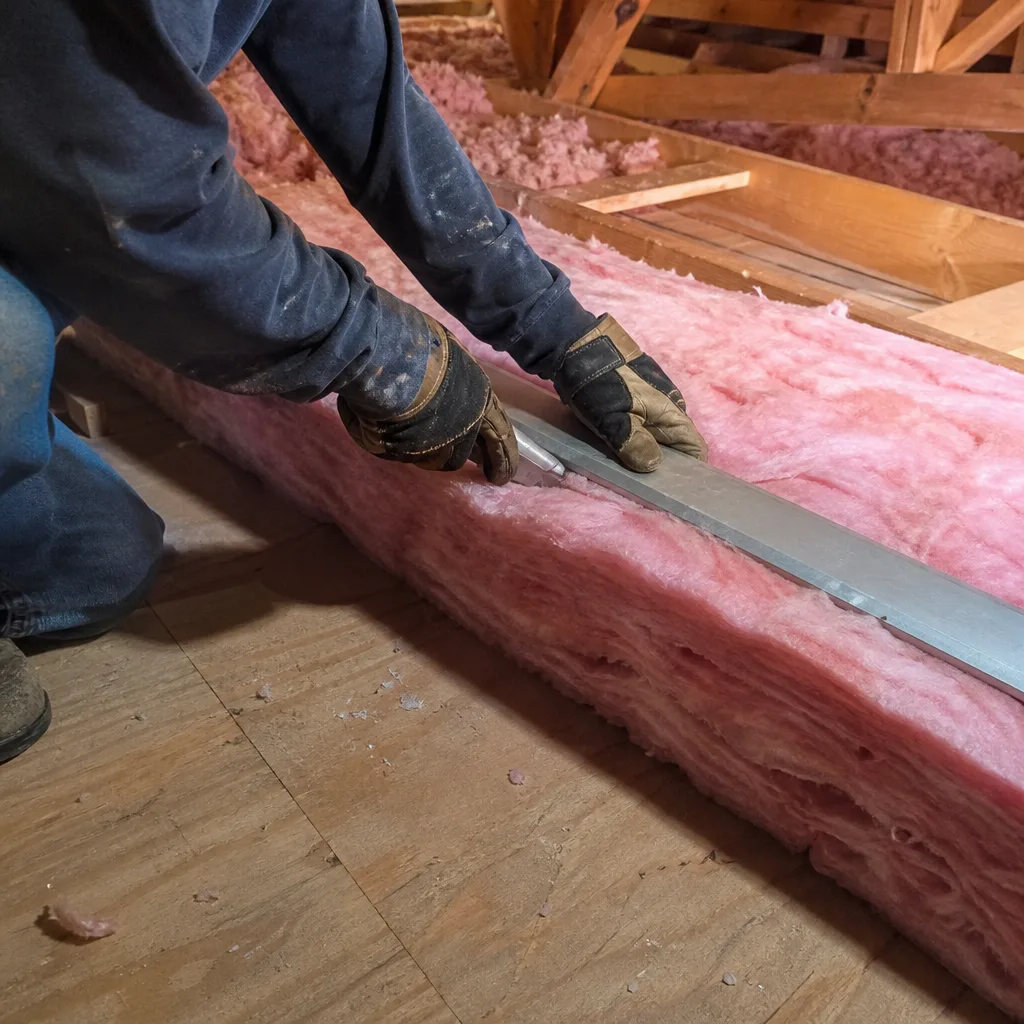
Here’s what we tell Hermosa Beach homeowners: a radiant barrier only earns its place when it’s installed with a ventilation gap and corrosion-rated fasteners. Stapled directly to the rafters with no air gap, it becomes a condensation surface and a corrosion accelerator. Installed properly with the right metal staples or plastic caps and clear airflow beneath, it cuts attic temperatures on sunny days and reduces the load on your cooling system. We spec stainless or polymer fasteners on every coastal job because the standard aluminum staples dissolve in this salt fog.
Radiant barrier for cathedral ceilings and open-beam rooms
Many Hermosa Beach homes have vaulted or open-beam ceilings with very little attic space above. In those assemblies, heat gain comes straight through the roof into the living space, and a radiant barrier attached to the underside of the roof deck can help more than insulation alone. We’ll assess whether your roof assembly has the clearance for a barrier before recommending one. If it doesn’t, there are better tools: closed-cell spray foam against the roof deck, or mineral wool batts fitted between rafters with a vapor-managing layer.
Trusted Brands We Service in Hermosa Beach
We stock and install eight nationally recognized insulation brands in Hermosa Beach: Owens Corning, Johns Manville, Knauf, and CertainTeed across fiberglass; Rockwool for mineral wool; Icynene and Demilec for open- and closed-cell spray foam; and GreenFiber for cellulose. Each brand earns its place for specific applications. Knauf and CertainTeed give Hermosa Beach homeowners excellent vented-attic fiberglass options at different price points. Rockwool is our go-to for damp coastal attics that need fire resistance and moisture tolerance. Icynene and Demilec cover air-sealing and shallow-attic scenarios where foam is the only real answer. Because we carry all eight, we don’t have to steer you toward what’s cheapest to stock. We steer you toward what actually solves your attic problem.
For Hermosa Beach customers specifically, we keep the materials that make sense for this climate on hand and ready to go. That means Rockwool batts in common widths, Owens Corning and Knauf unfaced fiberglass, GreenFiber cellulose for blow-in jobs, and Icynene closed-cell foam for air-sealing calls. Fast turnaround on Hermosa Beach jobs is the point: we’re serving one of the densest beach cities in the South Bay, and you don’t want your attic open to the marine layer any longer than necessary.
Common Attic Insulation Problems We See in Hermosa Beach Homes
- Sagging, moisture-laden batts with corroded staples. In the sand section and Strand-adjacent walk streets, salt fog and marine-layer damp attack foil and paper facings and rust the staples before the fiberglass itself degrades. The result is insulation that’s pulled away from the framing and dripping condensation onto open-beam ceilings below. We strip it, fix the ventilation, and re-insulate with materials that can handle the moisture.
- Shallow attics in tall contemporary remodels. The 1950s and ’70s sand-section bungalows are increasingly replaced by multi-story homes on the same narrow footprints, and the attic depth left over is often 18 inches or less. That’s not enough room for standard batts and proper ventilation, so condensation forms against the roof deck and soaks what little insulation is there. Closed-cell foam or thin-profile mineral wool with dedicated vent channels is usually the fix.
- No insulation at all in original 1950s-’70s builds. A surprising number of Hermosa Beach’s original beach cottages and eastside tract homes were built with zero attic insulation. Homeowners only find out when they notice rooms that never hold temperature, or when a remodel opens the ceiling. We do a lot of first-time insulation jobs in 90254, and the difference is immediate, summer and winter.
- Blocked or missing attic ventilation. Salt air corrodes aluminum vents, birds nest in soffit openings, and old remodelers sometimes roofed over original gable vents. When ventilation fails, the attic becomes a humid box that never dries out. That’s the root cause behind most of the musty-smell complaints we get from Hermosa Beach homeowners, and it’s almost always fixable in a single day.
Pricing for Attic Insulation in Hermosa Beach, CA
Here’s what you can expect to pay for attic insulation work in Hermosa Beach. A standard blown-in top-up over existing insulation runs $700 to $1,400 for a typical 1,200 square foot attic. Full attic batt insulation replacement runs $1,800 to $3,200 depending on attic size, access, and whether we’re removing old material. Attic ventilation work runs $850 to $2,100, and radiant barrier installation runs $1,100 to $2,600. Closed-cell spray foam on the roof deck is the premium option at $3,000 to $5,500 for most Hermosa Beach homes because it solves both insulation and air-sealing at once.
What moves the needle on price? Attic depth and access are huge: a 1950s bungalow with a narrow scuttle hole and 18 inches of clearance takes longer to work in than a newer home with a full attic. Removing failed, moisture-laden batts adds labor. Corroded fastener replacement and ventilation corrections add material costs. And if you need baffles installed around a tight perimeter before insulation goes in, that adds $200 to $500. Every estimate is free, and we’ll give you a specific number, not a range you can’t plan around. Call (866) 271-1602 and we’ll come out, measure, and tell you exactly what your attic needs.
We Also Serve Cities Near Hermosa Beach
Our Hermosa Beach team also covers the surrounding South Bay cities every week. We work in Redondo Beach, Marina del Rey, Palos Verdes Estates, and Lawndale regularly. Each of these cities has its own housing stock and moisture profile, but the coastal damp that defines Hermosa Beach attics shows up in all of them. If you’re in one of these cities and need an attic assessment, the same team, the same brands, and the same straight answers apply. Just call the Hermosa Beach number at (866) 271-1602 and we’ll route you to the right crew.
Serving Hermosa Beach, CA — Our Local Coverage Area
We’re based in the Hermosa Beach area and know this community well. Use the map below to see our service coverage — if you’re nearby, we can almost certainly help.
FAQs About Attic Insulation in Hermosa Beach
Your batts are wet because the marine layer and salt fog keep your attic cavity damp for most of the year, and vapor condenses on the underside of the roof deck overnight. The moisture gets absorbed by the insulation, and the humid air in Hermosa Beach just doesn’t provide enough dry days for the batts to release it before the next cycle begins. This is the single most common attic failure we see in Hermosa Beach. The fix is usually a combination of improved attic ventilation and switching to moisture-tolerant insulation like Rockwool mineral wool, which doesn’t absorb water or sag the way faced fiberglass does. We include a moisture assessment with every free attic inspection, so call (866) 271-1602 if your insulation is looking wet or hanging.
Yes, and it happens all the time in Hermosa Beach, where sand-section bungalow footprints have been built up into tall multi-story homes with shallow attic spaces. We use closed-cell spray foam like Demilec or Icynene applied directly to the underside of the roof deck, which requires far less depth than batt insulation and creates an effective air and moisture seal. We also install thin-profile mineral wool batts with dedicated ventilation channels where spray foam isn’t the right call. The key is evaluating the exact roof assembly and clearance before choosing a material, which is exactly what our free Hermosa Beach attic assessments accomplish.
Probably not, or it will be a thin layer of original material that’s well beyond its service life. Many of the original 1950s and ’60s beach cottages in Hermosa Beach’s 90254 zip code were built before energy codes required attic insulation, so the flat or low-slope roofs have little or no insulation at all. If you do find something up there, it’s likely to be 1 to 2 inches of rock wool or even sawdust. The good news is that retrofitting these attics is straightforward when we work with the existing framing, and modern materials will make a dramatic difference in how the house holds temperature. We’ll show you exactly what’s up there during a free inspection.
Yes, in Hermosa Beach and along the Strand-adjacent walk streets, salt air attacks the metal fasteners and facings that hold batt insulation in place, and those components fail long before the fiberglass or mineral wool itself would degrade. We routinely find rusted staples, corroded foil facings, and insulation that has physically dropped away from the framing in homes where the insulation itself is less than 15 years old. That’s why we use corrosion-rated stainless or polymer fasteners on Hermosa Beach jobs and often recommend unfaced insulation or moisture-tolerant Rockwool instead of foil-faced batts. It’s a local detail that changes the spec, and it’s one of the reasons our work holds up where other crews’ work fails.
Yes, and in most Hermosa Beach cases it’s the primary fix. That musty smell isn’t just ocean air drifting in; it’s the result of humid attic air condensing and saturating your insulation and framing, and a proper ridge-to-eave ventilation system lets that moisture escape instead of collecting. We size ventilation to your attic’s volume and install it with corrosion-resistant materials suited to the salt air here. Once ventilation is moving air properly, the damp smell usually clears within a few days. Call (866) 271-1602 and we’ll assess your attic ventilation at no cost.
Written by Noel Arredondo, Owner at Fontana Insulation, serving Hermosa Beach and the South Bay.