
Insulation Company in Rolling Hills Estates, CA
Blown in insulation is the most common retrofit we install in Rolling Hills Estates, where homes from the 1950s through 1970s were built for a coastal climate that didn’t account for today’s energy costs. On the Palos Verdes Peninsula, insulation work here is as much about moisture management and condensation control as it is about R-value, because the marine layer pushes damp air into walls and attics nearly year-round. Fontana Insulation has served Rolling Hills Estates since 2011, and we carry eight insulation brands so the material we recommend matches your home’s actual conditions rather than what happens to be on the truck. Call (866) 271-1602 for a free estimate.
Why Rolling Hills Estates Homes Are Different
Rolling Hills Estates sits on the Palos Verdes Peninsula, where marine-layer humidity, salt air, and cool coastal fog make insulation as much about moisture control and mold prevention as thermal performance. That’s a very different job than the dry-inland heat logic used a few miles away in Torrance or the South Bay flats. Homes here skew mid-century ranch and custom builds from the 1950s through 1970s, with stucco exteriors, wood-frame walls, and plenty of vaulted or open-beam ceilings that complicate retrofitting. The newer large rebuilds on hillside lots present their own challenges. On hillside lots, marine fog and salt air push moisture into north-facing walls and crawlspaces, so our crews routinely find damp or sagging insulation behind stucco that looks perfectly fine from the street. Insulation in Rolling Hills Estates is often corrective work: fixing condensation-prone walls, improving venting, and bringing older homes up to current energy expectations without trapping moisture inside the wall cavity. Skip the vapor barrier advice you’d get for a desert climate; it’s the wrong prescription here.
Our Main Rolling Hills Estates Services
Two jobs dominate our calendar in Rolling Hills Estates: attic insulation retrofits for older Peninsula homes, and spray foam applications where air-sealing and moisture resistance matter most. Here’s how each one works in this specific coastal environment.
Attic Insulation in Rolling Hills Estates
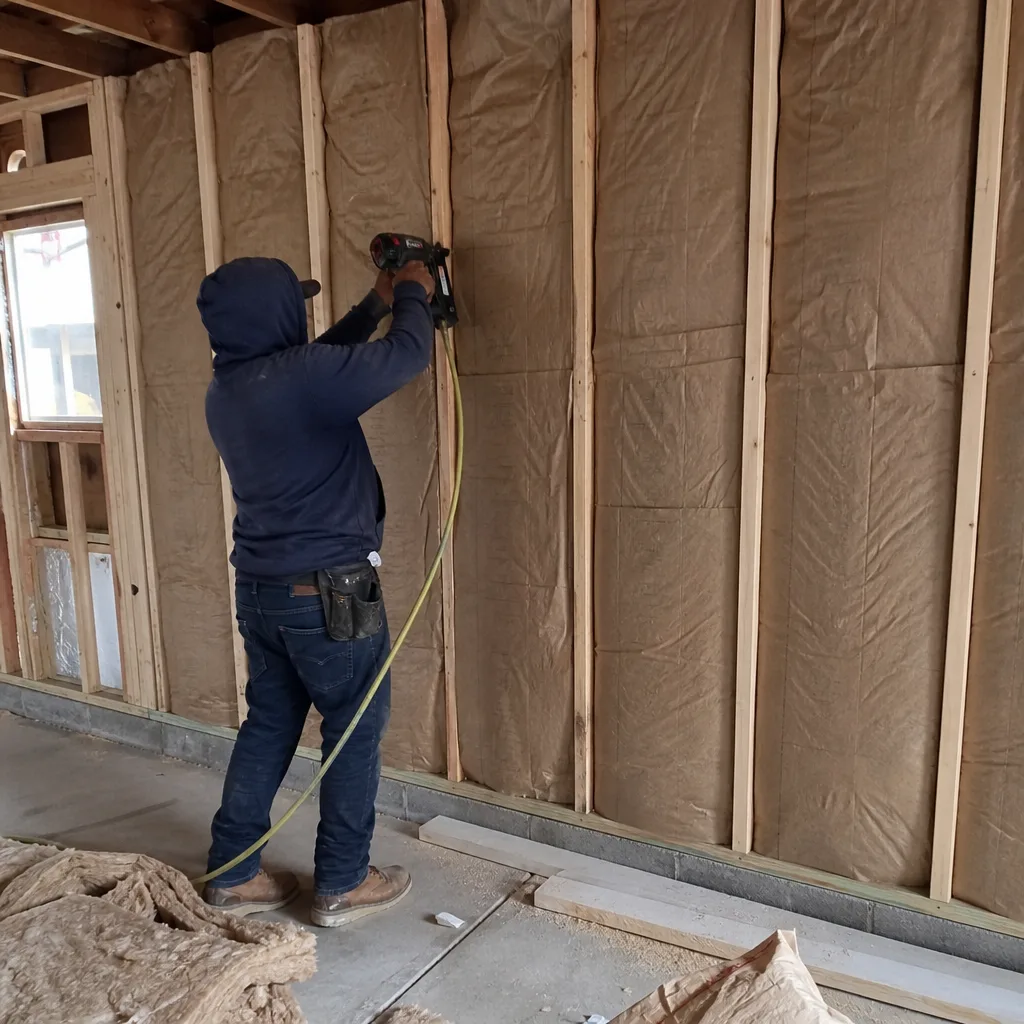
Homes from the 1950s through 1970s in Rolling Hills Estates typically have 3 to 6 inches of settled fiberglass in the attic, which leaves them well below current R-value targets for this climate zone. The marine layer means attics here run damp, so ventilation correction often goes hand-in-hand with adding insulation. We inspect the existing thermal boundary, check for moisture intrusion at the eaves and around can lights, and recommend a material that handles both the R-value target and the humidity reality. Attic Insulation in Rolling Hills Estates covers the full scope, with cost breakdowns and the specific signs of a failing attic assembly in this coastal microclimate.
Spray Foam Insulation in Rolling Hills Estates
Spray foam earns its place in Rolling Hills Estates for a specific reason: closed-cell foam is an air barrier and a vapor retarder in one application, which addresses the condensation problem that fiberglass alone cannot. On hillside lots where north-facing walls absorb fog-driven moisture, closed-cell foam applied to the rim joist or crawlspace walls stops damp air from condensing inside the framing. It’s also the right call for vaulted ceilings and open-beam construction, where there’s no attic cavity to work with. Spray Foam Insulation in Rolling Hills Estates explains the open-cell versus closed-cell decision for Peninsula homes and what it costs to air-seal a typical Rolling Hills Estates house.
What happens when you call
- 1
A real person answersNo phone trees — you reach a local pro.
- 2
You get an upfront price rangeHonest numbers before anyone is dispatched.
- 3
A background-checked tech heads outLicensed & insured, dispatched right away.
- 4
You approve before work beginsNothing starts until you say go.
Blown In Insulation in Rolling Hills Estates
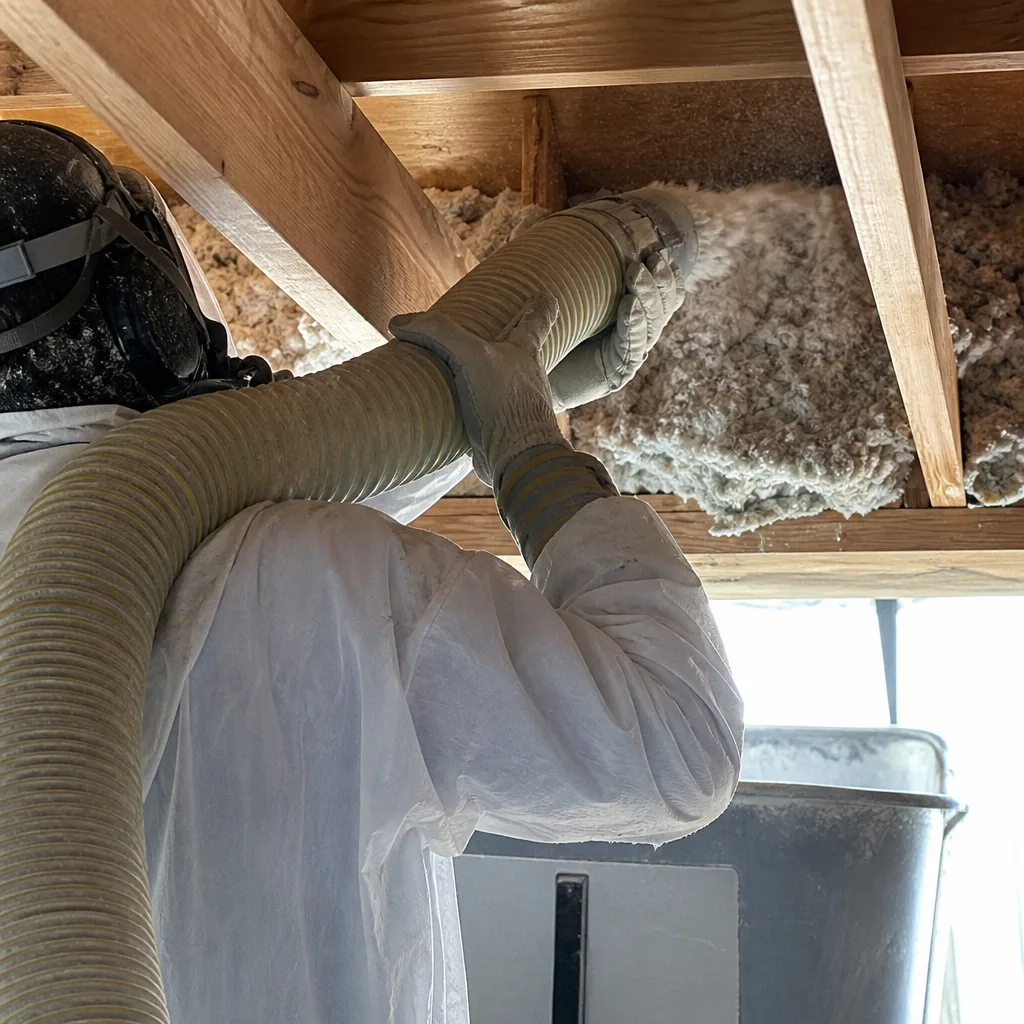
Blown in insulation is the workhorse retrofit for Rolling Hills Estates attics, where old fiberglass batts have settled, compressed, or gone damp from years of marine-layer humidity. Loose fill material fills irregular cavities, gets under low-slope rooflines, and covers the gaps that batts leave around framing members, can lights, and cross-bracing. Because Peninsula homes run damp rather than hot, we pay as much attention to ventilation and air movement as we do to the R-value of the material going in. We install a range of blown materials including Blown In Insulation products matched to your home’s venting setup and budget: cellulose for recycled-content jobs and fiberglass for open, well-vented attics.
Cellulose Insulation
Signs you need it
Your attic has settled batts or patchy coverage, and you want a dense, recycled-content material that reduces air leakage through the ceiling plane.
What it costs in Rolling Hills Estates
Blown cellulose insulation in Rolling Hills Estates typically runs $1,200 to $3,800 for an attic retrofit, depending on square footage and depth required.
How we do it
We air-seal the attic floor penetrations, verify ventilation is adequate, then blow cellulose to the specified depth using a calibrated machine.
Blown In Attic Insulation
Signs you need it
Rooms below the attic run cold in winter or warm in summer, and the existing attic insulation is thin, settled, or missing in spots.
What it costs in Rolling Hills Estates
Standard blown attic insulation in Rolling Hills Estates ranges from $1,500 to $4,200, with larger or vaulted attics landing at the upper end.
How we do it
We inspect the attic assembly, correct any venting or moisture issues, then blow loose fill to a consistent depth across the entire attic floor.
Loose Fill Insulation
Signs you need it
You have hard-to-reach attic bays, low-slope roofs, or irregular framing where batting won’t sit flush, leaving gaps in the thermal boundary.
What it costs in Rolling Hills Estates
Loose fill insulation for Rolling Hills Estates attics with difficult access typically costs $1,300 to $4,000, with access and depth driving the range.
How we do it
We map the attic in sections, set depth markers, and blow loose fill into every bay and corner, including the tight spaces behind knee walls and under eaves.
What Blown In Insulation Costs in Rolling Hills Estates
| Item | Typical range in Rolling Hills Estates |
|---|---|
| Blown in attic insulation (standard retrofit) | $1,500 – $4,200 |
| Cellulose insulation (attic, full depth) | $1,200 – $3,800 |
| Loose fill insulation (difficult access) | $1,300 – $4,000 |
Prices in Rolling Hills Estates run slightly higher than South Bay flats because attics here are often tight, irregular, and damp, which means more prep work before any material goes in. Every quote we give is a fixed, upfront number based on a site assessment, never a per-bag guess.
How long does blown in insulation last in Rolling Hills Estates?
Blown in insulation lasts 20 to 30 years in Rolling Hills Estates, but its effective lifespan depends on keeping the attic dry. If ventilation fails and the marine layer causes consistent condensation, even new material will compact and lose performance within a few seasons. We inspect venting before every blow-in job.
Is blown in insulation enough for a Rolling Hills Estates attic?
For most standard attics in Rolling Hills Estates, blown in insulation at the correct depth is sufficient on its own. The exception is vaulted or open-beam ceilings, where there’s no attic floor to blow onto; those assemblies usually need spray foam instead. Call us for an honest recommendation.
Brands We Service in Rolling Hills Estates
We stock Knauf and CertainTeed fiberglass, Rockwool mineral wool, and Icynene spray foam for Rolling Hills Estates jobs. Parts and materials are held locally, so a typical retrofit doesn’t wait on a supply order. See our brands for the full lineup and where each material fits in a coastal home.
Pricing for Insulation Company in Rolling Hills Estates, CA
| Service | Typical range in Rolling Hills Estates |
|---|---|
| Blown in attic insulation (standard retrofit) | $1,500 – $4,200 |
| Cellulose insulation (attic, full depth) | $1,200 – $3,800 |
| Blown in fiberglass insulation | $1,300 – $3,900 |
| Loose fill insulation (difficult access) | $1,300 – $4,000 |
| Attic insulation retrofit (batt or blown) | $1,800 – $4,600 |
| Spray foam insulation (rim joist and band) | $900 – $2,400 |
| Spray foam insulation (full attic encapsulation) | $4,000 – $12,000 |
| Spray foam insulation (crawlspace walls and rim) | $2,500 – $7,000 |
In Rolling Hills Estates, prices climb when attics are tight or damp, when vaulted ceilings leave no accessible attic floor, or when old insulation needs removal before new material goes in. We quote a fixed price after a site assessment, and that number doesn’t change unless the scope of work changes.
Neighborhoods We Serve in Rolling Hills Estates
We work throughout Rolling Hills Estates, including the hillside lots along Palos Verdes Drive North, the ranch tracts off Silver Spur Road, and the newer rebuilds throughout the Peninsula. Our crews know the access quirks and stucco construction common to this area.
- Peninsula Center area
- Palos Verdes Drive North corridor
- Silver Spur Road tracts
- Hillside lots near Rolling Hills Country Club
- Neighborhoods along Crenshaw Boulevard
Response time for most Rolling Hills Estates calls is same-week; we schedule by depth of job and part availability, and we’re already on the Peninsula regularly.
Service Area – Cities Near Rolling Hills Estates
Fontana Insulation covers the Palos Verdes Peninsula and the South Bay, so if you’re one city over in Palos Verdes Estates, CA or down the hill in Torrance, CA, the same crew and material options apply. We also serve Manhattan Beach, CA and Lomita, CA, where coastal moisture creates similar insulation challenges to what we handle daily in Rolling Hills Estates.
Serving Rolling Hills Estates, CA — Our Local Coverage Area
We’re based in the Rolling Hills Estates area and know this community well. Use the map below to see our service coverage — if you’re nearby, we can almost certainly help.
FAQs About Insulation Company in Rolling Hills Estates
Some Rolling Hills Estates neighborhoods have design review requirements for exterior changes, but attic, wall, and crawlspace insulation work is internal and rarely triggers HOA review. If you’re unsure, check with your HOA before we start; we can provide a scope of work document for submittal if your association asks.
We work on hillside lots throughout the Peninsula regularly. Attic and crawlspace access on steep grades requires the right equipment and material handling, and our crews are set up for it. Some lots require a day of prep just for material staging, which we factor into the quote before we start.
We provide free, on-site estimates throughout Rolling Hills Estates. We assess current insulation depth, check for moisture or venting issues, and give you a fixed price before any work is scheduled. Call (866) 271-1602 to schedule a visit.
What happens when you call
- 1A real person answersNo phone trees — talk to a local insulation pro.
- 2You get an upfront price rangeHonest numbers before anyone is dispatched. No surprises.
- 3A background-checked tech heads outLicensed & insured, typically within 1-hour.
- 4You approve before work beginsNothing starts until you say go.
What Rolling Hills Estates Customers Say
"Installed baffles at the soffits so the new insulation didn't block the ventilation, which the previous contractor apparently never considered."
— Michelle Bennett"Attic was at maybe R-11 from the 1970s and blown in over the top would have just buried the problem. They removed the old material, air sealed the top plates and penetrations first, then blew in to R-49. The upstairs is a completely different house in August."
— Sarah Fletcher"Work is good and the house is noticeably more comfortable. There was insulation debris left in the hall closet under the attic access that I had to clean up."
— Holly Mercer