
Fast, Reliable Attic Insulation Across Rolling Hills Estates
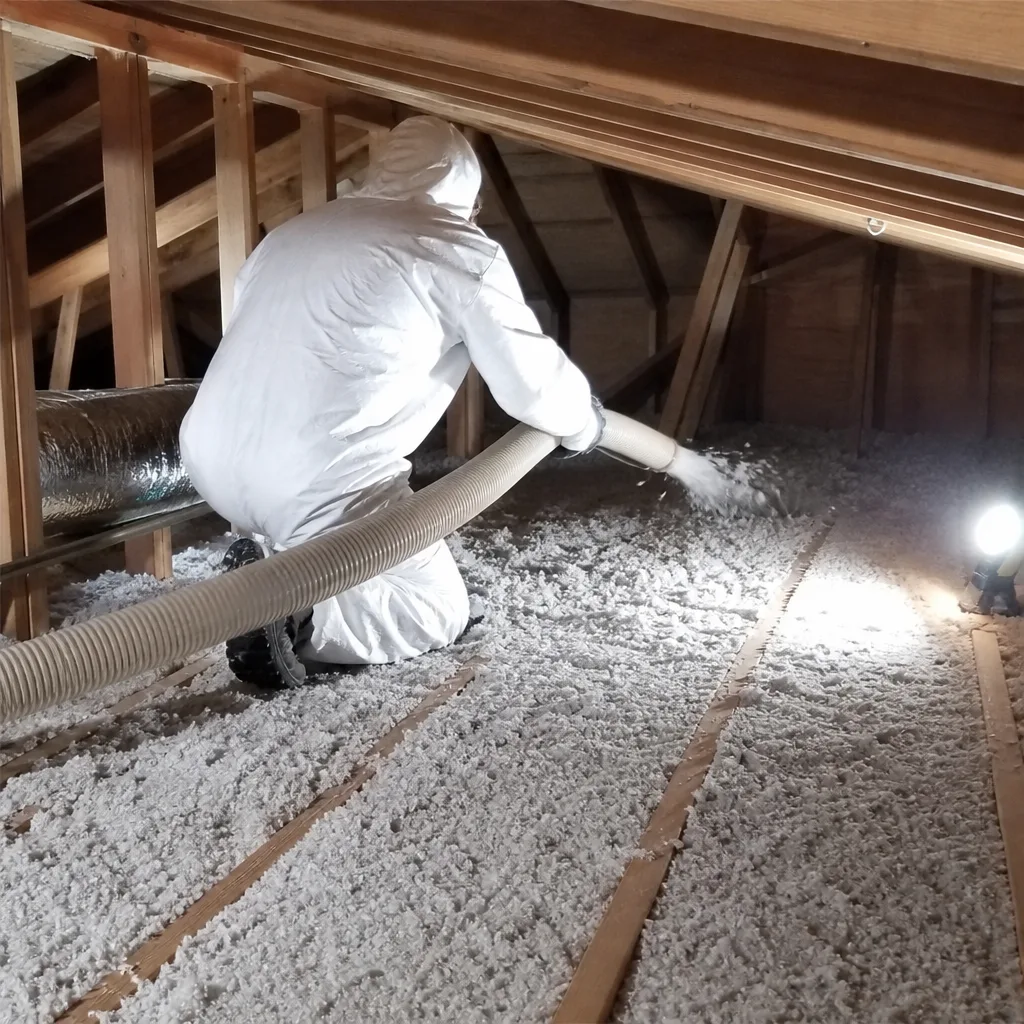
Attic insulation in Rolling Hills Estates usually costs between $1,800 and $6,400 depending on attic size, access, and whether we’re topping up old batts or pulling damp material and starting fresh. Most jobs on the Peninsula run higher than inland because attics here are tighter, often vaulted, and frequently need ventilation corrections before insulation goes in. We know 90505 well: the fog, the hillside lots, the mid-century framing. If your attic is damp, musty, or just can’t hold temperature, call (866) 271-1602 and we’ll send someone who actually understands coastal attics.
Why Fontana Insulation Is Rolling Hills Estates’s Preferred Attic Insulation Company
Most insulation contractors treat every attic the same: blow in fiberglass, invoice, leave. That approach fails on the Palos Verdes Peninsula. Rolling Hills Estates homes need a different kind of thinking because the marine layer changes what insulation is doing up there. We’re not trying to keep blast-furnace heat out the way an inland crew would. We’re managing moisture, condensation, and air movement in a space that’s cold and damp for much of the year.
Our Attic Insulation team includes installers who’ve worked on hillside custom homes, 1950s ranches, and newer stucco rebuilds across the Peninsula. Noel Arredondo leads the crew, and he’s the one you’ll talk to when you call. We stock fiberglass, mineral wool, spray foam, and cellulose, which means the recommendation you get is based on your attic’s moisture profile, not on whatever’s sitting in our warehouse. Homeowners in Rolling Hills Estates call us because their attic has a condensation problem that other contractors dismissed as “normal for an old house.” It isn’t normal. It’s fixable.
Attic Ventilation in Rolling Hills Estates
Attic ventilation in Rolling Hills Estates is about moving fog-saturated air out before it condenses on framing and insulation. On the Peninsula, a poorly vented attic doesn’t just get hot in summer. It gets wet in every other season. Cold marine air moves through soffit vents, hits the warmer attic space, and drops moisture onto whatever’s up there. That’s why we check ventilation before we quote insulation.
Fog-Choked Attic Correction
Many 1960s ranches along PV Drive East and PV Drive North have soffit vents that were adequate when the house was built but are now blocked by decades of dust, old insulation, or poorly placed baffles. We open those airways, install proper attic baffles, and verify airflow before adding new material. Without that step, new insulation becomes a sponge.
We were called to a hillside custom home off PV Drive East, a 1960s beam-and-vaulted-ceiling ranch with big sliding glass and wide overhangs. The owners had replaced every window but their worst rooms still ran humid and a north bedroom smelled of damp. Instead of just blowing fiberglass over the whole field, we mapped the ventilation and insulation detail along the roof assembly, pulled the soggy, sagging batts between the rafters, and reinstalled with an air-sealed and vented setup. The difference showed in a drier smelling house and a much lower latent load on their AC, which had been running all year to keep the humidity down.
Ventilation Before Insulation
A typical attic ventilation correction on a Rolling Hills Estates home runs $800 to $2,200, depending on whether we’re adding baffles, clearing blocked soffits, or cutting in new venting. If you skip this step and just blow in more insulation, you’ll have wet insulation within a year. We won’t do that to your house.
Radiant Barrier in Rolling Hills Estates
Radiant barrier in Rolling Hills Estates works differently than it does inland, and we’ll be honest about whether it’s worth it for your roof. A radiant barrier reflects radiant heat, which is what bakes an attic in places like Fontana or Torrance. On the foggy side of the Peninsula, your attic’s bigger problem is moisture, not radiant heat. That said, south-facing rooflines with direct sun exposure still gain meaningful heat, and a radiant barrier stapled to the rafters can cut that load.
When It Makes Sense on the Peninsula
Homes on exposed ridge lines or south-facing slopes in 90505 get more sun than homes tucked into the canyons. If your attic hits 130 degrees in summer despite the fog, a radiant barrier can help. A typical radiant barrier installation in Rolling Hills Estates runs $1,200 to $3,000 for an average attic. We’ll tell you if your roof orientation justifies it; we won’t sell it to a north-facing shaded house where it does almost nothing.
Radiant Barrier and Moisture Control
One caution specific to this climate: a radiant barrier must not be installed in a way that traps moisture against the roof deck. On the Peninsula, that’s a fast path to rot. We leave the proper air gap and ensure the attic’s vapor profile stays balanced. This is exactly the kind of detail that separates a coastal specialist from a crew that mostly works inland.
Trusted Brands We Service in Rolling Hills Estates
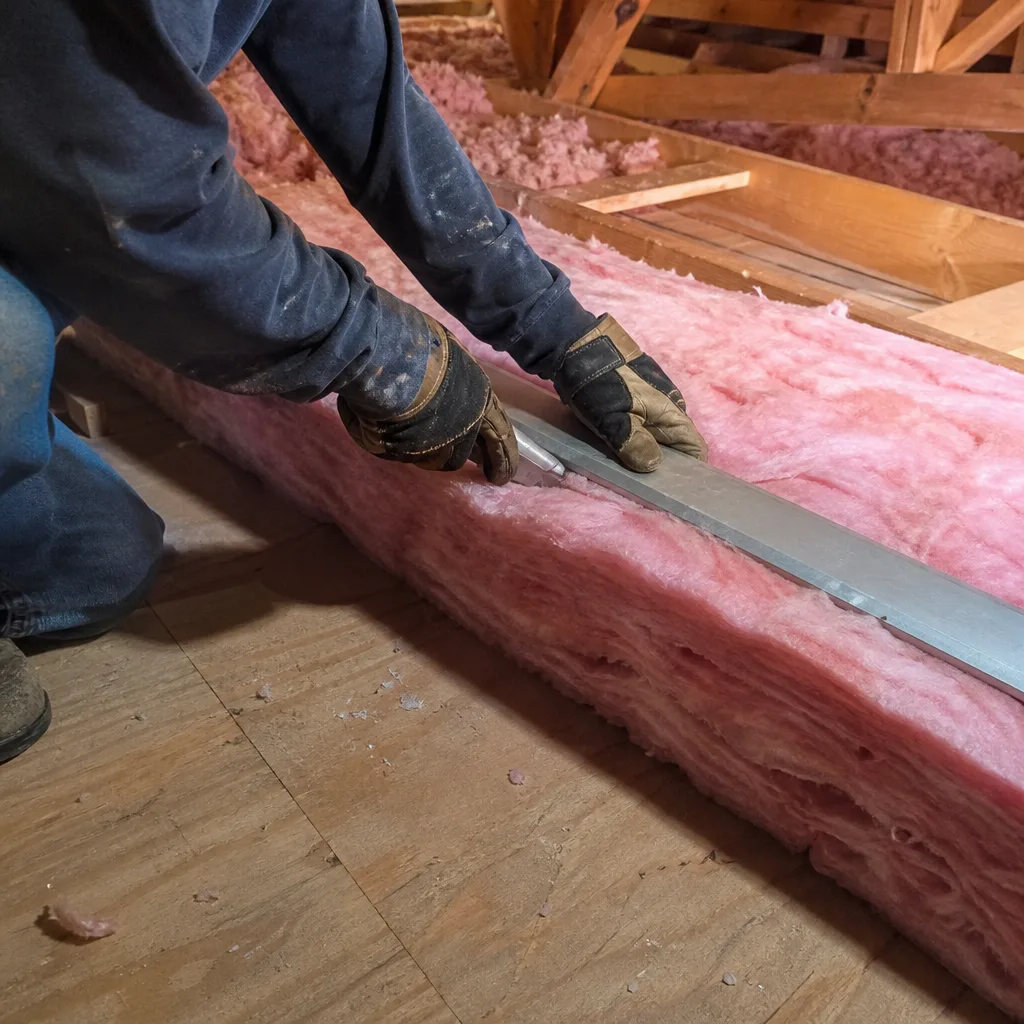
We carry Rockwool, CertainTeed, Knauf, and Icynene, among others, because each solves a different problem in a Rolling Hills Estates attic. Rockwool mineral wool handles moisture better than fiberglass and adds real fire resistance, which matters in older wood-framed homes on hillside lots. CertainTeed and Knauf fiberglass give us solid mid-tier options for standard attic fields. Icynene spray foam seals the air barrier in homes where recessed cans, chimney chases, and HVAC penetrations leak conditioned air into the attic. We keep a full inventory of accessories and parts for these systems, so we’re not waiting on a distributor when your project is mid-installation.
Common Attic Insulation Problems We See in Rolling Hills Estates Homes
- Soggy, sagging batts behind vaulted ceilings. The marine fog pushes moisture into north-facing roof planes, and old fiberglass batts between rafters absorb it until they slump and lose all R-value. We see this constantly in mid-century ranches with beam ceilings.
- Recessed lights and chimneys breaching the air barrier. A custom home’s recessed cans, chimney chase, and HVAC plenum penetrate the insulation plane, so cool saturated air moves into the attic even when the rest of the field looks well insulated. Air-sealing around these penetrations is often worth more than adding material.
- Rodent damage in canopy-adjacent bays. Raccoons and roof rats tunnel through soft batts in the fall, flattening the R-value to near zero in the exact spots where overhanging trees shade the roof and condensation is already worst.
- Stucco walls hiding damp framing. On hillside lots, marine fog and salt air push moisture into north-facing walls and crawlspaces. We routinely find damp or sagging insulation behind stucco that looks perfectly fine from the street.
Pricing for Attic Insulation in Rolling Hills Estates, CA
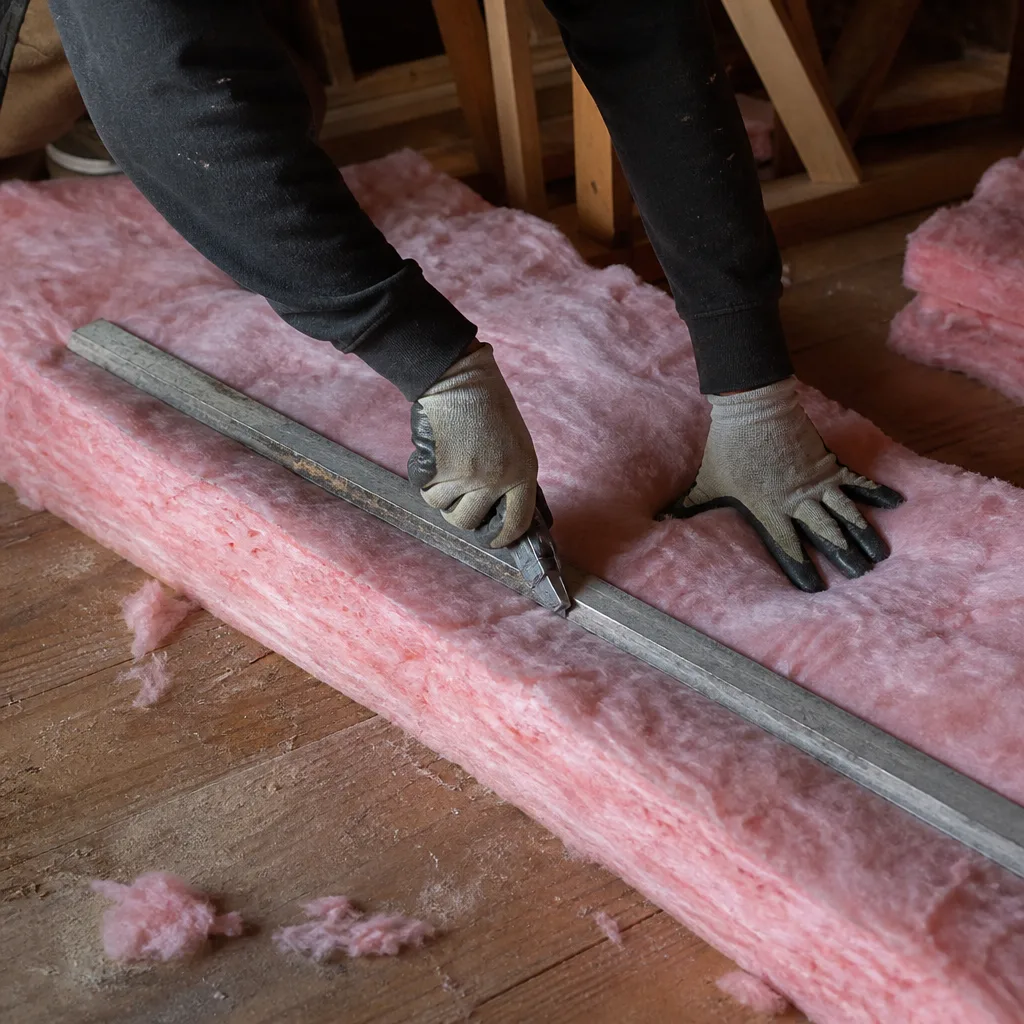
Here are the numbers, straight. A blown-in attic insulation job in Rolling Hills Estates typically runs $1,800 to $4,200 for a standard 1,500-square-foot attic. Attic batt insulation for the same footprint is $2,200 to $5,000, more if we’re pulling old damp material first. An attic insulation top-up on a home that already has some coverage runs $900 to $1,800. Full attic insulation replacement, including removing wet or rodent-damaged material, runs $3,000 to $6,400. Attic baffles and ventilation prep add $800 to $2,200 depending on attic configuration. These ranges reflect Peninsula labor rates and the tighter access we deal with on hillside lots. Call (866) 271-1602 for a quote based on your actual attic. Estimates are free and we won’t inflate the scope.
We Also Serve Cities Near Rolling Hills Estates
Our crew works across the South Bay and Peninsula. If you’re in Manhattan Beach, Torrance, Lomita, or Palos Verdes Estates, we handle attic insulation there too. The same coastal moisture logic applies, though each city has its own housing stock quirks. You can read more about our work in Rolling Hills Estates and the surrounding area before you call.
Serving Rolling Hills Estates, CA — Our Local Coverage Area
We’re based in the Rolling Hills Estates area and know this community well. Use the map below to see our service coverage — if you’re nearby, we can almost certainly help.
FAQs About Attic Insulation in Rolling Hills Estates
Yes, but only on exposed roof planes that get direct sun, like south-facing ridges. A radiant barrier reflects radiant heat, not moisture, so on a shaded north-facing roof it adds little. We’ll look at your roofline orientation and tell you honestly whether it’s worth the money. Call (866) 271-1602 and we’ll check it during a free attic walkthrough.
That’s condensation from the marine layer, and the recessed cans are almost certainly leaking air. Warm, moist indoor air moves through the can housings into the cold attic cavity, where it condenses on framing and insulation. The fix is air-sealing around every penetration and improving attic ventilation, not adding more insulation. We see this exact failure mode in Rolling Hills Estates weekly.
Yes. Most Peninsula homes have stucco exteriors, and on hillside lots the north-facing walls absorb fog moisture that works its way into the wall cavity and up toward the attic. A proper attic job here includes checking the wall-to-attic transition for damp insulation. Skipping that step means the new attic insulation starts out compromised.
We’d air-seal each can from the attic side, then work around the existing layout. In many Rolling Hills Estates homes, the recessed cans are part of the architectural design, so removing them isn’t an option. We seal them, verify clearance, and install insulation that doesn’t compress around the housings. It’s detailed work but it’s standard for us on vaulted Peninsula ceilings.
Not necessarily. Many of these homes were built between 1950 and 1980, when energy codes were minimal and nobody planned for today’s moisture conditions. Some attics have three inches of old fiberglass and no air sealing. High-end finishes don’t mean the thermal boundary is correct. We’ve opened attics in multimillion-dollar Rolling Hills Estates homes and found the same damp, compressed batts we’d see anywhere.
Call Fontana Insulation for Attic Insulation in Rolling Hills Estates
If your attic is damp, drafty, or just not working, we’ll diagnose it properly. Noel Arredondo and the Fontana Insulation crew know 90505 attics: the fog, the vaulted ceilings, the stucco, the rodents. We’ll give you straight answers on material choice and a quote that matches your roof, not a brochure. Call (866) 271-1602 for a free estimate.
Written by Noel Arredondo, Owner at Fontana Insulation, serving Rolling Hills Estates and the Palos Verdes Peninsula.