
Insulation Company in Morongo Valley, CA
Blown in insulation is the workhorse retrofit for Morongo Valley homes, because most of the housing stock here was never built to handle the wind that funnel through the San Gorgonio Pass. We spend our days crawling into attics where batts have been pushed into drifts against the windward wall, leaving the rest of the ceiling with almost nothing between living space and a 100-degree roof deck. Fontana Insulation has served Morongo Valley since 2011, and we carry eight brands across four material categories so the fix matches the house, not our inventory. Call (866) 271-1602 for a free estimate.
Why Morongo Valley Homes Are Different
Morongo Valley sits right at the windy western entrance to the Morongo Basin, around 2,500 to 3,000 feet, and that position changes everything about insulation work here. The gusts that blast through the pass don’t just chill the outside walls; they create positive pressure on one side of the house and negative on the other, which pulls heated or cooled air out through every gap in the envelope. In a tract home in Yucca Valley, a standard attic insulation job might be enough. In Morongo Valley, the same R-value won’t perform the same because the air moving through the assembly undermines it.
Much of the housing stock is rural, self-built, or mid-century desert cabin: wood-frame with stucco or board-and-batten siding, pier-and-beam floors, additions tacked on without permits. We regularly find walls with a single layer of fiberglass batt from the 1970s, compressed and sagging, or no wall insulation at all. That means the job is almost always retrofit work, not new-construction installation. The technician is matching new material to old framing, closing gaps that were never sealed, and working around wiring and duct runs that were never planned for insulation depth.
The daily temperature swing compounds it. Summer days push past 100 degrees, winter nights drop below freezing, and the near-constant wind works the whole time. Wind-driven dust and sand infiltrates through every crack, and we routinely find insulation batts compacted or blown into drifts against one wall of the attic, the windward side, rather than evenly distributed. That’s a Morongo Valley signature problem, and it’s why air-sealing matters as much as the insulation material itself.
Our Main Morongo Valley Services
Two services account for most of the calls we get from Morongo Valley homeowners: attic insulation and spray foam. Both solve the same core problem – wind-driven heat loss and air infiltration – but they go about it differently, and the right choice depends on the house.
Attic Insulation in Morongo Valley
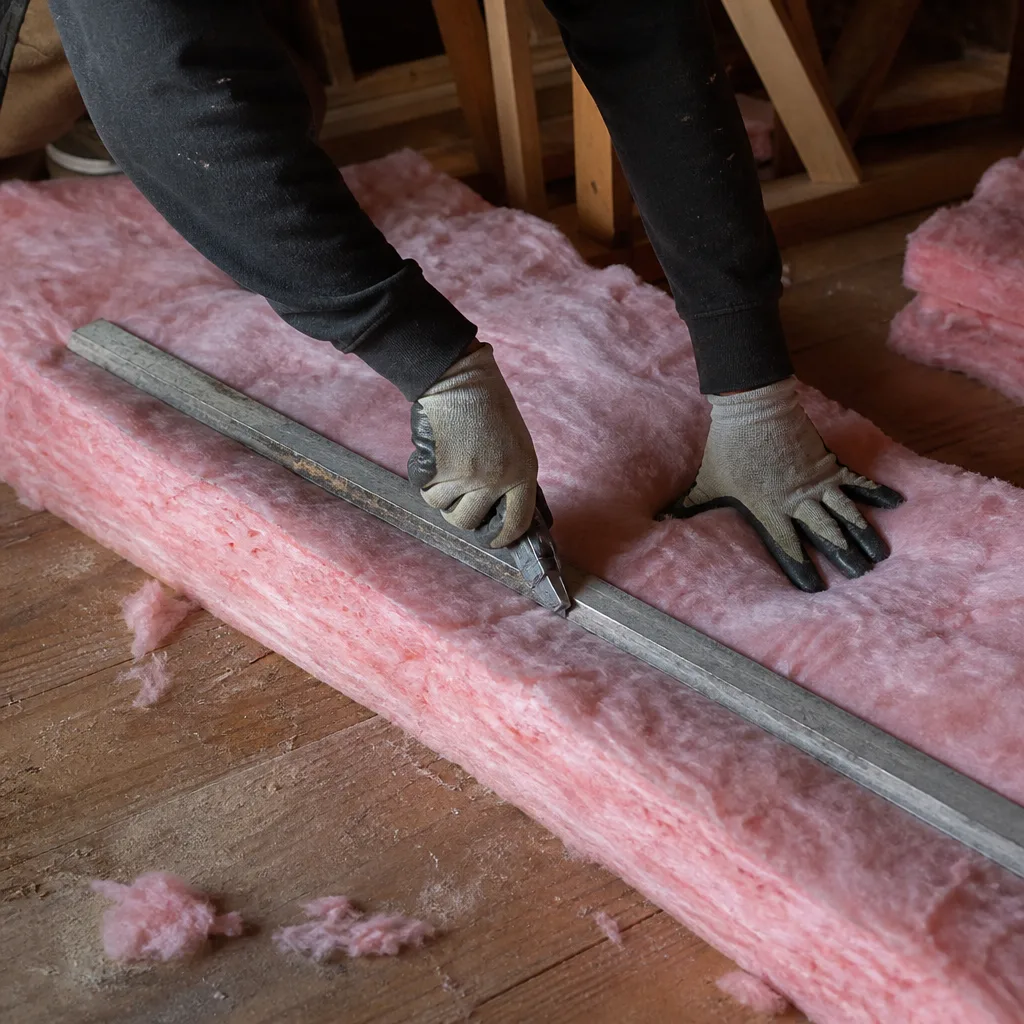
Most of the heat that a Morongo Valley home gains or loses moves through the attic, and in these older cabins the attic is often the easiest place to make a big improvement. We assess what’s already up there, which is usually too little or the wrong shape after years of wind and settling. Then we recommend either new blown-in material or batts depending on the framing and access. In homes with pier-and-beam construction, the floor matters too, and the same wind that ruins attic insulation also chills the subfloor in winter. Read more about how we approach Attic Insulation in Morongo Valley.
Spray Foam Insulation in Morongo Valley
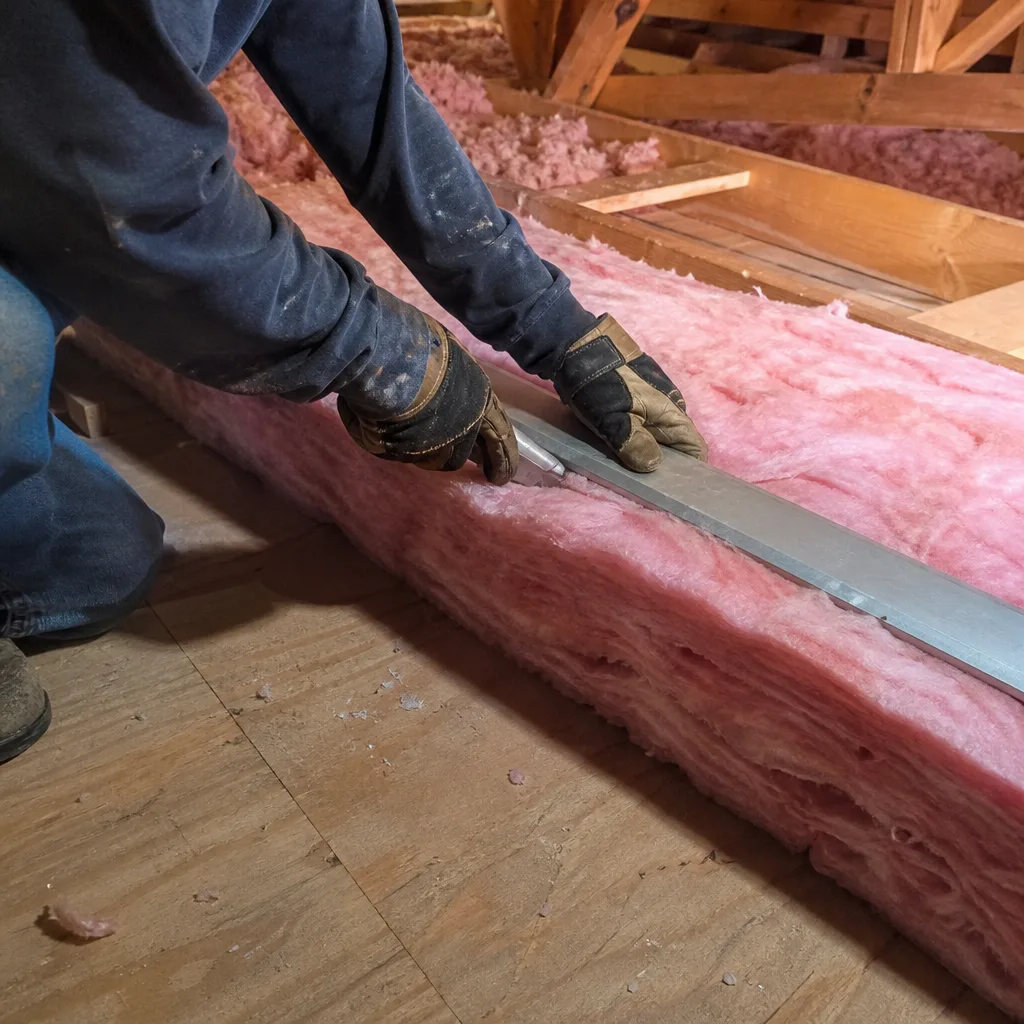
When a Morongo Valley home has gaps that batts or blown-in material simply can’t seal, spray foam becomes the right tool. Open-cell foam slows air movement through an attic or wall cavity; closed-cell adds a moisture and air barrier in one pass. That matters on the windward side of the house, where the gusts press air through cracks around windows, electrical penetrations, and top plates. In a board-and-batten cabin, spray foam can seal the envelope in a way that blanket materials never will. See how Spray Foam Insulation in Morongo Valley works for these older, wind-exposed structures.
What happens when you call
- 1
A real person answersNo phone trees — you reach a local pro.
- 2
You get an upfront price rangeHonest numbers before anyone is dispatched.
- 3
A background-checked tech heads outLicensed & insured, dispatched right away.
- 4
You approve before work beginsNothing starts until you say go.
Blown In Insulation in Morongo Valley
Blown in insulation is the most common retrofit we install in Morongo Valley because it conforms to the irregular framing, shallow cavities, and awkward access points that define this housing stock. In a mid-century desert cabin with a low-pitch roof and no attic floor, loose-fill material settles evenly into the space without the gaps and compression that plague batt insulation. It’s also our fastest path to correcting the wind-drift problem: we can blow a consistent depth across the entire attic floor, including the windward side where the old material has piled up against the gable.
The material we choose depends on the house. Blown-in fiberglass from Johns Manville or Knauf holds its loft well in dry desert conditions and resists settling. Cellulose from GreenFiber adds density and reduces air movement through the insulation itself, which helps when the pass winds are pushing through the attic. For the full breakdown of options and pricing, see our main Blown In Insulation page.
Cellulose Insulation
Signs you need it
Your energy bills spike during windy weeks, and you feel cold drafts from the ceiling in winter even though the thermostat says the room is warm.
What it costs in Morongo Valley
Blown-in cellulose in Morongo Valley typically runs $1,500 to $3,000 for a full attic depending on depth and square footage.
How we do it
We seal the major air leaks first, then blow dense-pack cellulose into walls or loose-fill into the attic floor to a consistent R-value target.
Blown In Attic Insulation
Signs you need it
Your attic has old, thin fiberglass batts or visible drifts of material pushed against one wall, and upstairs rooms are hot in summer and cold in winter.
What it costs in Morongo Valley
Blown-in attic insulation in Morongo Valley runs $1,200 to $2,800 for the typical 1,000 to 1,800 square foot cabin or ranch home.
How we do it
We remove or level the existing material where needed, air-seal the bypasses, then blow a uniform layer across the entire attic floor using the hose access that these older homes allow.
Blown In Fiberglass Insulation
Signs you need it
You have an open attic with good access and want a material that won’t settle as much as cellulose over the years, especially in the dry Morongo Valley climate.
What it costs in Morongo Valley
Blown-in fiberglass in Morongo Valley typically ranges from $1,200 to $2,600 depending on the target depth, with most jobs landing near the middle.
How we do it
We run a hose to the attic, set the depth markers, and blow the fiberglass loose-fill to the specified R-value, working from the far end back toward the access.
What Blown In Insulation Costs in Morongo Valley
| Item | Typical range in Morongo Valley |
|---|---|
| Blown-in fiberglass attic (1,000 – 1,500 sq ft) | $1,200 – $2,600 |
| Blown-in cellulose attic (1,000 – 1,500 sq ft) | $1,500 – $3,000 |
| Dense-pack cellulose walls | $2,000 – $4,500 |
How long does blown in insulation last in Morongo Valley?
Fiberglass loose-fill lasts decades if it stays dry, which Morongo Valley’s arid climate favors. Cellulose settles slightly in the first year, so we factor that into the initial depth. Wind-driven dust can accumulate on the surface, but that doesn’t reduce the thermal performance. Call (866) 271-1602 to get a specific recommendation for your house.
Is blown in insulation better than batts for older Morongo Valley homes?
For most retrofits here, yes. Batts leave gaps around framing, wiring, and cross-bracing that the wind exploits, while blown-in material fills the entire cavity. In pier-and-beam and board-and-batten construction, that gap-free coverage matters more than a marginal R-value difference. We’ll tell you if batts make sense, but in Morongo Valley it’s usually blown-in.
Brands We Service in Morongo Valley
We carry Johns Manville and Knauf blown-in fiberglass, CertainTeed batts, and Rockwool mineral wool, along with four more brands across spray foam and cellulose categories. Parts come from our Fontana warehouse, and most Morongo Valley jobs are scheduled within a week. See our brands for the full lineup and why each one earns its place.
Pricing for Insulation Company in Morongo Valley, CA
| Service | Typical range in Morongo Valley |
|---|---|
| Blown-in fiberglass attic | $1,200 – $2,600 |
| Blown-in cellulose attic | $1,500 – $3,000 |
| Dense-pack cellulose walls | $2,000 – $4,500 |
| Blown-in attic insulation (basic retrofit) | $1,200 – $2,800 |
| Attic air-sealing plus blown-in insulation | $1,800 – $3,800 |
| Spray foam, open-cell (full attic) | $4,000 – $8,000 |
| Spray foam, closed-cell (full attic) | $6,000 – $12,000 |
| Mineral wool batt installation (walls or attic) | $2,500 – $6,000 |
Wind-driven air infiltration is the biggest price variable in Morongo Valley. Homes on the open side of the valley, facing the pass, often need more air-sealing work before we install the insulation, and that adds labor. Additions done without permits also tend to have surprises behind the walls. We quote the job up front and the price doesn’t change once we start.
Neighborhoods We Serve in Morongo Valley
Morongo Valley is a small, spread-out town, and we work the full 92256 zip code from the Highway 62 corridor up into the hills and along the side roads where the cabins sit on larger lots. Our crews are in the area regularly, and most jobs get scheduled within a few days of the initial assessment.
- Downtown Morongo Valley along Highway 62
- The hillside roads east of the pass
- Residential parcels south toward Big Morongo Canyon
- Rural acreage off the main highway
Service Area – Cities Near Morongo Valley
Fontana Insulation also serves the surrounding Morongo Basin communities, where the housing stock and wind conditions are similar. If you’re in Desert Edge, CA, Garnet, CA, or Desert Hot Springs, CA, we handle the same retrofit challenges: under-insulated attics, wind-driven infiltration, and older framing. Homeowners in Yucca Valley, CA call us for the same reason: the need for a material-agnostic specialist who will match the product to the house.
Serving Morongo Valley, CA — Our Local Coverage Area
We’re based in the Morongo Valley area and know this community well. Use the map below to see our service coverage — if you’re nearby, we can almost certainly help.
FAQs About Insulation Company in Morongo Valley
Yes, and those are most of the homes we see. Self-built and mid-century cabins often have non-standard framing, unpermitted additions, and little to no existing insulation. We adapt the installation to the framing we find rather than forcing a new-construction approach. It’s slower work, but it’s the only way to get a real thermal boundary in these structures. Call (866) 271-1602 to schedule an assessment.
In most cases, adding or replacing insulation does not require a permit in San Bernardino County, which covers Morongo Valley. The exception is when the work is part of a larger remodel or addition that already has a permit open. We can tell you during the estimate whether your project falls under a permit scenario, but for a straight retrofit the answer is usually no.
We schedule Morongo Valley estimates throughout the week, and because our crews are based in Fontana and regularly working in the Morongo Basin, we can usually get someone to your property within a few business days. If you have a specific time constraint, mention it when you call (866) 271-1602 and we’ll work around it.
What happens when you call
- 1A real person answersNo phone trees — talk to a local insulation pro.
- 2You get an upfront price rangeHonest numbers before anyone is dispatched. No surprises.
- 3A background-checked tech heads outLicensed & insured, typically within 1-hour.
- 4You approve before work beginsNothing starts until you say go.
What Morongo Valley Customers Say
"Installed baffles at the soffits so the new insulation didn't block the ventilation, which the previous contractor apparently never considered."
— Michelle Bennett"Attic was at maybe R-11 from the 1970s and blown in over the top would have just buried the problem. They removed the old material, air sealed the top plates and penetrations first, then blew in to R-49. The upstairs is a completely different house in August."
— Sarah Fletcher"Work is good and the house is noticeably more comfortable. There was insulation debris left in the hall closet under the attic access that I had to clean up."
— Holly Mercer