
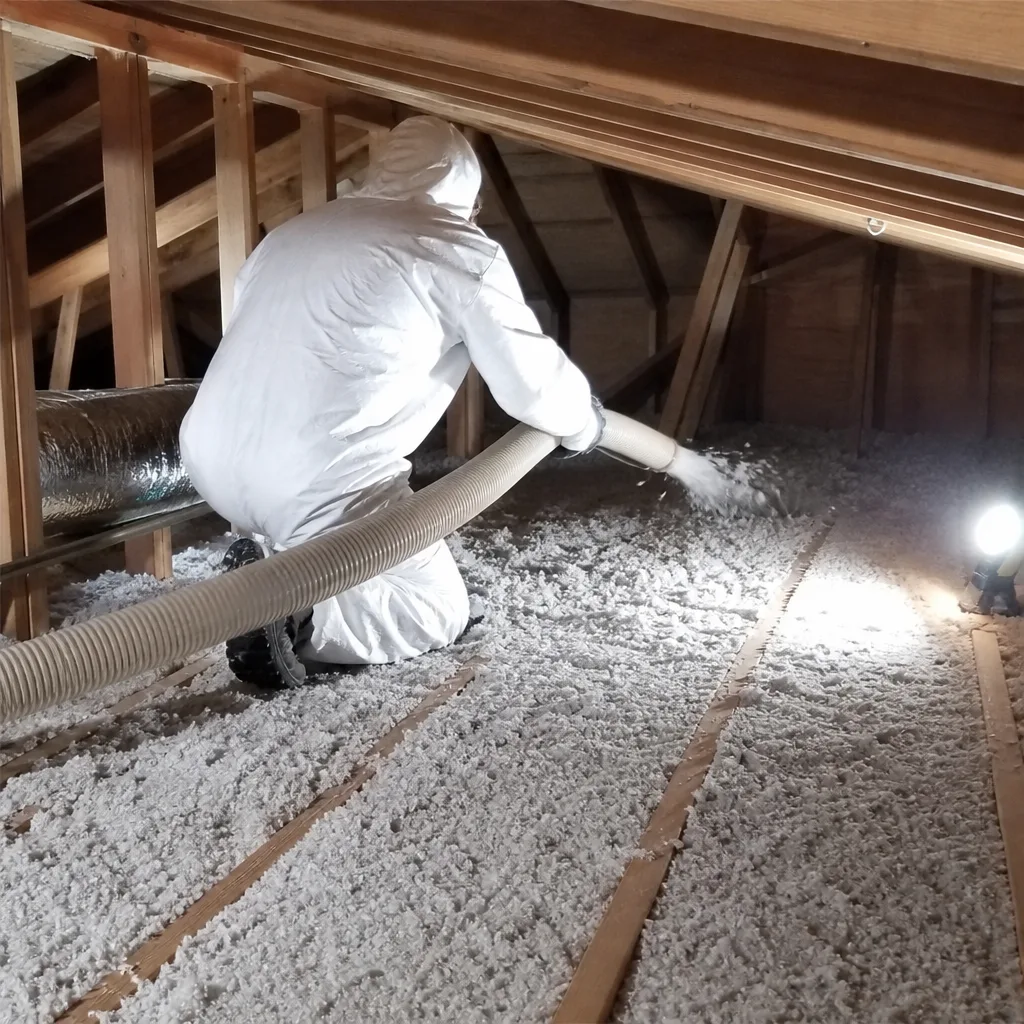
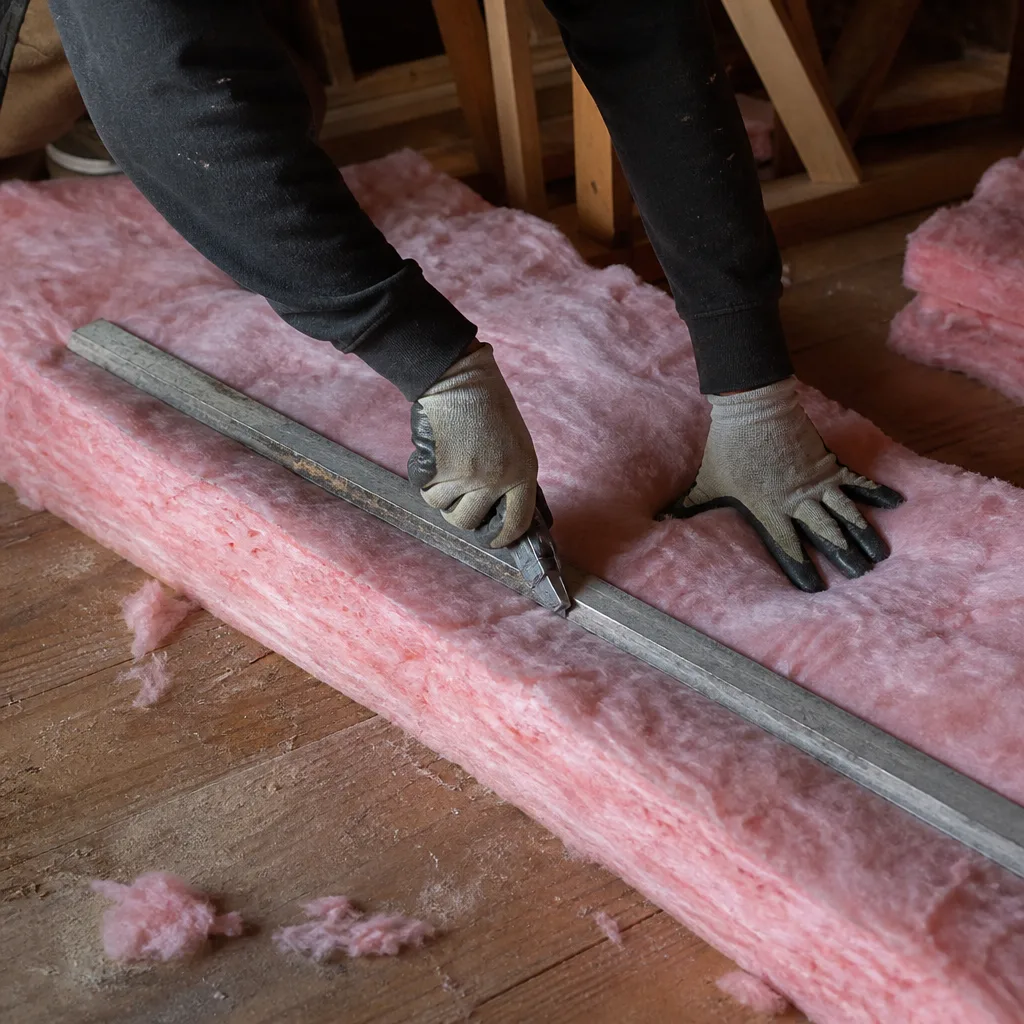
Fast, Reliable Attic Insulation Across Topanga
Attic insulation in Topanga usually costs between $1,800 and $4,200 for a typical canyon home, with the final number driven by attic size, access difficulty, and whether we’re removing old contaminated material first. Most Topanga jobs take one to two days once we’re on site. Call (866) 271-1602 for a free estimate and we’ll give you a straight answer on what your attic actually needs.
We know Topanga’s attics aren’t the neat, uniform spaces you find in tract housing down in the Valley. They’re hand-framed, steep-pitched, often unvented, and frequently full of surprises left behind by previous owners or original builders. That’s the work we’re built for. Fontana Insulation carries eight brands across four material categories, so when we tell you Rockwool beats fiberglass for your specific canyon exposure, it’s because we’ve compared both against what your attic actually does in a Santa Ana wind event.
Why Fontana Insulation Is Topanga’s Preferred Attic Insulation Company
We’ve worked enough attics off Topanga Canyon Boulevard, Old Topanga Canyon Road, and up near the state park to know that no two of them are alike. Owner-built redwood and cedar homes, additions with mismatched framing, unvented attics that bake all summer and chill through winter cold snaps. Standard insulation specs don’t always survive contact with a Topanga attic.
Noel Arredondo leads our crews, and he’s spent years matching materials to the way homes actually behave in this canyon climate. That means we don’t show up with one product and try to make it fit. We show up with eight brands, including Rockwool mineral wool for fire resistance and Johns Manville fiberglass for straightforward batt work, and we pick based on what your attic needs.
We’re one call away for all of Topanga, 90290. Estimates are free, we don’t subcontract, and our installers handle everything from the initial inspection to the final air-seal. When a customer near Saddle Peak needs an attic done before the next heat wave, we get it scheduled without making them chase three different crews.
Attic Ventilation in Topanga
Attic ventilation in Topanga is a fire-season survival detail as much as a comfort upgrade. Ember-resistant venting, properly screened soffit and gable openings, and balanced intake-exhaust airflow keep your attic from becoming a chimney during a wildfire event while also cutting the heat load that cooks your living space all summer.
Most Topanga attic ventilation jobs run between $400 and $1,200 depending on how many vents need retrofitting and whether we’re correcting an older unvented assembly. For homes under the wildland-urban interface code, we size venting to the specific roof geometry rather than dropping in whatever fits the existing openings.
Ember-Resistant Vent Retrofit
Older canyon homes frequently have unscreened gable vents and soffit openings that pull embers, rodents, and airborne debris straight into the attic. We replace these with code-compliant ember-resistant vents and seal the surrounding penetrations. This is the single highest-value attic upgrade we recommend for Topanga homes on steeper lots or closer to the ridgeline.
Balancing Airflow in Irregular Attics
Hand-framed attics with non-standard rafter spacing often have dead zones where air never moves. We map the existing intake and exhaust before adding anything, then place vents where the geometry actually supports flow. An attic that breathes correctly lasts longer and keeps insulation performing at its rated R-value.
Radiant Barrier in Topanga
Radiant barrier in Topanga targets the specific problem of canyon sun loading: roofs that absorb heat all day and radiate it into the attic long after sunset. A radiant barrier stapled to the underside of the roof deck reflects that heat before it reaches your insulation and living space.
Radiant barrier installation in Topanga typically runs $1,500 to $3,800 depending on roof square footage and attic access. It pays off most in homes where the attic dominates the building envelope and summer cooling bills spike between July and October.
Why It Works With Canyon Exposure
Topanga’s elevation and tree cover don’t reduce solar gain the way people expect. A west-facing roof with no shade can push attic temperatures past 140°F in August. Radiant barrier cuts that load at the source, before heat ever reaches the insulation layer.
Pairing Radiant Barrier With Insulation
Radiant barrier isn’t a replacement for insulation; it’s a complement. We typically pair it with blown-in fiberglass or cellulose on the attic floor for Topanga homes that run hot even after dark. The combination addresses both radiant and conductive heat transfer.
Trusted Brands We Service in Topanga
We stock Rockwool for its fire resistance and sound dampening, which matters when your neighbor is fifty feet up the slope and your attic faces the prevailing wind. We carry CertainTeed and Knauf fiberglass for budget-conscious batt and blown-in work, and GreenFiber cellulose for homeowners who want recycled-content material. Our installers know these products inside out, so the brand conversation starts with what your attic actually demands, not what’s sitting in a warehouse. We keep common materials staged for quick deployment to Topanga, so we’re not adding weeks of lead time to a two-day job.
Common Attic Insulation Problems We See in Topanga Homes
- Rodent and termite damage. Homes near Topanga Creek and the state park see seasonal rodent pressure, and we regularly pull pest-chewed, contaminated batts out of attics. The fix always starts with removing the ruined material and sealing the wall and roof penetrations that let them in.
- Ember intrusion through unvented or unscreened openings. Older soffit and gable vents on wildland-interface homes are essentially open invitations during fire season. We replace them with ember-resistant assemblies sized to the roofline.
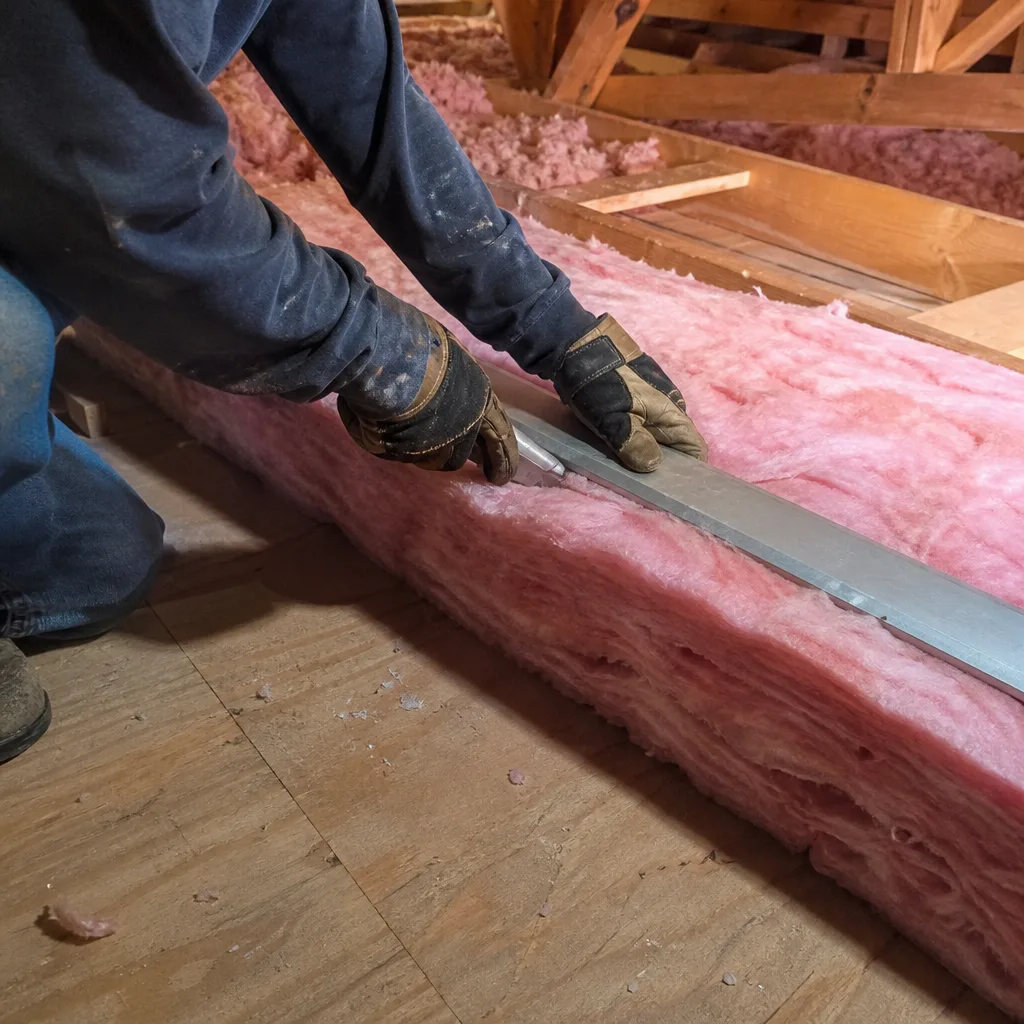
- Irregular cavities from owner-built additions. Hand-framed rooms and previous DIY work leave gaps that standard batt sizes never cover. We custom-cut and air-seal each cavity rather than forcing material where it doesn’t belong.
- Boarded-over or collapsed older insulation. Canyon homes accumulate layers of half-finished attic work. We pull what’s underperforming, assess what’s still viable, and build a thermal boundary that actually works as one system.
Pricing for Attic Insulation in Topanga, CA
Here’s what we quote for Topanga attics. Blown-in attic insulation runs $1,600 to $3,400 for a typical 1,200 to 1,800 square foot attic. Batt insulation comes in between $1,200 and $2,800, depending on whether we’re working with standard or irregular cavities. Attic insulation top-up for homes that just need more R-value runs $800 to $1,900. Full attic insulation replacement with old material removal starts around $2,200 and can reach $5,500 when we’re dealing with pest contamination, non-standard framing, and access challenges on steep lots. Radiant barrier adds $1,500 to $3,800 depending on roof size. Attic ventilation retrofits run $400 to $1,200. These numbers assume standard Topanga access; homes off narrow canyon roads or with difficult attic entry may add time.
Call (866) 271-1602 for a free estimate and we’ll walk the attic with you. No brand loyalty, just the best fit for your home’s specific situation.
We Also Serve Cities Near Topanga
Beyond Topanga, our crews handle Attic Insulation work across Encino, Santa Monica, Northridge, and Sherman Oaks. If you’re in one of those areas or anywhere else in the Santa Monica Mountains corridor, call (866) 271-1602 and we’ll let you know when we can get a crew out. This page covers Attic Insulation in Topanga specifically, but our team moves throughout the region weekly.
Serving Topanga, CA — Our Local Coverage Area
We’re based in the Topanga area and know this community well. Use the map below to see our service coverage — if you’re nearby, we can almost certainly help.
FAQs About Attic Insulation in Topanga
Yes, for many Topanga homes it should be. That’s why we stock Rockwool mineral wool, which is non-combustible and holds its R-value under fire exposure far better than fiberglass or cellulose. But fire resistance isn’t just about the insulation itself. Ember-resistant venting and sealing the gaps where embers enter matter as much as the material you choose. Call (866) 271-1602 and we’ll assess what your specific roofline and exposure actually require.
Because canyon homes near Topanga Creek and the state park get rodent and termite pressure that ruins batts fast. Contaminated insulation loses its thermal performance and spreads allergens through the home. We pull the ruined material, seal the entry points, and install fresh insulation that fits the cavities correctly. If your attic smells musty or you’ve seen droppings near the eaves, call us at (866) 271-1602 before the problem spreads.
Yes. Irregular, hand-framed cavities are the norm in Topanga, not the exception. We custom-cut batts, use blown-in material where it fills odd spaces better, and air-seal each bay individually rather than forcing standard sizing. If your attic has exposed beams, mismatched rafter spacing, or a previous addition with awkward framing, that’s exactly the work we do. Call (866) 271-1602 for a free attic assessment.
Insulation slows heat transfer through the attic floor into your living space. Ventilation moves air through the attic itself, keeping temperatures down and moisture out. In Topanga’s wildfire interface, ventilation also determines whether your attic pulls embers in during a fire event. You need both working together: ventilation that’s ember-resistant and sized correctly, plus insulation that performs in the actual thermal conditions of your canyon home. Our team handles both under one roof. Call (866) 271-1602 for a full attic evaluation.
We do. Radiant barrier installation in Topanga runs $1,500 to $3,800 and directly targets the solar gain that bakes unshaded canyon roofs from June through October. It works best paired with proper attic insulation and ventilation, not as a standalone fix. Call (866) 271-1602 and we’ll tell you honestly whether a radiant barrier makes sense for your roofline or whether your money is better spent elsewhere.
Written by Noel Arredondo, Owner at Fontana Insulation, serving Topanga and the Santa Monica Mountains canyon communities.