
Fast, Reliable Attic Insulation Across Palm Springs
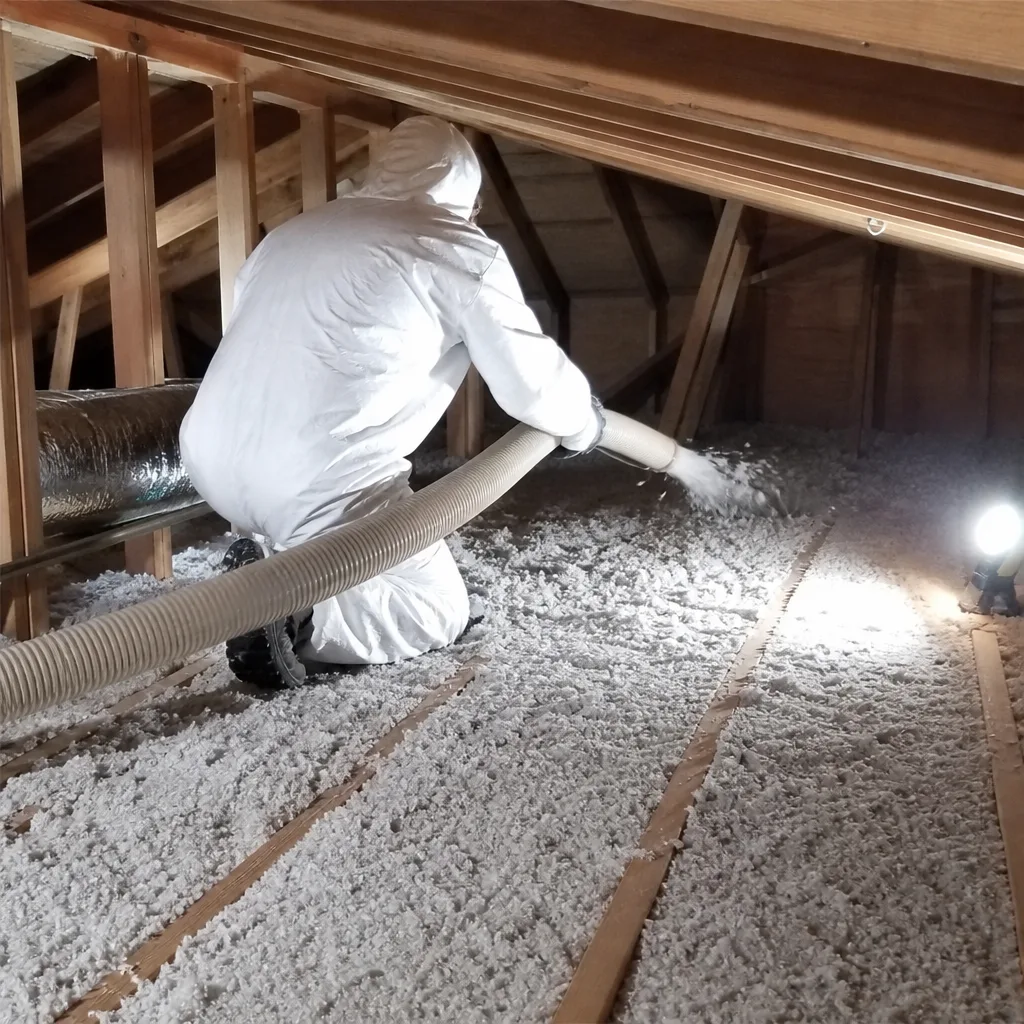
Attic insulation in Palm Springs usually means retrofitting homes that were never designed for real insulation. Most houses here were built between 1940 and 1975, when energy was cheap and nobody thought about 110°F summers. Our crews work in Palm Springs every week, know the mid-century stock block by block, and can usually get to your property within a day or two of your call. If your August electric bill makes you wince, call (866) 271-1602. We’ll tell you honestly what your roof assembly can and can’t take.
Why Fontana Insulation Is Palm Springs’s Preferred Attic Insulation Company
We’re insulation specialists, not general contractors who also do insulation on the side. That distinction matters in Palm Springs because the housing stock here is unusual. The standard playbook – blow fiberglass over a flat ceiling – doesn’t work in a 1958 post-and-beam ranch with no attic cavity. Our crews see that scenario weekly in neighborhoods like Sunmor, Tahquitz River Estates, and the blocks around Ruth Hardy Park. Noel Arredondo runs our team, and he’s spent years matching insulation methods to the actual structure of a home rather than forcing one product onto every job.
Palm Springs homeowners tell us the same thing: another company quoted one material and never mentioned alternatives. That doesn’t happen with us. We carry eight brands across fiberglass, mineral wool, spray foam, and cellulose, so the conversation starts with what your roof and walls actually need. A flat-roofed condo near 92262 needs a different approach than a slope-roofed ranch off Gene Autry Trail, and we’ll walk you through both options before you pay a cent.
Attic Ventilation in Palm Springs
Attic Ventilation in Palm Springs is a make-or-break detail on flat and low-slope roofs, where there’s often no ridge vent and no soffit to move air the way a conventional truss attic would. Without airflow, a Palm Springs roof cavity can hit 140°F or more by mid-afternoon, and that heat soaks straight down into the living space no matter what R-value was installed. Our teams assess roof geometry, existing vent locations, and whether baffles can be retrofitted without compromising the roofline typical of mid-century modern homes.
In Palm Springs, a basic attic ventilation retrofit – adding intake and exhaust vents where the roof assembly allows – typically runs $600 to $1,800. On a flat roof with no cavity, the job changes: you’re often adding a sealed reflective assembly or closed-cell foam rather than chasing airflow that has nowhere to go. We’ll tell you which path your roof can support.
Baffle Retrofit Work in Mid-Century Roofs
Many Palm Springs homes have shallow rafter bays that clog easily with blown insulation, starving whatever soffit venting exists. We install baffles to hold the air channel open before any blow-in or batt work happens. This is routine for us on ranch-style homes in the 92262 and 92264 ZIP codes, where original venting is often minimal.
Flat Roof Cavity Venting
A flat roof over a 1960s condo or duplex in Rancho Mirage or south Palm Springs won’t behave like a truss attic. If there’s no cavity to vent, we don’t fake it with cosmetic vents that do nothing. We explain why a sealed assembly with spray foam or rigid roof-deck foam is the honest fix, and quote that work directly.
Radiant Barrier in Palm Springs
Radiant Barrier in Palm Springs addresses the core problem: the sun beats down on your roof for 12 hours a day, and radiant heat transfer bypasses insulation entirely. A radiant barrier reflects radiant heat away from the living space before it turns your ceiling into a radiator. In the Coachella Valley, with summer highs routinely above 110°F, this is often the single highest-leverage upgrade you can make on a roof that already has some insulation.
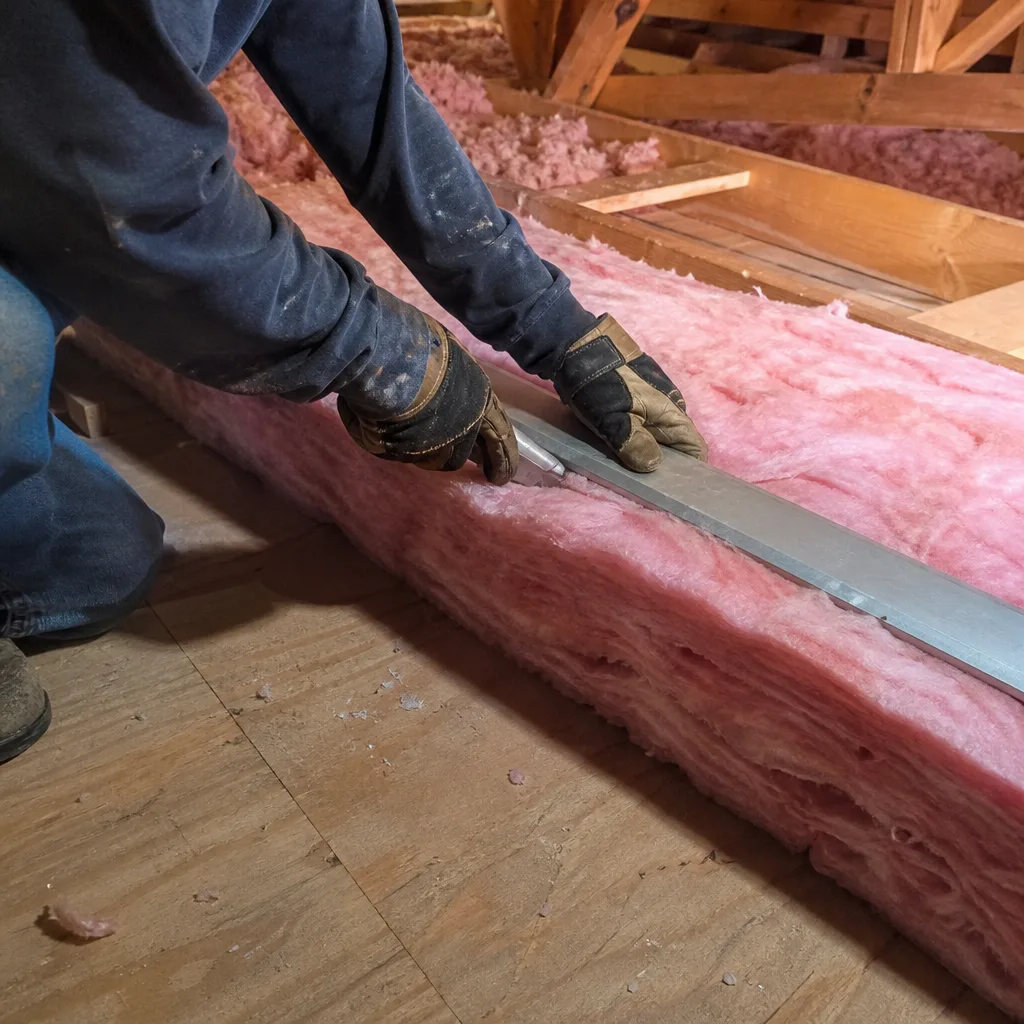
Radiant barrier installation under a roof deck in Palm Springs typically runs $1.50 to $3.50 per square foot, depending on whether it’s installed during new sheathing, stapled to rafters in an accessible attic, or combined with foam in a no-attic retrofit. It’s not a replacement for insulation; it works alongside it. We often pair a radiant barrier with closed-cell Icynene on the deck underside for mid-century homes where there’s no cavity to fill. The combination attacks both radiant and conductive heat gain – which is exactly what a west-facing flat roof in 92292 needs.
Deck-Underside Radiant Barrier for Post-and-Beam Ceilings
For exposed-beam ceilings, the radiant barrier goes directly under the roof deck, behind whatever finish or insulation gets added. This is the only way to reflect heat in a home with no attic. We’ve done this on dozens of post-and-beam houses and the before-and-after difference in afternoon ceiling temperature is substantial.
Radiant Barrier Plus Spray Foam Combo
Closed-cell spray foam and a radiant barrier solve different parts of the same problem. The foam stops conductive and convective heat; the barrier stops radiant. On a Palm Springs roof with full sun exposure, we often recommend both. The cost is higher than a single method, but the roof assembly is doing two jobs at once.
Trusted Brands We Service in Palm Springs
No brand loyalty here – just the best fit for your attic. We install CertainTeed and Knauf fiberglass where a conventional attic cavity exists and you want a proven, warrantied batt or blow-in job. We carry Rockwool mineral wool for Palm Springs homeowners who want fire resistance and better sound dampening, especially near busy corridors like East Palm Canyon. And for no-attic mid-century homes, we spray Icynene closed-cell foam directly to the roof deck. Because we stock all of them, our Palm Springs crews don’t push one product – they match the material to the roof assembly you actually have.
Common Attic Insulation Problems We See in Palm Springs Homes
- The missing attic. A huge share of Palm Springs mid-century homes have exposed post-and-beam ceilings with a flat roof directly above. There’s no cavity to blow insulation into, so standard fiberglass batts or GreenFiber blow-in get compressed against the roof deck and do almost nothing. The fix is roof-deck foam or closed-cell spray applied from below.
- The oven roof cavity. On flat or low-slope roofs with no ridge or soffit venting, the space above the ceiling heats to 130°F+ by afternoon. Whatever insulation was installed gets heat-soaked and radiates into the house all evening. Ventilation or a sealed foam assembly is the answer.
- The west-facing block wall. Original mid-century architects never called for interior insulation on concrete-block walls. Those west walls absorb sun all afternoon and keep radiating heat into the living space long after sunset, regardless of what’s above the ceiling.
- The vacation-rental bill. Palm Springs has thousands of vacation rentals and seasonal homes. Owners who only see the property a few times a year judge insulation by one number: the August cooling bill. When that number spikes, the roof assembly is usually the culprit.
Pricing for Attic Insulation in Palm Springs, CA
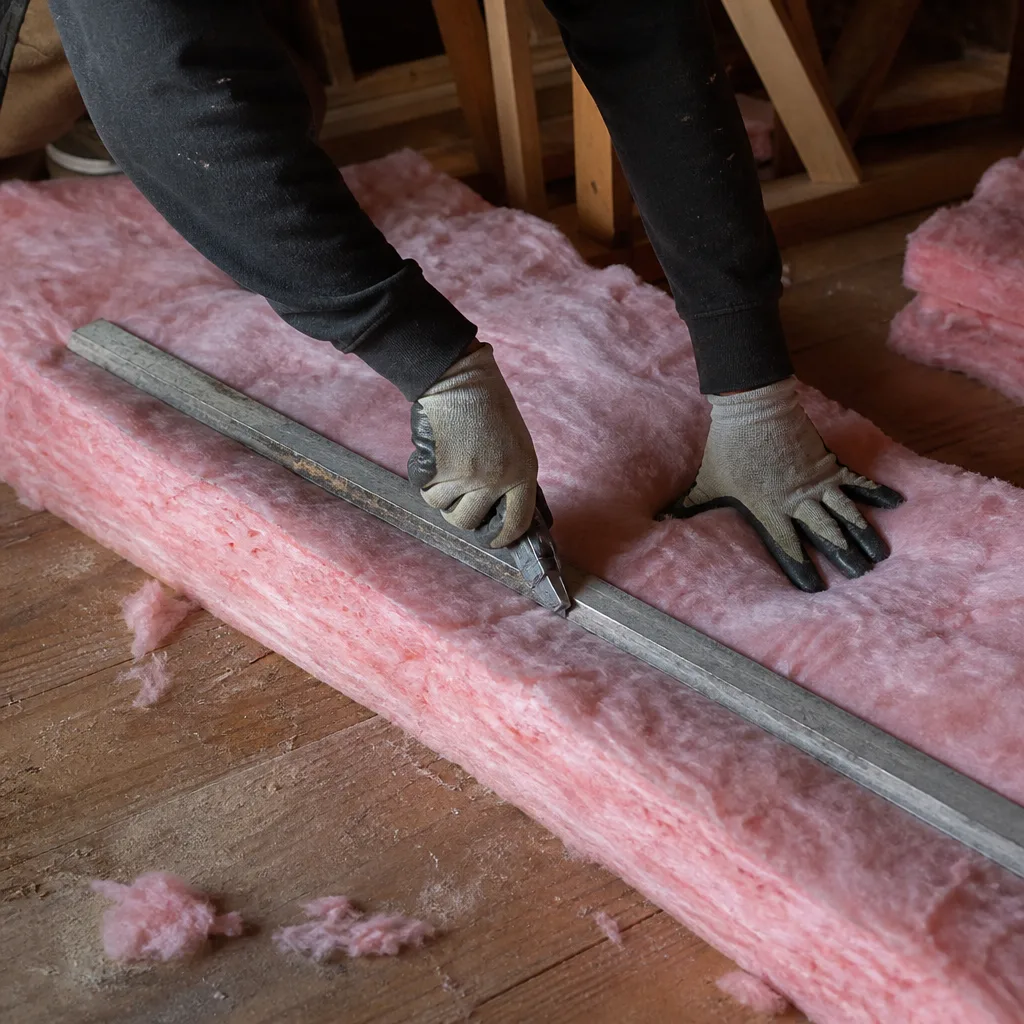
Here’s what we typically quote in Palm Springs. Blown-in fiberglass for a conventional attic runs $1,600 to $4,200 depending on attic size and depth target. Batt insulation in an accessible attic runs $1,800 to $4,800. A top-up over existing insulation is $900 to $2,200. Closed-cell spray foam on a no-attic roof deck runs $4,500 to $11,000 because the material cost per square foot is higher and the prep work is significant. Radiant barrier alone runs $1,500 to $4,000 on an accessible roof deck. Your exact number depends on square footage, access, and what’s already up there. Call (866) 271-1602 for a free site estimate – we’ll give you the real number before any work starts.
We Also Serve Cities Near Palm Springs
Our Attic Insulation crews cover the whole West Valley, including Cathedral City, Rancho Mirage, Garnet, and Desert Hot Springs. If you’re in a gated community on the south end or a condo complex near downtown Palm Springs, we’re already working in your neighborhood. See our Palm Springs page for more on how we handle the specific housing stock across the city.
Serving Palm Springs, CA — Our Local Coverage Area
We’re based in the Palm Springs area and know this community well. Use the map below to see our service coverage — if you’re nearby, we can almost certainly help.
FAQs About Attic Insulation in Palm Springs
Yes. We insulate it from below by spraying closed-cell Icynene foam directly to the underside of the roof deck, then adding a radiant barrier where it makes sense. There’s no cavity to fill, so the insulation has to live at the deck itself. This is the single most common retrofit we perform on mid-century homes in Palm Springs, and we do it without tearing out the exposed beams you bought the house for.
You may not need ventilation at all – and that’s the point. Ventilation only works when there’s a cavity for air to move through. On many Palm Springs flat roofs, there’s no cavity, so we recommend a sealed assembly with spray foam instead. For the homes that do have a shallow attic, ventilation keeps the cavity from becoming an oven and makes whatever insulation is there actually perform. Call (866) 271-1602 and we’ll tell you which category your roof falls into.
Almost always yes. Radiant heat is the dominant load on a Palm Springs roof in summer, and a radiant barrier attacks it directly. On a post-and-beam home with no attic, the barrier goes under the roof deck and works alongside spray foam rather than replacing it. Most of our Palm Springs customers see the biggest comfort difference in rooms that get direct afternoon sun.
We insulate them from the inside when the floor plan allows, typically with rigid foam or a framed interior wall with spray foam or mineral wool. You lose a few inches of interior space, but the afternoon heat radiating off that block wall stops after sunset. For homes where interior work isn’t practical, we focus on reducing the overall heat load through the roof, which lowers the interior air temperature the wall is competing with. Call us for a site look – it’s free.
If you’re paying for cooling all summer while guests come and go, yes. A rental in the 92262 or 92264 ZIP with a poorly insulated roof can run $400 to $700 a month in summer cooling. Retrofitting the roof assembly often pays for itself within two to four years of reduced bills, and guests notice when the back bedroom stays cool. The work also happens fast enough that you don’t have to block off prime rental weeks.
Written by Noel Arredondo, Owner at Fontana Insulation, serving Palm Springs since our first mid-century retrofit out here.