
Fast, Reliable Attic Insulation Across North El Monte
If you own a home in North El Monte, odds are your attic is the single biggest source of summer heat gain and winter heat loss in your house. Most of the 1940s-1960s stucco tract homes in the 91780 pocket were built with little or no attic insulation, and decades of San Gabriel Valley summers have baked whatever thin layer was originally installed into near-uselessness. That’s what we fix. Our Attic Insulation crews work across North El Monte weekly, and we know exactly what these mid-century attics hold: bare joists, degraded batts, and ceilings that soak up radiant heat for six months a year. Call (866) 271-1602 and we’ll give you a straight answer about what’s in your attic and what it should cost to fix.
Key Takeaways
- Most North El Monte homes from the 1940s-1960s have R-0 to R-11 attics where R-38 to R-49 is recommended for our climate.
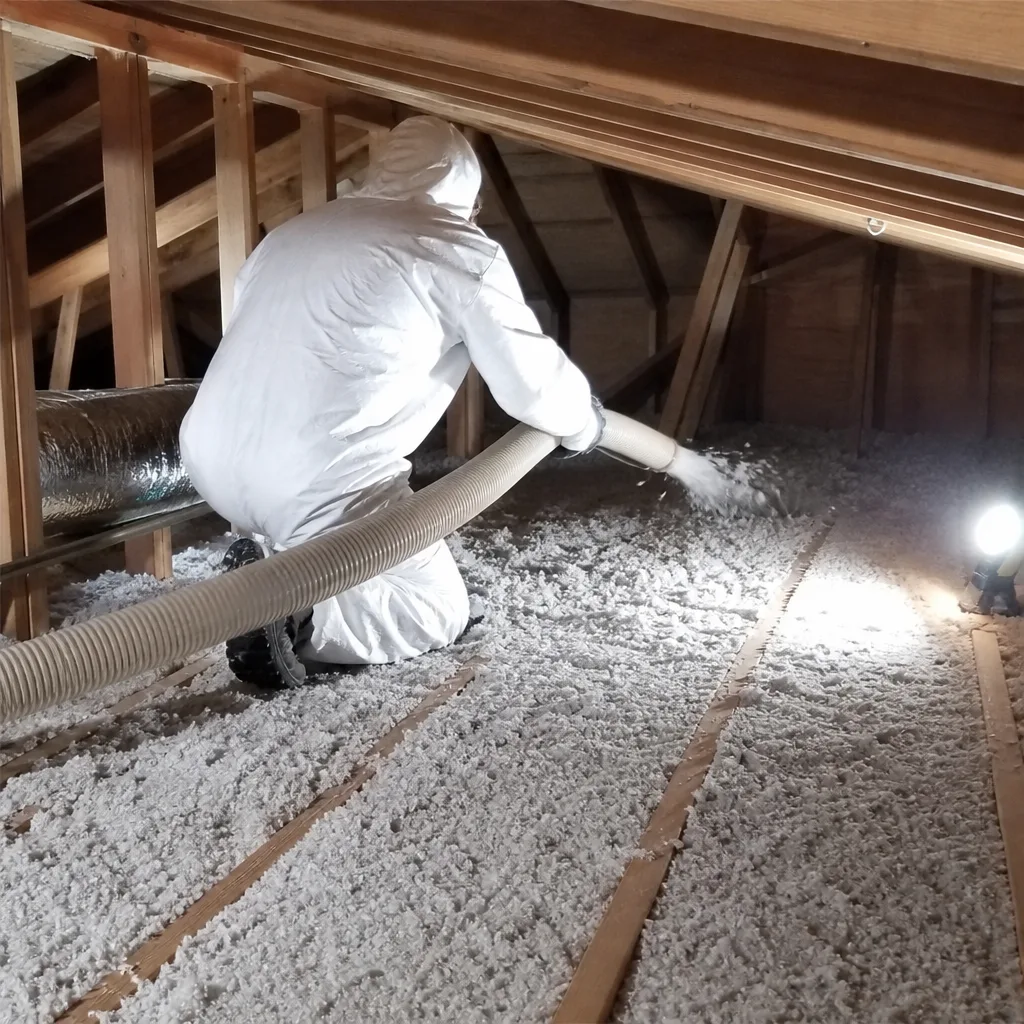
- Blown-in insulation retrofits are the standard fix for narrow side yards and dense rooflines here.
- Air-sealing top plates and can lights matters as much as the insulation itself in old tract homes.
- We carry eight insulation brands, so the material recommendation is driven by your attic’s condition, not what we happen to stock.
- Same-week service is typical for North El Monte calls. Estimates are free. Call (866) 271-1602.
Why Fontana Insulation Is North El Monte’s Preferred Attic Insulation Company
North El Monte calls for a very specific kind of insulation contractor. The houses are small on narrow lots, the streets are tight, and the attics are 60 to 80 years old with decades of deferred maintenance. We’ve spent years working these blocks, from the streets off Temple City Boulevard east to the El Monte border. Our crews know the housing stock, the lot geometry, and the failure patterns. It’s not the same job as a new build in Arcadia or a ranch home in Temple City.
Noel Arredondo runs the operation, and he’s built Fontana Insulation around one principle: the right material for the specific house. We don’t push fiberglass because it’s cheap, we don’t push spray foam because it’s premium, and we don’t push cellulose because it’s green. We carry all of them. For a 1950s North El Monte stucco-over-frame home with a bare attic and narrow side yard, that usually means blown-in cellulose or fiberglass with full air-sealing. For an addition or a vaulted ceiling, we may recommend closed-cell spray foam. You get the recommendation that fits your house and your budget constraints, not a sales pitch built on inventory pressure.
North El Monte homeowners call us because neighbors have seen our trucks on the street and because we can actually diagnose an old attic before touching it. When we find degraded batts, rodent damage, or mold, we tell you. That’s the difference between a crew that blows insulation over problems and a specialist who removes them first.
Attic Mold Removal in North El Monte
Attic Mold Removal in North El Monte is a service we handle more often than most people expect, and it’s tightly linked to how these older homes were built. Stucco-over-frame construction from the 1940s-1960s traps moisture when bathroom fans vent into the attic instead of through the roof, and when attic ventilation is poor, that moisture sits against warm framing and grows mold. In a dense roofline neighborhood where homes sit close to each other, airflow across the attic is already restricted, and the problem compounds. You can’t blow new insulation over moldy framing and expect it to disappear. The mold has to come out first, and the ventilation has to be corrected.
For North El Monte homes, attic mold removal typically runs $1,800 to $4,500 depending on the size of the affected area and whether structural wood treatment is needed. That range is based on what we see across the 91780 pocket, where attic footprints are compact but access is awkward. The process involves removing contaminated insulation, treating the affected framing, sealing the source of the moisture, and improving airflow before new insulation goes back in.
Old Bathroom Fans and Stucco Attics
Most North El Monte homes of this vintage have bathroom exhaust fans that terminate in the attic, not at a roof vent. Every shower pushes warm, humid air into the attic cavity. Over 40 years, that’s enough to feed a mold colony that hides above the ceiling. We trace the duct run and fix it as part of the job.
Dense Rooflines, Slow Drying
When houses sit shoulder-to-shoulder with minimal side yards, an attic vent on one side can be blocked by the neighbor’s wall or a fence, reducing cross-ventilation. That means less drying after cool nights, and more time for moisture to work into the framing. We check vent paths and often add baffles or additional passive or powered ventilation.
Attic Insulation Removal in North El Monte
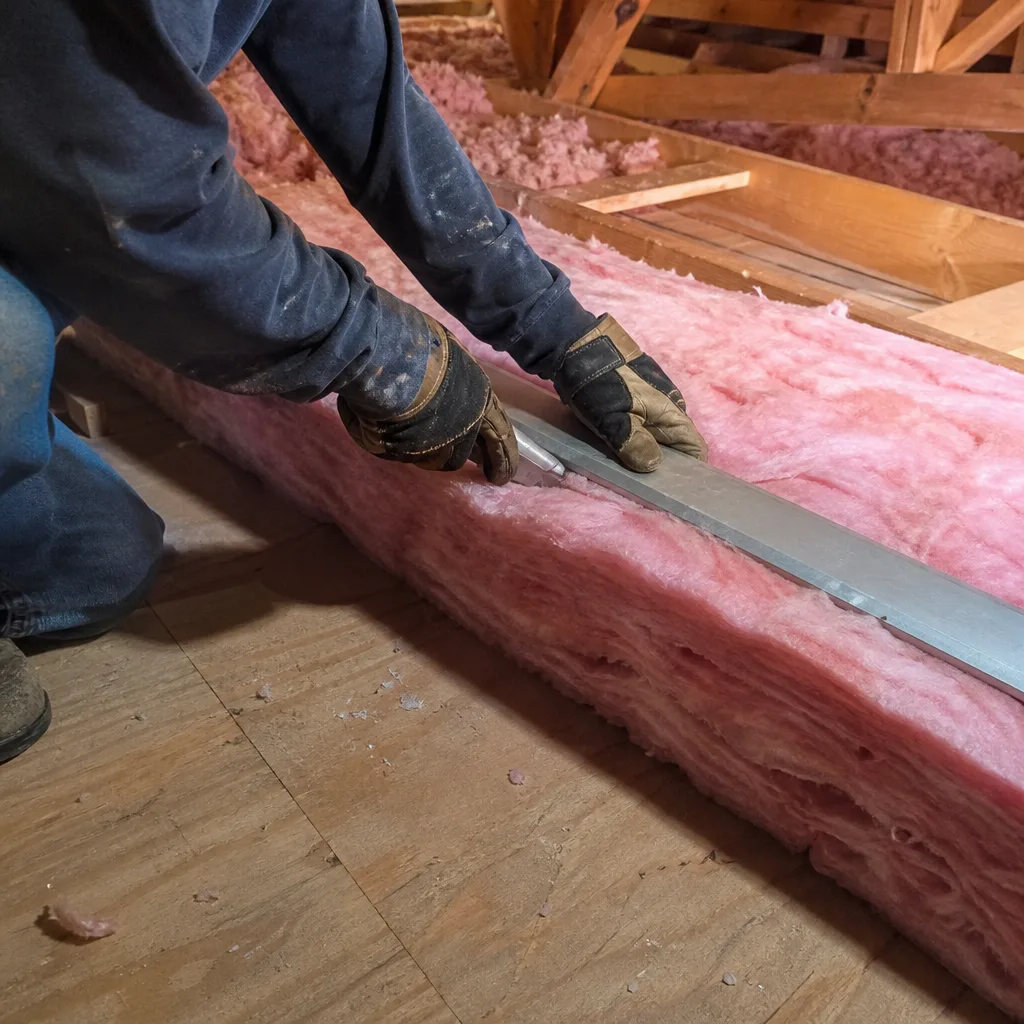
Attic Insulation Removal in North El Monte is a prerequisite for many of the retrofit jobs we take on in the 91780 pocket. If a 1950s tract home got a thin R-11 batt layer in the 1970s and never saw another upgrade, that material has been absorbing dust, rodent trails, and decades of hot, dry air. It’s compacted, degraded, and often mold-stained. Blowing new insulation over it traps whatever is already there and does nothing for the air-sealing work that needs to happen underneath. For houses with evidence of roof leaks, rodent activity, or visible mold staining on the joists, starting with removal is the only responsible path.
In North El Monte, full attic insulation removal typically runs $1,200 to $2,800 for the compact attic footprints common in these single-story homes. That includes bagging and extraction of old material, surface prep, and disposal. It’s not the most exciting line item on a quote, but it is the most important when an attic has been neglected for 50 years.
When Removal Is the Only Right Answer
Rodent activity leaves droppings and urine-soaked insulation that cannot simply be covered. If we find nesting evidence during the inspection, removal goes on the estimate. Same for water staining from a past roof leak. Fiberglass doesn’t dry well once it’s been saturated, and it loses its thermal value.
Air-Sealing and Prep Before the Blow-In
Removal gives us a clean surface to seal top plates, can lights, duct penetrations, and attic accesses. In old stucco-over-frame homes, these gaps leak conditioned air straight into the attic, and the gaps sit exactly where the new insulation would cover them. Sealing first, blowing after. That’s the order.
Trusted Brands We Service in North El Monte
Fontana Insulation is material-agnostic, which means we carry competing brands at different price points and performance levels, and we recommend based on your attic’s specifics. We install Johns Manville and CertainTeed fiberglass for homeowners who want the most widely warranted batt and blown-in products on the market. We carry Knauf for a mid-tier fiberglass option with solid R-value retention, and Rockwool mineral wool for clients who prioritize fire resistance and sound dampening along with thermal performance. For North El Monte customers, we keep common blown-in fiberglass and cellulose materials available for fast turnaround, because most of these retrofits are straightforward attic cavity fills. No brand loyalty. Just the best fit for your attic, walls, or crawlspace.
Common Attic Insulation Problems We See in North El Monte Homes
- Near-zero original insulation in pre-1965 tract homes. Many 1940s-1960s stucco houses in North El Monte were built with no attic insulation at all, or a thin layer that has compacted to an R-value of 2 to 5 over the decades. Add San Gabriel Valley summer heat, and the ceiling becomes a radiant panel.
- Thin batt toppers that give false confidence. Homeowners sometimes find an old R-11 batt layer from a 1970s job and assume the attic is fine. It isn’t. That R-11 is less than a third of what a North El Monte attic should carry for cooling-season performance.
- Narrow side-yard hose logistics. Many homes here have side yards too narrow for a full hose rig, so crews must feed blow hoses from the street over the roof or through a front window. That requires planning and coordination that a generic crew may skip or botch. We don’t.
- Unsealed top plates and can lights under the insulation. These old ceilings are full of gaps between the drywall and framing, plus old can lights that leak air. Blow insulation over them without sealing and you’ve buried the leak, not fixed it.
Pricing for Attic Insulation in North El Monte, CA
For North El Monte’s single-story 1,000 to 1,400 sq ft homes, a typical blown-in attic insulation retrofit runs $1,800 to $3,900 for full air-sealing and R-38 blown-in fiberglass or cellulose. A top-up over an existing but inadequate layer runs $900 to $1,800. Batt insulation installation runs $1,400 to $2,800 for a comparable attic, depending on access and rafter spacing. If removal is needed first, add $1,200 to $2,800. Attic mold remediation ranges $1,800 to $4,500. Every estimate starts with an inspection, and because we don’t have a brand quota to hit, the quote reflects the material your attic actually needs. Call (866) 271-1602 for a free, specific estimate for your North El Monte home.
We Also Serve Cities Near North El Monte
If you’re in Temple City, Rosemead, San Gabriel, or Arcadia, we work those neighborhoods too. North El Monte’s narrow lots and older tract homes share a lot with these neighboring cities, and our crews move through the area daily. See what we do for Attic Insulation in North El Monte and surrounding San Gabriel Valley pockets.
Serving North El Monte, CA — Our Local Coverage Area
We’re based in the North El Monte area and know this community well. Use the map below to see our service coverage — if you’re nearby, we can almost certainly help.
FAQs About Attic Insulation in North El Monte
Most of the housing stock in the 91780 pocket was built between 1940 and 1965, when attic insulation wasn’t required by code and energy costs weren’t a concern. These single-story stucco-over-frame tract homes were constructed for speed and low cost, and many have never been opened up since the original build. Sixty years later, the attics are mostly bare joists. Call (866) 271-1602 for a free inspection if you suspect yours is one of them.
Yes, and we do it regularly in North El Monte. The standard approach for narrow side yards is to run the blow hose from the street or from a front window with a protective chute. We’ve done hose runs over fences, across compacted side passages, and through front doors. It’s slower, and it requires coordination with any adjacent properties, but it’s a solved problem for our crews.
R-38 is the minimum we recommend for ceiling insulation here, with R-49 as the target if your rafters can hold it. The San Gabriel Valley’s prolonged heat season means your attic regularly hits 130 degrees or more in the summer, and the insulation’s job is to hold that heat out of the living space. Going from R-11 to R-38 makes the most noticeable comfort difference per dollar of any insulation project in a 91780 home.
Not always, but often. If the existing insulation is dry, free of rodent evidence, and not compacted to dust, a top-up can work. If we find water staining, mold, or rodent activity, removal is the right call before new material goes in. We’ll show you what we see during the inspection and include removal only if it’s necessary.
Yes, especially if your bathroom fans vent into the attic rather than through the roof, which is common in this housing era. North El Monte’s dense rooflines and narrow side yards reduce attic airflow, so moisture hangs around longer. If you see dark staining on ceiling joists or smell a persistent musty odor near the access hatch, call (866) 271-1602 for an inspection before new insulation goes in.
Written by Noel Arredondo, Owner at Fontana Insulation, serving North El Monte and the San Gabriel Valley with attic insulation, spray foam, and blown-in retrofit work.