
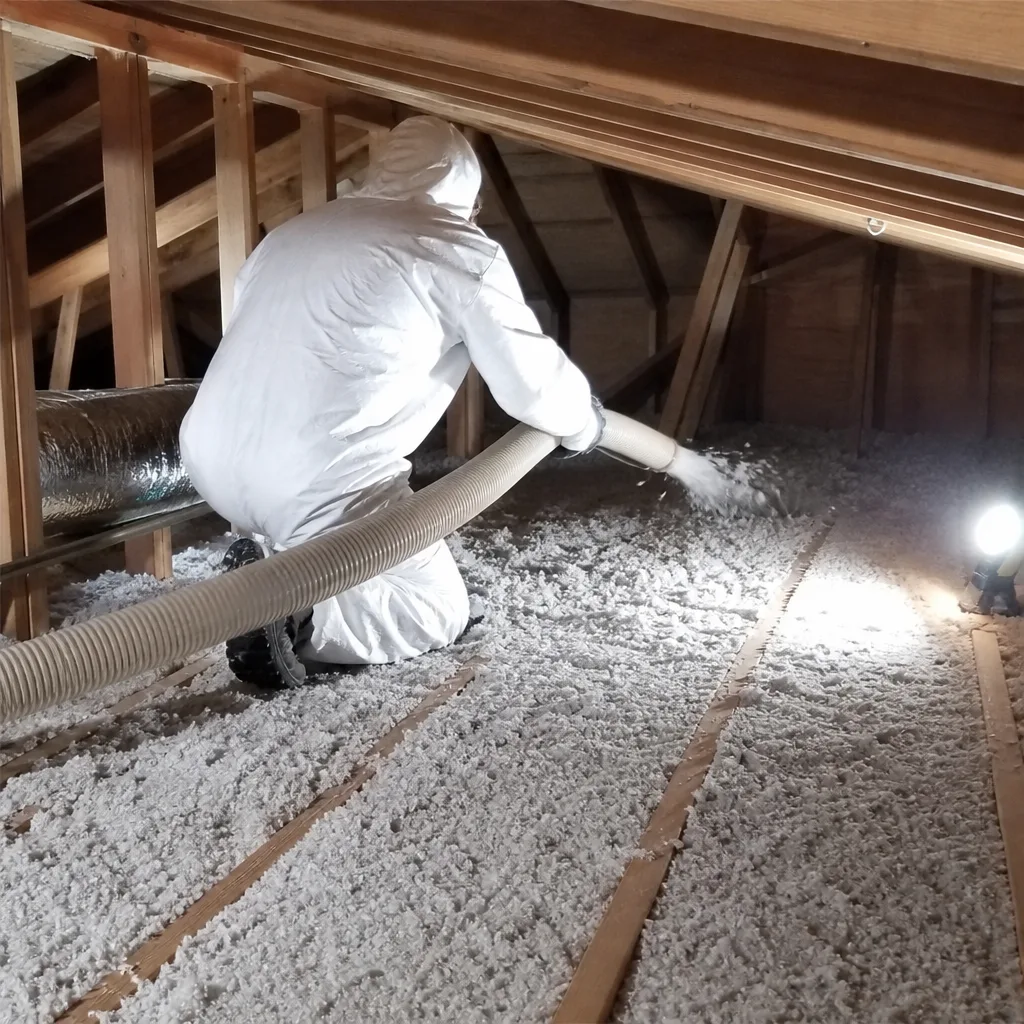
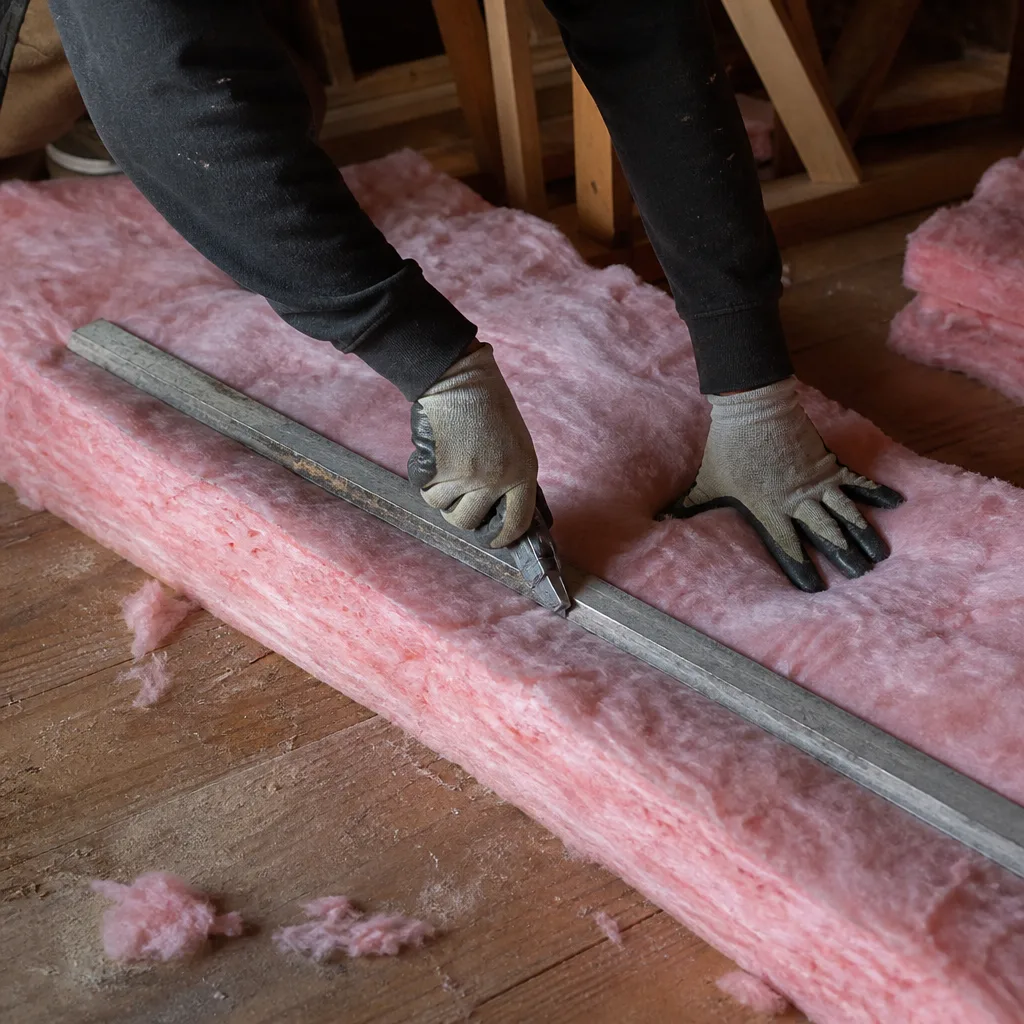
Fast, Reliable Attic Insulation Across Lakeland Village
Attic insulation in Lakeland Village isn’t a winter heating project the way it is in Temecula or Idyllwild. Here at low elevation on Lake Elsinore, the problem is the brutal inland-valley summer: 100°F+ air, sun-baked roofs, and attics that turn into convection ovens over lake-cooled living rooms. We know the housing stock along Grand Avenue and the streets running down toward the shoreline, and we know what 60 years of Elsinore Valley heat does to insulation. If your upstairs rooms run 10 to 15 degrees hotter than the rest of the house between June and September, call Noel Arredondo and the Fontana Insulation team at (866) 271-1602. We’ll diagnose it straight and recommend the material that actually fits your roof and your budget.
Why Fontana Insulation Is Lakeland Village’s Preferred Attic Insulation Company
Most insulation contractors carry one or two product lines and work backward from inventory. We don’t. Fontana Insulation stocks eight brands across fiberglass, mineral wool, spray foam, and cellulose, which means the conversation starts with your attic’s actual condition, not with whatever’s cheapest in our warehouse. That matters in Lakeland Village, where a 1950s lakefront cabin needs a completely different approach than a 1980s tract home up off McVicar Avenue.
We’ve worked in manufactured homes on the east side of the 92530 ZIP, mid-century cabins near the water, and slope homes where west-facing roof decks take direct afternoon sun for hours. When Lakeland Village homeowners call us, they’re usually dealing with one of three things: legacy insulation that’s compressed and baked brittle, moisture problems from lake humidity, or an unvented attic cooking the living space below. None of those are solved with a generic fiberglass blanket. They’re solved with air-sealing, radiant barriers, and the right R-value for this climate zone. Noel Arredondo built Fontana Insulation around application-matching, not brand loyalty.
Attic Cleaning Services in Lakeland Village
Attic cleaning services in Lakeland Village address what happens when years of Elsinore Valley heat and lake humidity bake old insulation into a matted, dust-choked layer that can’t hold its R-value anymore. Debris, rodent droppings, and the fine dust from degraded fiberglass or cellulose accumulate in the attic floor, and that contamination sits directly above your ceiling. A proper attic cleaning removes the old material, sanitizes the space, and preps the attic floor for new insulation.
When the Lake Air Turns Against Your Attic
Lakeland Village’s humidity fluctuates with the lake and the afternoon winds. In older cabins with minimal eave venting, that moisture settles into insulation and compresses it. We see attics where batt insulation that started at R-30 now measures under R-10 in real-world performance. If your attic smells musty in summer or you’ve spotted condensation on roof sheathing, cleaning comes before anything else. You can’t stack new insulation over contaminated material and expect it to perform.
Typical Attic Cleaning Cost
A full attic cleaning in Lakeland Village, including removal of old insulation, sanitizing, and disposal, typically runs $1.50 to $2.75 per square foot for a standard single-family home. A smaller lake cabin with limited access might run $900 to $1,500 total. Manufactured homes add complexity because of tight access points and shallow roof cavities, so expect the upper end of that range there.
What happens when you call
- 1
A real person answersNo phone trees — you reach a local pro.
- 2
You get an upfront price rangeHonest numbers before anyone is dispatched.
- 3
A background-checked tech heads outLicensed & insured, dispatched right away.
- 4
You approve before work beginsNothing starts until you say go.
Attic Mold Removal in Lakeland Village
Attic mold removal in Lakeland Village is a moisture problem first and a mold problem second. The lake humidity that’s a selling point for living here is rough on attics without proper ventilation. Warm, humid air rises into the attic space, hits cooler roof sheathing at night, and condenses. Over time that’s how you get mold on the underside of roof decking, especially in older cabins with no ridge vents and blocked or nonexistent soffit vents.
What We Actually Do
Mold removal isn’t just spraying bleach and calling it done. We remove the affected insulation, treat the framing and sheathing with a proper antimicrobial, improve the ventilation so it doesn’t return, and then install new insulation matched to the new airflow. Just removing the mold without fixing ventilation guarantees a repeat problem in a year or two. Lakeland Village attics need to breathe, especially on the lake side of town.
What Mold Remediation Costs Here
Attic mold removal in Lakeland Village typically runs $2.50 to $4.00 per square foot depending on how much of the attic is affected and whether roof sheathing needs extensive treatment. For a standard 1,200-square-foot attic, expect $3,000 to $4,800. Old lake cabins with unvented roof assemblies often land at the higher end because we have to correct the ventilation while we’re in there.
Trusted Brands We Service in Lakeland Village
When we install attic insulation, we are not married to one manufacturer. We carry Rockwool mineral wool because Lakeland Village homeowners near the lake often want fire resistance and sound dampening alongside thermal performance. We install CertainTeed fiberglass because its batts are consistent and widely warranted, which matters on older construction. For air-sealing applications where blanket or blown material falls short, we use Attic Insulation systems with Icynene and Demilec spray foam, two of the most performance-tested foam brands in North America. Parts and materials are stocked at our Fontana yard, which means faster turnaround for Lakeland Village jobs without waiting on a distributor run.
Common Attic Insulation Problems We See in Lakeland Village Homes
- Baked, compressed legacy insulation. On a 1950s lakefront cabin near the Lakeland Village shoreline, our crew found the original attic insulation compressed to less than 2 inches and baked into a brittle mat by years of 100°F+ summer heat radiating through an unvented roof. It wasn’t insulating anything. That’s common in mid-century cabins all through the 92530 ZIP.
- Moisture-matted fiberglass from lake humidity. When attic ventilation is poor, humidity from Lake Elsinore works its way into insulation and flattens it. We routinely find fiberglass batts near the lake side of Lakeland Village that look full but measure at half their rated R-value because moisture has knocked the loft out of the fibers.
- West-facing roof heat soak on slope and lakeside homes. Afternoon sun hammers the west roof slopes of homes overlooking the lake, and those attics can run 40 to 50 degrees hotter than the living space below. Thin original insulation can’t stop that radiant transfer, and indoor temperatures push past 85°F by late afternoon.
- Manufactured home attic gaps and shallow cavities. Many Lakeland Village manufactured homes have shallow roof cavities and original insulation that’s thin or shifted. Air gaps around ceiling penetrations let hot attic air pour into the living space, and because the cavity depth is limited, we often recommend spray foam to hit code-minimum R-value in the space available.
Pricing for Attic Insulation in Lakeland Village, CA
Attic insulation in Lakeland Village runs between $1.75 and $3.50 per square foot installed, depending on material and attic access. Blown-in fiberglass or cellulose for a standard 1,200-square-foot attic runs $2,100 to $3,600. Batt insulation replacement with R-38 fiberglass runs $2,800 to $4,800 for the same footprint, and if we’re adding a radiant barrier on a west-facing roof slope, that’s an additional $0.40 to $0.75 per square foot. Spray foam runs higher because of the prep and application work, typically $3.50 to $6.50 per square foot. We give you the material options and their real numbers before we start, and estimates are free. Call (866) 271-1602 and we’ll walk your attic and price it straight.
We Also Serve Cities Near Lakeland Village
Fontana Insulation runs crews throughout the Elsinore Valley, so if you’re in Sedco Hills, Canyon Lake, Meadowbrook, or Wildomar, we cover those areas too. The same material-agnostic approach applies whether you’re on a lakefront lot or a hillside street. See what we do across Attic Insulation in Lakeland Village and the surrounding valley.
Serving Lakeland Village, CA — Our Local Coverage Area
We’re based in the Lakeland Village area and know this community well. Use the map below to see our service coverage — if you’re nearby, we can almost certainly help.
FAQs About Attic Insulation in Lakeland Village
Because the lake breeze cools the air at ground level, not the roof deck. Your attic heats up primarily from solar radiation hitting the roof surface, and in Lakeland Village’s low-elevation summer sun, that roof deck can hit 140°F to 160°F. The breeze doesn’t cool an unvented attic, so radiant heat builds and transfers down into your living space. A radiant barrier paired with proper ventilation attacks the actual heat source. Call (866) 271-1602 and we’ll check what your roof assembly can support.
No, not if the original material has been baked brittle and compressed by decades of Elsinore Valley heat. Adding new insulation on top of degraded material doesn’t restore the lost R-value, and if moisture or pest contamination is present, you’re sealing the problem in. The right move is removal, air-sealing the attic floor, and a clean install. That’s what we did on a 1950s cabin near the shoreline where the original batts measured under 2 inches thick.
Lake humidity condenses on cooler roof sheathing overnight, then drips or settles into the insulation below. Over time, fiberglass loses its loft, cellulose mats down, and mold can develop. That’s why ventilation-baffled and moisture-aware installs matter here. We install baffles before blowing insulation in Lakeland Village attics specifically to keep the eave vents clear and the air moving.
For an unvented or minimally vented attic with a west-facing roof, closed-cell spray foam is usually the strongest answer because it air-seals and insulates in one pass, stopping radiant heat before it enters the attic cavity. If you’d prefer to keep the batts-and-radiant-barrier route, R-38 fiberglass with a radiant barrier on the underside of the roof sheathing will cut the afternoon heat spike meaningfully. We’ll price both and tell you the trade-offs for your roof pitch. Call (866) 271-1602 for a free attic assessment.
Yes. Manufactured homes have shallow roof cavities, different truss spacing, and often originally shipped with minimal R-value in the ceiling. In Lakeland Village, where summer attic heat is relentless, that means the living space below soffers. Because cavity depth is limited, spray foam often hits target R-value where batts physically can’t fit. We’ve done multiple manufactured home retrofits in the 92530 ZIP and will match the method to the cavity, not force a product that doesn’t fit.
Written by Noel Arredondo, Owner at Fontana Insulation, serving Lakeland Village and the Elsinore Valley.