
Fast, Reliable Attic Insulation Across Highland
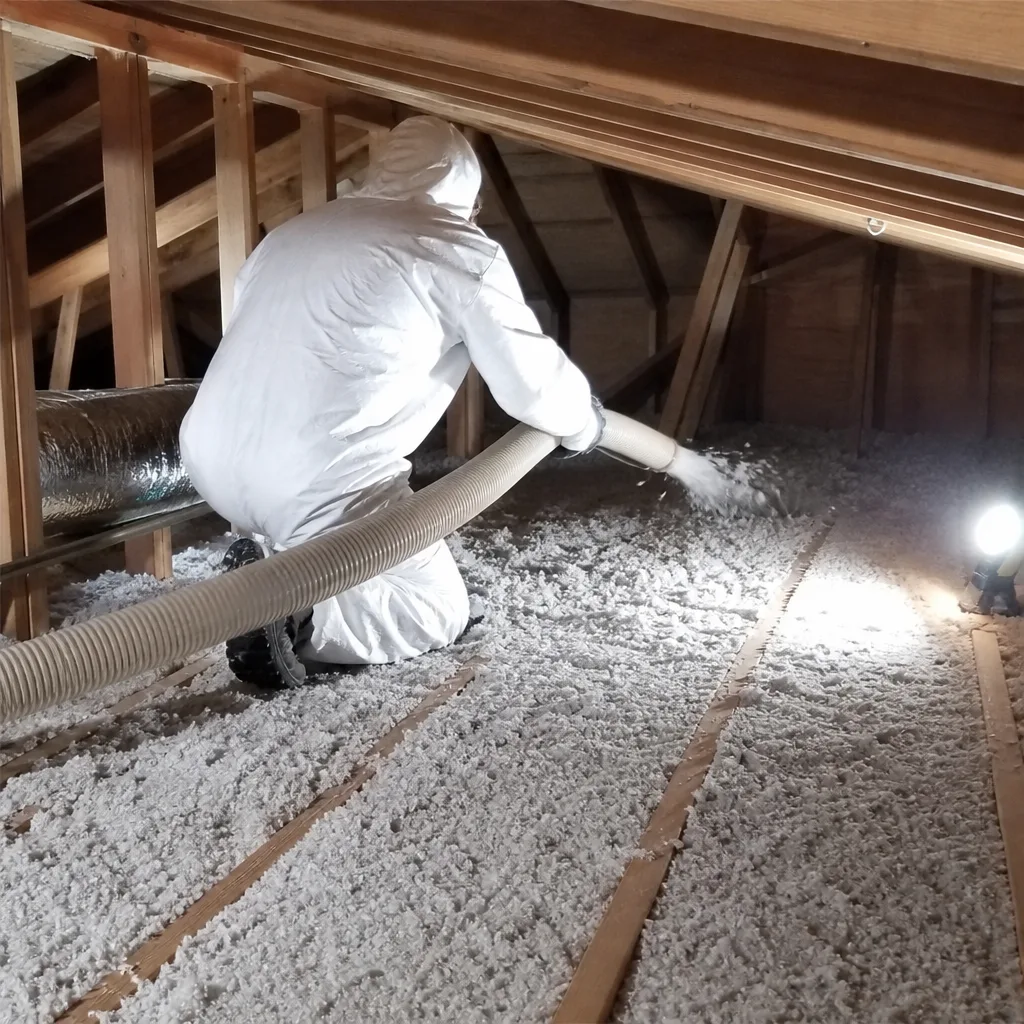
Attic insulation in Highland does two jobs most homeowners never think about until a 105°F August afternoon: it keeps radiant heat from baking your ceiling, and it stops Santa Ana winds from scouring your loose-fill into the corners. We’re Fontana Insulation, and we work throughout the 92346 zip code from the historic core north to the east Highland tracts. Noel Arredondo leads our crew, and we’ve spent enough time in Highland attics to know exactly what this city’s wind and heat do to insulation. If your attic needs a top-up, a full re-level, or wind baffles before anything else, call (866) 271-1602 and we’ll get someone to Highland fast.
Why Fontana Insulation Is Highland’s Preferred Attic Insulation Company
Most insulation contractors show up with one product line and call it a day. We show up with eight brands across fiberglass, mineral wool, spray foam, and cellulose, and we match the material to what your specific Highland home actually needs. A 1960s ranch near Baseline needs different treatment than a 1990s stucco tract home in east Highland. That’s not marketing language. That’s the difference between insulation that works for two years and insulation that works for twenty.
Highland homeowners call us because we understand wind-washing in ways contractors from Redlands or Loma Linda often don’t see. After a Santa Ana event, we get calls from homeowners who’ve gone into the attic and found bare spots where fiberglass used to sit. We re-level, we install baffles, and we fix the root cause rather than just blowing more material on top. Noel and our crews have worked enough Highland attics to recognize the patterns quickly, which means fewer trips and a solution that holds.
We’re not the cheapest bid in Highland, and we won’t pretend to be. We’re the contractor who explains why R-38 in a windy east Highland attic needs wind-washing protection while the same R-38 in a sheltered Redlands neighborhood might not. Homeowners serious about comfort and energy bills appreciate that level of honesty.
Insulation Contractors in Highland
Insulation Contractors in Highland do more than blow fiberglass into an attic. The job involves assessing what’s already up there, identifying wind damage, checking for missing baffles, and determining whether a radiant barrier makes sense for your specific roofline. Highland’s mix of 1950s – 1970s ranch homes and 1980s – 2000s stucco tract houses means no two attics are the same, and the right contractor treats each one as its own project.
Re-Leveling and Wind Baffle Installation
After a Santa Ana wind event, loose-fill insulation in Highland attics often ends up blown to one side or compressed against the eaves. That leaves large sections of the attic floor bare, which means heat pours through in summer and conditioned air escapes in winter. We re-level existing material, install wind baffles at the eave gaps, and only add new insulation once the attic can actually hold it.
Radiant Barrier Retrofit for Highland’s Heat
Highland regularly hits 100°F in summer, and a dark composition shingle roof can push attic temperatures past 140°F without protection. A radiant barrier stapled to the underside of the rafters reflects radiant heat before it ever reaches your insulation, which keeps the entire attic cooler and extends the life of whatever insulation you have. It’s one of the highest-impact upgrades we recommend for older Highland homes that never had one.
Attic Ventilation in Highland
Attic Ventilation in Highland is not a luxury add-on. It’s the difference between an attic that stays dry and functional and one that cooks insulation into brittle, useless material. Highland’s summer heat combined with winter canyon winds means ventilation needs to be sized and placed correctly. Too little venting and the attic bakes. Too much in the wrong spot and wind-driven rain or dust becomes a problem.
Intake and Exhaust Balance
The standard setup for Highland homes is soffit intake vents paired with ridge or gable exhaust vents. The goal is a continuous flow of outside air that moves heat and moisture out of the attic. In many older ranch homes near the historic core, original soffit vents are blocked or painted over, which effectively shuts down the system. We open those up and add baffles so insulation never chokes the airflow at the eaves.
Wind-Washing and Eave Protection
Highland’s Santa Ana winds don’t just move loose insulation. They create pressure differentials that push air through eave gaps and into the attic cavity, a condition called wind-washing. This scrubs the top layer of fiberglass or cellulose and dramatically reduces its effective R-value. Adding baffles at every rafter bay creates a barrier that keeps wind out while still allowing proper ventilation.
Trusted Brands We Service in Highland
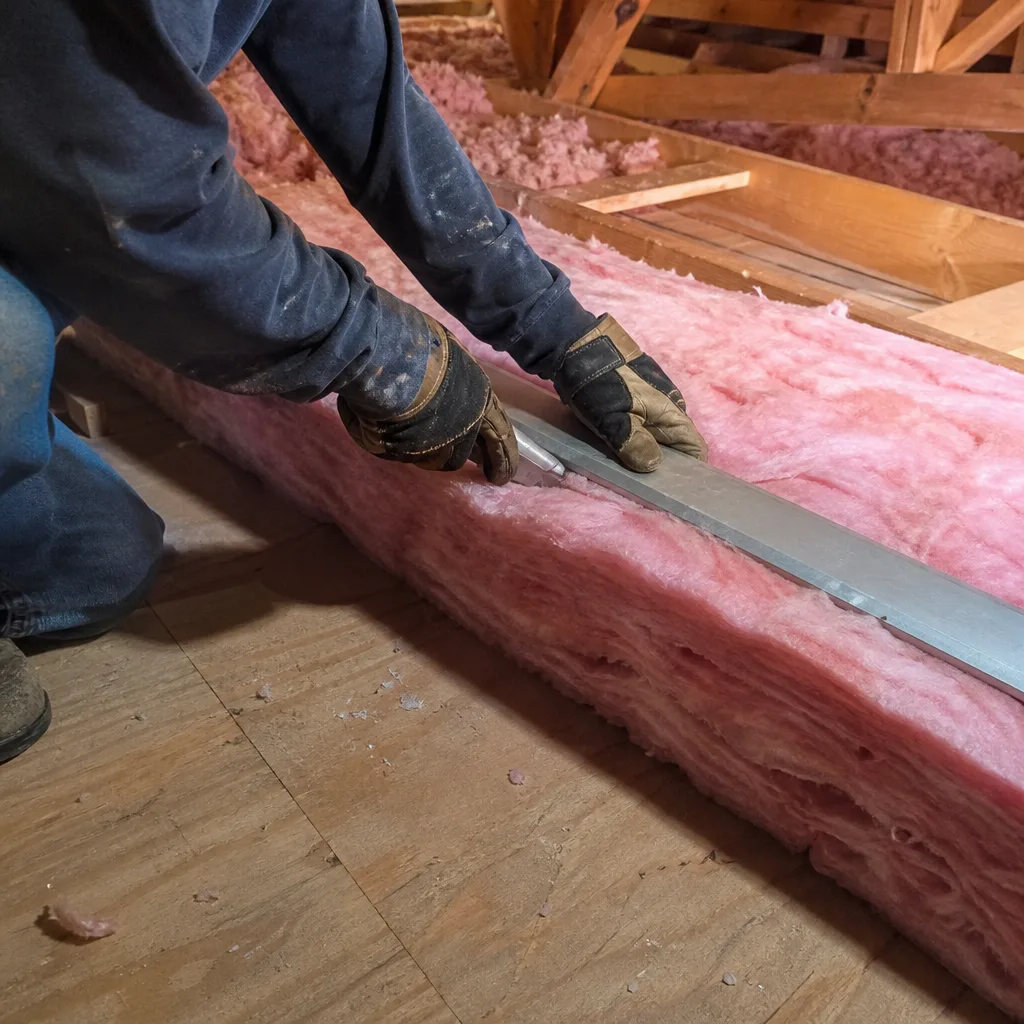
Carrying eight brands isn’t a gimmick. It means a Highland homeowner who wants the fire resistance of Rockwool mineral wool can get it. Someone who wants the air-sealing performance of Icynene or Demilec spray foam can get that too. And someone who wants the proven fiberglass track record of CertainTeed isn’t pushed toward foam just because that’s what we happen to stock. We carry Icynene because it’s one of the most performance-tested open-cell foams in North America, and we carry Rockwool because no other material matches its fire resistance and sound dampening in one product. For Highland attics, having all of these options means the recommendation comes from your home’s needs, not our inventory.
Common Attic Insulation Problems We See in Highland Homes
- Santa Ana wind displacement. Loose-fill insulation blown to one side or compressed against eaves after wind events is the single most common problem we find in Highland attics. The insulation was installed correctly, but without wind baffles, it simply can’t stay put.
- Missing wind-washing barriers at eave gaps. Older Highland homes rarely had baffles installed at all, which means canyon winds scour insulation every time a Santa Ana blows through. The fix is mechanical and permanent, not another layer of fluff.
- Radiant heat degradation. Attics in Highland that regularly exceed 130°F bake fiberglass and cellulose over time, causing them to settle and lose loft. A radiant barrier slows this degradation and keeps your attic cooler year-round.
- Blocked soffit vents in ranch homes. Many 1950s and 1960s ranch-style homes near Highland’s historic core have soffit vents that were painted over or insulated over decades ago. That kills the attic’s airflow and turns the space into a stagnant heat box in summer.
Pricing for Attic Insulation in Highland, CA
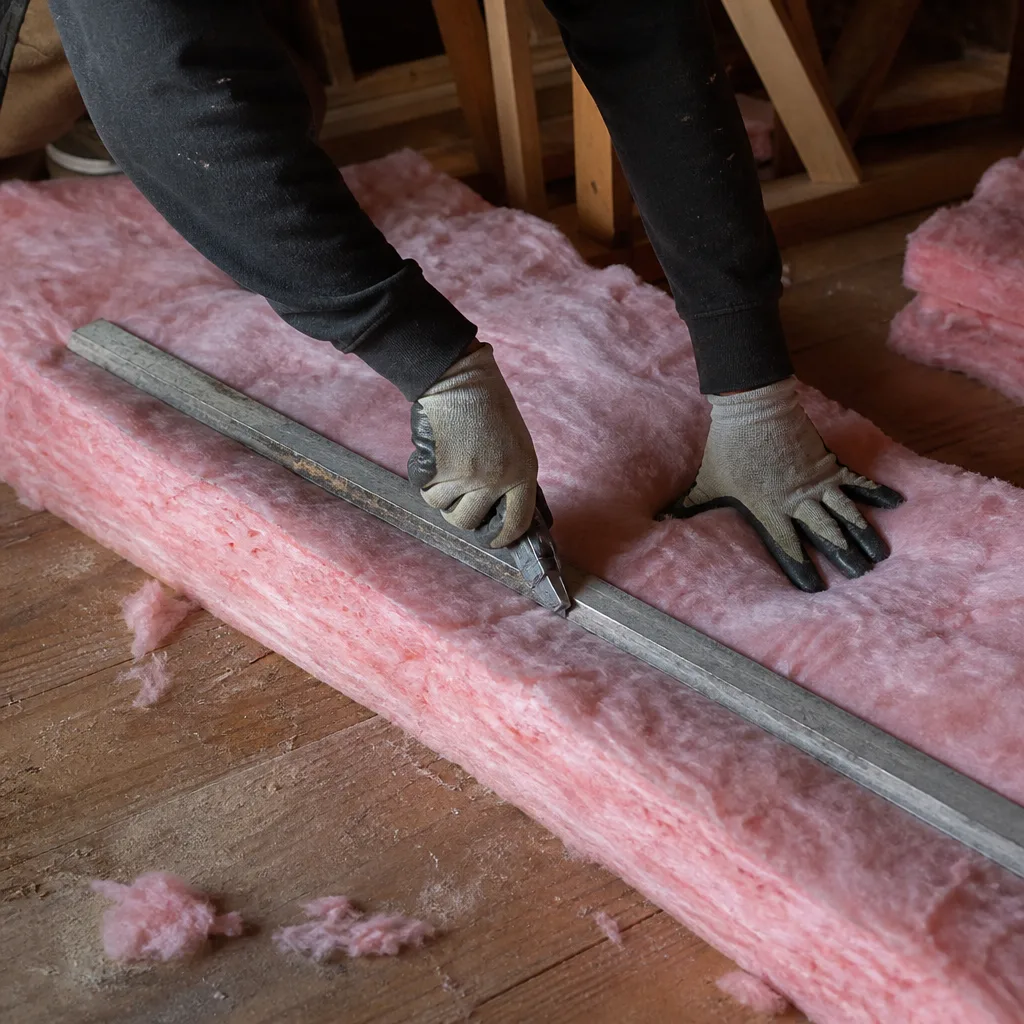
Attic insulation costs in Highland run higher than the Inland Empire average because wind protection and radiant barriers are often required to make the insulation perform. A straightforward blown-in top-up on a 1,200 square foot Highland attic typically runs $900 to $1,500. A full attic re-level with wind baffles installed at the eaves typically runs $1,800 to $2,800 depending on attic size and access. Adding a radiant barrier to a Highland attic typically adds $800 to $1,600. Batting a new construction attic in east Highland runs $1,600 to $2,400. Every quote is line-itemed before we start, and estimates are free. Call (866) 271-1602 for specific numbers on your Highland home.
We Also Serve Cities Near Highland
Fontana Insulation works throughout the Inland Empire from our base in Fontana. We regularly serve Highland and the surrounding communities of San Bernardino, Muscoy, Redlands, and Loma Linda. The same crews, the same eight-brand material options, and the same wind-baffle expertise apply wherever your attic sits. If you’re in a neighboring city and dealing with wind-scoured insulation, we’re the team that fixes it right.
Serving Highland, CA — Our Local Coverage Area
We’re based in the Highland area and know this community well. Use the map below to see our service coverage — if you’re nearby, we can almost certainly help.
FAQs About Attic Insulation in Highland
Santa Ana winds create pressure differentials that push air through eave gaps and into your attic, physically moving loose-fill insulation toward one side or compressing it against the eaves. In Highland this is especially pronounced because the city sits at the base of the San Bernardino Mountains where canyon winds funnel with force. The solution is wind baffles installed at every rafter bay, which we do before adding any new insulation. If you’ve noticed thin spots or bare attic floor after a wind event, call (866) 271-1602 and we’ll assess the damage.
Highland sits directly at the base of the San Bernardino Mountains, which means afternoon heat radiates off the slopes and onto your roof with more intensity than in Redlands or San Bernardino, which sit further west and at slightly lower elevation with more air movement. A radiant barrier reflects that heat before it enters the attic, which lowers attic temperatures by 20°F to 30°F on hot days and extends the life of your insulation. It’s one of the highest-ROI upgrades we recommend for Highland attics specifically.
Expect us to inspect the existing insulation first, check for wind displacement, and verify that soffit vents are actually open before we add any new material. Older ranch homes in Highland often have painted-over vents, settled fiberglass, and zero baffles. We’ll open the vents, install baffles, re-level existing material where it makes sense, and then blow or batt to the R-value your attic needs. Most ranch-home attics take one full day. Estimates are free; call (866) 271-1602 to schedule a look.
Yes. Many Highland properties include detached workshops, garages, and storage buildings with larger-than-standard openings and heavier doors than the main house. We insulate those structures with the same eight-brand material options we use on primary homes, and we’ll match the material to how you use the space. A workshop that’s heated occasionally needs different treatment than a garage attached to your home’s thermal envelope. Call (866) 271-1602 and tell us what you’ve got; we’ll put together a plan.
Attic ventilation moves heat and moisture out of the attic, which keeps the space cooler and prevents your insulation from degrading. In Highland specifically, proper ventilation also prevents wind-washing, since baffles at the eave gaps simultaneously protect insulation from moving air while still allowing intake airflow. Without ventilation, even the best insulation underperforms because the attic becomes a stagnant heat reservoir. We assess ventilation on every attic job in Highland because in this climate, it’s not optional.
If your attic insulation in Highland has been shifted by wind, baked by heat, or simply isn’t doing its job anymore, we’ll fix it correctly the first time. Noel Arredondo and the Fontana Insulation crew work in Highland regularly. Call (866) 271-1602 for a free estimate and a straight answer about what your attic actually needs.
Written by Noel Arredondo, Owner at Fontana Insulation, serving Highland and the Inland Empire since our founding.