
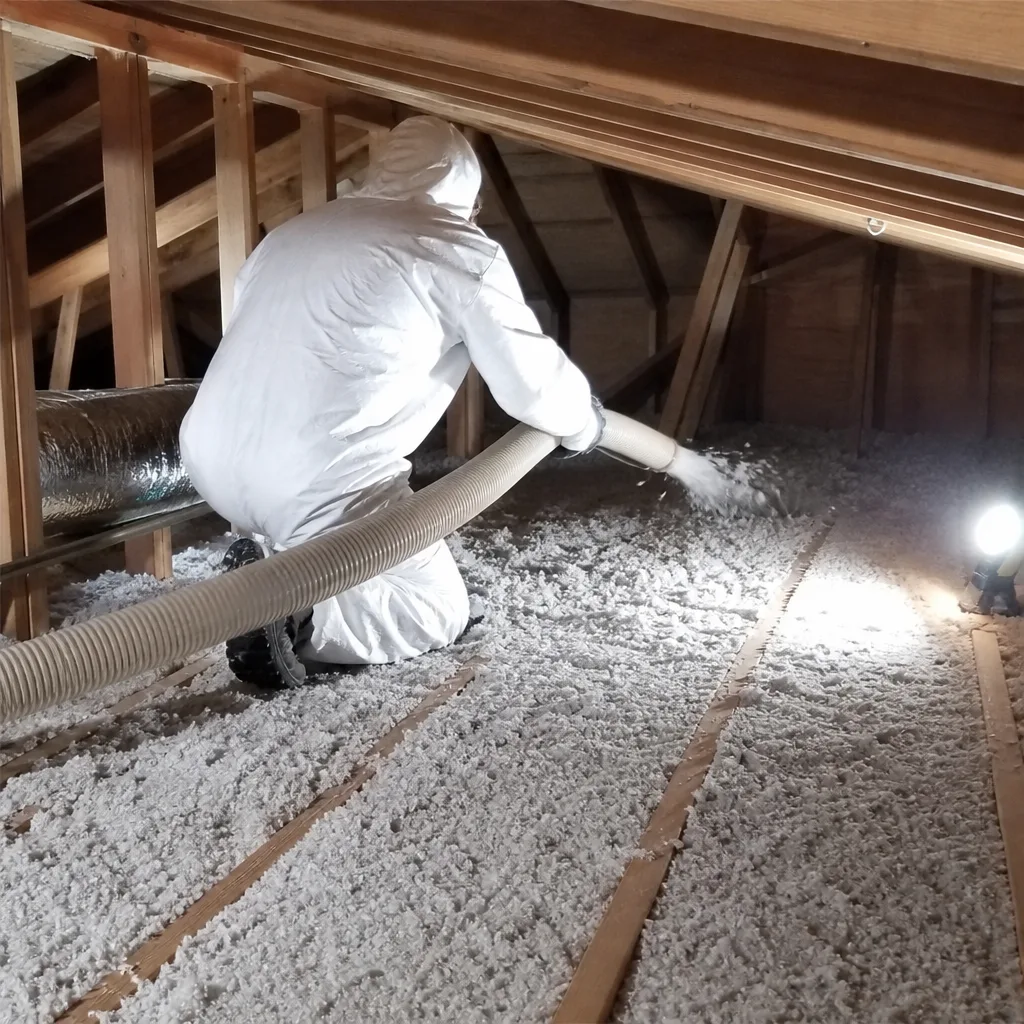
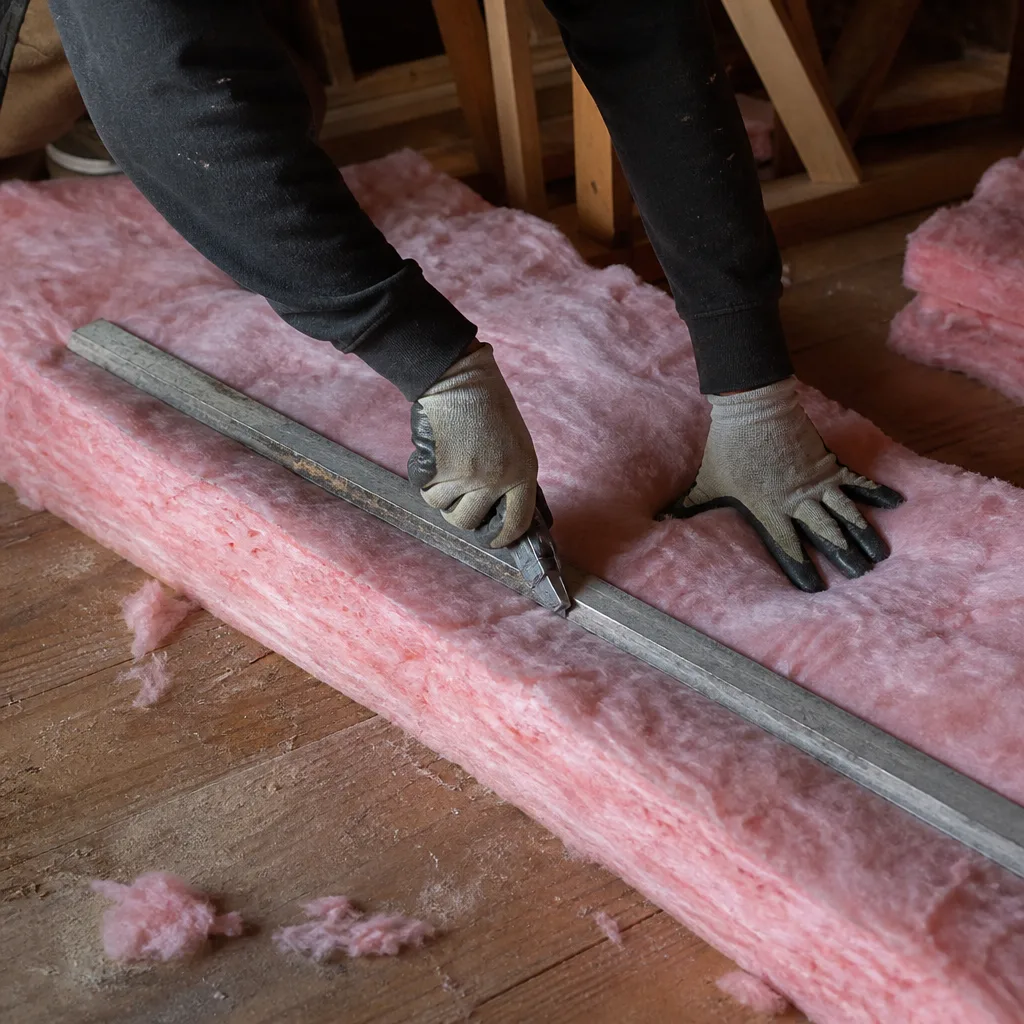
Fast, Reliable Attic Insulation Across Glendale
Attic insulation in Glendale is rarely just about adding batts. It’s about solving a heat problem. Homes here bake under foothill sun for six months a year, and the attic is the first place that heat lands. We work in Glendale’s older neighborhoods every week, and we know the difference between a 1926 bungalow with zero insulation and a 2005 infill townhome that just needs a top-up. Call (866) 271-1602 and we’ll send a technician who knows Glendale attics, not a generic estimator with a clipboard.
Why Fontana Insulation Is Glendale’s Preferred Attic Insulation Company
Glendale homeowners don’t have time for a contractor who treats every attic the same. The city’s housing stock ranges from knob-and-tube-era Spanish Colonials in the foothills to mid-century ranch tracts near Glenoaks, and the right insulation approach differs dramatically between them. Our led by Noel Arredondo has spent years working Glendale attics specifically. We know which 1920s framing bays are too shallow for standard baffles. We know how to lift a clay tile on a Chevy Chase hillside roof without cracking it. We know that a 1950s tract home near the 134 has a completely different ventilation profile than a 1970s ranch up in the Verdugo canyons. That local knowledge means we don’t guess. We measure, assess, and recommend the material and method that fits the house, because we carry eight brands across four material categories and we’re not married to any single one. If Rockwool’s fire resistance makes sense for your Santa Ana wind exposure, we’ll tell you. If Icynene closed-cell foam is the right call for a tight low-slope attic, we’ll say so. If GreenFiber cellulose is the most practical option for a knob-and-tube-era bungalow, that’s the recommendation.
Attic Ventilation in Glendale
Attic Ventilation in Glendale is the single most overlooked part of attic insulation work, and in this city’s foothill heat pockets it’s usually the thing that actually solves the comfort problem. Glendale’s canyons, especially above 91207 and 91208, trap heat in a way flatland neighborhoods don’t. Attic temperatures in those hills can run 20 to 30 degrees hotter than a comparable home down near the 5, and standard ridge-and-soffit ventilation often fails because the canyon’s air movement pattern is different. The right design pulls cooler air from canyon intakes and moves it through the attic cavity, which is why we inspect and clear baffles, soffit vents, and ridge openings before we ever recommend adding insulation on top of a broken ventilation system.
A typical attic ventilation assessment and repair in Glendale runs $350 to $900, depending on how many vents are blocked and whether we need to add solar-powered roof vents. For a full ventilation retrofit with new baffles and a radiant barrier, expect $1,800 to $4,200 on a standard Glendale single-family home. That’s the range where the work usually lands.
Why Glendale Attics Trap Heat Differently
Clay-tile Spanish roofs block airflow at the eaves and over the decking, and the tiles themselves absorb solar radiation all day, then radiate it downward into whatever sits beneath them. In a foothill canyon that already holds hot air, this creates a convection oven effect that standard ridge vents can’t overcome. We see this constantly in the Chevy Chase and Adams Hill areas, and the fix starts with ventilation, not insulation depth.
Clearing Blocked Soffit Vents and Baffles
In Glendale’s 1920s to 1940s homes, original framing leaves minimal room for baffles, and blown insulation from a previous retrofit often settles right over the soffit vents. That suffocates air intake and turns the attic into a static heat trap. Our crew pulls back settled material, installs properly sized baffles where framing allows, and restores the intake airflow before adding any new insulation.
Radiant Barrier in Glendale
Radiant Barrier in Glendale is often the highest-impact upgrade for a home that already has some insulation but still overheats in summer. A radiant barrier reflects radiant heat away from the attic floor, and on a Glendale afternoon with a south or west facing roof in the 91207 or 91208 hills, that is the difference between a 145°F attic and a 110°F attic. We install the barrier across the roof decking and pair it with ventilation so the reflected heat has somewhere to go. It is not a replacement for insulation; it works with it.
Radiant barrier installation in Glendale typically runs $1.50 to $3.00 per square foot of attic floor area, so a 1,200 square foot attic lands between $1,800 and $3,600. Add a solar-powered roof vent and the total climbs another $700 to $1,100. We’ll give you a firm number on-site, not a vague range.
Clay-Tile Roofs and Radiant Barrier Installation
This is where Glendale-specific experience matters. Lifting clay tiles without cracking them takes care and the right technique. We do it regularly on Chevy Chase hillside homes. If the attic cavity is tight and low-slope, as many above 91207 and 91208 are, we work around the access constraints and still get full barrier coverage, including the edges that some crews skip.
How Much Difference It Makes Here
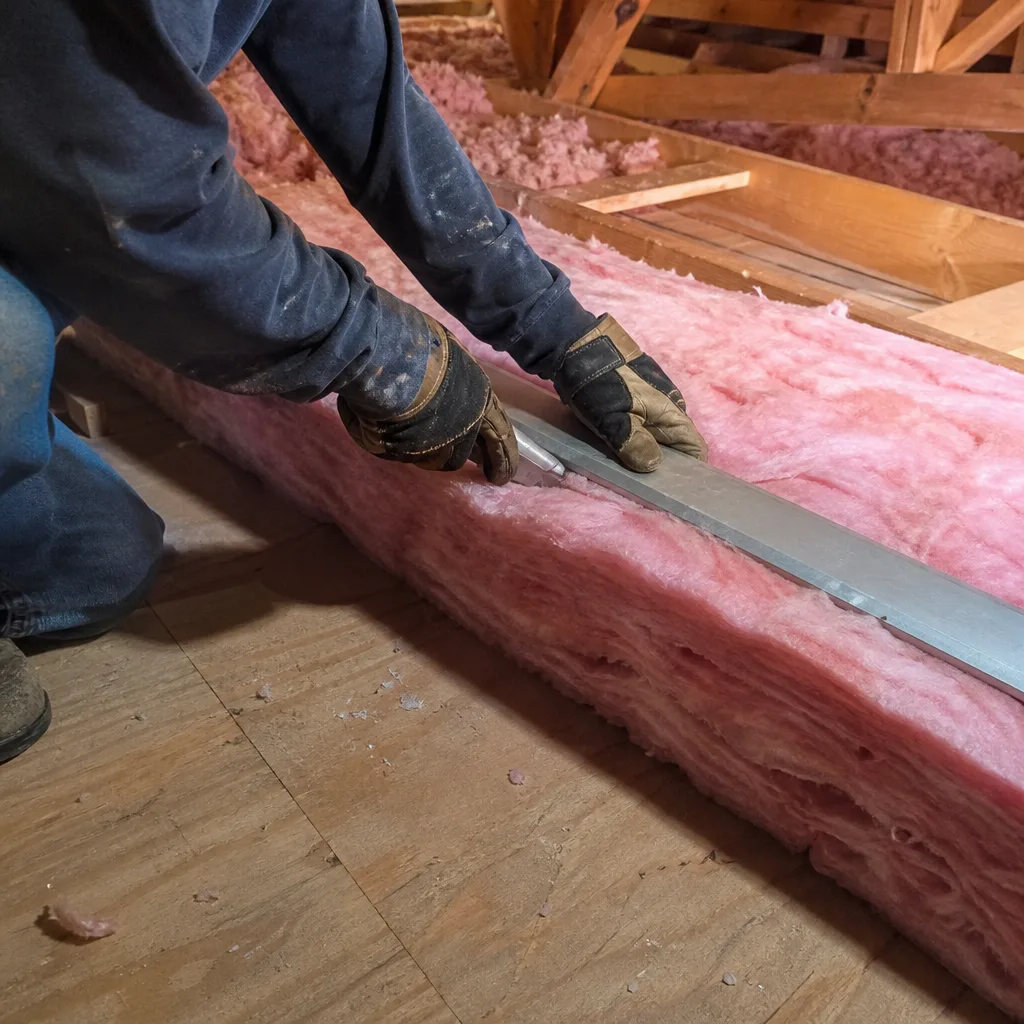
One job we did in Chevy Chase gives you a concrete answer. A 1920s Spanish Colonial with a clay-tile roof had an uninsulated attic hitting 145°F on a 98°F afternoon. Our crew lifted tiles without cracking them, cleared blocked soffit vents, installed a radiant barrier and a solar-powered roof vent. Attic temperature dropped to 112°F, and the homeowner told us the upstairs bedrooms finally held at 78°F instead of 88°F. That’s what radiant control does in Glendale’s foothills.
Trusted Brands We Service in Glendale
We carry Attic Insulation materials from eight brands because no single product fits every Glendale attic. Rockwool mineral wool gives Glendale homeowners fire resistance and sound dampening, which matters in foothill canyons during Santa Ana wind season. CertainTeed fiberglass offers dependable R-value at a mid-range price point for standard attic top-ups. For air-sealing and tight low-slope attic spaces where blanket material falls short, we install Icynene and Demilec spray foams. We stock parts and materials locally, so Glendale customers aren’t waiting on a supply order from another county.
Common Attic Insulation Problems We See in Glendale Homes
- Clay-tile roofs trapping heat. The tiles absorb solar gain all day and radiate it into the attic cavity. Without ventilation and a radiant barrier, attic temperatures in foothill canyons regularly exceed 140°F in summer.
- Settled insulation blocking soffit vents. In 1920s to 1940s bungalows with knob-and-tube-era framing, there’s often no room for baffles, so previous blown-insulation retrofits collapse over the intake vents and kill airflow.
- Tight low-slope attics above 91207 and 91208. Access is limited, crews skip the radiant barrier edges, and hot spots form along the roofline. The whole attic then bakes, even if some insulation is present.
- Older ranch homes with original framing and minimal top-up space. 1950s tract homes near downtown Glendale often have 2×4 ceiling joists, shallow attic cavities, and attic access hatches that make full-depth insulation difficult without addressing framing and ventilation first.
Pricing for Attic Insulation in Glendale, CA
Here are the ranges we actually see in Glendale. A basic attic insulation top-up for a 1,000 to 1,500 square foot attic runs $1,200 to $2,800 depending on material choice and how much existing insulation needs to be removed. Full attic insulation replacement on a typical 1920s or 1950s Glendale home lands between $3,500 and $7,500. Blown-in cellulose or fiberglass runs $1.00 to $1.80 per square foot. Spray foam for tight low-slope attics runs $2.50 to $5.00 per board foot. Attic ventilation repair adds $350 to $900. Radiant barrier is $1.50 to $3.00 per square foot. We give free estimates, and we’ll tell you if you don’t need the expensive option. Call (866) 271-1602 to schedule one.
We Also Serve Cities Near Glendale
Our Attic Insulation in Glendale crew regularly crosses into Burbank, La Cañada Flintridge, Echo Park, and Silver Lake for attic insulation and ventilation work. The same foothill heat patterns and older housing stock apply throughout this corridor, so if you’re a few blocks outside city limits, we’ve got you covered.
Serving Glendale, CA — Our Local Coverage Area
We’re based in the Glendale area and know this community well. Use the map below to see our service coverage — if you’re nearby, we can almost certainly help.
FAQs About Attic Insulation in Glendale
Your attic is hot because Glendale’s foothill canyons, especially above 91207 and 91208, trap heat, and your roof is absorbing solar radiation directly into the attic cavity. Traditional insulation slows conductive heat passing through the attic floor, but it does not stop radiant heat from baking the attic air itself. The fix is ventilation plus a radiant barrier, not more batts. Call (866) 271-1602 for a free attic assessment.
Yes. We lift clay tiles individually and replace them without cracking, which is standard practice for our Glendale crews. We’ve done it dozens of times on Chevy Chase hillside homes and Adams Hill properties with original Spanish Colonial roofs. The work is slower than a flat asphalt shingle job, but the roof stays intact.
For a low-slope attic in the foothills, the best strategy is usually a combination of wider baffles where framing allows, a solar-powered roof vent, and a radiant barrier to cut radiant gain before it heats the cavity. Standard ridge-and-soffit ventilation often underperforms in those tight spaces. Call us for an on-site evaluation and quote.
Yes, especially if your ranch has a south or west facing roof and you feel the upstairs or the ceiling getting hot by mid-afternoon. A radiant barrier in a mid-century ranch near downtown Glendale typically costs $1,800 to $3,600 depending on attic size, and the comfort improvement is immediate. It pays for itself faster than additional insulation in most of those homes.
We work through the existing attic hatch and adjust our material choice and installation method to the framing depth. In 1950s tract homes near Glendale with 2×4 ceiling joists, that often means blown-in cellulose or fiberglass rather than thick batts, and we may widen access temporarily if needed. We’ll tell you what’s possible before any work starts.
Written by Noel Arredondo, Owner at Fontana Insulation, serving Glendale attic insulation and ventilation since we started. Call (866) 271-1602 for a free estimate.