
Attic Insulation in Compton: What It Costs and Why Most Homes Need a Retrofit
Attic insulation in Compton typically costs between $1,800 and $4,200 for a full retrofit on the city’s classic postwar single-story homes, with blown-in fiberglass or cellulose running $1.50 to $3.50 per square foot installed. Most houses in Compton’s 90220, 90221, 90222, and 90223 zip codes were built between 1940 and 1965 and either never had adequate attic insulation or have material that’s settled to near-zero R-value. The work is usually completed in one day, and the payoff in a city where summer attic temperatures routinely pass 130°F is immediate. Call (866) 271-1602 for a free estimate tailored to your specific attic layout.
Key Takeaways:
- Compton’s 1940s – 1960s housing stock was rarely insulated to modern standards, so retrofit work is the norm here.
- Prices range from $1,800 – $4,200 for typical full-attic jobs; top-ups and removal run less.
- Small hallway scuttle access is common in Compton and requires specialized high-lift equipment most contractors don’t carry.
- Fontana Insulation stocks eight insulation brands and installs with no subcontractors.
Fast, Reliable Attic Insulation Across Compton
If you live in Compton, you already know the drill: summer hits and the upstairs hall feels like a furnace by 3 p.m. That’s not just the South Bay sun. It’s your attic thermal boundary failing. We’ve worked on hundreds of Compton homes between Rosecrans and Alondra, from the tree-lined blocks off Wilmington Avenue to the tight lots near Compton Creek. We know these houses. We know that a 1952 stucco tract home in 90221 with a low-pitch roof and a 16-inch hallway scuttle is a completely different job than a 1990s two-story in Carson. That’s why our crews carry high-lift blow machines and temporary hatch rigs standard; in Compton, they’re not optional. Whether you’re in 90223 near East Rancho Dominguez or 90220 off Long Beach Boulevard, call (866) 271-1602 and we’ll schedule an assessment that accounts for your home’s actual construction, not a generic square-footage chart.
Why Fontana Insulation Is Compton’s Preferred Attic Insulation Company
We’re an insulation specialist, not a general contractor who dabbles in batts. Noel Arredondo runs Fontana Insulation with a simple rule: recommend the material that fits the house, not the material sitting in the warehouse. That’s why we stock eight industry brands across four insulation categories – fiberglass from Owens Corning, Johns Manville, Knauf, and CertainTeed; mineral wool from Rockwool; open- and closed-cell spray foam from Icynene and Demilec; and cellulose from GreenFiber. A Compton homeowner with a fire-safety priority gets a different recommendation than one chasing air-sealing performance or recycled content. We carry competing brands at every price tier so the conversation stays honest. Compton customers regularly tell us the same thing: they’d called two other companies and gotten two different sales pitches plus a pressure close. We show up, measure, look at the scuttle, check the existing ventilation, and give you a straight answer with numbers behind it.
Our Attic Insulation team handles everything in-house: blown-in, batt, spray foam, top-ups, removal, baffle and ventilation prep. No subcontracted crews. If you’re in Compton and want someone who’s actually been inside these attics before, call us at (866) 271-1602.
Attic Insulation Removal in Compton
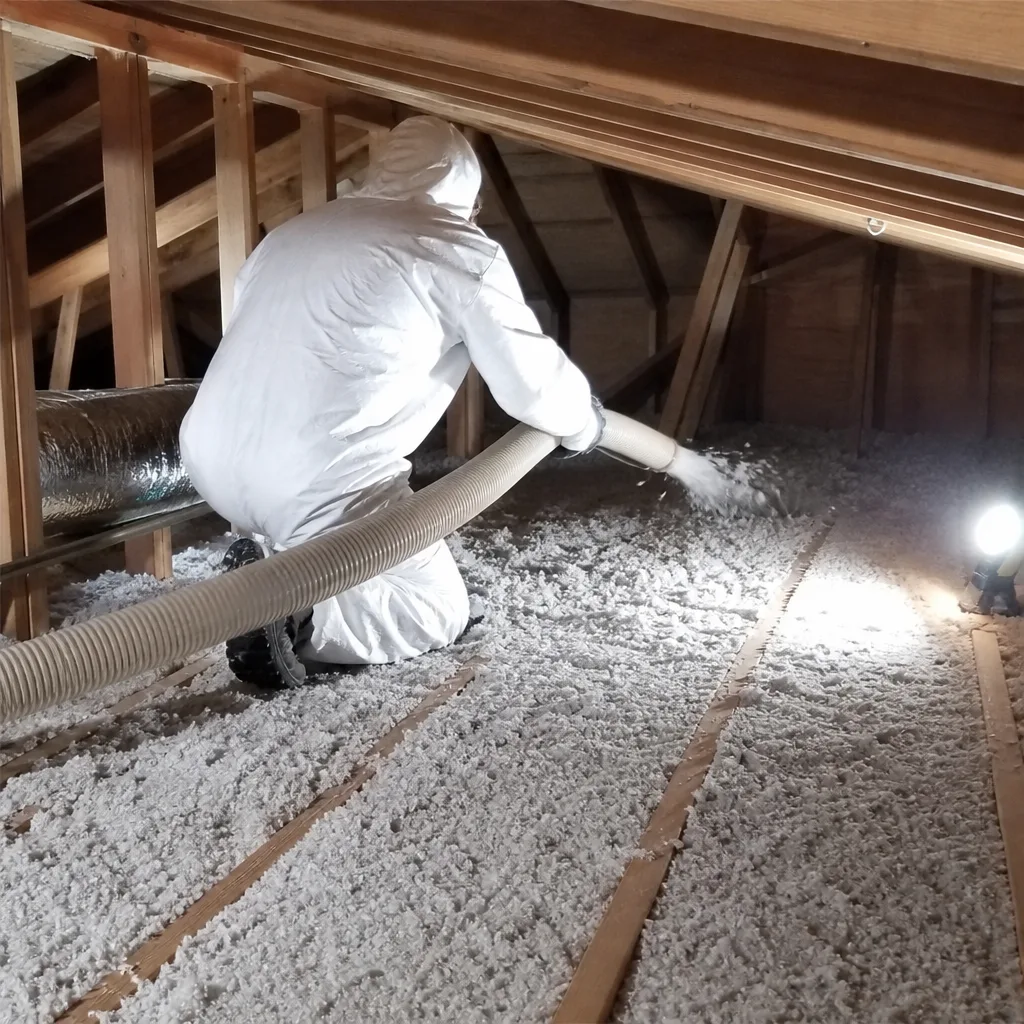
Attic Insulation Removal in Compton is the first step in nearly half the retrofit jobs we take on, because the original fiberglass or rock wool in 1940s and 1950s stucco homes has often degraded into a matted, rodent-damaged mess with an effective R-value close to zero. The job involves vacuuming out the old material, checking for wiring issues, sealing bypasses, and prepping the attic deck for fresh insulation. It typically runs $1.50 to $2.50 per square foot in Compton, depending on depth and contamination. If your attic smells musty, shows signs of rodent activity, or you’re seeing dust blow through ceiling fixtures, removal is the right call before you spend anything on new material.
Degraded Material and Pest Intrusion
In Compton’s older housing stock, attic insulation has usually been up there for 40 to 70 years. That’s long enough for fiberglass to compress, for rats and squirrels to nest in it, and for blown-in cellulose to absorb moisture from unsealed attic bypasses. Installing new insulation over that doesn’t solve the thermal problem; it just buries the evidence. We remove it, sanitize where needed, and start fresh.
Removal Before Air-Sealing Work
If we’re doing spray foam air-sealing on a Compton attic, the old insulation has to come out first so the foam can adhere to the ceiling plane and top plates. You can’t seal what you can’t see. Many of the older homes in 90221 and 90222 have gaps around light fixtures, vent stacks, and interior wall top plates that have been leaking air into the attic for decades. Removal gives us access to fix them.
Insulation Contractors in Compton
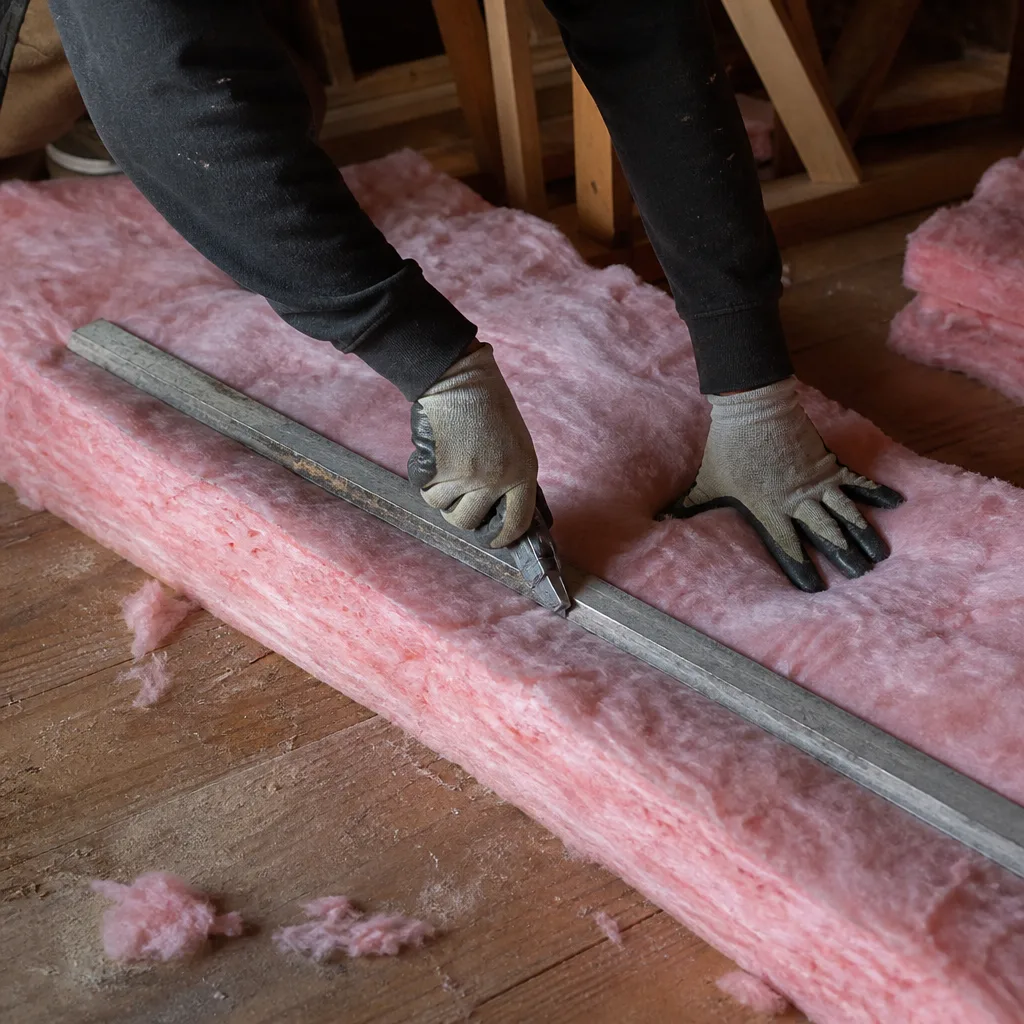
Insulation Contractors in Compton aren’t all the same, and the difference shows up fast when you’re dealing with a 1954 stucco house that’s never had a proper attic assessment. We’re licensed, insured, and bonded, and we’ve worked the city’s particular housing stock long enough to know what to expect before we open the hatch. Full retrofit installation on a typical 900 to 1,500-square-foot Compton home runs $1,800 to $4,200 including material, labor, and basic attic prep. If you’re just topping up existing insulation, expect $0.75 to $1.50 per square foot for blown-in fiberglass. If the attic needs new baffles or ventilation prep before insulation goes in, that adds $200 to $600 depending on roof configuration.
Material Matching for Compton’s Climate
Compton sits inland from the coast, so it doesn’t get the marine layer relief that Long Beach or Torrance do. Attics here bake. We lean toward blown-in fiberglass or cellulose for most retrofit attics because they cover uneven joist bays and settle into the nooks that batts miss. For houses where air-sealing matters as much as R-value, closed-cell spray foam from Demilec or Icynene is the better application. Rockwool comes into play for Compton homeowners who care about fire resistance and noise dampening, especially on busy streets like Rosecrans or Alondra.
Working the Small Scuttle Problem
Most Compton homes don’t have a pull-down attic stair. They have a small scuttle hatch in a hallway ceiling, maybe 18 by 24 inches. That changes the whole job. Standard blow machines don’t fit, and carrying batts through that opening is miserable and uneven. We carry high-lift equipment and temporary hatch extensions specifically for these houses. If a contractor quotes you without asking about attic access, be suspicious. That’s the single biggest variable on a Compton install.
Trusted Brands We Service in Compton
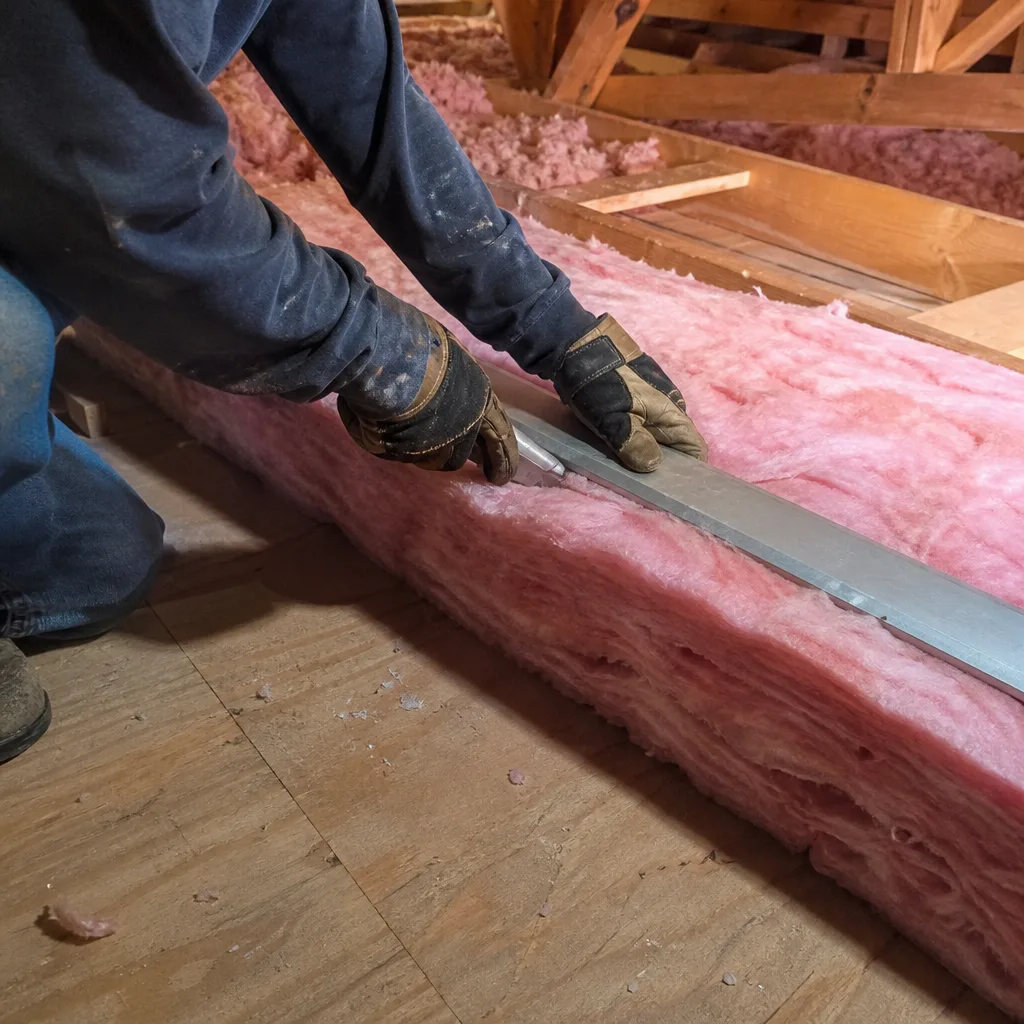
We stock and install CertainTeed, Rockwool, Icynene, and Demilec, along with four other brands, because no single material wins in every Compton attic. We carry CertainTeed fiberglass because it’s one of the most widely warrantied batt and blown-in products in the industry, and it’s a solid value for straightforward retrofit work. We carry Rockwool because mineral wool handles Compton’s heat without losing structure, and it gives homeowners fire resistance and sound control that fiberglass doesn’t. We carry Icynene and Demilec spray foam for the air-sealing jobs where blanket insulation can’t close the thermal gaps. Parts and materials arrive on our trucks the day we do; we don’t send you to a supply house and we don’t make you wait on backordered product. If you’re in Compton and want to talk through which material actually fits your attic, call (866) 271-1602.
Common Attic Insulation Problems We See in Compton Homes
- Settled or degraded original insulation. Many 1940s and 1950s homes in Compton still have the original thin fiberglass batts or blown rock wool, and after 60 plus years, it’s been compressed by heat, weight, and rodents to an effective R-value of maybe R-4 if you’re lucky. The fix is removal, air-sealing, and a fresh R-38 to R-49 install.
- Small hallway scuttle access. The low-pitch and flat-ish roof design common in Compton’s postwar tracts means attic access through a tiny hallway hatch. DIY blow-in kits jam, coverage goes uneven, and homeowners waste money. We rig temporary hatches and use high-lift machines built for exactly this condition.
- Unsealed attic bypasses dumping heat back into the house. Around ceiling electrical boxes, plumbing vents, and interior walls, hot attic air pushes into living space, and dust comes with it. New insulation without sealing these bypasses gives you maybe 60 percent of the performance you paid for. We seal first, then insulate.
- Detached garages and additions that never got insulated at all. Compton’s detached garages and later add-on rooms slip through retrofit permits. If a previous owner converted a garage or tacked on a bonus room in 90222, the attic above it may have zero insulation. We treat those separately from the main house attic.
Pricing for Attic Insulation in Compton, CA
Here’s the straight answer on what attic insulation work runs in Compton right now. Full blown-in attic insulation on a 1,000-square-foot attic runs $1,500 to $3,500, depending on target R-value and access complexity. Batt insulation on the same footprint runs $1,200 to $2,800. Attic top-ups, where existing insulation is still viable and we’re adding more, run $0.75 to $1.50 per square foot. Attic insulation removal runs $1.50 to $2.50 per square foot independent of the new install. Homes in 90221 and 90222 with small scuttle access and low-pitch roofs tend to land at the higher end of these ranges because of the equipment adaptation involved. Every quote includes the access solution; you won’t get a surprise line item for the temporary hatch rig. Call (866) 271-1602 for a free, written estimate with actual numbers for your attic’s square footage.
| Service | Typical Range in Compton |
|---|---|
| Attic Insulation Removal | $1.50 – $2.50 per sq ft |
| Blown-In Attic Insulation (full) | $1,500 – $3,500 |
| Attic Batt Insulation | $1,200 – $2,800 |
| Attic Insulation Top-Up | $0.75 – $1.50 per sq ft |
| Attic Baffles & Ventilation Prep | $200 – $600 |
We Also Serve Cities Near Compton
While this page is written for homeowners in Compton, our crews also work regularly in East Rancho Dominguez, West Rancho Dominguez, Carson, and Gardena. The housing stock changes block by block, but the attic challenges stay similar. If you’re just outside the Compton border, we likely serve you too.
Serving Compton, CA — Our Local Coverage Area
We’re based in the Compton area and know this community well. Use the map below to see our service coverage — if you’re nearby, we can almost certainly help.
FAQs About Attic Insulation in Compton
Because the original insulation in most Compton homes was installed decades ago, and by now it’s compressed, contaminated, or both. Fiberglass batts lose loft when compressed by heat and weight; blown rock wool from the 1950s doesn’t hold an R-value worth paying to preserve. Rodent droppings, dust, and moisture also accumulate. Pulling the old material out first lets us seal the attic bypasses and install a clean thermal boundary. Expect removal to add $1.50 to $2.50 per square foot to your total project cost. Call (866) 271-1602 and we’ll tell you whether removal is actually necessary in your attic or if a top-up is the better spend.
It’s the single biggest factor in a Compton attic job. Most postwar stucco homes here have a small hallway scuttle hatch, not a pull-down attic stair or a walk-in door. Standard blow machines don’t fit through that opening, and sending batts up piece by piece gives you uneven coverage. We carry high-lift equipment and rig temporary hatch extensions, so the job gets done without cutting into your ceiling or leaving insulation gaps. If a contractor hasn’t asked about your attic access, get a second quote.
For Compton’s inland South Bay heat, we target R-38 to R-49 in vented attics, with R-49 the standard for the older postwar stucco homes that dominate 90221 and 90222. In a house with a flat or very low-pitch roof and limited attic space, closed-cell spray foam at R-30 to R-38 often makes more sense because it air-seals and adds structural rigidity in less depth. The exact R-value depends on your attic’s ventilation, roof configuration, and whether we’re doing removal first. A free assessment with thermographic inspection tells us what you actually need.
Yes, but it means either cutting a new access hatch or working through an existing scuttle if there’s any roof cavity at all. Some Compton homes have flat or near-flat roofs with no true attic, and in those cases, closed-cell spray foam applied directly to the underside of the roof deck is the standard solution. It air-seals, adds R-value, and works in thicknesses as low as three to four inches. We’ve done this on remodels all over Compton, including commercial conversions along Long Beach Boulevard. Call (866) 271-1602 to have our crew assess what your roof structure will actually support.
Compton runs noticeably hotter than Long Beach or Torrance because it sits inland behind the marine layer, so summer attic temperatures here routinely climb past 130°F. That means R-value and air-sealing matter more in Compton than they do a few miles west. An R-38 attic in Compton does more annual thermal work than the same attic in Torrance, where the ocean air keeps the temperature swing moderate. For Compton, blown-in fiberglass or cellulose at R-49 is our default recommendation for vented attics. Air-sealing matters just as much as the R-value; a sealed, insulated attic is what actually stops the heat from forcing its way into your living space.
The Compton Housing Stock Problem: Not Built for This Heat
Compton’s residential streets are packed with single-story stucco tract homes built between the late 1940s and mid-1960s, mostly for aerospace and refinery workers. Most are 900 to 1,500 square feet on narrow lots, with low-pitch or flat roofs and detached garages. What they weren’t built with is meaningful attic insulation. We’ve opened scuttle hatches in 90221 and found nothing but a thin layer of settling dust where insulation used to be. The original single-pane aluminum windows and unsealed crawlspaces compound the problem. On a 1950s stucco house in 90221, we found the original attic insulation was nearly nonexistent and the scuttle opening was too small for standard equipment. We rigged a temporary hatch and used a high-lift blow machine to install Owens Corning blown-in insulation to R-49, sealing the space efficiently despite the tight access. That’s the typical Compton job: retrofit, weatherization, and attic thermal work on a house that was never designed for 100 degree heat.
This is why we treat Compton differently from neighboring cities. A tract home in Gardena might have attic access through a garage hatch; in Compton, it’s a hallway scuttle above the linen closet. A Carson house might have standard 24-inch truss spacing; Compton’s older wood-frame construction often has uneven joist bays that batts won’t fill cleanly. The houses are what they are. We adapt the equipment and the material choice to fit. That’s the whole reason we stock eight brands and three install methods; the house decides, not our inventory sheet.
Contact Fontana Insulation for Attic Insulation in Compton
If your Compton attic is under-insulated, over-heated, or you’re just tired of paying for air conditioning that leaks through the roof, call us. We’ll walk the attic, assess the access situation, check the existing ventilation, and give you a written quote with real numbers for your house; no vague ranges, no pressure. Fontana Insulation is licensed, insured, and bonded, and we install everything in-house with our own crews. Owned and led by Noel Arredondo, we’ve built our reputation in Compton on honest material recommendations and work that holds up to 130°F attic temperatures. Call (866) 271-1602 to schedule a free estimate.
Written by Noel Arredondo, Owner at Fontana Insulation, serving Compton and the surrounding South Bay area.