
Fast, Reliable Attic Insulation Across Brea
Attic insulation in Brea isn’t a one-size-fits-all job. Homes in 92821 face different problems than the hillside houses off Carbon Canyon in 92823, and we plan every quote around that split. Fontana Insulation brings 8 insulation brands and three installation methods to every job in Brea, from blown-in top-ups in older tract attics to full radiant barrier and ventilation corrections on sun-baked hillside roofs. If your upstairs runs hot by 4 p.m. or your AC can’t hold temperature, call us at (866) 271-1602 and we’ll diagnose it properly.
Why Fontana Insulation Is Brea’s Preferred Attic Insulation Company
We’re an insulation specialist, not a general contractor who happens to blow some fiberglass. That matters in Brea because the city’s housing stock is split into two very different builds: 1950s-70s single-story stucco tracts in central Brea and larger two-story hillside homes near Carbon Canyon. Each needs a different attic strategy, and we stock the materials to handle both without switching subcontractors.
Homeowners across Brea call us because we carry competing brands at every price tier: Johns Manville and CertainTeed for fiberglass batt and blown jobs, Rockwool for fire-rated and sound-dampening applications, and Icynene and Demilec spray foam for air-sealing where blanket insulation falls short. We don’t push the product that’s cheapest for us to stock. We match the material to your attic’s actual geometry, airflow, and sun exposure.
Noel Arredondo leads our crew, and the consultation model is simple: inspect the attic, check the soffit vents, measure the existing R-value, and then tell you what’s actually worth doing. Sometimes that’s a top-up. Sometimes it’s clearing buried vents and adding baffles before adding any insulation at all. Sometimes it’s a radiant barrier first. We’ll show you the problem before we quote a fix.
The result is an attic that stops cooking in Brea’s inland summer heat. We know the paint-over soffits in the La Floresta area, the low-pitch attics east of Brea Boulevard, and the heat-cycling issues in the canyon-edge developments. That local familiarity means faster diagnosis and fewer return trips.
Attic Insulation Services We Offer in Brea
Every Brea home starts with an attic inspection. Here’s what we commonly install and correct:
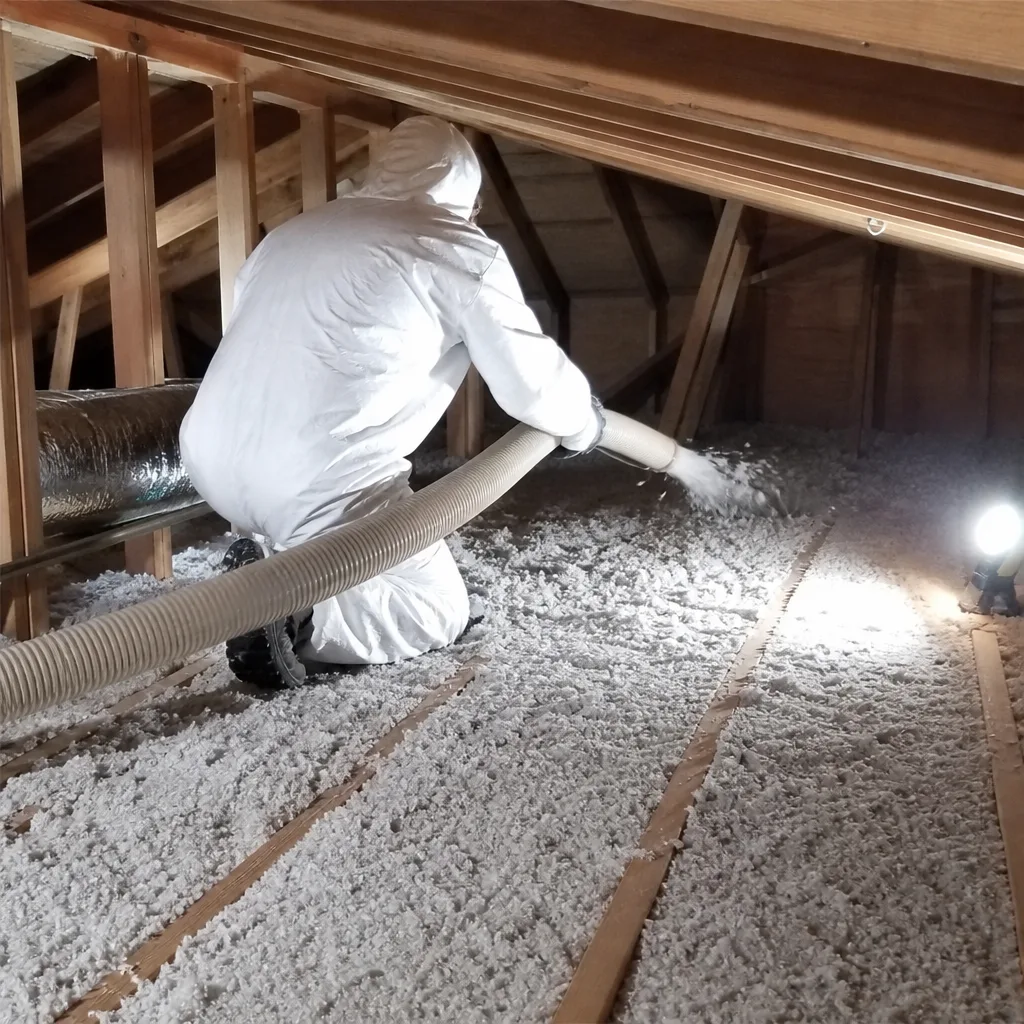
- Blown-In Attic Insulation: Fast coverage for open attics, especially in older Brea tracts where the original batts have compressed. GreenFiber cellulose or Johns Manville fiberglass, blown to your target R-value.
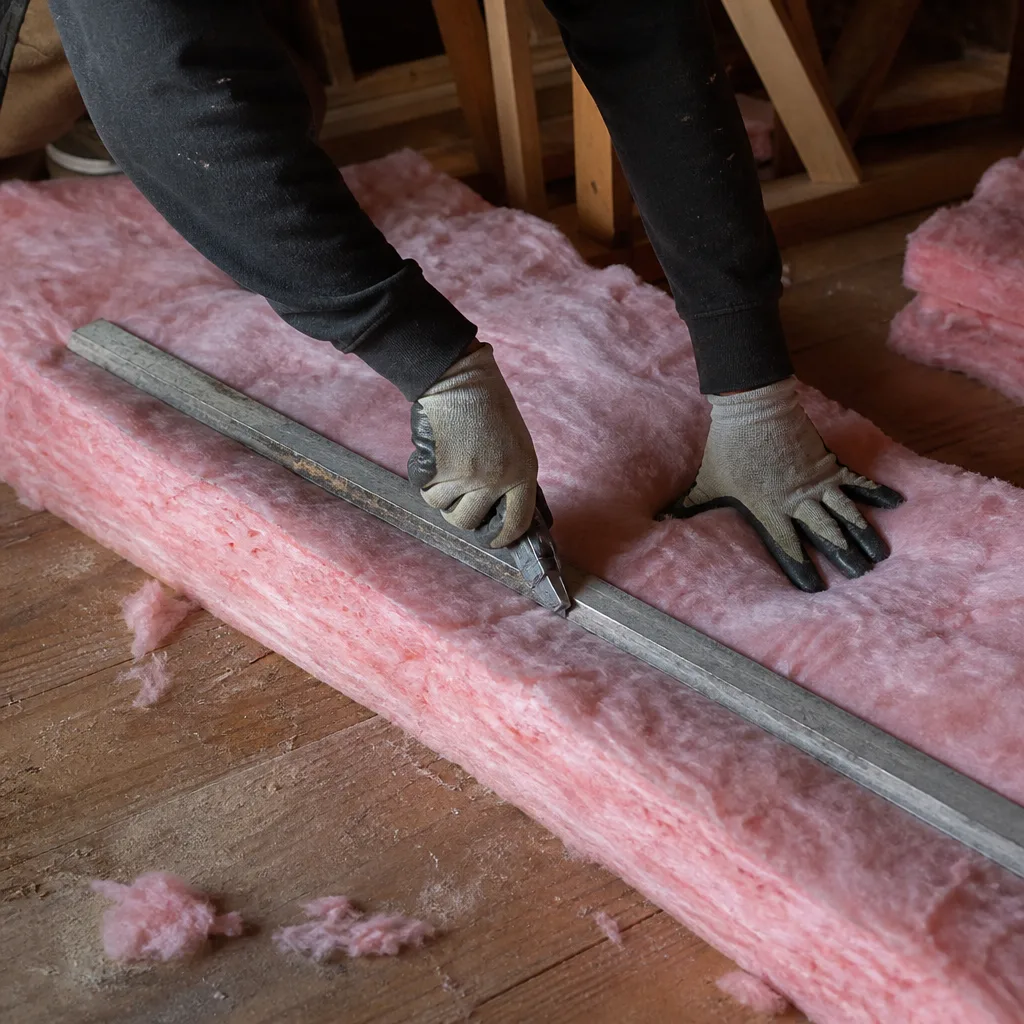
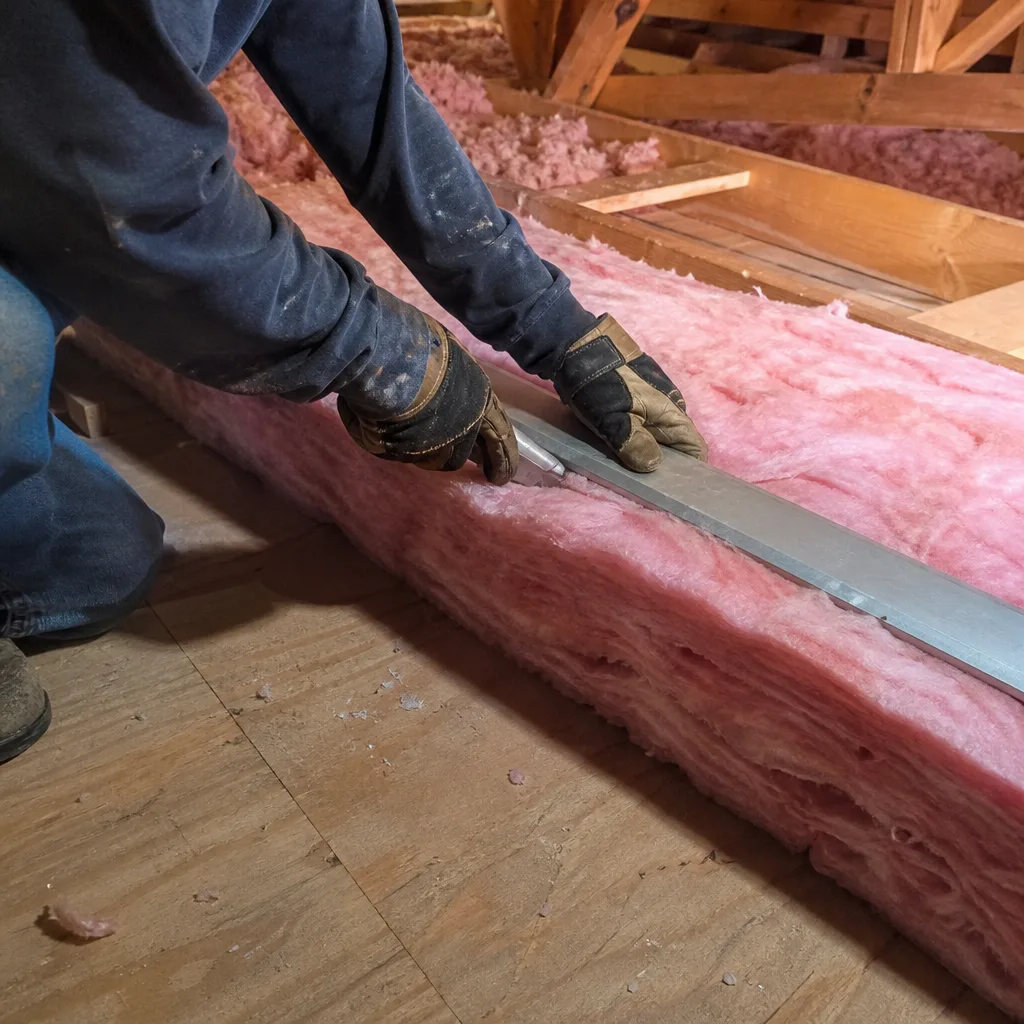
- Attic Batt Insulation: Johns Manville, Knauf, or CertainTeed batts cut to fit low-pitch attics in 92821 homes, including knee-wall applications in hillside two-story builds.
- Attic Insulation Top-Up: Add fresh blown insulation over settled or thin existing material. But we check ventilation first, because a top-up over blocked soffits makes Brea attics hotter, not cooler.
- Attic Insulation Replacement: Pull out compressed, sagging, or rodent-damaged insulation and start over with fresh material matched to the attic’s actual R-value needs.
- Attic Baffles & Ventilation Prep: Clear paint-over or insulation-blocked soffit vents, install baffles, and restore intake airflow before adding insulation. This is the single most overlooked correction in central Brea attics.
What happens when you call
- 1
A real person answersNo phone trees — you reach a local pro.
- 2
You get an upfront price rangeHonest numbers before anyone is dispatched.
- 3
A background-checked tech heads outLicensed & insured, dispatched right away.
- 4
You approve before work beginsNothing starts until you say go.
Attic Ventilation in Brea
Attic Ventilation in Brea is the correction we address before any serious insulation quote in the flatland tracts of 92821. Older Brea homes, particularly the 1950s and 60s stucco tract houses, were built with passive soffit and ridge venting that worked fine until insulation was added over the years. We regularly find soffit vents buried under blown-in fiberglass or painted shut, which kills intake airflow and turns the attic into a heat box.
The fix isn’t complicated: clear the soffit path, install baffles so future insulation can’t block it again, and verify the ridge or gable exhaust is still functioning. On hillside homes in 92823, we also check that dryer vents and duct insulation haven’t broken down from repeated summer heat cycling. A blocked soffit on a Carbon Canyon-adjacent home means attic air can hit 140 degrees or more, and that heat pushes straight into the upstairs ceilings.
Ventilation work in Brea typically runs between $400 and $950 for soffit clearing, baffle installation, and vent verification, depending on attic access and how many soffit bays are blocked. If you need a full ridge vent added or a powered attic fan, that’s a larger scope we’ll quote separately after inspection.
Soffit Baffles and Intake Airflow
Baffles are the cheap fix that changes everything in a low-pitch Brea attic. They hold the insulation back from the soffit vent so outside air can actually enter the attic. Without them, even a fresh insulation top-up will choke the airflow again within a year. We quote baffles on nearly every 92821 attic we touch.
When Ventilation Comes Before Insulation
If your central Brea attic has thick, settled insulation but the upstairs still bakes by mid-afternoon, the problem is usually ventilation, not R-value. Fix the airflow first, then reassess insulation. We tell Brea homeowners this upfront, and it’s a big reason our jobs hold temperature through the city’s inland summer stretches and Santa Ana wind events.
Radiant Barrier in Brea
Radiant Barrier in Brea is the most effective single upgrade for the sun-exposed hillside homes in 92823, where afternoon roof temperatures climb well past what attic insulation alone can manage. A radiant barrier is a reflective foil installed on the underside of the roof deck or rafters. It doesn’t replace insulation; it reflects radiant heat before it ever reaches the attic floor.
For canyon-edge homes near Carbon Canyon, where the roofline catches direct sun from early afternoon to sunset, a radiant barrier will drop attic temperatures more noticeably than adding another 6 inches of blown fiberglass. It also reduces the heat load on ductwork and dryer vents running through the attic, which slows the breakdown we see from repeated heat cycling in those homes.
Radiant barrier installation in Brea runs roughly $1,200 to $2,800 for a standard two-story hillside attic, depending on roofline complexity and access. For smaller single-story homes in 92821, expect between $900 and $1,800. We pair it with ventilation checks because a radiant barrier over a blocked-soffit attic won’t perform to its potential.
Radiant Barrier vs. More Insulation
Insulation slows heat transfer through conduction. A radiant barrier stops heat transfer through radiation. In Brea’s inland summer, radiation is the bigger enemy, especially on the hillside lots that face the afternoon sun. If your upstairs ceilings are hot to the touch by 5 p.m., that’s a radiant problem. Insulation alone won’t solve it.
Duct Protection in Hot Attics
Hillside homes in 92823 run attic ductwork through spaces that hit extreme temperatures in July and August. Duct insulation degrades faster, dryer vents crack, and conditioned air warms up before it reaches the rooms. A radiant barrier reduces that attic heat load and extends the life of the duct insulation. It’s a compounding benefit we explain during every Carbon Canyon-area quote.
Trusted Brands We Service in Brea
Fontana Insulation stocks and installs eight nationally recognized insulation brands, so a Brea quote is never limited to one product line. We carry Johns Manville and CertainTeed for fiberglass batt and blown applications, Knauf for budget-conscious attic work that still hits proper R-value, and Rockwool for Brea homeowners who want fire resistance and sound dampening alongside thermal performance. For air-sealing and hard-to-reach attic geometry, we install Icynene and Demilec spray foam. On a 1960s tract home near the Brea Mall side of 92821, our tech found original thin batts buried under a layer of blown-in fiberglass that had been dumped straight over the soffit vents, choking intake airflow and cooking the attic. We cleared and baffled the soffits, then went back with Johns Manville batts over a fresh radiant barrier, and the homeowner’s late-afternoon ceiling heat dropped noticeably within the first week. That’s the kind of brand-matched correction we do regularly.
Common Attic Insulation Problems We See in Brea Homes
- Buried soffit vents in 92821 tracts. Original soffit vents get painted over or buried under added insulation, which kills attic airflow and stratifies heat fast. We clear and baffle these before we ever quote an insulation top-up.
- Compressed 1950s-70s batts in low-pitch attics. The original fiberglass batts in central Brea tract homes sag and compress over decades, leaving bare drywall with no effective R-value and zero radiant barrier. A top-up over compressed material still underperforms, so we typically replace or re-layer properly.
- Sun-driven heat gain in Carbon Canyon and 92823 hillside builds. Larger two-story homes with complex roof and knee-wall geometry pick up intense afternoon heat. Insulation alone can’t keep up without a radiant barrier and solid attic ventilation.
- Duct and dryer-vent insulation failures from heat cycling. Brea’s inland summer heat cycles, plus Santa Ana events, break down duct insulation and dryer vents in hillside attics faster than in coastal cities. We inspect these during every hillside attic call and flag failures before they leak conditioned air into the attic.
Pricing for Attic Insulation in Brea, CA
Here’s what our Attic Insulation work runs in Brea’s market. A blown-in insulation top-up for a standard 92821 tract attic runs $900 to $1,800 depending on existing coverage and target R-value. Full replacement with batt insulation in a 1,200 to 1,800 square foot single-story runs $2,200 to $4,500. Attic ventilation correction, including soffit clearing and baffles, runs $400 to $950. Radiant barrier installation for a hillside home in 92823 runs $1,200 to $2,800. Material choice moves the number: Knauf fiberglass lands at the lower end, Rockwool and certain CertainTeed batts at the higher end, and spray foam for full air-sealing starts around $3,500 for partial attic applications. We’ll do a free attic inspection in Brea before quoting anything, so the number reflects your actual attic, not a guess. Call (866) 271-1602 to book it.
We Also Serve Cities Near Brea
Fontana Insulation works throughout Brea and the surrounding North Orange County cities. We regularly take calls from homeowners in Placentia, Rowland Heights, Fullerton, and Yorba Linda who need the same brand-matched, ventilation-first attic work we do in Brea. If you’re in one of those areas, the same material selection and honest diagnosis applies. Call (866) 271-1602 and we’ll schedule your inspection.
Serving Brea, CA — Our Local Coverage Area
We’re based in the Brea area and know this community well. Use the map below to see our service coverage — if you’re nearby, we can almost certainly help.
FAQs About Attic Insulation in Brea
Start with a soffit vent inspection. In the older central Brea tracts, we find blocked or painted-over soffit vents on most of these homes, and adding insulation over dead ventilation makes the attic hotter. We’ll clear the vent path, install baffles, then reassess insulation. In most cases, that means replacing the compressed original batts and adding a radiant barrier if the roofline catches significant afternoon sun. Call (866) 271-1602 and we’ll walk the attic with you.
Hillside homes in 92823 catch more direct afternoon sun than the flatland tracts, and the attic spaces are larger with more roof surface area. A single R-value number doesn’t solve sun-driven radiant heat. Your hillside home needs a radiant barrier on the roof deck plus proper attic ventilation, and possibly upgraded duct insulation. We’ve corrected this exact issue in multiple Carbon Canyon-area homes. The fix usually lands between $1,200 and $3,500 depending on roofline complexity.
If your attic is hot, your upstairs ceilings are warm by late afternoon, and there’s thick settled insulation in the attic, there’s a good chance the soffit path is blocked. We inspect by crawling to the soffit line and checking whether the vent openings are clear or buried. You can also look from outside for paint covering the vent slots. We find blocked soffits on the majority of 92821 tract homes we service, and the fix is straightforward. Call us for an inspection and we’ll confirm it in person.
Yes. Brea’s inland foothills location means longer stretches of intense afternoon heat than coastal Orange County cities, and the attic spaces in hillside 92823 homes hit temperatures that break down duct insulation and dryer vents faster. We see cracked jacket insulation and detached vent seams on canyon-edge homes every summer. A radiant barrier plus proper ventilation reduces that heat load and extends the life of those materials.
It depends on where in Brea you live. In the flatland tracts of 92821, more insulation often makes sense first, as long as the soffit vents are clear. In the hillside and Carbon Canyon areas of 92823, a radiant barrier usually delivers a bigger comfort improvement because the problem is sun-driven radiant heat, not just conducted heat. In many homes, the right answer is both. We’ll inspect your attic and tell you which correction matters more for your specific address. Estimates are free; call (866) 271-1602 to schedule.
Written by Noel Arredondo, Owner at Fontana Insulation, serving Brea and the surrounding North Orange County area.