
Fast, Reliable Attic Insulation Across Banning
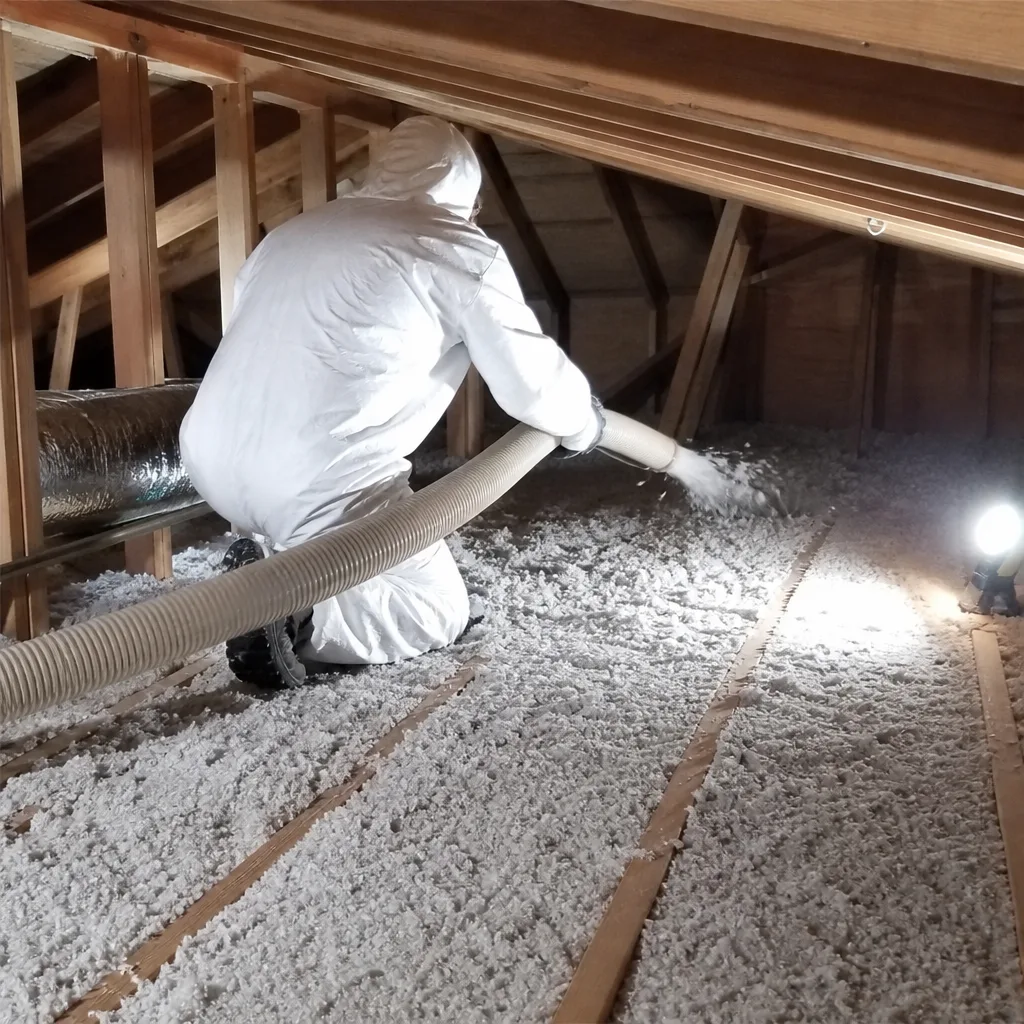
Attic insulation in Banning isn’t just about adding R-value. It’s about controlling what the San Gorgonio Pass wind does to your thermal boundary. Most Banning attics we inspect have two problems at once: aging or missing insulation and air leaks that let that relentless east-west wind push hot desert air through the envelope. We’ve been servicing homes throughout the 92220 zip code long enough to know that a west-facing attic in Banning ages differently than a leeward one. Call (866) 271-1602 for a free estimate, and we’ll tell you exactly what your attic actually needs before any material gets ordered.
Why Fontana Insulation Is Banning’s Preferred Attic Insulation Company
Homeowners in Banning call us because we treat air sealing and insulation as one job, not two separate upsells. That matters here more than almost anywhere else in the Inland Empire. The San Gorgonio Pass wind exposes insulation failures that would stay hidden in Calimesa or Yucaipa. Our crews know what wind-scoured batts look like, how to spot the gap between top plate and drywall that’s been leaking for decades, and why adding R-value before sealing is money that literally blows away.
Noel Arredondo built Fontana Insulation around a simple idea: carry the full toolbox and match the material to the home. That’s why Banning homeowners get real options when we quote a job. Fiberglass from CertainTeed or Johns Manville might be right for one attic. A manufactured home on the pass side might need Rockwool for its density and wind resistance. A low-slope ranch roof with no ventilation might benefit from closed-cell spray foam. We don’t push one brand because we don’t have to. We carry eight, and the recommendation comes from what your house is doing, not what’s sitting in the warehouse.
Banning’s housing stock runs older and more modest than the new developments to the west. Mid-century ranch homes, retiree-built block houses, and manufactured homes all have different attic realities. We’ve worked all of them, and we’ll tell you honestly whether you need a full replacement or just a top-up and air seal. That’s the consultation model: no brand loyalty, just the best fit for your attic.
Radiant Barrier in Banning
Radiant barrier in Banning addresses what R-value alone can’t: the unrelenting solar load that turns unshaded roof decks into 140-degree radiators over your living space during summer. At roughly 2,000 feet elevation on the desert edge, Banning gets intense direct sun with sharp day-night swings. A radiant barrier installed under the roof deck reflects a large share of that radiant heat before it ever reaches your insulation, which keeps the attic itself cooler and reduces what your AC has to fight.
Where It Makes the Most Difference
Homes with little shade, low-pitch roofs, or ductwork running through the attic see the biggest change from a radiant barrier. In Banning’s older ranch neighborhoods like the Sunset area, attics routinely hit 130 degrees or more on July afternoons. A radiant barrier can drop attic air temperature by 20 degrees or more on a clear day, which translates directly to less heat pushing through your ceiling insulation and into the house.
Typical Costs and Installation
A radiant barrier install in Banning typically runs $1,200 – $2,800 depending on attic size, roof pitch, and whether we’re pairing it with new insulation or a top-up. On the west-facing side of a home near Wilson Street or the older blocks off Ramsey, the payback is fastest because that’s where afternoon sun hits hardest. We install it as a foil layer under the rafters or as a foil-faced decking product in new construction, and it works alongside any insulation type you already have or choose to add.
Attic Cleaning Services in Banning
Attic cleaning services in Banning go beyond tidying up. Wind-blown dust and fine desert grit accumulate in Banning attics faster than in neighboring cities because the San Gorgonio Pass constantly drives airborne particulate through any gap in the eaves, gable vents, or soffits. Add decades of rodent activity and settled fiberglass, and many older Banning attics are holding contaminants you don’t want your duct system recirculating. We remove old insulation, sanitize, and prep the space for new material that will actually perform.
What We Remove and Why It Matters
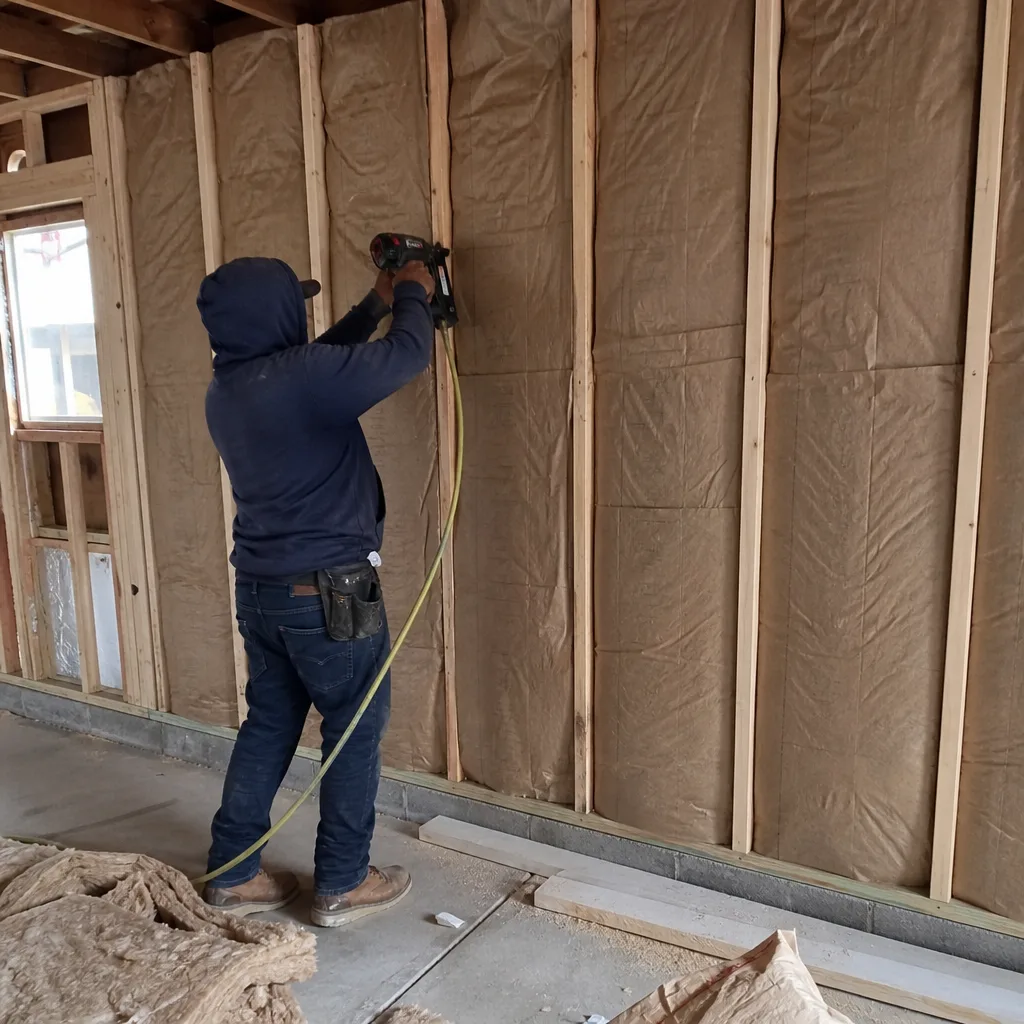
We extract old batts, blown-in material, rodent nests, dried droppings, and wind-deposited debris that’s accumulated over 30 to 60 years in Banning’s older homes. Then we vacuum and treat the deck surface. This isn’t cosmetic. Compressed, dirty, or pest-damaged insulation loses its thermal performance, and leaving it under new material just creates a hidden failure layer. For homes where ductwork runs through the attic, cleaning is the single best way to stop attic dust from cycling into your living space every time the AC kicks on.
Cleaning and Replacement Packages
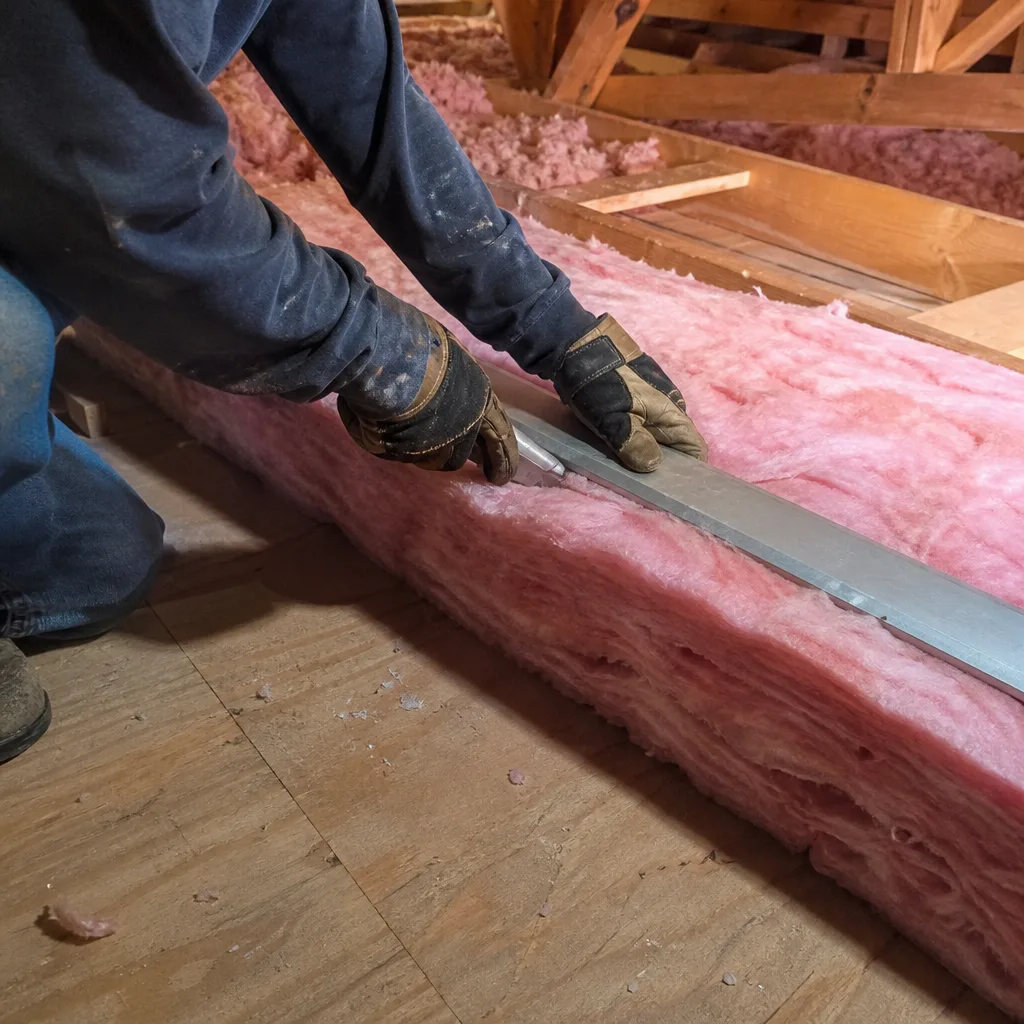
A full attic cleaning in Banning typically runs $900 – $2,200 depending on attic square footage, accessibility, and how much material has to be hauled out. We pair cleaning with insulation replacement more often than not in Banning, because once you see what’s up there, adding new insulation over the top of it stops making sense. The combination clears the old failure points and lets you start the air sealing step on a clean deck.
What happens when you call
- 1
A real person answersNo phone trees — you reach a local pro.
- 2
You get an upfront price rangeHonest numbers before anyone is dispatched.
- 3
A background-checked tech heads outLicensed & insured, dispatched right away.
- 4
You approve before work beginsNothing starts until you say go.
Trusted Brands We Service in Banning
We stock and install Johns Manville, Knauf, Rockwool, and CertainTeed products, which means Banning homeowners get access to materials most local contractors don’t carry. Rockwool matters here for its density and wind resistance, which holds up better against Pass-driven air movement than lighter batts that shift and compress over time. CertainTeed and Johns Manville give us the workhorse fiberglass options for top-ups and full replacements, while Knauf’s blown-in products work well for irregular attic floors and tight access spaces common in older Banning homes. The point isn’t the brand logo. It’s getting the material that matches your attic’s specific problem and budget.
Common Attic Insulation Problems We See in Banning Homes
- Wind-scoured insulation on the windward side. San Gorgonio Pass gusts push fiberglass batts back from the eaves on west-facing attic slopes, leaving bare drywall and gaps that act as thermal shortcuts. The leeward side often looks untouched, which is why a quick glance from the attic hatch tells you almost nothing.
- Settled or missing insulation in manufactured homes. Banning has a high concentration of manufactured and mobile homes built with thin original batts and leaky ductwork. Hot desert air infiltrates the envelope, and the AC system ends up fighting air that’s entering through the attic, not cooling the rooms.
- Radiant heat gain through uncoated roof sheathing. Sharp day-night temperature swings mean attics in Banning absorb a huge solar load during the day and radiate it into the living space after sunset. Insulation alone can’t stop radiant gain, which is why attic temps here routinely run higher than the outdoor air.
- Air leaks at top plates and penetrations. The same wind that scours insulation forces hot air through the gaps around electrical boxes, vent pipes, and the seam where interior walls meet the ceiling. Without air sealing first, new insulation gets bypassed by moving air, and the house still feels hot.
Pricing for Attic Insulation in Banning, CA
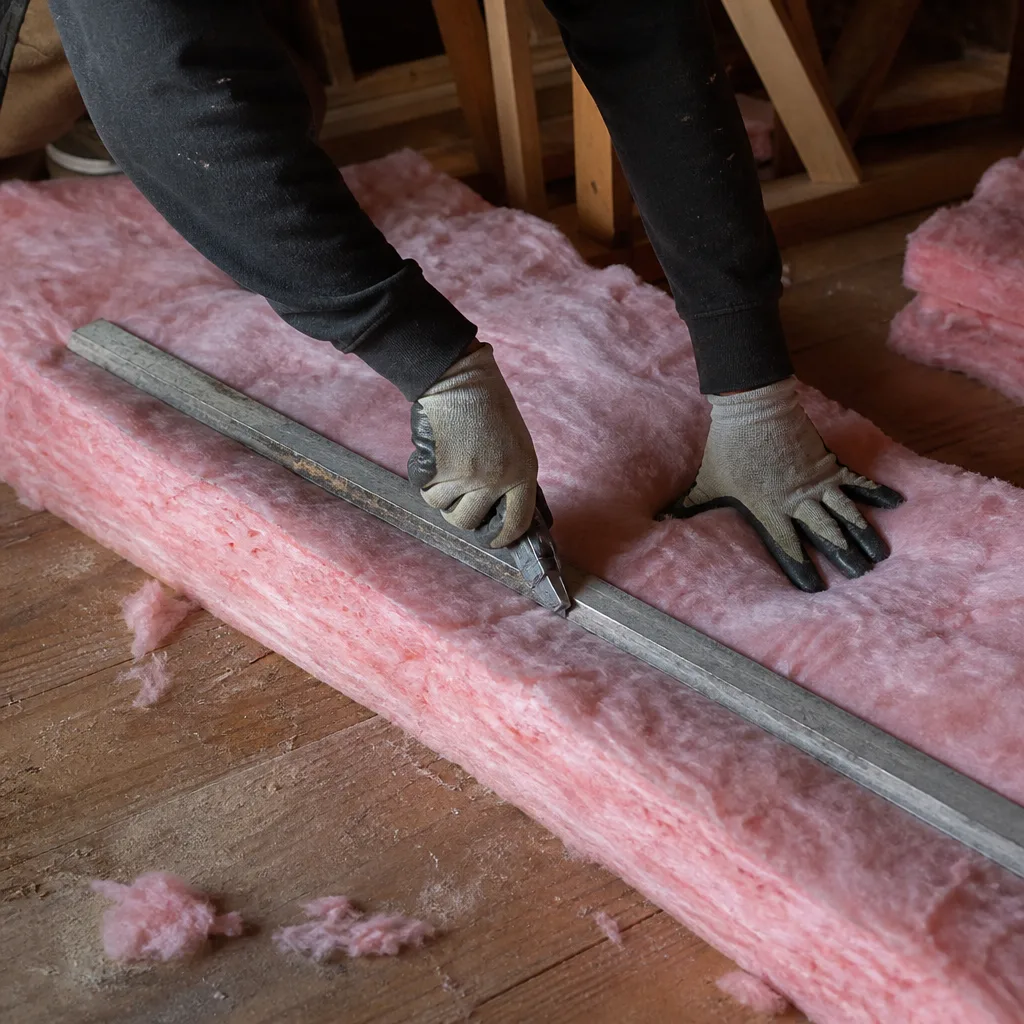
Attic insulation in Banning runs a wide range because home sizes and conditions vary as much as the wind gusts. A straight batt top-up over existing material typically lands between $900 and $1,800 for a standard 3-bedroom home. Full removal, cleaning, air sealing, and new R-38 batts or blown-in material runs $2,800 to $6,500 depending on square footage, access, and how much air sealing the attic needs. Radiant barrier adds $1,200 to $2,800. The single biggest cost variable in Banning is air sealing: attics on the windward side of the pass almost always need more sealing work than leeward attics, and skipping it means paying for insulation twice. Call (866) 271-1602 for a free estimate with real numbers, not a vague range.
We Also Serve Cities Near Banning
If you’re in Cabazon, Calimesa, Yucaipa, or Valle Vista, you’re in our service area too. We send crews through the pass regularly, so Attic Insulation work gets scheduled just as quickly for homes in the surrounding foothill communities as it does in Banning itself. Same team, same material-agnostic approach, same willingness to tell you what you actually need.
Serving Banning, CA — Our Local Coverage Area
We’re based in the Banning area and know this community well. Use the map below to see our service coverage — if you’re nearby, we can almost certainly help.
FAQs About Attic Insulation in Banning
The San Gorgonio Pass wind drives through attic vents and gaps with enough force to physically push loose batt insulation back from the eaves and pile it toward the center or leeward side of the attic. This is a Banning-specific pattern, and it means the windward underside of your roof deck is exposed, letting heat transfer through bare drywall while the piled insulation does nothing. The fix is anchoring or replacing the material and air sealing any opening the wind is using to get in.
Yes, for most Banning homes it’s one of the highest-payback upgrades available. A radiant barrier blocks radiant heat gain at the roof deck, which is exactly what drives attic temperatures here to 130 degrees and higher during clear summer days. It works even better when combined with proper air sealing, because cool air stays put and the attic stops acting as a heat reservoir after sunset. Call (866) 271-1602 for a quote if you want numbers on your specific roof.
Check the attic insulation first, especially if the home is original construction. Manufactured homes in Banning often have thin, settled original batts and ductwork that’s leaky or poorly sealed. Hot air from outside gets pulled into the envelope through the attic floor and duct joints, which makes the AC run constantly while rooms stay warm. An inspection usually finds missing insulation over the duct runs and gaps at the top plates that need air sealing before any material is added.
Yes, and we do this regularly for Banning’s snowbird and seasonal residents. If you’re heading out for months at a time, the best window for insulation and air sealing work is before you leave, so the house isn’t baking or bleeding heat while it’s empty. We’ll schedule the job around your departure date, finish the work while you’re still home to inspect it, and make sure the attic is buttoned up tight for the months you’re gone.
How do you keep new attic insulation from blowing away in Banning’s wind?
We air seal first, then select and install material that resists wind displacement. That means options like Rockwool batts for their density and rigidity, or blown-in cellulose that locks into place across the attic floor, plus vent baffles that prevent wind from channeling directly across the insulation surface. Sealing the gaps at eaves, gable ends, and penetrations removes the wind’s pathway, which is the only way to keep any insulation in place on the windward side. Call (866) 271-1602 for a free attic assessment.
What Banning’s Wind Means for Your Attic
Here’s something you won’t read in a generic insulation guide. Banning sits in the San Gorgonio Pass, one of the most consistently windy corridors in Southern California. It’s the same wind that spins the turbines on the hills to the east. That wind doesn’t stop at the roof line. It pushes into attics through every gap in the eaves, gable vents, and soffit corners, and on the windward side of the home it physically moves insulation. We’ve opened attics where the west-facing slope was stripped bare of fiberglass while the east side sat untouched. Homeowners had assumed the problem was simply heat gain, but half their attic had no insulation in contact with the roof deck at all.
This is why our process in Banning always starts with air sealing. On a 1960s ranch home in the Sunset Neighborhood, our crew found the original fiberglass batts on the west-facing attic slope completely compressed and blown back from the eaves, exposing bare drywall. We air-sealed every top plate and penetration with closed-cell foam, then installed Owens Corning R-38 batts and a radiant barrier to block the intense afternoon sun. The homeowner reported the upstairs rooms stayed 8 to 10 degrees cooler the following summer, even during high-wind days. Without the sealing step, that new insulation would have met the same fate as the old batts within a few seasons.
That’s the Banning-specific lesson: air sealing isn’t an add-on. It’s the prerequisite. R-value matters, but only when the air moving through your attic stops carrying heat past the insulation entirely. If you live off Eighth Street, up in the hills near Sun Lakes, or in the manufactured home communities along Ramsey, your attic is dealing with a wind load most insulation contractors never account for. We do.
Written by Noel Arredondo, Owner at Fontana Insulation, serving Banning and the San Gorgonio Pass communities.