
Fast, Reliable Attic Insulation Across Villa Park
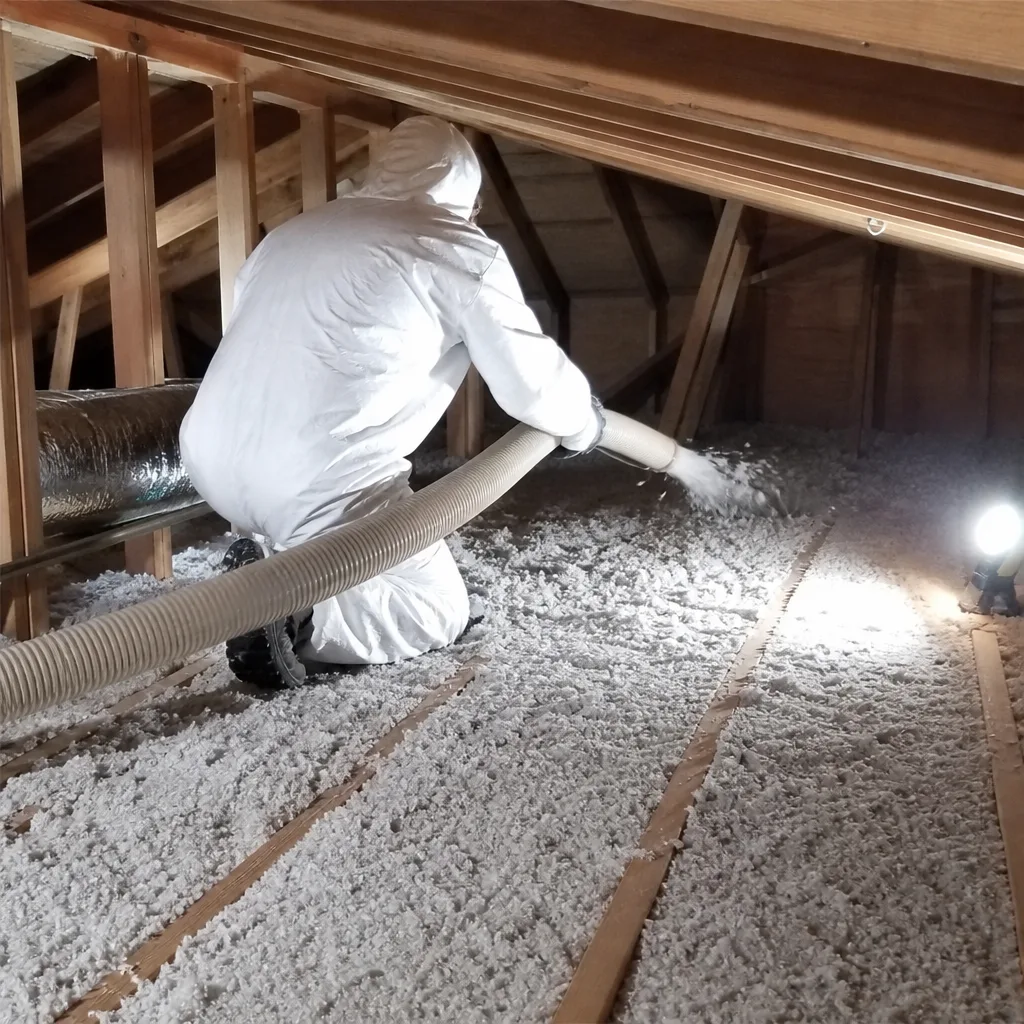
Attic insulation in Villa Park typically costs $1,800 to $6,500 for a full custom-home project, with most jobs completed in one to two days. That range covers everything from top-ups on older batts to complete removal and replacement with blown-in fiberglass, mineral wool, or spray foam. Our crews know Villa Park’s streets, its lot patterns, and the specific ways its homes handle heat and shade. Call (866) 271-1602 for a free attic assessment and a number that matches your house, not a generic square-footage formula.
This is a small city. We’re in and out of Villa Park on a regular basis, and we’ve worked on homes along Villa Park Road, in the wooded interior off Serrano Avenue, and throughout the 92861 zip code. When you call, you reach our scheduling desk directly. We know which side of the city you mean when you describe your street by its trees rather than its cross-streets.
Why Fontana Insulation Is Villa Park’s Preferred Attic Insulation Company
Villa Park homeowners tend to ask harder questions than most. These are custom homes, often with original architectural details and later additions that changed the roofline, the HVAC zones, or both. That means the right insulation answer is rarely the same from one house to the next. We carry eight brands across four material categories because a 1960s ranch on a sun-exposed lot needs something different from a 1990s two-story tucked under oaks.
Noel Arredondo runs our crews with a simple rule: match the material to the house, not the other way around. That’s why we stock Owens Corning, CertainTeed, and Johns Manville fiberglass alongside Rockwool mineral wool and GreenFiber cellulose. When a Villa Park attic calls for spray foam, we install Icynene and Demilec open- and closed-cell systems. We don’t push whatever’s left in the warehouse. We let the attic tell us what it needs.
Our reputation in Villa Park is built on showing up when we say we will and leaving attics cleaner than we found them. Homeowners here notice details, and so do we.
Attic Ventilation in Villa Park
Attic Ventilation in Villa Park matters more than in most places because of the mature tree canopy that shades so many lots. Shade sounds like a cooling benefit, and it is for the living space below. But it creates a different problem in the attic: trapped moisture. Thick overhead cover slows evaporation, and when soffit vents get clogged with leaf litter and fine debris from oaks and sycamores, the attic stops breathing. That’s when insulation gets damp, R-value drops, and the musty smell starts drifting through can-light openings into the house.
Clearing and Restoring Soffit Flow
A proper ventilation job on a Villa Park custom home starts at the soffits. We remove debris, check baffles, and confirm that intake air can move. If existing baffles are crushed or missing, we install new ones before doing any insulation work.
Matching Ventilation to Roof Design
Custom roofs with hips, valleys, and multiple gable ends don’t move air predictably. We map the intake and exhaust balance per section of the attic, then recommend ridge vents, box vents, or powered options based on the roofline and the tree load around the house. Expect to budget $800 to $2,200 for a typical Villa Park ventilation correction alongside insulation work.
Radiant Barrier in Villa Park
Radiant Barrier in Villa Park is often the difference between an attic that bakes in August and one that stays within 10 degrees of the outside air. Inland Orange County gets real afternoon heat, and homes on the more exposed western edges of the city catch hours of direct sun on the roof deck. But here’s the thing: a radiant barrier only works if the attic ventilation is clear. A foil layer under a shaded, poorly vented roof won’t do much, and it can trap moisture in the wrong conditions.
Where Radiant Barrier Makes Sense
Roofs with strong western or southern exposure benefit most. On heavily shaded lots, we sometimes recommend skipping the barrier and putting that budget into ventilation and air-sealing instead. We’ll tell you plainly which way your house leans.
Installing It Correctly on Custom Roofs
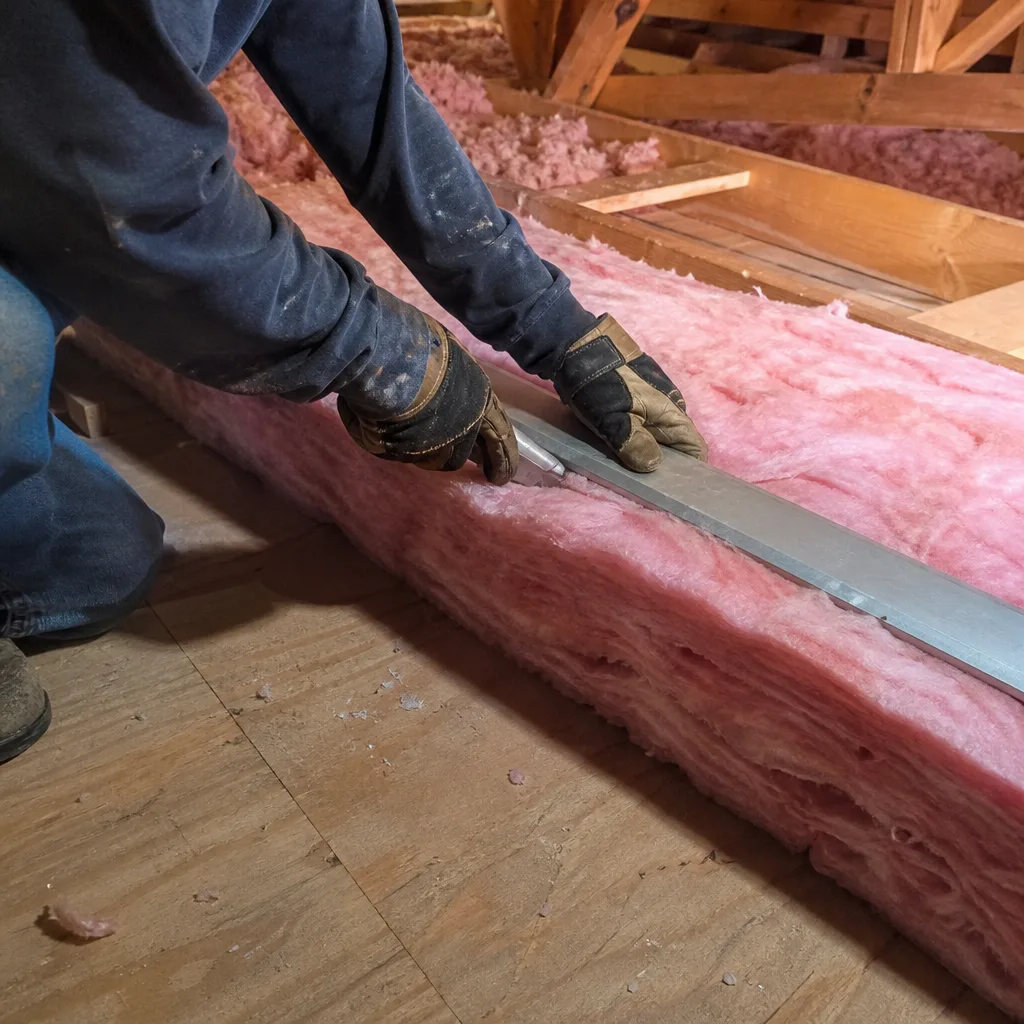
Stapling foil across rafters on a simple gable is one thing. Doing it on a custom roof with skylights, can-light housings, and multiple angles requires more care. We trim around every penetration, leave proper air gaps at the soffit and ridge, and never cover active ventilation paths. Budget $1,200 to $3,400 for radiant barrier on a larger Villa Park attic, depending on rafter count and roof complexity.
Trusted Brands We Service in Villa Park
We carry Knauf and CertainTeed fiberglass because they hold their loft well in low-clearance attics where compression is a constant risk. Rockwool earns its place for Villa Park clients who want fire resistance and real sound dampening along with thermal performance. We stock parts and matching materials locally, so when a Villa Park homeowner needs a top-up over an existing CertainTeed batt or a Knauf-reinforced section repaired, we don’t have to special-order from a warehouse three days out. The right material, on the truck, when we pull up.
Common Attic Insulation Problems We See in Villa Park Homes
- Rodent intrusion in shaded attics. Villa Park’s mature trees bring rats and squirrels close to rooflines. Rodents nest in batts, soak them with urine, and make the whole attic unhealthy. We remove contaminated material, sanitize, and re-insulate with a system that discourages re-nesting.
- Blocked soffit ventilation from leaf and debris buildup. Oak and sycamore litter accumulates faster than most homeowners realize. Blocked soffits mean dead air, moisture, and insulation that underperforms even when the R-value on paper looks fine.
- Air leaks in tall-volume living spaces. Great rooms with cathedral ceilings and multi-zone HVAC are gorgeous, and they leak air like nothing else. The insulation looks adequate, but the thermal boundary is full of gaps around top plates, recessed fixtures, and chimney chases.
- Compressed or degraded insulation in low-clearance roof cavities. Custom roofs with shallow rafter bays don’t allow much material depth. Years of service work and rodent traffic leave old batts flattened and ineffective. We fix it by removing the compromised material and replacing it with the right option for the cavity depth.
Pricing for Attic Insulation in Villa Park, CA
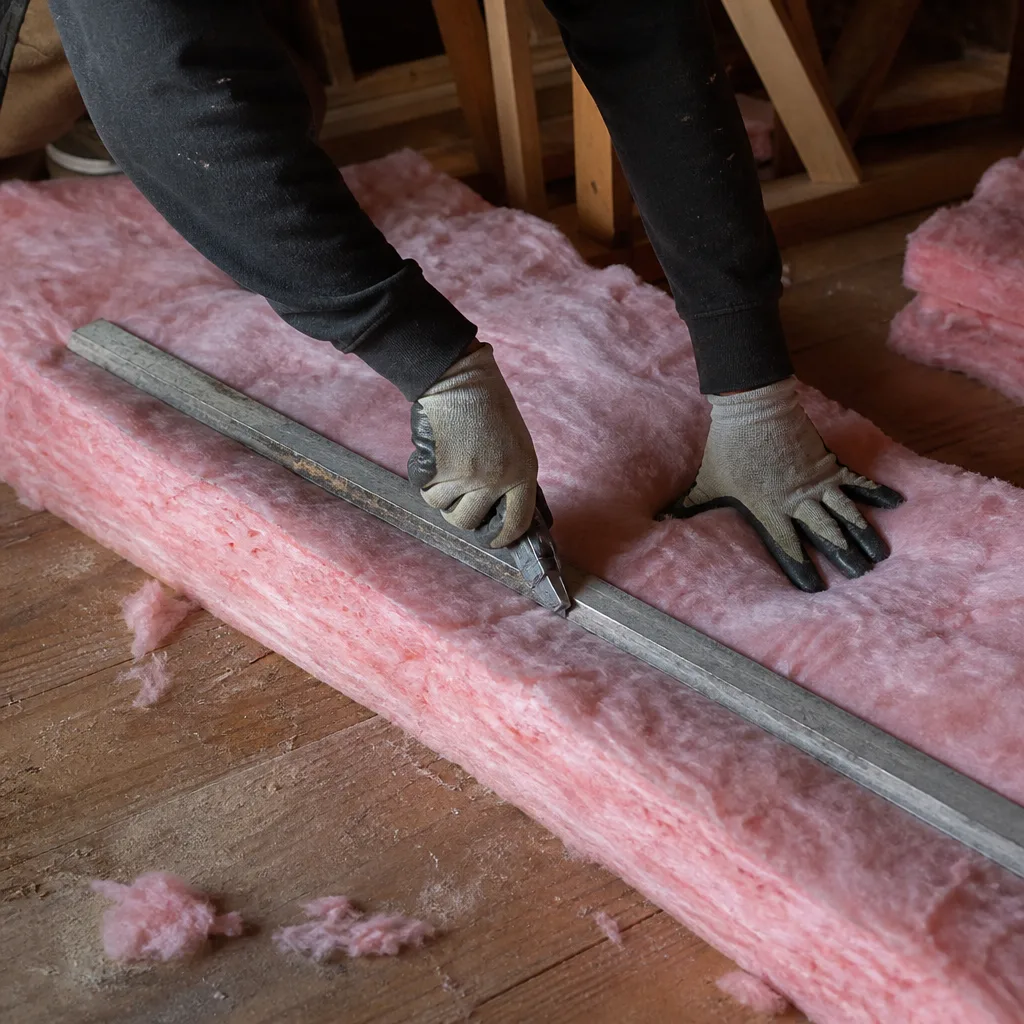
Here are real ranges for Villa Park’s market. Attic insulation top-up on a 1,500 to 2,500 square-foot attic runs $900 to $1,800. Full replacement with blown-in fiberglass on a larger custom home typically lands between $2,400 and $4,800. Batt insulation for smaller attics or specific bays comes in around $1,400 to $3,200. If you want an air-sealing pass before adding insulation, budget an additional $800 to $1,500 depending on how many penetrations we find. The honest variable in Villa Park is always the same: how much bad material has to come out before the good stuff goes in. Call (866) 271-1602 and we’ll give you a precise number after walking the attic.
We Also Serve Cities Near Villa Park
Our attic insulation crews regularly work in Orange, North Tustin, Placentia, and Anaheim. If you live just outside Villa Park’s 92861 boundary or own a rental property in one of the neighboring cities, the same crew and the same eight-brand material lineup handles the job. See Attic Insulation for details on our full service area and the Villa Park page for what’s specific to this side of the county.
Serving Villa Park, CA — Our Local Coverage Area
We’re based in the Villa Park area and know this community well. Use the map below to see our service coverage — if you’re nearby, we can almost certainly help.
FAQs About Attic Insulation in Villa Park
Blown-in insulation slows conductive and convective heat transfer, but it does not stop radiant heat from the roof deck. On a sunny Orange County afternoon, the underside of your roof sheathing can hit 130 degrees or more, and that heat radiates down through the insulation and into the living space. A properly installed radiant barrier blocks that energy before it ever reaches the insulation. That said, if your roof is heavily shaded by mature trees, ventilation should be addressed first, and we’ll tell you if the barrier is worth the cost on your specific house. Call (866) 271-1602 to have us check the sun exposure across your roofline.
Trees create shade, which reduces heat gain, but they also drop leaves, twigs, and fine debris that clog soffit vents and trap moisture in the attic. That moisture degrades batts, drops R-value, and encourages rodent activity. Homes on heavily wooded lots in Villa Park often need ventilation correction and moisture management before they need more insulation. The trees change the job.
Yes. We stock fiberglass from CertainTeed, Owens Corning, Johns Manville, and Knauf, which covers most insulation originally specified in Villa Park homes built from the 1960s through the 1990s. If we can’t identify the exact original material, we’ll recommend a compatible replacement that matches or exceeds the original R-value. Matching matters when you’re topping up or repairing a section rather than doing a full replacement.
Multi-zone homes have more duct runs, more register locations, and more places where conditioned air escapes the thermal boundary. The insulation job itself is the same in principle, but the air-sealing scope grows. We seal around every duct penetration, every top plate, and every chase between the attic and living space. Then we add insulation based on the heat load of each zone, not just a blanket number across the attic floor. Expect the air-sealing pass to take more time on these houses, and budget accordingly.
Santa Ana winds pressurize the attic from outside, forcing air through every gap and pulling conditioned air out of the living space. They also drive leaf and branch debris into soffit vents, compounding the blockage problem on tree-heavy lots. When we spec ventilation for a Villa Park home, we account for wind direction. Sometimes that means adding baffles or repositioning exhaust vents so the attic doesn’t get pressurized against itself. On exposed ridgelines, we often recommend a slightly higher R-value because the wind loads strip heat faster than the ambient temperature suggests.
Written by Noel Arredondo, Owner at Fontana Insulation, serving Villa Park and surrounding Orange County cities.