
Fast, Reliable Attic Insulation Across Valley Glen
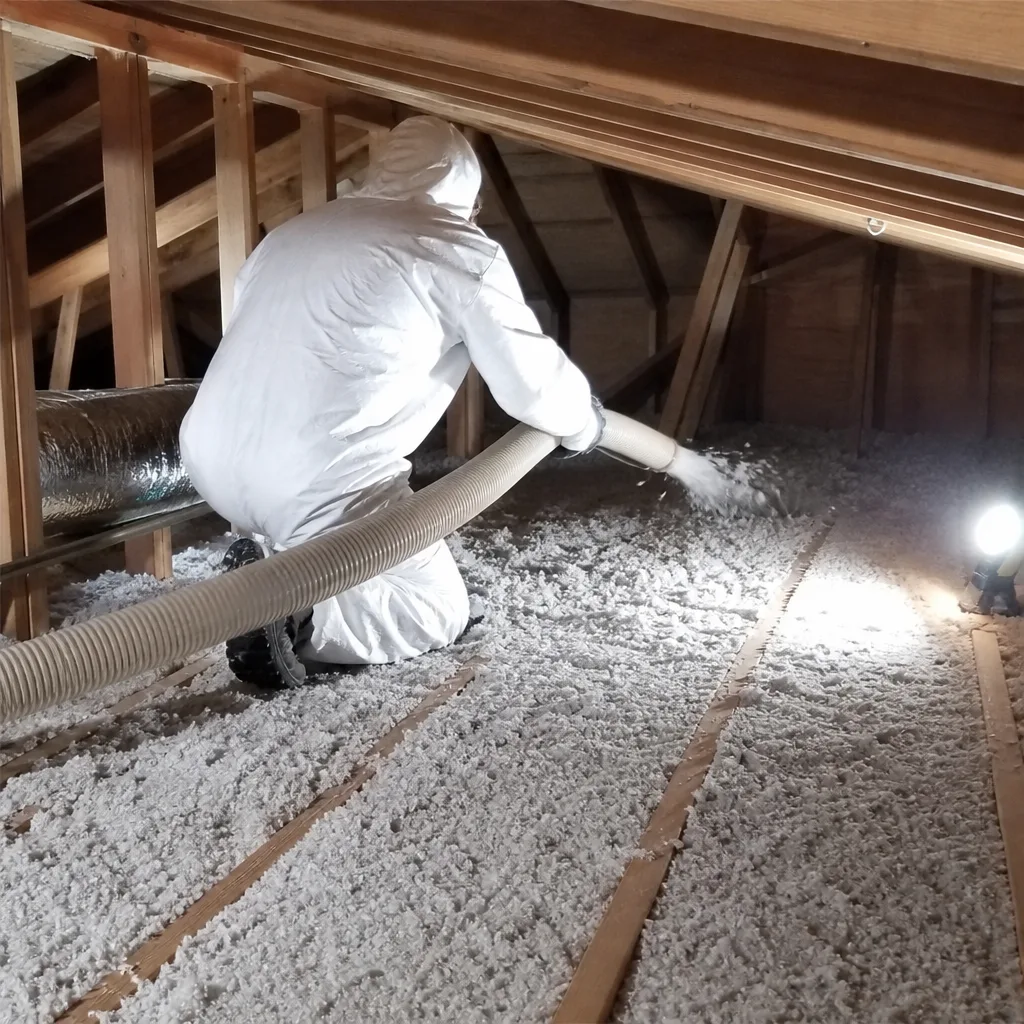
Attic insulation in Valley Glen is a heat problem, not a cold problem. Most homes here were built between 1945 and 1965, and the original fiberglass batts in those low-pitch attics have compressed to a fraction of their rated R-value. What that means in July: attic temperatures climbing past 140°F, heat bleeding through the ceiling, and AC units running nonstop. We work on these older Valley Glen ranches every week, and we know exactly what’s up there before we even open the hatch. If your upstairs rooms feel 10 degrees warmer than the rest of the house, call (866) 271-1602 for a free attic assessment.
Why Fontana Insulation Is Valley Glen’s Preferred Attic Insulation Company
We’re an Attic Insulation specialist, not a general contractor who happens to carry a few batts in the truck. Valley Glen homeowners call us because we’ve spent years working in the specific attics this neighborhood was built with: low-pitch roofs, tight crawl spaces, and decades-old insulation that was never designed for Valley summer heat. Noel Arredondo leads our crew, and he’s trained the team to diagnose the actual problem before recommending a fix. Sometimes that’s a full removal and re-install. Sometimes it’s a top-up plus a radiant barrier. You’ll get a straight answer either way.
Our involvement with Valley Glen goes beyond showing up for the install. We’ve handled attic insulation removal on homes off Vanowen Street where the original batts had settled to less than R-4. We’ve installed radiant barriers under asphalt shingles on ranches near Victory Boulevard where attic temperatures were baking flex ducts. Local knowledge means we know what to expect before the job starts, so quotes are accurate and work gets done faster. We also serve Valley Glen with the same crew and equipment we use across the San Fernando Valley, so you’re never waiting on a subcontractor who doesn’t know the area.
We install eight brands, but we won’t push a single one. Johns Manville, Knauf, Rockwool, CertainTeed. All have a place in the lineup, and the right one for your attic depends on your roof pitch, your duct layout, and your budget. That’s the difference between a material-agnostic specialist and a company that only sells whatever’s cheapest to stock.
Attic Mold Removal in Valley Glen
Attic Mold Removal in Valley Glen is a job we handle more often than homeowners expect, and it usually traces back to one thing: compressed insulation blocking airflow. When batts settle and cover soffit vents, moisture that should escape through the attic gets trapped against the roof deck. In Valley Glen’s dry climate, mold isn’t as rampant as it is in coastal zones, but bathroom fans venting directly into the attic and old roof leaks can still create patches that need to be removed and treated. The cost to remove contaminated insulation and sanitize the affected framing typically runs $1,200 to $2,800 for a standard ranch attic, depending on how far the mold has spread.
What the Job Involves
We pull the contaminated batts or blown material, bag it for disposal, and treat the affected wood surfaces with an antimicrobial agent. After the area dries, we inspect the vent path before installing new insulation. Skipping the ventilation check is how mold comes back a year later.
When a Valley Glen Homeowner Needs This
Any dark staining on the roof decking or a persistent musty smell coming from the attic hatch is a reason to call. So is damp insulation near the eaves after rain. In postwar tract homes with low-pitch roofs, mold often clusters near the soffit line where airflow is already restricted.
Attic Insulation Removal in Valley Glen
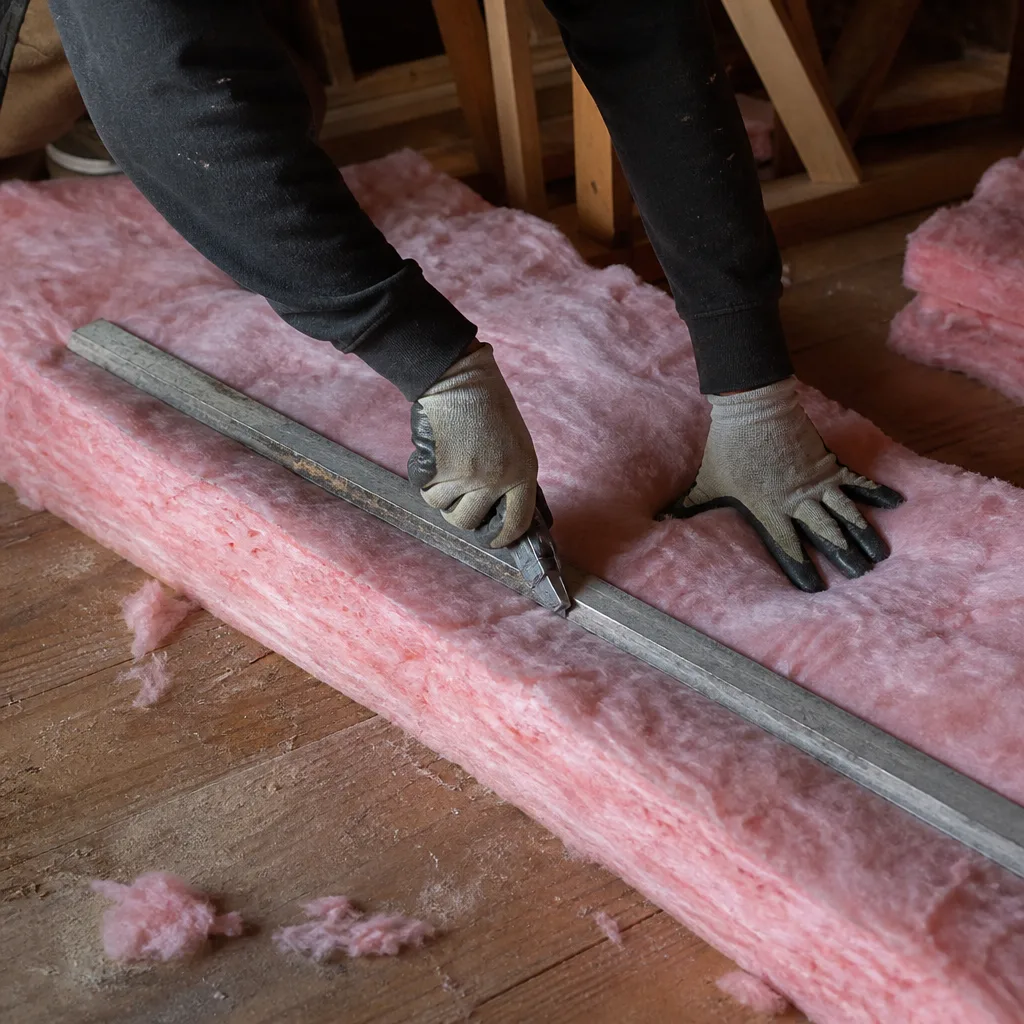
Attic Insulation Removal in Valley Glen is one of the more physically demanding jobs we do, but it’s also one of the most necessary on older homes. Original fiberglass batts installed in the 1950s and 1960s have often compressed to a two-inch mat, which means they’re doing almost nothing. In some cases, rodents have nested in the material, or decades of dust and debris have turned it into a fire hazard. A full removal and cleanout for a standard Valley Glen ranch attic typically runs $900 to $2,200, including disposal. If the attic has vermiculite or an older material that needs testing, that adds cost and time.
Why Removal Beats Top-Ups Sometimes
You can’t top up over compressed batts and expect even coverage. The new insulation sits on top while the gaps below stay. Removal gives us a clean deck to work with, and it’s the only way to properly install a radiant barrier under the roof deck. For attics with rodent waste, water damage, or Reflectix repair in Valley Glen, removal isn’t optional.
The Tight-Attic Challenge
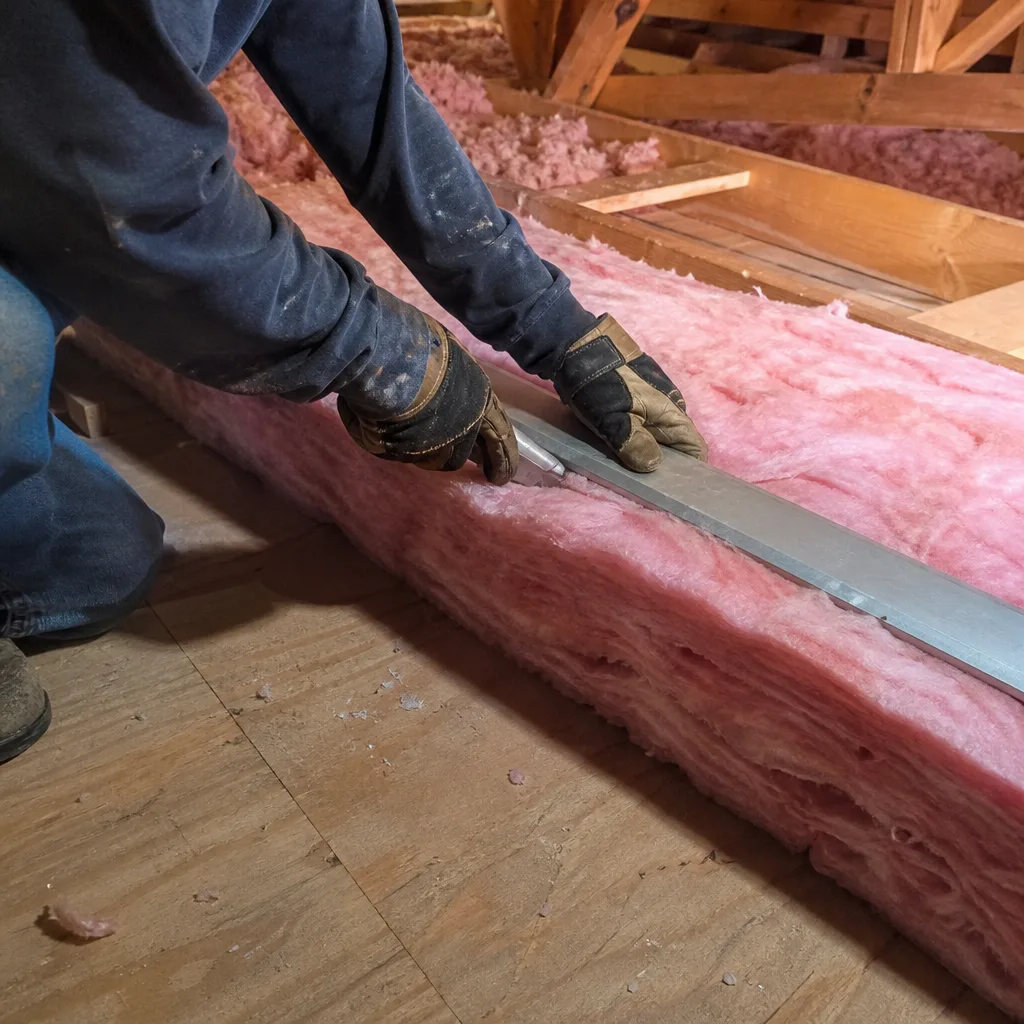
Many Valley Glen ranches have attics barely tall enough to kneel in. Our techs routinely work prone across joists, pulling bagged material out in low-profile sections. It’s slow, hot work, but it’s the only way to get these attics ready for proper insulation. We’ve done it on Hazeltine, on Vanowen, on all the postwar streets where the houses are nearly identical and the attics are nearly too small. Call (866) 271-1602 if you suspect your attic insulation is beyond saving.
Trusted Brands We Service in Valley Glen
We carry Johns Manville and CertainTeed fiberglass because they’re two of the most widely warrantied batt and blown products in the industry, and GreenFiber cellulose for Valley Glen homeowners who want a recycled-content option. We stock Rockwool mineral wool for clients prioritizing fire resistance and sound dampening alongside thermal performance, and if you specifically want Knauf fiberglass, we can have it ready for your install date. Because we’re not tied to one manufacturer, we keep parts and materials for all eight brands in our inventory, which means faster turnaround for Valley Glen jobs and no waiting on a distributor backorder.
Common Attic Insulation Problems We See in Valley Glen Homes
- Compressed original fiberglass batts. Homes built in the 1940s through 1960s were insulated to standards that made sense before central air conditioning. Those batts have now settled and compressed under decades of heat cycling, often dropping below R-8 and sometimes as low as R-4 in low-pitch attics.
- Missing or ineffective radiant barrier. Under asphalt shingles that bake all day, the roof deck radiates heat directly into the attic. Without a reflective barrier, attic temps can exceed 140°F on a 100°F Valley Glen afternoon, cooking the air inside your flex ducts before it ever reaches a register.
- Settled or shifted blown insulation. In tract homes where blown-in fiberglass or cellulose was added in the 1980s or 1990s, we often find the material has shifted away from eaves and knee walls. You end up with hot spots along the ceiling perimeter while the center of the attic is over-insulated.
- Blocked or inadequate soffit vents. Low-pitch attics like those on Valley Glen ranches depend on soffit-to-ridge airflow. When insulation covers the soffit vents, the attic stops breathing. That’s a leading cause of the mold problems we covered above.
Pricing for Attic Insulation in Valley Glen, CA
A typical attic insulation project in Valley Glen runs $1,800 to $4,500 for a standard 1,200 to 1,800 square foot ranch home. Attic Insulation Top-Up, where we blow new fiberglass over existing material that’s still in decent shape, tends to cost $1,200 to $2,800. Full removal and re-install, including disposal and air-sealing, runs $2,800 to $6,000 depending on attic depth and access difficulty. Adding a radiant barrier under the roof deck usually adds $1,000 to $2,200. Low-pitch attics cost more because the work is slower and hotter. We quote exact numbers after a site visit, and all estimates are free. Call (866) 271-1602 to schedule one.
We Also Serve Cities Near Valley Glen
We work throughout the east Valley. Van Nuys, Sherman Oaks, Encino, and North Hills are all within our regular service area, and we’re often in these neighborhoods multiple times a week. For details on those areas, visit our Valley Glen city page or call us directly at (866) 271-1602.
Serving Valley Glen, CA — Our Local Coverage Area
We’re based in the Valley Glen area and know this community well. Use the map below to see our service coverage — if you’re nearby, we can almost certainly help.
FAQs About Attic Insulation in Valley Glen
Valley Glen sits in the hot, dry east San Fernando Valley where summer attic temperatures routinely exceed 140°F, and the housing stock is overwhelmingly postwar ranch and tract homes from the 1940s through 1960s. Those homes were built with low-pitch roofs and minimal insulation, and most have never been retrofitted. The insulation problem here is heat gain, not heat loss. Unlike coastal LA where the concern is marine moisture, Valley Glen attics are dry and hot, and the solution is often a radiant barrier plus adequate attic insulation rather than cold-climate batts and vapor barriers. This means the work we do in Valley Glen looks different from what we’d do in, say, Sherman Oaks, where many attics were re-insulated during 1980s additions.
You do if the old material is compressed, water-damaged, or contaminated with rodent waste. In most 1940s-1960s Valley Glen ranches, the original fiberglass batts have compressed to the point where they’re adding almost no R-value, and blowing new insulation on top won’t fix the gaps underneath. Full removal is also required before installing a radiant barrier under the roof deck. If your existing insulation is still fluffy and dry, a top-up may be fine, but you should call (866) 271-1602 and we’ll tell you what’s actually in the attic before recommending anything.
For Valley Glen’s hot, dry climate, the Department of Energy recommends R-30 to R-60 for attics, and we typically target R-38 for standard ranch homes. However, the exact R-value that makes sense for your home depends on your roof pitch, existing insulation condition, and whether you’re adding a radiant barrier. In a low-pitch attic where space is limited, achieving R-49 or R-60 may not be feasible without removing ceiling drywall, and the R-38 range paired with a radiant barrier often delivers the best thermal performance per dollar. We’ll explain the trade-offs during a free assessment.
Yes, but it’s more difficult than in a standard attic. Valley Glen’s low-pitch ranch attics often have barely enough clearance to crawl, which means installing a radiant barrier under the roof deck is a slow, physically demanding job that not every insulation contractor will take on. We do it regularly, and in these tight spaces, the barrier often matters more than adding more insulation, because it directly reduces the radiant heat that’s baking the attic from the roof deck. This is one of the highest-return upgrades for 1940s-1960s Valley Glen homes.
The most reliable sign in a Valley Glen home is that upstairs rooms stay hot despite your AC running constantly, especially on summer afternoons. Other signs include high electric bills in July and August, hot ceilings in the late afternoon, and visible settling or compression when you look at the attic insulation. If the batts look thin and flattened rather than fluffy, they’re probably past their useful life. Call (866) 271-1602 and we’ll do a thorough assessment with no obligation and no pressure.
Written by Noel Arredondo, Owner at Fontana Insulation, serving Valley Glen since our first east Valley attic retrofit on the postwar ranch streets that define this neighborhood.