
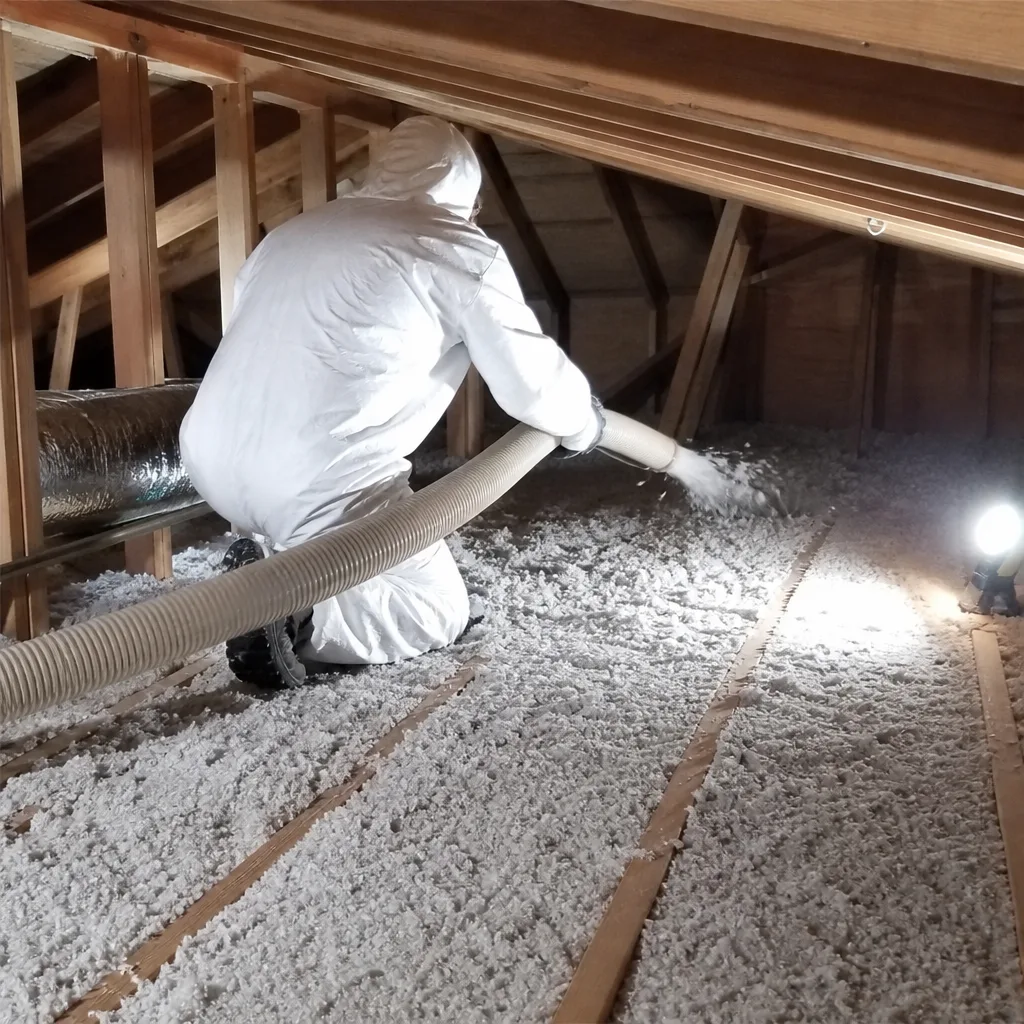
Fast, Reliable Attic Insulation Across South Pasadena
Attic insulation in South Pasadena means working with homes built mostly between 1910 and 1940, and that changes everything about how the job should be done. Most of the houses off Mission Street and Fair Oaks Avenue are Craftsman bungalows or Spanish Colonial Revivals with original plank sheathing, plaster-and-lath walls, and either no cavity insulation or a thin, settled layer that stopped working decades ago. The fix here isn’t always just “blow in more fiberglass.” It’s understanding how these old attics breathe, where the heat actually enters, and what’s hiding in the cavities before you start. We’ve been doing retrofit insulation work in this city long enough to know the difference between a straightforward top-up and an attic that needs baffles, venting, and electrical clearance first. Call us at (866) 271-1602 for a free estimate, and we’ll tell you honestly what your attic needs and what it doesn’t.
Why Fontana Insulation Is South Pasadena’s Preferred Attic Insulation Company
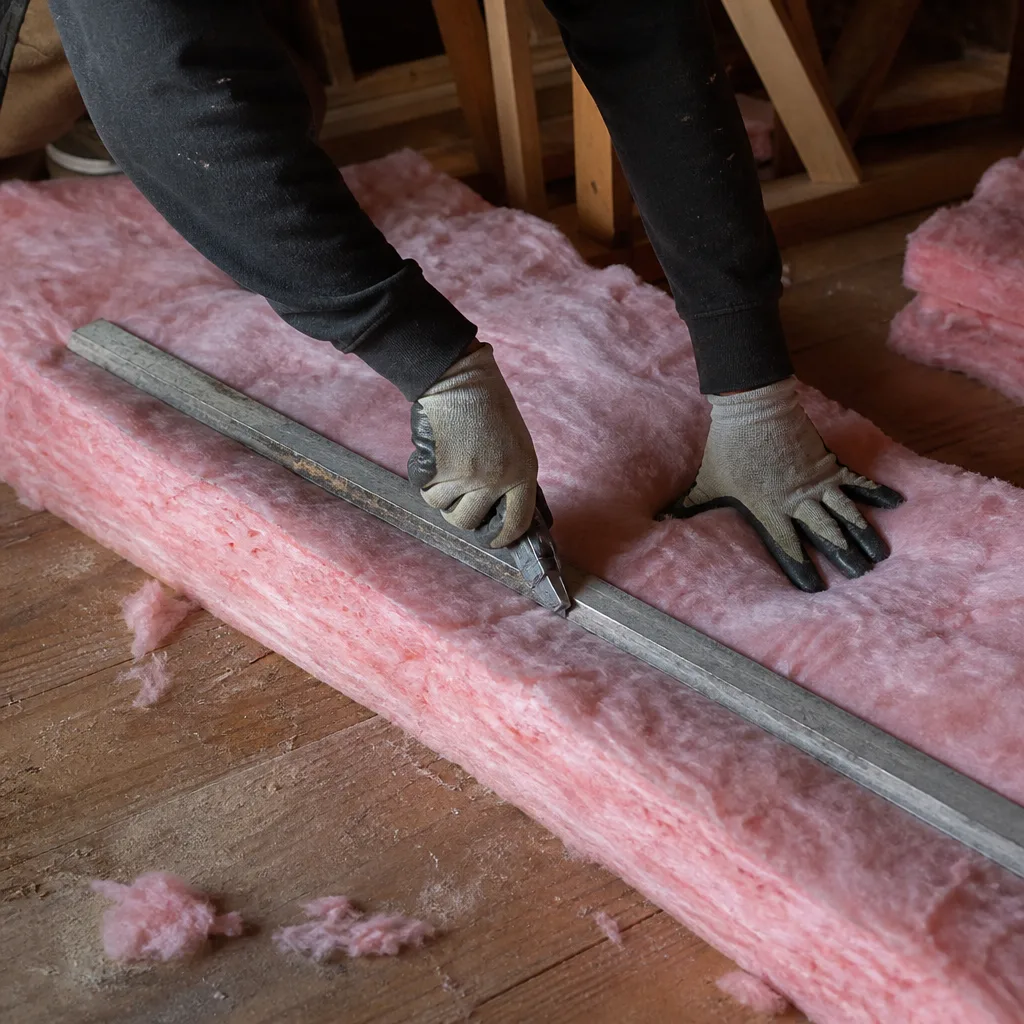
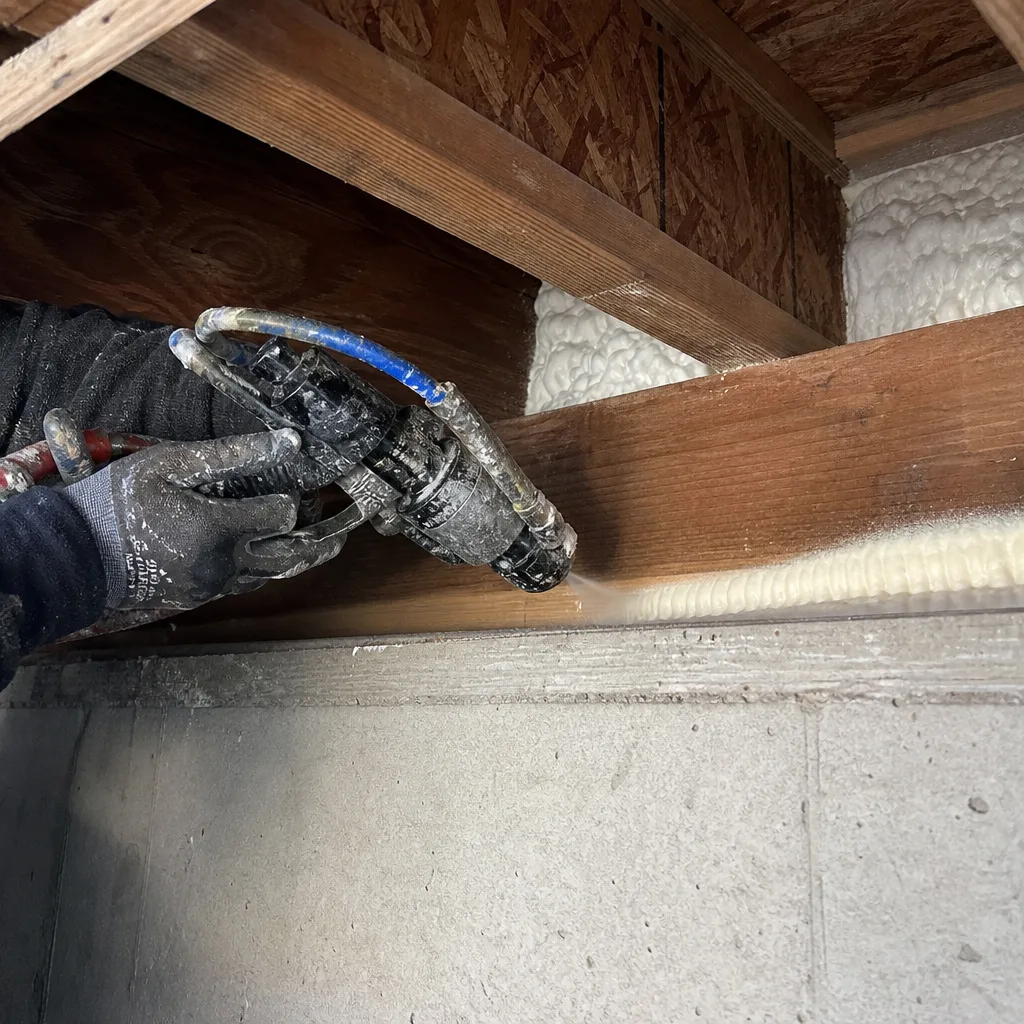
South Pasadena homeowners call us because we carry eight insulation brands across four material categories, which means the recommendation we make is driven by your attic’s actual condition, not by whatever happens to be sitting in our warehouse. We’re an insulation specialist, not a single-product dealer. If your 1920s Craftsman needs Rockwool mineral wool for fire resistance and sound dampening between floors, we stock it. If your attic needs open-cell Icynene spray foam to seal the gaps around old framing, we install it. If a top-up of CertainTeed fiberglass makes more sense for the budget, that’s what we’ll recommend.
Led by Noel Arredondo, our crews have worked in every pocket of South Pasadena, from the tree-lined streets near Garfield Park to the hillside lots off Via del Rey. We know the housing stock block by block. We know which 1920s homes still have knob-and-tube wiring in the attic floor, and we know which ones have original gable vents too small for a modern insulated roof. That local knowledge keeps us from making mistakes a general contractor from outside the area would walk right into.
Attic Cleaning Services in South Pasadena
Attic Cleaning Services in South Pasadena usually mean removing decades of accumulated dust, rodent droppings, old degraded insulation, and construction debris from homes where the attic hasn’t been touched since the Roosevelt administration. In a pre-war Craftsman, the attic floor is often littered with plaster chunks, old knob-and-tube ceramic insulators, and sometimes the remains of a squirrel or rat colony. You can’t simply blow new insulation over that. The contamination gets trapped under the loose fill, and the odor and air-quality problems travel down into the living space.
When Cleaning Needs to Happen Before Insulation
If we find rodent activity or droppings in the attic, we’ll recommend full removal and sanitizing before any new material goes in. In South Pasadena’s older neighborhoods, the original roof sheathing gaps and unscreened gable vents let rodents in easily. Blowing cellulose over droppings locks the problem in. We remove the old material with a high-powered vacuum system, treat the affected area, and then the attic is ready for air-sealing and new insulation.
What Attic Cleaning Costs in South Pasadena
A typical attic cleaning in a South Pasadena bungalow runs $900 to $1,800 depending on the square footage, how much old material is up there, and whether wildlife remediation is needed. If the attic has never been serviced and contains deteriorated insulation from the 1960s or earlier, expect the higher end. We’ll give you a fixed quote after seeing the attic, not a vague range that balloons later.
What happens when you call
- 1
A real person answersNo phone trees — you reach a local pro.
- 2
You get an upfront price rangeHonest numbers before anyone is dispatched.
- 3
A background-checked tech heads outLicensed & insured, dispatched right away.
- 4
You approve before work beginsNothing starts until you say go.
Attic Mold Removal in South Pasadena
Attic Mold Removal in South Pasadena is a common request in the older homes along the Gold Line corridor, where undersized original vents and years of warm, dry attic air have created condensation points against the roof deck. Mold in these attics usually starts around the areas directly under the original gable louvers, where nighttime moisture settles against warm wood and never fully dries. In a coastal climate you’d blame humidity, but here in the San Gabriel Valley the cause is usually poor ventilation paired with interior moisture from bathrooms and kitchens venting into the attic.
Ventilation Is Part of the Fix
We don’t just spray a fungicide and call it done. In South Pasadena’s pre-war homes, the mold returns unless the ventilation problem is addressed at the same time. That means adding baffles to keep airflow moving from the soffits, often upgrading the original undersized gable vents, and sometimes adding a ridge vent if the roof has the right profile. We remove the mold-affected insulation, treat the surfaces, and then re-insulate once the attic can actually breathe.
South Pasadena Mold Removal Pricing
Attic mold removal in South Pasadena typically runs $1,500 to $3,200, with the higher end applying to homes where the mold has spread across much of the roof deck or where insulation replacement is required. The work includes containment, removal of affected material, surface treatment, and a ventilation correction plan so the problem doesn’t come back after the first Santa Ana season.
Trusted Brands We Service in South Pasadena
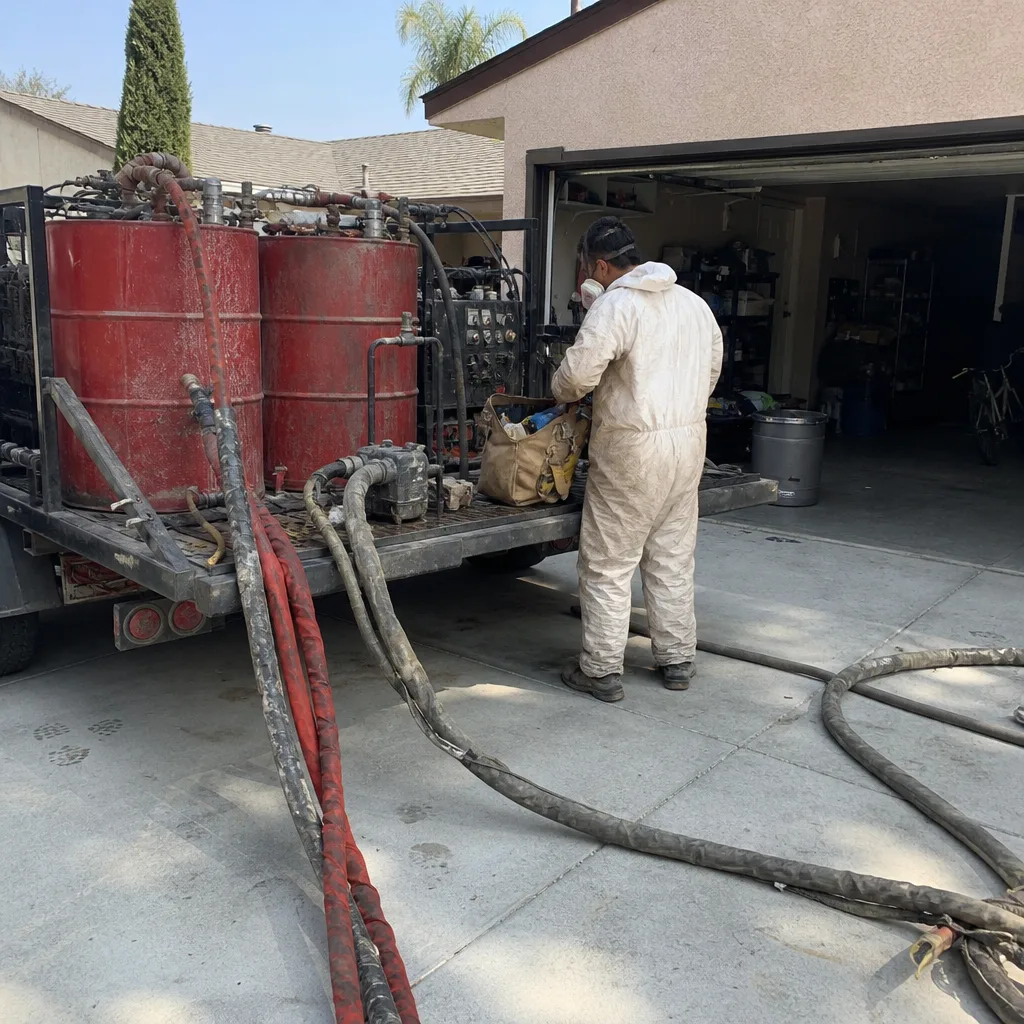
We carry and install Rockwool mineral wool for South Pasadena homeowners who want fire-resistant insulation with real sound dampening, which matters when your neighbors are fifteen feet away. For air-sealing applications where fiberglass batts can’t bridge the gaps in old framing, we use Icynene and Demilec open- and closed-cell spray foam, both performance-tested brands that hold up in the San Gabriel Valley’s hot, dry summers. And for blown-in top-ups and full attic replacements, we install CertainTeed fiberglass with the manufacturer’s warranty in place. We stock materials locally for South Pasadena jobs, so a typical attic project doesn’t wait on special orders.
Common Attic Insulation Problems We See in South Pasadena Homes
- Undersized original vents trapping summer heat. The gable louvers and eave vents on 1920s and 1930s Craftsmans were sized for an uninsulated attic, where hot air could simply rise and escape. Once you add blown-in insulation, the attic holds heat differently, and those tiny vents can’t move enough air. We add baffles and upgrade venting before insulating on nearly every pre-war home we touch in South Pasadena.
- Knob-and-tube wiring buried under loose fill. Homes built before 1940 in the 91030 and 91031 ZIP codes often still have original knob-and-tube circuits running across the attic floor. Blowing cellulose or fiberglass over live knob-and-tube is a fire hazard and a code violation in most cases. The wiring must be cleared by a licensed electrician before we insulate.
- Shallow cavities in original plank-sheathing walls. The balloon-framed walls in these old Craftsmans have true 2×4 studs, sometimes less, and the cavity depth is often already marginal. Crushing new insulation into a cavity that’s only three and a half inches deep reduces its effective R-value. We match the material to the cavity, not the other way around.
- No top-plate or floor-penetration air sealing. The dry Santa Ana winds and hot summer air don’t just enter through the roof. Gaps around top plates, old window frames, and plumbing penetrations let conditioned air leak out constantly. In South Pasadena’s climate, air-sealing those seams often makes a bigger comfort difference than adding more insulation on top of what’s already there.
Pricing for Attic Insulation in South Pasadena, CA
A full attic insulation replacement in South Pasadena for a typical 1,200 to 1,800 square foot bungalow runs $2,400 to $5,200. That includes removal of old material, air-sealing, baffles, and new insulation to R-38 in most cases. A top-up over existing insulation, where the old material is in decent shape, runs $900 to $1,800. Attic cleaning alone is $900 to $1,800, and mold remediation with insulation replacement starts around $1,500 and can reach $3,200 in severe cases. What drives the cost here is the age of the house, what’s already in the attic, and whether knob-and-tube wiring or undersized venting needs to be addressed first. We give you a line-item quote before any work begins, and we’ll tell you if a cheaper fix actually solves your problem. Call (866) 271-1602 for a free estimate.
We Also Serve Cities Near South Pasadena
Fontana Insulation works throughout the San Gabriel Valley, and our South Pasadena crews regularly handle attics in Alhambra, Pasadena, San Marino, and San Gabriel. The housing stock changes street by street, but the core problems stay the same from city to city. If you’re in a neighboring town with a pre-war home, our Attic Insulation team can give you the same straight answer about what you actually need.
Serving South Pasadena, CA — Our Local Coverage Area
We’re based in the South Pasadena area and know this community well. Use the map below to see our service coverage — if you’re nearby, we can almost certainly help.
FAQs About Attic Insulation in South Pasadena
Yes, but only after we address the ventilation. The original gable louvers on 1920s and 1930s Craftsmans in South Pasadena are sized for an uninsulated attic, and blowing in loose fill without adding baffles and upgrading the vents will trap San Gabriel Valley summer heat against your roof deck. We add baffles at the eaves, often enlarge or supplement the existing gable vents, and in many cases recommend a ridge vent before any insulation goes in.
Get it cleared by a licensed electrician before anyone blows insulation over it. Live knob-and-tube buried under loose fill is a fire hazard, and most insulation contractors won’t touch an attic where it’s still active. We’ll flag it during the estimate, you hire the electrician for the disconnection, and then we come back and insulate once the circuits are confirmed dead. On a 1923 Craftsman off Mission Street, our crew cleared this exact situation before adding baffles and an R-38 Owens Corning loose-fill layer, and the difference in upstairs temperature through July was immediate.
We work primarily from the attic and through interior walls. South Pasadena’s historic preservation ordinance and the tight lots on hillside streets make exterior sheathing changes impractical on most pre-war homes, so we use dense-pack cellulose or low-expansion foam injected through small interior access points. The key is matching the material to the original cavity depth, because these balloon-framed walls often have less depth than modern framing, and over-packing the cavity reduces the R-value you actually get.
Yes, often more than adding extra insulation. South Pasadena’s dominant load is cooling, not heating. The hot, dry summers mean the attic heats up intensely, and a radiant barrier stapled to the underside of the roof deck reflects a significant portion of that radiant heat before it reaches your insulation. For homes off Mission and Fair Oaks where the afternoon sun hits the roof directly for six-plus hours, a radiant barrier combined with R-38 insulation performs better than R-49 insulation alone in summer.
Mold removal in a South Pasadena attic means removing the affected insulation, treating the surfaces with an EPA-registered fungicide, and then fixing the ventilation problem that caused the mold in the first place. In these pre-war homes, the mold almost always traces back to undersized vents or bathroom exhaust fans dumping moisture into the attic. We remove the contaminated material, treat the roof deck and framing, add baffles and venting, and then re-insulate. The job typically runs $1,500 to $3,200 depending on how far the mold has spread and how much insulation needs replacement.
Written by Noel Arredondo, Owner at Fontana Insulation, serving South Pasadena and the San Gabriel Valley.