
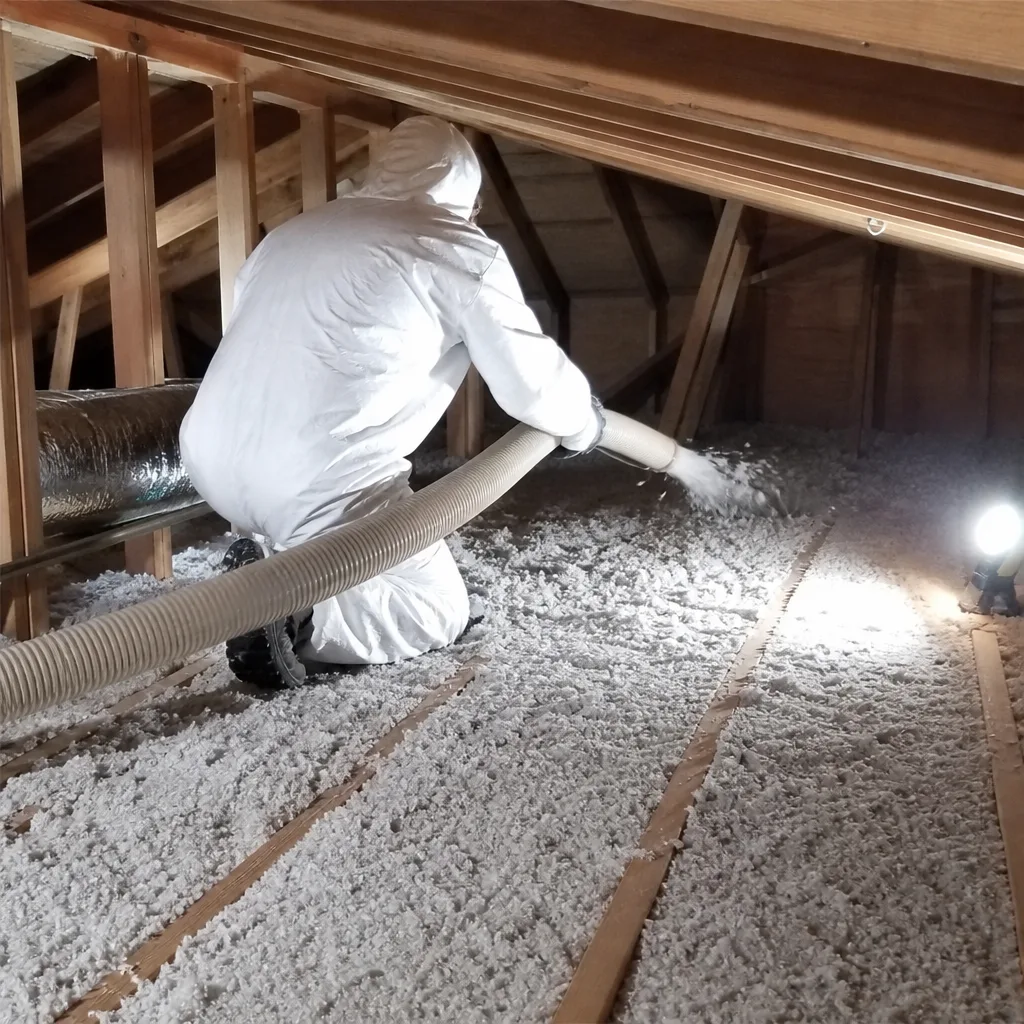
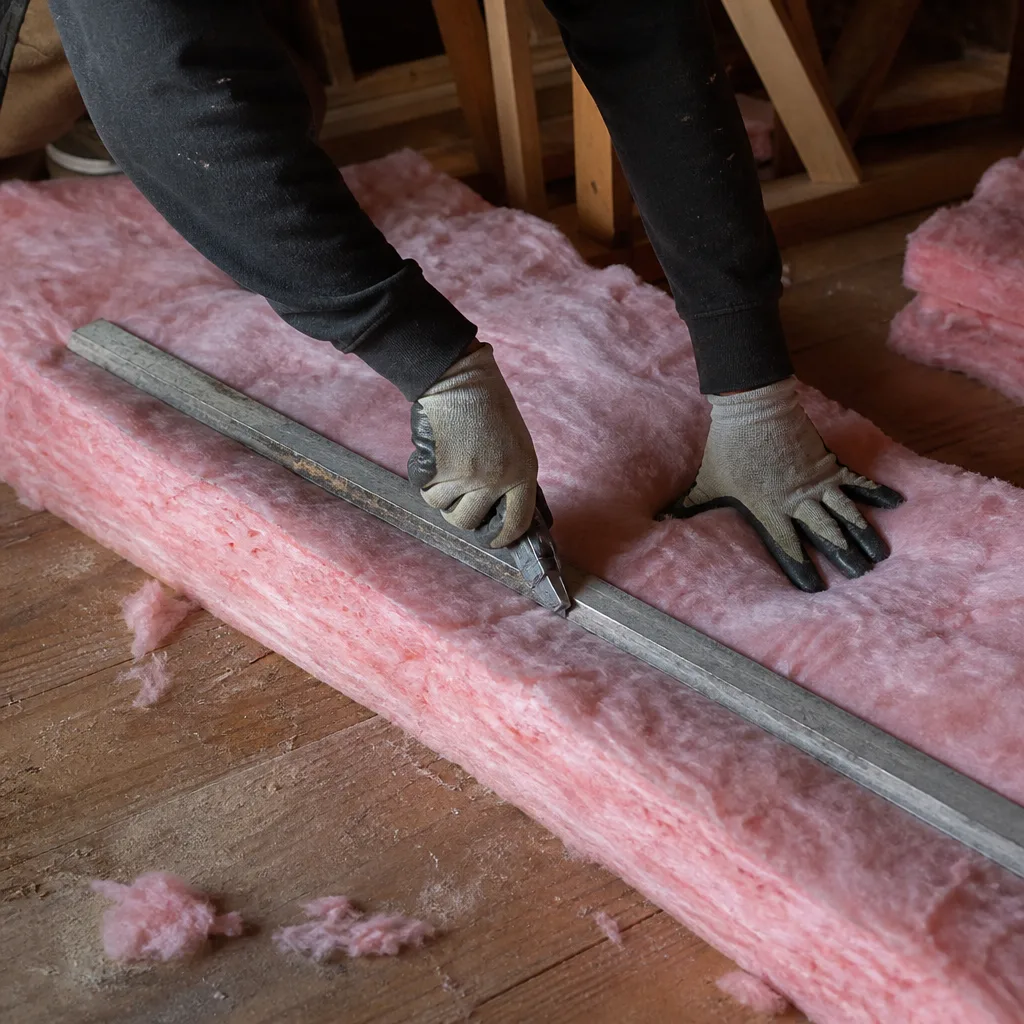
Fast, Reliable Attic Insulation Across San Antonio Heights
If your attic insulation in San Antonio Heights hasn’t been checked in years, there’s a good chance it’s working against you. The foothill climate here punishes under-insulated homes: 100°F+ summer afternoons radiate straight through the roof deck, while winter nights dip cold enough to pull heat out just as fast. Our Attic Insulation team handles removal, air-sealing, ventilation prep, and new installation for homes throughout the 91784 area, from the old ranch tracts off Euclid to the hillside custom builds above 24th Street. Led by Noel Arredondo, we stock eight insulation brands so the material decision matches your specific roofline, not what’s easiest for a crew to blow in. Call (866) 271-1602 for a straight answer and a free estimate.
Why Fontana Insulation Is San Antonio Heights’s Preferred Attic Insulation Company
Most insulation contractors in the Inland Empire work the flat valley floor. San Antonio Heights is different. The elevation changes how heat moves through a home, and the housing stock here, mostly 1950s through 1970s ranches with low-pitch roofs and shallow attics, doesn’t respond well to the generic “blow R-38 and leave” recipe. We know the failure points specific to this area because we’ve opened enough ceilings to see them: rodent-tunneled batts, compressed fiberglass that’s effectively R-7, additions that never got insulated at all.
Noel Arredondo built Fontana Insulation around a simple idea: carry the full material toolbox and recommend what the house actually needs. That’s why we stock fiberglass from Knauf, CertainTeed, Owens Corning, and Johns Manville, mineral wool from Rockwool, spray foam from Icynene and Demilec, and cellulose from GreenFiber. Eight brands, four material categories, one crew. No subcontracting, no brand loyalty that doesn’t serve the homeowner. When a San Antonio Heights ranch needs ventilation fixes before blown-in insulation, we say so, even if it slows the job down.
Attic Insulation Removal in San Antonio Heights
Attic Insulation Removal in San Antonio Heights is often the step that determines whether a new insulation job actually performs. In the older foothill ranch tracts, original ceiling insulation is frequently compressed, rodent-tunneled, or missing entirely over additions. Blowing new material on top of that doesn’t fix the underlying problem. It buries it. The right sequence is removal, inspection, air-sealing of bypasses, ventilation correction, then new insulation at the correct depth for the target R-value. A full removal and disposal for a typical 1,200 to 1,800 square foot ranch attic here runs $1,800 to $3,400 depending on access, contamination level, and whether we’re also sealing bypasses.
When Removal Actually Matters
If you’ve had rodents in the attic, the insulation is compromised. Tunnels, nesting debris, and urine-soaked batts don’t insulate and don’t belong under new material. The same goes for batts compressed by years of storage boxes or foot traffic. In San Antonio Heights specifically, we see a lot of low-pitch roofs where original R-19 batts have been crushed to under two inches in places, well below any useful R-value.
What Gets Removed, and What Replaces It
We remove the old material by vacuum or bag-and-haul, depending on the framing. After removal we inspect the ceiling plane for gaps around can lights, top plates, and plumbing penetrations. Those get sealed before any new insulation goes in. The replacement material depends on the roof structure: blown-in fiberglass or cellulose for accessible attics, Rockwool batts for bays where you still need access, or spray foam for vaulted ceilings where there’s no attic cavity at all.
Insulation Contractors in San Antonio Heights
Insulation Contractors in San Antonio Heights aren’t all familiar with what foothill construction actually looks like. We are. The mix of mid-century ranches, split-levels, and 1980s-to-2000s hillside custom builds means there’s no single insulation detail that works everywhere. Some homes have shallow attics with barely enough clearance to crawl. Others have vaulted or exposed-beam ceilings with no attic at all. The right contractor figures out what the thermal boundary actually is before recommending material. That’s what we do on every job, and the quote reflects the actual scope, not a square-foot guess.
What We Check Before Quoting
We look at attic depth, existing insulation condition, eave vent count, roof pitch, and whether the ceiling has bypasses that need sealing. On a 1960s ranch with a low-pitch roof and minimal eave vents, the insulation upgrade alone won’t stop afternoon heat gain unless ventilation is addressed too. That changes the scope and the price. Expect $2,200 to $4,800 for a typical removal, sealing, ventilation prep, and new R-38 insulation in San Antonio Heights, with hillside custom builds running higher when vaulted ceilings require spray foam.
Handling Shallow and Vaulted Attics
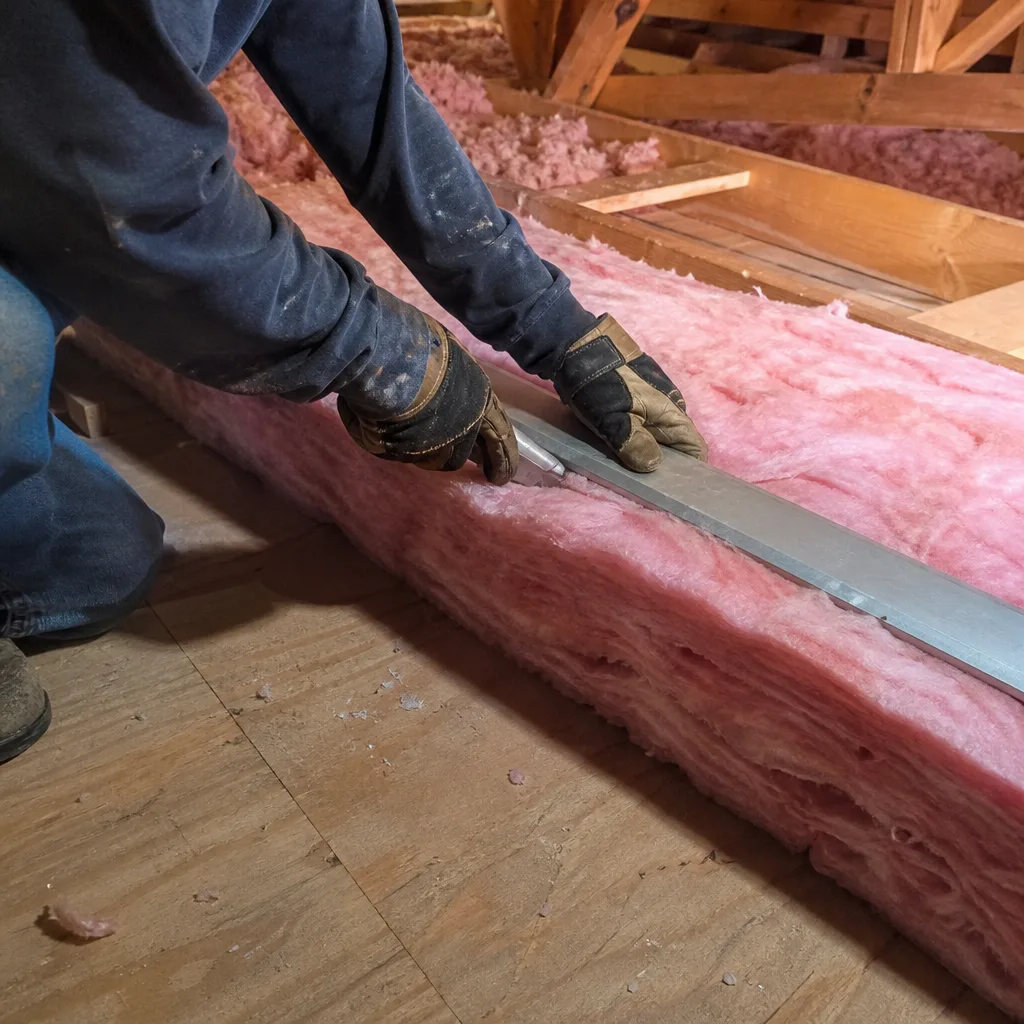
Shallow attics leave limited room for blown material at the eaves. We often use a hybrid approach: blown-in insulation in the accessible center, batt insulation at the perimeter where depth is limited, and Rockwool where fire resistance or sound dampening matters. For vaulted or exposed-beam ceilings with no attic cavity, closed-cell spray foam applied to the underside of the roof deck creates a conditioned attic that performs well through the hot summer afternoons and cool winter nights this elevation gets.
Trusted Brands We Service in San Antonio Heights
We stock Knauf fiberglass for consistent, reliable batt and blown-in coverage at a fair price point. We carry Rockwool mineral wool because it’s the right answer for San Antonio Heights homeowners who want fire resistance and sound dampening along with thermal performance, and because most local contractors don’t stock it at all. CertainTeed fiberglass earns its place for warranty coverage and consistent density across batts. And for hillside custom builds with vaulted or exposed-beam ceilings, Icynene spray foam handles the air-sealing and R-value in one step. We keep material on hand for the common sizes in this area, so turnaround on a 91784 attic job is days, not weeks.
Common Attic Insulation Problems We See in San Antonio Heights Homes
- Rodent-tunneled original batts buried under new blown-in insulation. This is the most common failure we find. The new insulation looks fine from the access hatch, but below it the old batts are full of tunnels and compressed to a fraction of their original R-value. The only fix is removal first.
- Low-pitch roofs with minimal eave vents trapping afternoon heat. Many of the older ranch homes here have a single row of small eave vents and no ridge or eyebrow vents. Insulation alone can’t stop radiant heat gain when the attic can’t exhaust superheated air. Ventilation prep has to be part of the job.
- Additions that never got insulated at all. Common on the bigger lots here, where an original 1,400-square-foot ranch grew a 300-square-foot family room or office addition. The addition often has exposed rafters or a low-pitch ceiling with no insulation cavity at all.
- Shallow attics limiting blown-in depth at the eaves. When the roof pitch is low and the attic is shallow, there’s often not enough height at the perimeter to hit R-38 with blown material. The eave areas get nearly nothing unless a contractor knows to use batts or spray foam there instead.
Pricing for Attic Insulation in San Antonio Heights, CA
Attic insulation pricing in San Antonio Heights depends on scope, and the numbers below reflect what we typically see in the 91784 market. A straightforward blown-in top-up over clean existing insulation runs $1,200 to $2,100 for a 1,200 to 1,500 square foot attic. Full removal and replacement with air-sealing usually runs $2,800 to $4,800 depending on contamination and access. Vaulted-ceiling spray foam for a hillside custom build typically runs $4,500 to $8,500 because material costs and application time are higher. Rockwool batt installation in limited-access areas adds $800 to $1,600 over standard fiberglass. These are real numbers, not teaser rates. Call (866) 271-1602 for a free estimate on your specific roofline.
In San Antonio Heights’ older foothill ranch tracts, the original ceiling insulation is often compressed, rodent-tunneled, or missing over additions. The low-pitch roofs with minimal eave vents trap attic heat all afternoon, and adding new insulation without restoring ventilation doesn’t solve the problem, it just slows the heat transfer while the attic gets hotter. That’s why our process starts with what’s already up there, not with a bag of blow-in material.
We recently worked a 1962 ranch on Mesa Grande Drive where the original batt insulation had been tunneled by rodents and compressed to less than two inches over a 300-square-foot addition. After removing the old material and sealing the bypasses, we blew Owens Corning R-38 and added two low-profile eyebrow vents to the low-pitch roof. The attic temperature dropped by nearly 20°F by 3 p.m. the next day. That’s the kind of fix generic attic blow recipes miss entirely.
We Also Serve Cities Near San Antonio Heights
We work throughout the foothill corridor and the valley below. If you’re in Upland, Claremont, Rancho Cucamonga, or Montclair, the same crew and material options apply. For a closer look at our work in this area, see Attic Insulation in San Antonio Heights.
Serving San Antonio Heights, CA — Our Local Coverage Area
We’re based in the San Antonio Heights area and know this community well. Use the map below to see our service coverage — if you’re nearby, we can almost certainly help.
FAQs About Attic Insulation in San Antonio Heights
Because the attic itself is usually the problem, and the ceiling insulation can’t stop radiant heat gain if the attic can’t exhaust superheated air. In the older foothill ranches here, low-pitch roofs with minimal eave vents trap 130°F+ air all afternoon, and that heat radiates down through the ceiling regardless of R-value. The fix is ventilation correction plus insulation, not insulation alone. Call (866) 271-1602 and we’ll check your eave vent count and attic temperature before quoting anything.
Yes, and we strongly recommend it. We remove the old material by vacuum or bag-and-haul, inspect the framing, seal bypasses, and then blow or install the replacement. Blowing new insulation over rodent-tunneled batts doesn’t restore R-value and leaves nesting pathways intact. Typical removal for a 1,200 to 1,800 square foot attic here runs $1,800 to $3,400 depending on access and contamination level, and the new material is quoted separately.
R-38 is the minimum we recommend for accessible attics in San Antonio Heights, with R-49 a better target for homes with deeper attic cavities. The foothill elevation means larger diurnal temperature swings than the valley floor, so cold-weather R-value alone isn’t the only consideration. Radiant heat and ventilation matter just as much. For vaulted or exposed-beam ceilings with no attic cavity, closed-cell spray foam at 3 to 4 inches is the typical approach. Call (866) 271-1602 for a site specific recommendation.
We use spray foam applied directly to the underside of the roof deck, which creates a conditioned attic and handles both air-sealing and thermal resistance in one step. For exposed-beam ceilings where you want to keep the beams visible, we typically use closed-cell Icynene sprayed between the rafters, then cover it with the finished ceiling material. Application is slower and material cost is higher, so expect $4,500 to $8,500 on a typical hillside custom build in the 91784 area.
Yes. The larger lots in San Antonio Heights often include detached workshops, garages, or ADUs with their own insulation issues, and we handle those as part of the same visit. The one-trip approach matters when you’re on acreage and scheduling is tighter. We quote each structure separately, and we carry enough material to handle a main house plus a workshop in a single day if the scope allows.
Written by Noel Arredondo, Owner at Fontana Insulation, serving San Antonio Heights and the surrounding foothill communities.
Need a straight answer on what your attic actually needs? Call (866) 271-1602 for a free estimate. We’ll tell you what’s worth doing and what isn’t.