
Attic Insulation in Rowland Heights: What You Need to Know
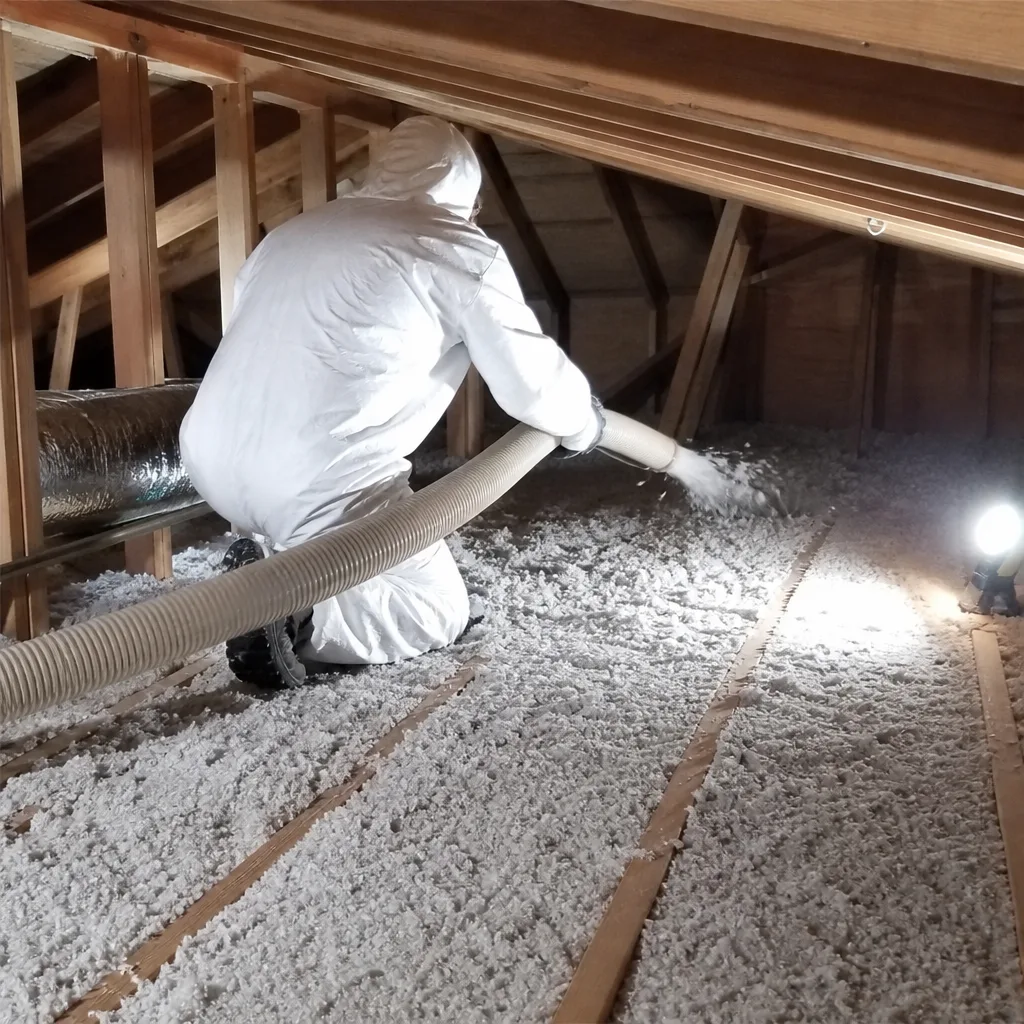
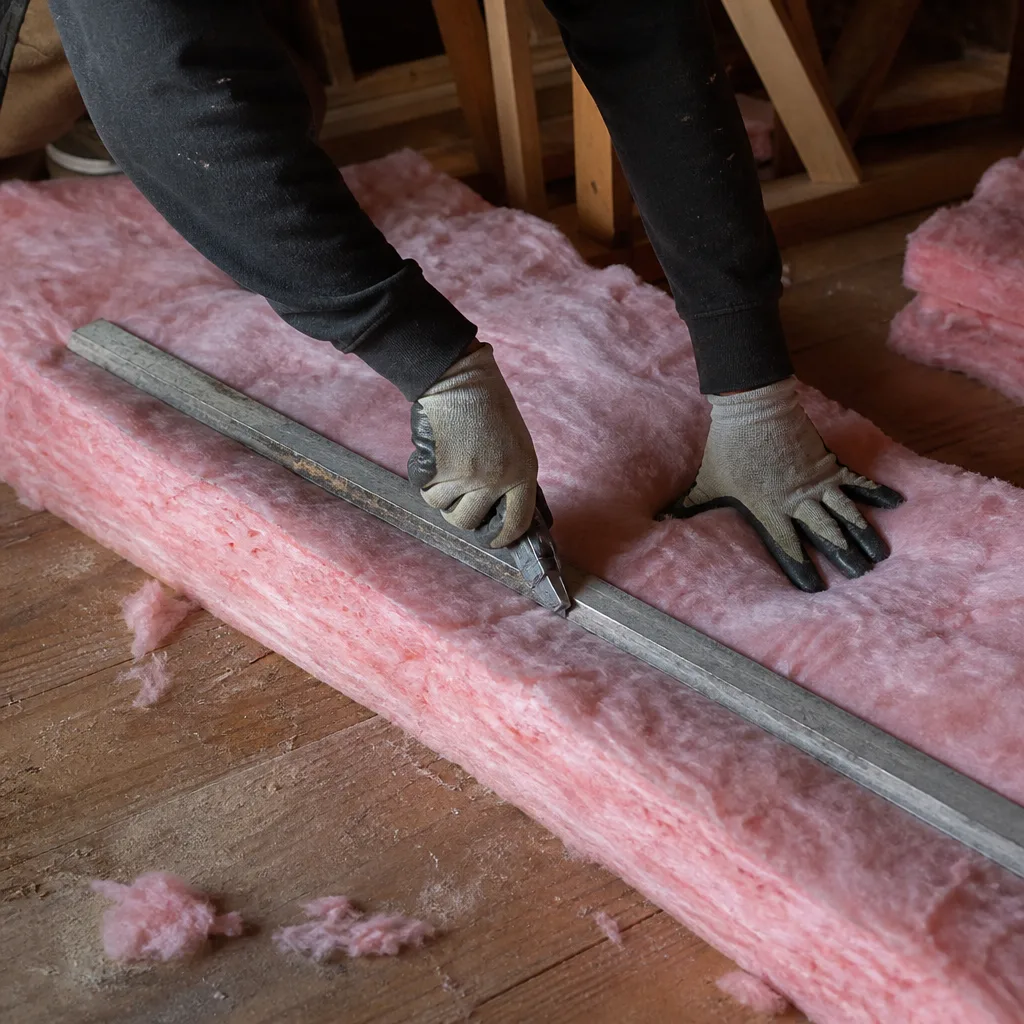
Attic insulation in Rowland Heights is less about fighting cold and more about keeping brutal summer heat out of your living space. Attics here regularly hit 140°F by early afternoon between June and October, and if your ceiling plane isn’t sealed and insulated properly, that heat pours straight into your bedrooms and drives your AC bill through the roof. Most Rowland Heights homes built between the 1960s and 1980s still have their original fiberglass batts, which by now have compressed to a fraction of their rated R-value. Fontana Insulation solves this with a material-matched approach: we’re an Attic Insulation specialist carrying eight major brands, so the fix we recommend is based on your home’s orientation, construction, and budget, not what we happen to have in the warehouse. Call (866) 271-1602 for a free estimate in Rowland Heights.
Why Fontana Insulation Is Rowland Heights’s Attic Insulation Specialist
We work in Rowland Heights almost weekly, and that frequency means our crews know this housing stock: mid-century tract homes off Colima Road, Fullerton Road, and Nogales Street, plus the hillside custom builds climbing toward the Puente Hills on the south side. Those two types of homes need very different attic strategies, and a contractor who treats them the same is guessing. We’re not guessing.
Led by Noel Arredondo, our crew has pulled apart enough Rowland Heights attics to know exactly what’s up there: slumped Owens Corning batts from the Nixon administration, unsealed recessed can lights, and ductwork leaking conditioned air into a 140°F attic. Because we install fiberglass, mineral wool, spray foam, and cellulose, we’re not locked into recommending one material. That matters in Rowland Heights, where a shaded north-slope tract home and a sun-blasted south-slope hilltop home a half mile apart can need completely different scopes of work.
We’re an authorized installer for Icynene and Demilec spray foam, and we stock Rockwool, CertainTeed, Johns Manville, and Knauf products. If your estimate comes back saying “spray foam and spray foam only,” that’s a red flag. We’ll show you the trade-offs and let you decide. Estimates are free, and we’ll walk the attic with you if you want.
Attic Mold Removal in Rowland Heights
Attic mold removal in Rowland Heights is a job we handle for homeowners whose attics have trapped warm, humid air against the roof deck. It shows up most often in older tract homes where bathroom fans vent into the attic instead of through the roof, or where the original insulation has settled enough to block soffit airflow. The mold itself is a symptom; the cause is almost always a ventilation or air-sealing failure. We remove affected insulation, treat the framing, and address the airflow problem so the mold doesn’t come back. A typical attic mold removal in Rowland Heights runs $1,800 to $4,500 depending on attic size and how far the growth has spread.
How We Handle Removal
We pull the contaminated insulation, bag it on-site, and clean the affected wood surfaces. Then we inspect the soffit vents, baffles, and any bath fan terminations to find the moisture source. Skipping that last step just means paying for the same job twice.
When Mold Means Replace, Not Just Remove
If mold has penetrated the plywood sheathing or rafters, replacement may be required. In Rowland Heights homes with open attic spaces and accessible framing, this is usually straightforward. We’ll show you photos of what we find before proceeding.
Attic Insulation Removal in Rowland Heights
Attic insulation removal in Rowland Heights is the right call when your existing material is too far gone to salvage. We see this constantly in 1960s-to-1980s tract homes where the original fiberglass batts have compressed from decades of dry-heat cycling down to one or two inches. They’re not doing anything at that point. Rodent activity, water damage from a hip-roof leak, or old cellulose that’s settled into a dense mat are the other common reasons. Attic insulation removal in Rowland Heights typically costs $1,200 to $3,000 for a standard single-family attic, and it’s the first step before air sealing and installing new material.
Why Not Just Top It Off?
Sometimes adding more insulation over old, compressed batts works fine. But if there’s mold, pest waste, or the old material is blocking soffit vents, leaving it in place creates a new problem in five years. We’ll tell you honestly which route applies to your attic.
What Comes After Removal
Once the old material is out, we air-seal everything: top plates, can light housings, plumbing penetrations, and any gaps around the chimney chase. Then we install new insulation matched to your home’s orientation and budget. This two-step approach is what separates a real fix from a patch job.
Trusted Brands We Service in Rowland Heights
We carry eight insulation brands across four material categories, which means the product we recommend is the one that fits your attic, not the one we have the most margin on. For Rowland Heights tract homes needing blown-in fiberglass, we stock Owens Corning and CertainTeed. For homeowners who want fire resistance and sound dampening alongside thermal performance, we install Rockwool mineral wool. For attic air-sealing jobs where fiberglass alone won’t cut it, we’re an authorized installer for Icynene and Demilec spray foam. And for clients who want recycled-content insulation, we offer GreenFiber cellulose. We keep common product lines local, so turnaround on Rowland Heights jobs is days, not weeks. Call (866) 271-1602 and Noel will walk you through the options.
Common Attic Insulation Problems We See in Rowland Heights Homes
- Settled, compressed 1960s-to-1980s fiberglass batts: Decades of dry-heat cycling in Rowland Heights attics flatten batts to one or two inches, cutting their effective R-value by more than half. A top-up or full replacement brings the assembly back to a real thermal boundary.
- Missing or failed radiant barriers on west- and south-facing roof planes: Hillside homes toward the Puente Hills absorb direct afternoon sun that pushes attic temps past 140°F. If a radiant barrier was installed, it’s often torn or fallen; if it was never there, the sun does constant work against your insulation.
- Unsealed recessed can lights leaking conditioned air: Old non-IC-rated can lights in Rowland Heights ceilings are basically holes into the attic. Each one bleeds cooled air upward in summer and pulls hot dry air down in winter, quietly negating whatever insulation surrounds them.
- Ductwork sweating and leaking inside a hot attic: Legacy metal ducts and aging flex duct in Rowland Heights homes leak conditioned air into a 140°F attic space. That’s not an insulation problem by itself, but it compounds every thermal issue and should be addressed during an attic job.
Why Two Rowland Heights Homes on the Same Street Can Need Different Jobs
This is the thing most attic pages don’t explain, and it’s the biggest variable in Rowland Heights. The Puente Hills rise along the south edge of the community, and the ridges run east-west. A home built on the north side of a hill or with its roof planes tucked behind a taller neighbor may top out around 110°F in the attic on a July afternoon. A home with a west-facing roof plane angled directly at the afternoon sun, especially up toward the hillside lanes south of Colima Road in 91748, can hit 145°F in the same hour. Same square footage, same era, same construction, completely different attic loads.
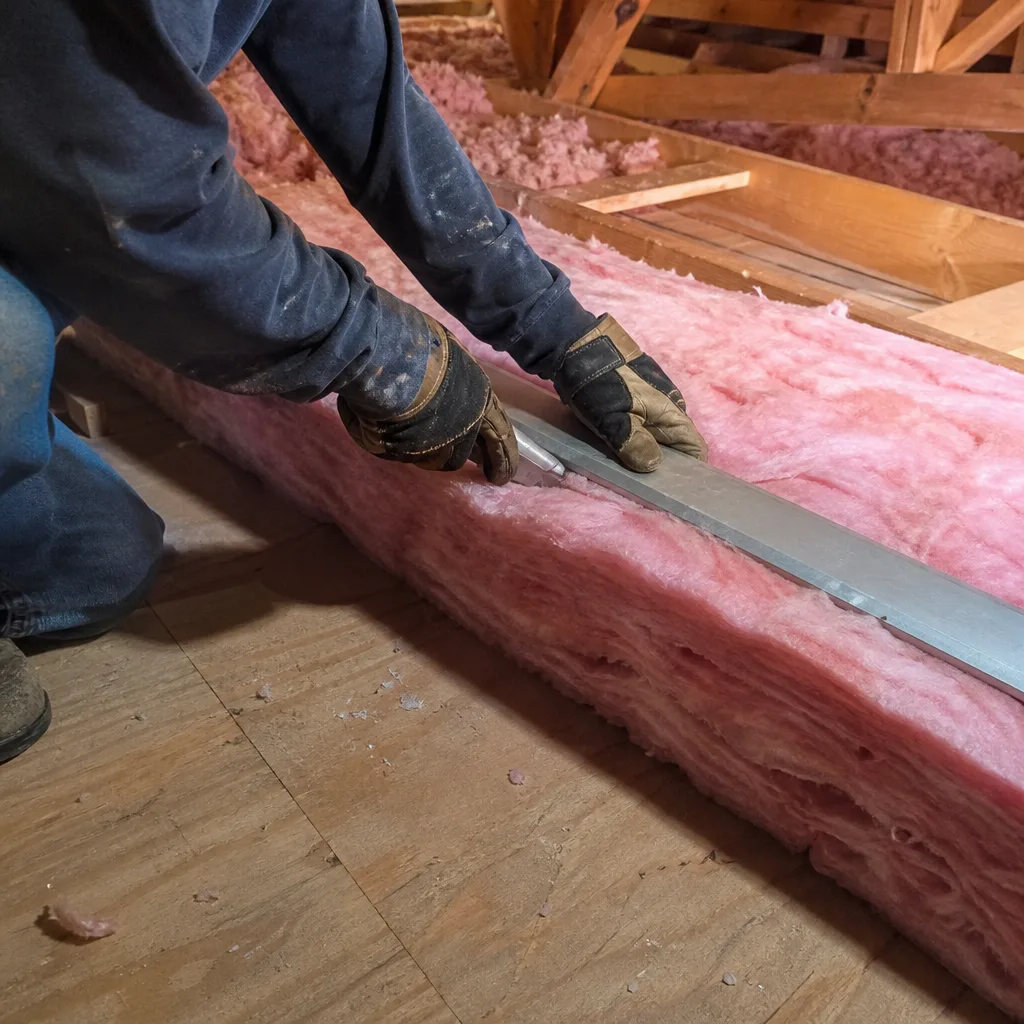
That’s why we don’t give quote-over-the-phone numbers for Rowland Heights without looking at the roof orientation. A shaded north-slope home might only need an R-38 blown-in top-up over existing batts and some air sealing. The sun-blasted west-facing home might need a radiant barrier, sealed can lights, and higher-density coverage to achieve the same indoor comfort. If a contractor quotes both homes the same number, they haven’t been up in the attic. We have. Call (866) 271-1602 and we’ll assess your specific exposure.
Pricing for Attic Insulation in Rowland Heights, CA
Here are real numbers for the Rowland Heights market, based on standard single-family attics between 1,200 and 2,000 square feet:
- Blown-in attic top-up over existing batts: $1,500 to $2,800
- Full attic insulation replacement (remove, air seal, reinstall): $2,800 to $5,500
- Attic air sealing only (can lights, top plates, penetrations): $800 to $1,800
- Attic mold removal and ventilation correction: $1,800 to $4,500
- Radiant barrier retrofit on south/west roof planes: $1,400 to $3,200
What moves the number: attic square footage, access difficulty (those hillside homes with tight scuttles aren’t doing you any favors), how much old material needs to come out, and whether ductwork or can lights need sealing. Rowland Heights jobs with original 1972 batts compressed to nothing typically fall at the higher end of these ranges, because the old material has to go before anything new goes in. Estimates are free, and we’ll give you a line-item breakdown before any work starts.
Same-Day and Emergency Attic Service in Rowland Heights
If your attic is actively leaking into your ceiling or you’ve discovered a mold bloom, don’t wait. We prioritize Rowland Heights calls for emergency mold removal, water-damaged insulation replacement, and same-day inspections when a real estate transaction is at stake. Our schedule is staffed to get someone to 91748 quickly, and we’ll confirm an arrival window when you call (866) 271-1602.
We Also Serve Cities Near Rowland Heights
Fontana Insulation works throughout the eastern San Gabriel Valley and western Pomona Valley. In addition to Rowland Heights, we regularly handle attic jobs in South San Jose Hills, Walnut, Valinda, and Hacienda Heights. If you’re a few minutes over the city line, the same crew and the same eight-brand lineup apply. Call us and we’ll schedule a walkthrough.
Serving Rowland Heights, CA — Our Local Coverage Area
We’re based in the Rowland Heights area and know this community well. Use the map below to see our service coverage — if you’re nearby, we can almost certainly help.
FAQs About Attic Insulation in Rowland Heights
Roof-plane orientation, plain and simple. The Puente Hills run east-west along the south edge of Rowland Heights, so homes with south- or west-facing roof planes take direct afternoon sun while north-facing planes stay shaded. That can mean a 25°F difference in attic temperature between two homes a quarter mile apart. Our recommendation changes accordingly: south/west-facing homes often benefit from radiant barriers and higher-density coverage, while shaded north-facing homes may just need a top-up and air sealing. Call (866) 271-1602 and we’ll check your exposure in person.
Almost certainly not. After forty to fifty years of dry-heat cycling in a Rowland Heights attic, original fiberglass batts are typically compressed to one to two inches, and any paper facing has long since degraded. That’s an R-8 to R-11 assembly where you need R-38 or better. On a 1972 tract home off Colima Road, our crew found exactly this: batts slumped to about two inches over the garage-side ceiling and three unsealed can lights punching holes into a 145°F attic. We pulled the dead material, air-sealed everything, and blew in Owens Corning loose-fill. The back bedrooms stopped baking by mid-morning.
It depends on which way your roof faces. More insulation always helps, but on west- and south-facing roof planes toward the Puente Hills, a radiant barrier does the work that insulation can’t: it reflects the sun’s heat before it ever enters the attic air. On a shaded north-slope home, a radiant barrier may be overkill. We’ll only recommend one if your specific orientation justifies it. That’s the material-agnostic difference: Fontana Insulation carries radiant barrier products and installs them where they make sense, not as an automatic upsell.
Yes, and often dramatically. Older non-IC-rated can lights in Rowland Heights ceilings are essentially open holes into the attic, each one bleeding conditioned air upward. Legacy ductwork in these houses leaks at the joints and connections, too. Both problems mean you’re paying to cool air that ends up in a 140°F attic. Any attic insulation job in Rowland Heights should include inspecting and sealing these penetrations, otherwise you’re just insulating around the leaks.
Remove it when the existing material is moldy, soaked from a hip-roof leak, saturated with rodent waste, or so compressed that it’s blocking soffit airflow. Topping off moldy or pest-damaged insulation just buries the problem. If the old fiberglass is clean but thin, a blown-in top-up is usually the right call. We’ll make the call honestly during the free estimate. Call (866) 271-1602 and we’ll walk your attic with you.
Contact Fontana Insulation for Attic Insulation in Rowland Heights
If your Rowland Heights home is fighting summer heat with original 1970s insulation, or you’ve noticed back bedrooms that never cool down, it’s time to look up. We’ll come out, inspect your attic, explain your options across eight major brands and four material types, and give you a written quote with no pressure and no inventory-pushing. Led by Noel Arredondo, our crew has the experience with Rowland Heights housing stock that makes the difference between a guess and a fix. Call (866) 271-1602 today for a free estimate.
Written by Noel Arredondo, Owner at Fontana Insulation, serving Rowland Heights.