
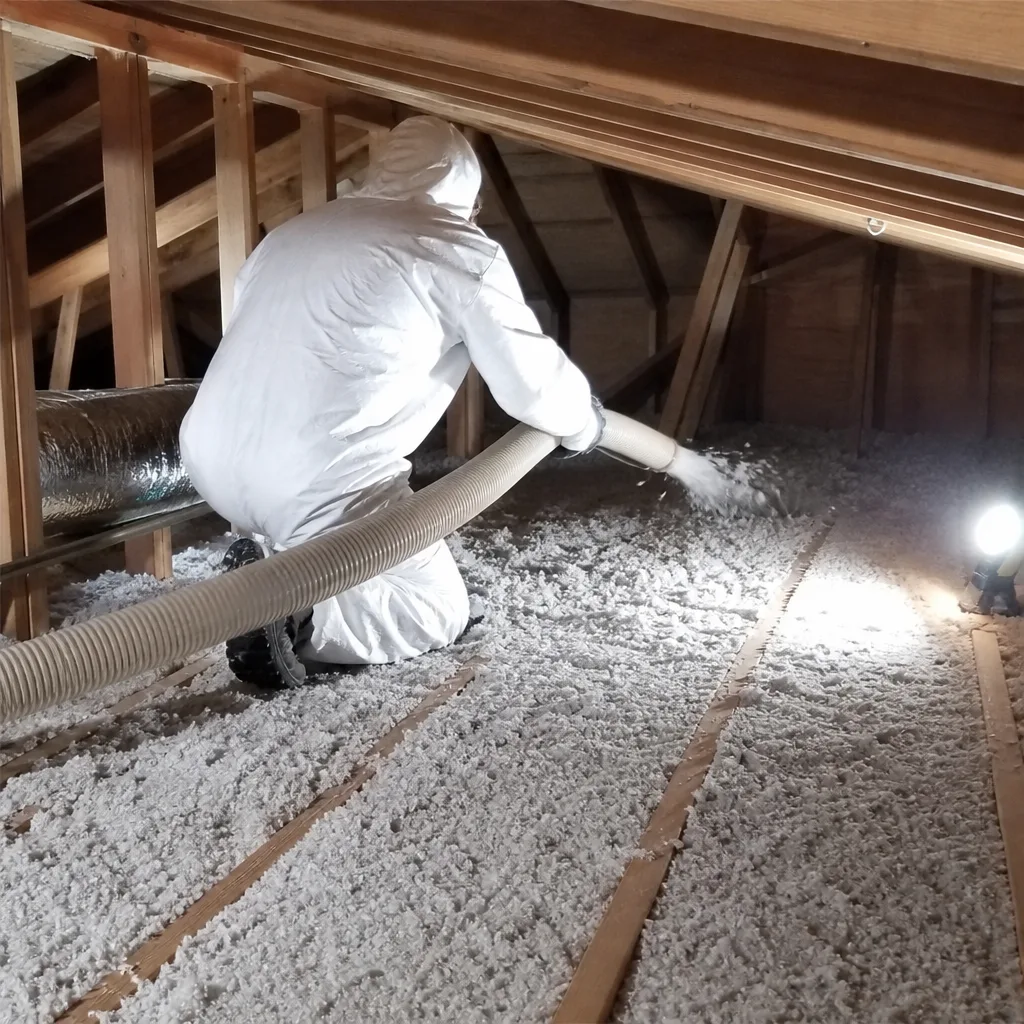
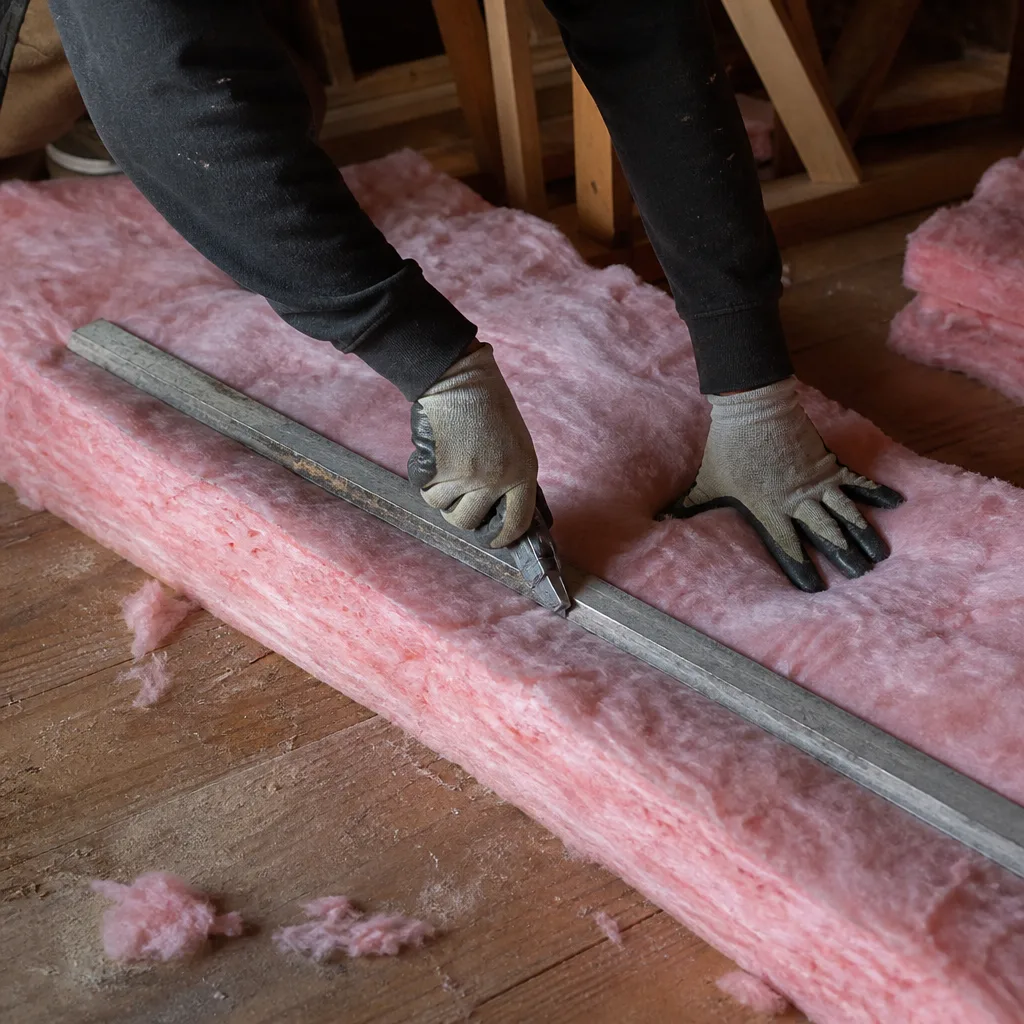
Fast, Reliable Attic Insulation Across North Hollywood
Attic insulation in North Hollywood is less about staying warm in winter and more about keeping your home from baking into an oven between June and October. When attic temperatures in your part of the San Fernando Valley spike past 150°F, the insulation you have isn’t just underperforming, it’s failing. We’ve worked in the 91601, 91605, and 91606 neighborhoods long enough to know what actually holds up here, and what doesn’t. If your AC runs nonstop from noon to midnight, call (866) 271-1602 for a free estimate. We’ll tell you straight whether you need a top-up, a full remove-and-replace, or a venting fix first.
Why Fontana Insulation Is North Hollywood’s Preferred Attic Insulation Company
Noel Arredondo built Fontana Insulation on a simple idea: carry the materials that match the problem, not just whatever’s cheapest to stock. That matters in North Hollywood, where a 1926 Craftsman near the NoHo Arts District and a 1968 stucco tract home off Victory Boulevard need completely different approaches. We carry eight major insulation brands across fiberglass, mineral wool, spray foam, and cellulose, so the conversation starts with your attic’s actual condition, not with a sales pitch. That’s the material-agnostic approach we bring to every North Hollywood job.
We’re not a one-truck operation trying to cover the whole Valley from a garage in Reseda. Our crews know North Hollywood’s housing stock: the pre-war bungalows with knob-and-tube wiring, the mid-century flat-roof sections that trap heat like a Dutch oven, and the dense apartment conversions that nobody ever properly insulated. That local familiarity means we show up knowing what we’re likely to find before we even open the attic hatch.
Our whole insulation team handles attic work, spray foam, and blown-in jobs in-house. No subcontractors, no “we’ll send a guy.” When you call North Hollywood dispatch, you get a trained Fontana crew, backed by brands we trust and install every week.
Attic Ventilation in North Hollywood
Attic Ventilation in North Hollywood is the difference between an attic that exhausts 150°F air and one that keeps it trapped against your ceiling all afternoon. Most 1950s through 1970s stucco tract homes in 91605 and 91606 were built with minimal intake venting along the soffits and often no exhaust venting at the roof peak or flat-roof sections. That’s a problem before you even talk insulation. A properly vented attic moves hot air out the top while pulling cooler air in down low, which lowers the temperature your insulation has to fight against.
Expect to pay roughly $350 – $900 for retrofitting vents into an existing North Hollywood attic, depending on whether it’s a simple soffit-to-ridge setup or a low-pitch flat section that needs low-profile mushroom or O’Hagin-style vents. The work usually takes a few hours to half a day.
Intake and Exhaust Venting For Valley Heat
The goal here is a balanced system. Where soffit vents are blocked by old blown-in fiberglass or decades of dust, we clear them and install baffles to keep the airflow path open. Ridge and roof-louver exhaust vents finish the job so heat has somewhere to go.
Flat-Roof and Low-Pitch Venting
Flat and nearly-flat roof sections common across 91605 and 91606 need a different venting strategy entirely. We install low-profile vents that don’t compromise the roofing membrane, sized to let that trapped heat finally escape instead of cooking whatever insulation is underneath.
Radiant Barrier in North Hollywood
Radiant Barrier in North Hollywood is the most underrated retrofit for East Valley homes, because it directly attacks the problem that defines this climate: heat gain from the sun beating on your roof deck. A radiant barrier is a reflective material, typically foil-faced, installed under the roof deck or over existing insulation. It reflects radiant heat rather than absorbing it, the same way a windshield shade keeps your parked car from becoming a furnace. In North Hollywood, that means the underside of your roof that used to radiate 150°F downward now stays dramatically cooler.
Typical radiant barrier installation in North Hollywood runs $1.50 – $2.50 per square foot, so a 1,200-square-foot attic lands in the $1,800 – $3,000 range. That’s a number on a spreadsheet until you factor in what it does to your AC runtime in August. For the right attic – one with accessible roof decking and a real ventilation path – it’s one of the highest-ROI heat-rejection moves available.
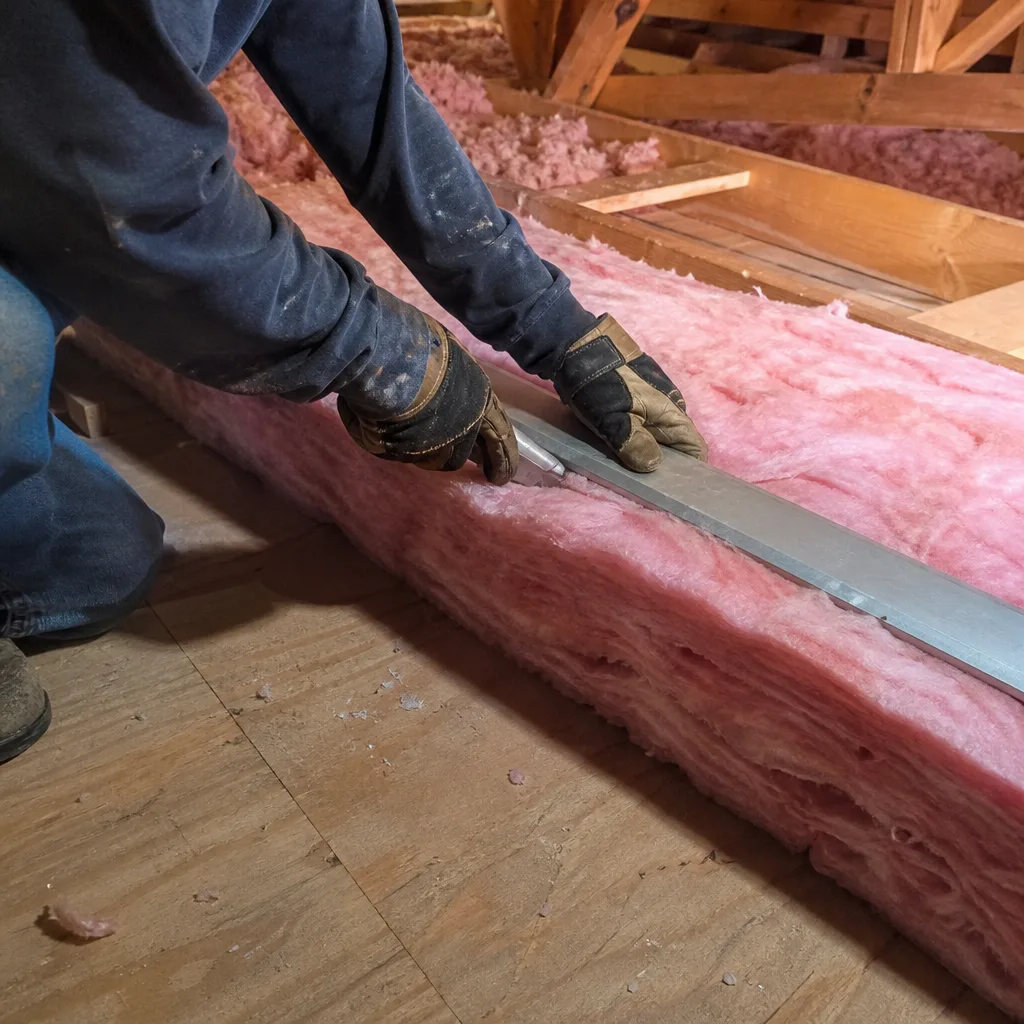
Applied Under the Roof Deck
Attaching the barrier to the underside of the rafters keeps the radiant surface facing the hot roof deck, stopping heat before it enters the attic cavity. This method works best in attics we’re already venting, because the reflected heat still needs an exhaust path.
Laid Over Existing Insulation
For attics with deep existing insulation and no roof-deck access, we install the barrier directly over the insulation. It’s slightly less efficient for radiant heat rejection, but it’s a faster, lower-cost retrofit that still makes a measurable difference in attic temperature.
Trusted Brands We Service in North Hollywood
Because we’re not married to one manufacturer, we stock and install what North Hollywood homes actually need. Owens Corning fiberglass shows up again and again in the Valley because it holds its loft in high heat and carries a warranty people recognize. CertainTeed is in the same category: proven R-value retention, widely available, and easy to document for resale. Knauf gives us a cost-effective fiberglass option without dropping to no-name material. Rockwool is the mineral wool option, and it matters here because it’s naturally fire-resistant and deadens sound – useful when your 91601 bungalow sits eight feet from the neighbor’s bedroom window. For spray foam applications, we’re authorized installers for Icynene and Demilec, two of the most performance-tested foam brands on the market. We carry these brands because each earns its place in specific attics.
Common Attic Insulation Problems We See in North Hollywood Homes
- Baked-down fiberglass in 91605/91606 stucco tracts: Original builder-grade batts from the 60s and 70s compress into a matted mess after a few Valley summers. A batt that started at R-19 can be insuring at a fraction of that when it’s flattened to a quarter-inch under a flat-roof section.
- No air sealing in pre-war bungalows: Knob-and-tube-era homes near the NoHo Arts District often have zero ceiling-plane sealing. Hot Valley air and fine dust pull straight up through every light fixture and plumbing penetration, making whatever insulation is there work twice as hard.
- Flat-roof sections with no venting: Under-ventilated flat roofs trap heat like a pressure cooker, cooking insulation into structural failure within a few summers. The fix is venting first, insulation second.
- Insulation that’s there but useless: We find plenty of North Hollywood attics where someone blew cellulose over old batts without addressing venting or air sealing. The insulation looks fine from the hatch, but the attic still hits 150°F because heat has nowhere to go.
Pricing for Attic Insulation in North Hollywood, CA
Here are the numbers we actually quote in North Hollywood, and they’re not pulled from a national chart. A blown-in cellulose or fiberglass top-up over existing insulation typically runs $1,500 – $3,200 for a standard 1,200-square-foot attic. Full removal of old matted batts plus new R-38 fiberglass replacement lands between $3,500 – $6,500 depending on attic accessibility and how much old material has to come out. Adding attic baffles and venting prep usually adds $300 – $700. Radiant barrier, as noted above, sits at $1,800 – $3,000 for the same footprint. Climbing to a premium material like closed-cell spray foam runs $6,000 – $12,000+ for full attic encapsulation; it’s the right material in certain cases, but we won’t recommend it where fiberglass or cellulose does the job. Free estimates mean exactly that. Call (866) 271-1602 and we’ll measure, inspect, and give you a written number.
We Also Serve Cities Near North Hollywood
Fontana Insulation works across the East Valley. If you’re in Studio City dealing with a 1940s cottage attic, Universal City with a hillside home catching full afternoon sun, Burbank with its own mix of pre-war and mid-century housing, or Valley Glen with tract-home venting issues, we cover you. See our full Attic Insulation in North Hollywood service area or call for a site assessment. Our Attic Insulation team handles all of it in-house.
Serving North Hollywood, CA — Our Local Coverage Area
We’re based in the North Hollywood area and know this community well. Use the map below to see our service coverage — if you’re nearby, we can almost certainly help.
FAQs About Attic Insulation in North Hollywood
Insulation fails fast in those ZIP codes because flat and low-pitch roof sections with no functional venting routinely push attic temperatures past 150°F, which compresses and mats fiberglass until it loses most of its R-value. The heat degrades the material structurally, not just thermally. The fix starts with venting and often ends with full removal and replacement using a material that tolerates heat. Call (866) 271-1602 for an inspection if your AC bills keep climbing.
The right approach with knob-and-tube is to have an electrician assess the wiring first, then air-seal the ceiling plane thoroughly before adding any insulation. You don’t want to bury live knob-and-tube under new blown-in material, and you don’t want to insulate an attic that’s still leaking hot air through every penetration. We coordinate with licensed electricians for exactly this scenario, then we install materials that won’t cause issues around older framing. The order matters: electrical safety, air sealing, then insulation.
Yes – radiant barriers are one of the few retrofits specifically designed for the heat-gain problem that dominates North Hollywood summers. They reflect radiant heat from the roof deck back out, lowering attic temperatures by 20-30°F in a properly vented attic, which means your insulation and your AC both work less. In a climate where attics hit 150°F routinely, it’s a targeted upgrade. The key is pairing it with real venting so the reflected heat doesn’t just sit there.
You install low-profile roof vents or edge vents designed specifically for flat and low-slope roofs. These don’t require re-roofing; they’re cut into the existing membrane and flashed to remain watertight. The goal is to create an exhaust path for hot air that currently has no way out. We’ve done this on flat sections across North Hollywood that measured 150°F before venting and dropped noticeably after. Call for an assessment; the fix is usually less invasive than you’d think.
Retrofit if your attic has no venting, no air sealing, or insulation that’s matted down to a fraction of its original depth. Repair is the right call if insulation is still performing and you just need an airflow fix or a small section topped up. The decision should be based on a thermal and visual assessment, not a guess. We’ll tell you which one applies to your attic, because recommending a full retrofit when a $500 venting fix solves the problem is exactly the kind of oversell we don’t do.
Written by Noel Arredondo, Owner at Fontana Insulation, serving North Hollywood and the surrounding San Fernando Valley with energy-smart attic upgrades.