
Fast, Reliable Attic Insulation Across Mayflower Village
Attic insulation in Mayflower Village is a different job than what most contractors expect. The bungalows and ranch homes here, built between the 1920s and 1960s, were framed long before building codes required any real thermal barrier. So when we show up at a house off Mayflower Road or along the 91006 blocks, we’re usually doing first-time retrofit work, not topping up existing batts. That means removing settled debris, sealing air leaks that have been open for 70 years, and then installing material matched to how the house actually behaves in San Gabriel Valley heat. Call (866) 271-1602 for a free estimate, and we’ll tell you exactly what your attic needs, not what we’re trying to clear off a truck.
Why Fontana Insulation Is Mayflower Village’s Preferred Attic Insulation Company
We know the housing stock here because we’ve worked through enough of them to recognize the patterns. Original Attic Insulation is almost nonexistent on the older blocks of Mayflower Village – what’s up there is usually newspaper-and-sawdust material from the 1940s or bare joists with nothing between the ceiling and the roof. Noel Arredondo leads our crews, and he keeps us drilling on one thing: match the material to the house, not the other way around. Because we carry eight brands across fiberglass, mineral wool, spray foam, and cellulose, we can walk into a 1948 bungalow and recommend what that specific structure needs – not push whatever product is easiest to stock.
We also don’t subcontract any part of the work. The crew that inspects your attic is the same crew that installs, which matters when a shallow knee wall or old plaster ceiling throws a curve. Homeowners keep telling us the same thing: they called other companies and got quoted on a generic blow-in without anyone actually climbing into the attic. We measure, we inspect the framing, and we build the thermal boundary right the first time.
Attic Insulation Removal in Mayflower Village
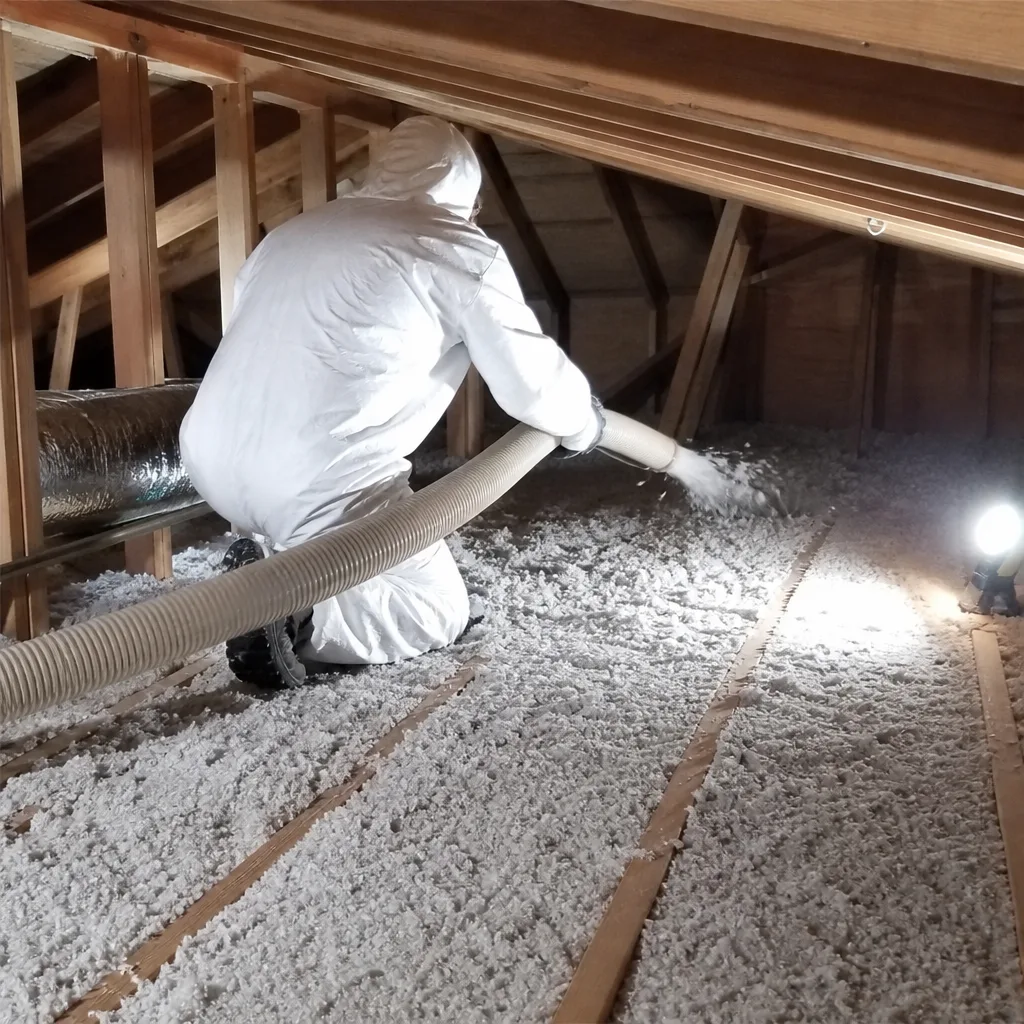
Attic Insulation Removal is the starting point for most of the first-time retrofit jobs in Mayflower Village. When a 1940s bungalow still has its original newspaper-and-sawdust fill, that material hasn’t just lost R-value – it’s compacted into dust, settled between the joists, and in some cases it’s been used as nesting material by whatever’s been living up there. You can’t blow new insulation over it and expect results. The old layer has to come out first, the deck needs to be inspected, and the air bypasses sealed before anything new goes in. A full removal and cleanout for a typical 900 to 1,200-square-foot bungalow attic here runs $1,200 to $2,800, depending on how much material is up there and how accessible the space is.
Settled Legacy Fill and Air Bypass
The houses we see off Duarte Road and near the older ranch blocks share a common problem: original insulation that reads as “insulated” but performs near zero. Newspaper and sawdust compact over decades and lose almost all thermal value. We remove it, but we also trace the air leaks that made the house hot in the first place – unsealed recessed cans, gaps around aluminum sliders, open top plates.
Shallow Knees and Retrofit Prep
Mayflower Village’s 1940s bungalows often have shallow knee walls that choke ventilation. We remove old fill carefully around those structures so soffit vents stay clear. Then we prep the attic for whatever material makes sense: blown-in cellulose for high-R fill, batts where the framing is regular, or spray foam if the knee wall itself needs to be part of the air barrier.
Insulation Contractors in Mayflower Village
Insulation Contractors who understand Mayflower Village — including our Reflectix service in Mayflower Village — know that every job starts with an honest assessment of what’s actually up there. Most of these homes have never had a proper thermal boundary, so the question isn’t “top up or leave it” – it’s “what does this attic need to become insulated for the first time in 70 years?” That’s the work we do. A first-time attic retrofit on a 1920s to 1960s single-story home in Mayflower Village, including removal of old fill if needed, air sealing, and new blown insulation to R-38, typically runs $1,800 to $4,500. Homes with additions from the 1980s or 1990s often have partial insulation, so the work becomes a hybrid: remove in the old section, top up in the newer section, seal the transition line between them.
Material Matching for Legacy Framing
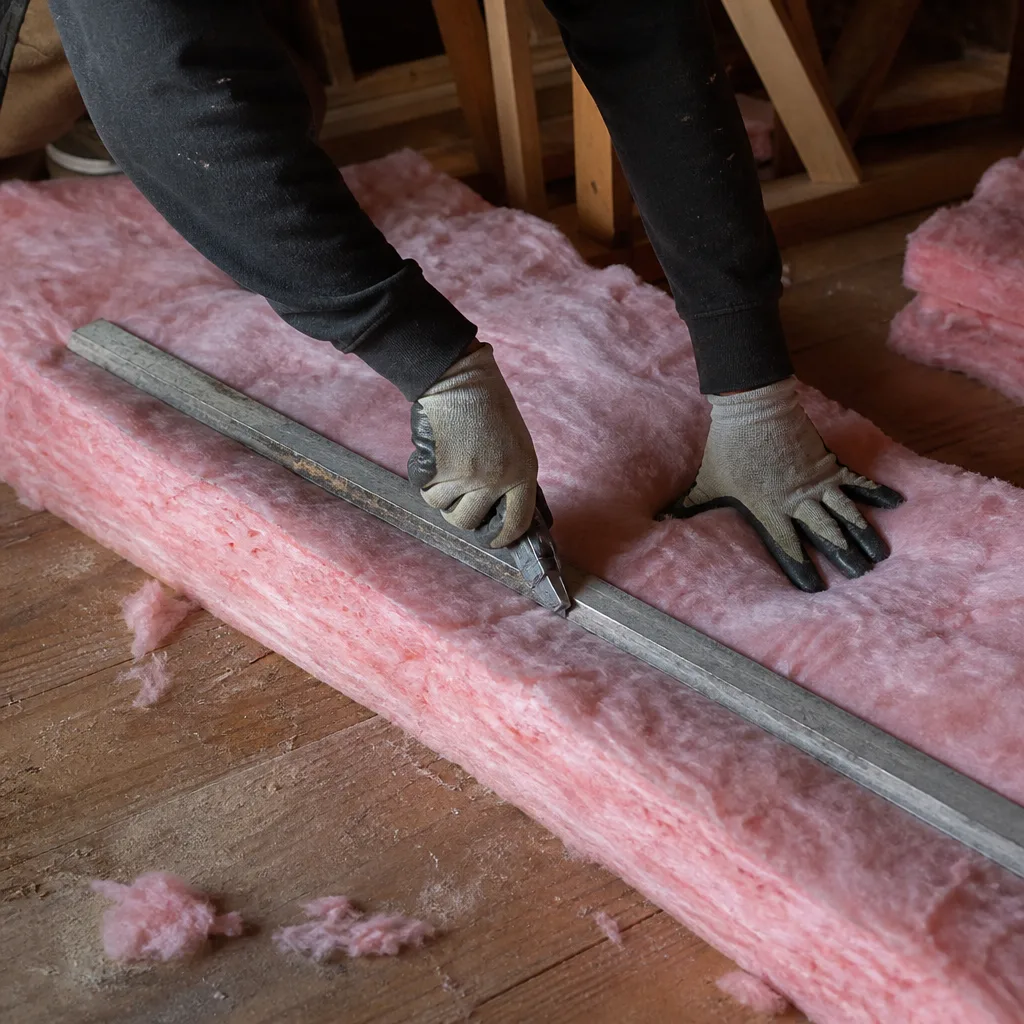
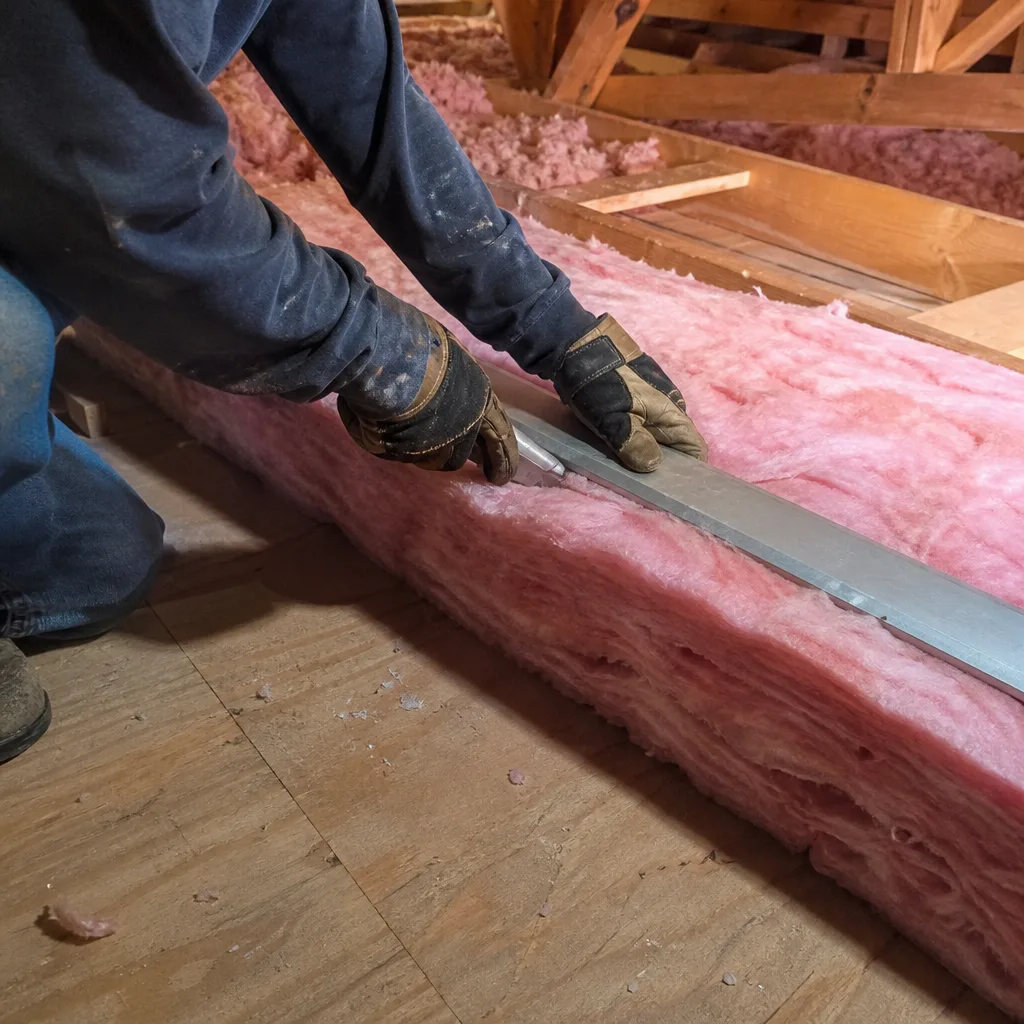
Old plaster ceilings and knob-and-tube-era framing don’t take every insulation product the same way. We carry Owens Corning and CertainTeed fiberglass for regular joist bays, but we’ll switch to GreenFiber cellulose when the attic has irregular spacing or shallow cavities that need dense-packing. If there’s a knee wall we need to bring into the thermal boundary, closed-cell spray foam from Demilec or Icynene does what batts can’t.
Fire Resistance and Venting, Not Just R-Value
Dry autumns and Santa Ana winds make fire resistance a real concern in Mayflower Village. We stock Rockwool mineral wool for homeowners who want a material that won’t burn and adds sound dampening. And we keep venting open while we insulate – an attic that traps heat against a 1940s roof does more damage than an under-insulated one.
Trusted Brands We Service in Mayflower Village
We carry Johns Manville and Knauf fiberglass because they give Mayflower Village homeowners solid, predictably warrantied batts at reasonable cost. CertainTeed sits in the lineup for remodels and additions where performance specs call for a specific product line. And Rockwool is the material most local contractors don’t stock – fire-resistant, sound-dampening, and ideal for the older blocks where ember exposure and neighbor-proximity both matter. Because we buy from eight manufacturers, we can match the material to the job instead of forcing the job into one brand. That’s the whole point of working with a material-agnostic specialist.
Common Attic Insulation Problems We See in Mayflower Village Homes
- Original newspaper-and-sawdust insulation that’s settled into useless dust. The 1940s bungalows still carry fill that compressed decades ago. It looks like insulation from the hatch, but it’s doing almost nothing. Removal and replacement is the only real fix.
- Unsealed recessed cans bleeding attic air into living rooms. The front rooms of these bungalows bake by mid-morning because hot attic air drops through open can fixtures and slider perimeters. Insulating without air sealing first wastes the new material.
- Shallow knee walls choking ventilation. The 1940s and 1950s ranches were built with tight attic geometry. We regularly find insulation packed against soffit vents, trapping heat and cooking the roof deck from underneath.
- 1980s additions sitting on top of 1940s framing. The seam between an old bungalow and a newer stucco addition is a thermal gap. Heat pours through the transition line, and the two sections need different materials installed as one continuous boundary.
Pricing for Attic Insulation in Mayflower Village, CA
Attic insulation pricing in Mayflower Village tracks the age and condition of the house more than the square footage. A straightforward top-up on a home that already has functional batts runs $900 to $1,800. A first-time retrofit on a 1920s to 1960s bungalow, including removal of legacy fill, air sealing, and blown cellulose to R-38, lands between $2,200 and $4,800. If the job calls for spray foam on knee walls or around old framing transitions, expect the total to push toward $5,000 to $7,500, depending on how much of the attic becomes part of the air barrier. We’ll always walk the attic before quoting, and the estimate is free. Call (866) 271-1602 and we’ll give you a number based on what’s actually up there, not what we hope it is.
We Also Serve Cities Near Mayflower Village
Our Attic Insulation crews work throughout the surrounding San Gabriel Valley foothill towns. If you’re in Arcadia, Monrovia, Sierra Madre, or North El Monte, the same material-agnostic approach applies, and we’ll bring the same eight-brand lineup to the assessment. Many of those neighborhoods share the same legacy housing stock, so the work translates directly.
Serving Mayflower Village, CA — Our Local Coverage Area
We’re based in the Mayflower Village area and know this community well. Use the map below to see our service coverage — if you’re nearby, we can almost certainly help.
FAQs About Attic Insulation in Mayflower Village
Many of the 1940s bungalows off Mayflower Road and the surrounding blocks still carry original newspaper-and-sawdust fill, though “insulation” is a generous word for it at this point. It’s settled, compacted, and performing near zero. If your attic has never been opened or you see dust-packed material between the joists, count on removal and a first-time retrofit, not a top-up. We’ll confirm with a free attic inspection – call (866) 271-1602 to schedule one.
Because the air moving through your attic is what’s heating your living room, not just the missing insulation. Unsealed recessed cans, open top plates, and gaps around aluminum slider window frames let hot attic air pour into the house. Blow insulation on top of that and you’ve buried the problem, not fixed it. In Mayflower Village’s dry inland heat, air sealing first is the difference between a retrofit that works and one that underperforms by the first July.
Yes – that’s one of the most common jobs we handle in Mayflower Village. The trick is keeping the knee wall area ventilated while bringing the living space inside the thermal boundary. We’ll typically use batts or dense-packed cellulose in the main attic floor and closed-cell spray foam on the knee wall itself if the geometry is tight. The goal is a continuous boundary without choking the soffit vents.
It can. The same aging housing stock that lacks insulation also tends to have attic venting and ember-resistant detailing that insurers are scrutinizing more closely in the San Gabriel Valley foothills. Sealing the attic properly, using fire-resistant materials like Rockwool where it makes sense, and documenting the work can give you a stronger position when renewal comes up. We can’t talk to your carrier, but we can make sure the attic work is done to a standard that holds up under review.
Radiant barrier makes a measurable difference in attics that hit 130°F or higher, which happens regularly here during summer. It reflects heat before it ever reaches the insulation below. Where it’s most useful: low-pitch roofs, attics with minimal venting, and homes where the HVAC ductwork runs through the attic. It’s not a substitute for R-value, but in Mayflower Village’s prolonged dry heat, it’s one of the higher-payback additions you can make.
Written by Noel Arredondo, Owner at Fontana Insulation, serving Mayflower Village and the San Gabriel Valley.