
Fast, Reliable Attic Insulation Across March Air Force Base
Attic insulation in March Air Force Base is a different animal than what contractors deal with across the fence in Moreno Valley or Riverside. We’re talking about housing built to Cold War-era military specifications, not civilian tract-home standards, and that changes everything about how an attic should be insulated. Fontana Insulation has worked throughout ZIP 92551 long enough to know what’s hiding in these attics: compressed 1950s batts, loose fill that’s drifted into the eaves, air bypasses from decades of base-era modifications. If you’re dealing with a hot upstairs, an AC that won’t stop running, or insulation that looks like it collapsed a generation ago, call us at (866) 271-1602. We’ll come out, get into the attic, and tell you straight what needs to happen.
Why Fontana Insulation Is March Air Force Base’s Preferred Attic Insulation Contractor
We’re not a one-brand shop claiming one product fixes every attic. Fontana Insulation carries eight insulation brands across four material categories, so when we walk a March Air Force Base attic, we’re matching the material to what’s actually there: the roof pitch, the venting, the framing, the access, the cooling load. That matters here more than almost anywhere else in Riverside County.
The base’s housing stock is built on legacy military construction from the 1940s through the 1970s. Wood-frame stucco, shallow attic cavities, minimal original insulation. Many of these homes have had decades of modifications: duct work added, wiring pulled, HVAC retrofits cut through the ceiling plane. Each one of those changes compromised whatever thermal boundary was originally there. Our Attic Insulation team looks for those compromises specifically.
We’ve worked with homeowners throughout March Air Force Base whose attics haven’t been touched since the base was active duty. That’s not an exaggeration. Original rockwool batts from the 1950s, compressed to less than half their rated depth. Blown cellulose that’s settled into a thin, useless layer in the center bays. Air bypasses around old chimneys and chase ways that were never sealed. You don’t solve those problems with a quick top-up. You solve them by understanding what you’re looking at, which is exactly why Noel Arredondo started doing this work.
Attic Mold Removal in March Air Force Base
Attic mold removal in March Air Force Base comes up more often than you’d think for a dry climate, because the problem here isn’t usually rain: it’s condensation from under-ventilated attics and bathroom fans exhausting into the attic space instead of out the roof. When a 1950s military-spec attic has no baffles, no ridge vent, and all that triple-digit daytime heat heating the attic air, any moisture from below hits a cold surface at night and condenses. That’s the start of mold.
How We Remove It
Mold on roof sheathing and framing doesn’t get painted over. We remove affected insulation, treat the framing and sheathing, correct the ventilation problem that caused it, and re-insulate with the right material for the space. The correction part is what actually prevents recurrence. Without it, you’re just treating symptoms.
What It Costs Here
For a typical March Air Force Base attic with moderate mold on sheathing, expect to pay $2,800 to $4,700 for removal, treatment, ventilation correction, and new insulation. Attics with extensive mold, multiple roof penetrations, or base-access delays that complicate scheduling will run higher. We give a written quote before any work starts, so you know the number before we touch anything.
Attic Insulation Removal in March Air Force Base
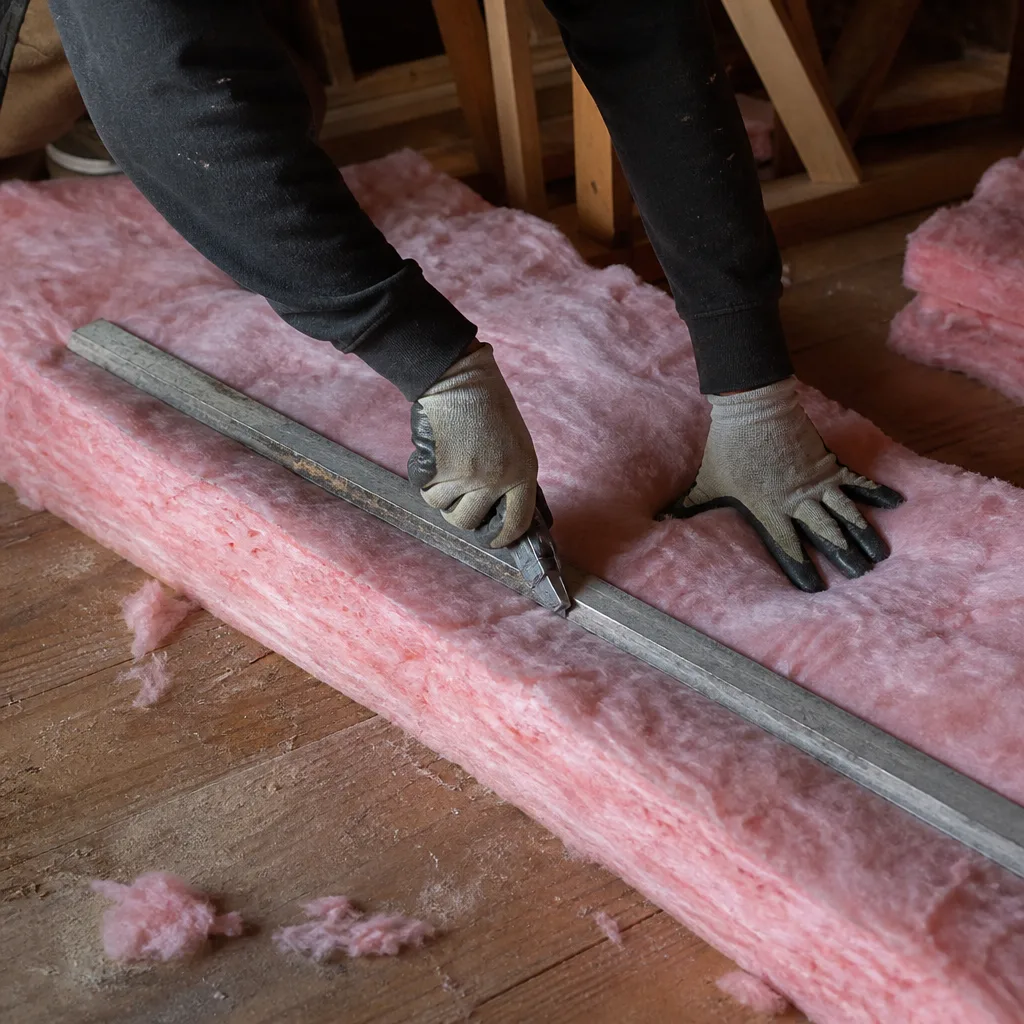
Attic insulation removal in March Air Force Base is a job our crews do regularly, because so much of what’s up there is original 1940s-1970s military-spec material that’s simply reached the end of its useful life. This isn’t a top-up situation. It’s pulling out compressed rockwool, settled cellulose, mouse-damaged batts, and whatever else accumulated over 50 or 60 years, and starting the thermal boundary clean.
What We Pull Out
The material we remove from these attics tells a story. Original mineral-wool batts. Early fiberglass with no facing. Loose fill that shifted during HVAC retrofits. Vermiculite in rare cases, which requires careful handling and proper disposal. Knauf and CertainTeed products from later partial top-ups, mixed with whatever was originally there. You can’t layer new insulation over a contaminated, degraded mess and expect performance.
What Removal Costs
Full attic insulation removal in a typical March Air Force Base home runs $1,800 to $3,400, depending on attic size, access difficulty, and what we’re removing. If mold remediation is needed alongside removal, that’s the separate mold scope above. The removal itself includes bagging, HEPA vacuuming where appropriate, and disposal. It’s dusty work, but we seal off the attic hatch and cover the floor below so you’re not living in the debris.
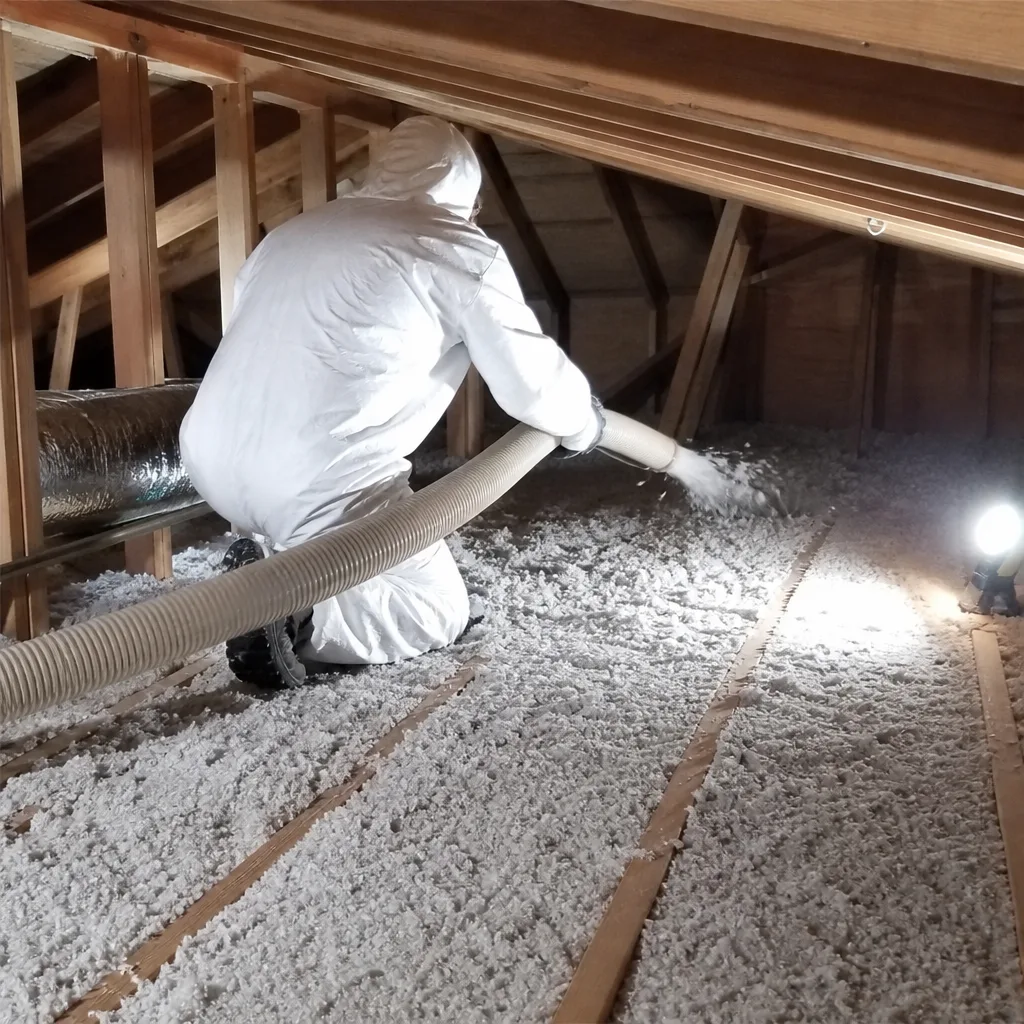
On a 1950s wood-frame stucco unit off the former base housing area near ZIP 92551, our crew found original mineral-wool batts collapsed to less than half their depth and shifting loose fill after a prior HVAC retrofit had cut through the ceiling plane. We pulled the degraded material, air-sealed the bypasses, and blew in GreenFiber loose fill to a full, even depth, then verified coverage before closing out. The house now holds setpoint through triple-digit afternoons instead of short-cycling the condenser.
Trusted Brands We Service in March Air Force Base
Because we’re brand-agnostic, we service and install what fits the application, not what we happen to have in the warehouse. For March Air Force Base’s older attics, that often means Rockwool batts where fire resistance and sound dampening matter, Knauf fiberglass for standard batt work, and Icynene spray foam where air-sealing is the priority. We carry CertainTeed too, which gives homeowners a widely warranted fiberglass option at a strong price point. We stock materials that work with legacy dimensions and framing, so we’re not forcing modern products into 1950s cavities. Fast turnaround on replacement and repair parts keeps your project moving.
Common Attic Insulation Problems We See in March Air Force Base Homes
- Compressed legacy batts from decades of base-era modifications. Duct installs, rewiring jobs, and HVAC retrofits all required someone to move insulation out of the way. It rarely got put back. We find bays with zero insulation directly under old duct runs, right where you need it most.
- Air bypasses around old chimneys, chases, and plumbing stacks. The homes here predate modern air-sealing standards by a long shot. Hot attic air gets pulled into the living space through these gaps, and cooled air escapes into the attic. Insulation alone doesn’t fix that; sealing does.
- Sun-baked stucco walls pushing radiant heat into shallow attic cavities. The inland Riverside heat load is severe. Triple-digit afternoons cook the exterior, and thin legacy insulation just can’t resist that much radiant gain. Cooling runtimes go through the roof, literally.
- Inconsistent coverage from prior ad-hoc patch jobs. Someone added a bag of fiberglass here, a roll of something else there. The attic has a patchwork of materials at different depths and densities. That’s not an insulated attic. That’s a scattered collection of insulation products.
Pricing for Attic Insulation in March Air Force Base, CA
We Also Serve Cities Near March Air Force Base
Our crews cover March Air Force Base and the surrounding communities throughout the inland Riverside area. We run jobs in Moreno Valley, Woodcrest, Perris, and Good Hope regularly, which means we understand the housing stock and heat load across this whole corridor. If you’re just outside the base boundary, same team, same standards.
Serving March Air Force Base, CA — Our Local Coverage Area
We’re based in the March Air Force Base area and know this community well. Use the map below to see our service coverage — if you’re nearby, we can almost certainly help.
FAQs About Attic Insulation in March Air Force Base
Because the housing stock is different. Riverside and Moreno Valley have big postwar tract developments built with civilian builder standards. March Air Force Base’s housing was built to military specifications from the 1940s through the 1970s, then modified repeatedly over decades. That means different framing, different original insulation, different access logistics, and different failure modes. A contractor who only knows tract homes will misread this. We don’t. If your attic hasn’t been touched since the base era, call (866) 271-1602 for a walkthrough and an honest read on what you actually need.
Yes. Most of the former military housing around ZIP 92551 has transferred to civilian ownership, and we work in those homes regularly. The key is that access can require coordination depending on the specific property’s status. Our team has handled the scheduling realities of working in and around the current March Air Reserve Base footprint, so we know how to plan around any access requirements. Give us a call at (866) 271-1602 and we’ll sort out the logistics before we ever set foot on the property.
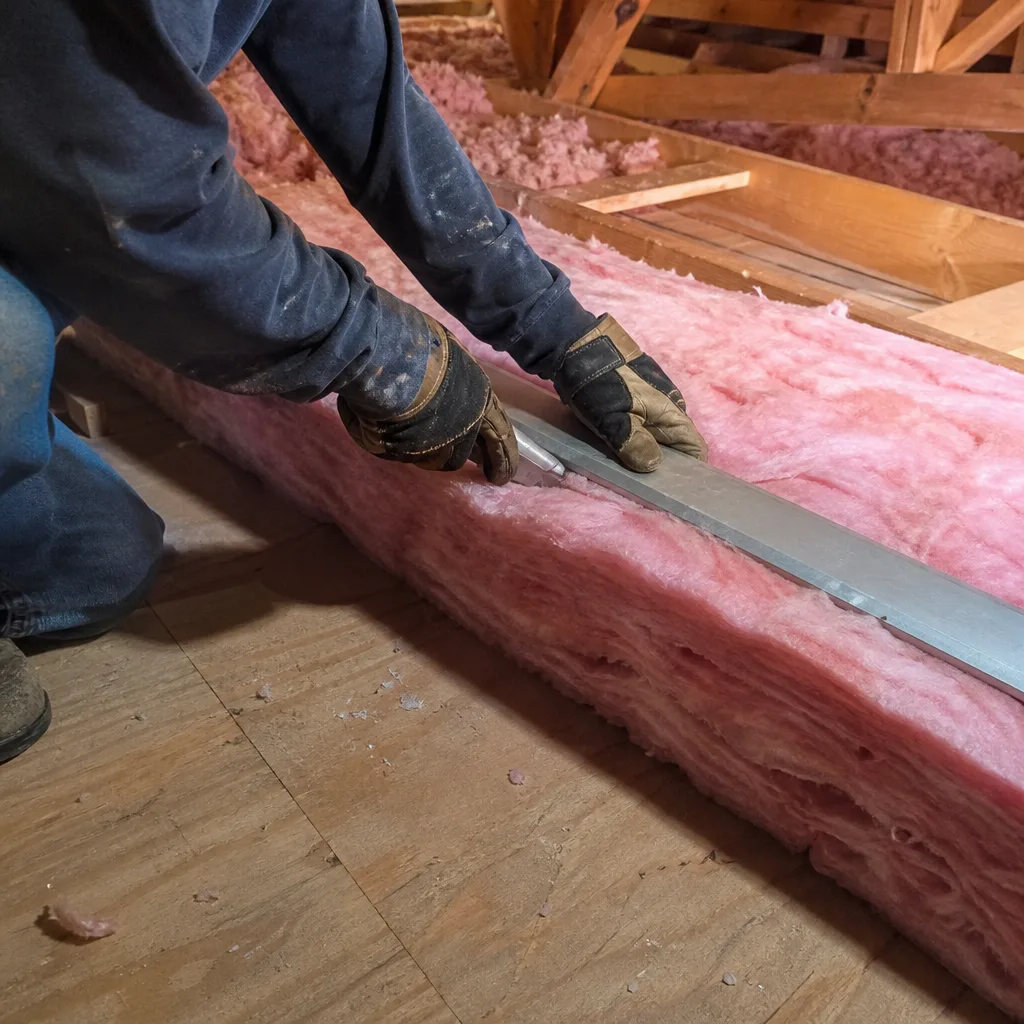
We typically find original mineral-wool or early fiberglass batts that have compressed to half their rated depth or less, loose fill that’s settled and shifted, and air bypasses around ducts, wiring, and old chimney chases. Decades of base-era maintenance and retrofits moved insulation out of the way and never put it back. The result is an attic that looks insulated but performs like it isn’t. Call us at (866) 271-1602 and we’ll show you exactly what’s happening in your attic, with photos.
Yes, it changes the target. The hot, dry climate here means your attic is the primary thermal boundary against summer heat gain. We typically recommend aiming for R-38 to R-49 in this climate zone, but the exact target depends on your home’s construction and current ventilation setup. Sun-baked stucco walls and a superheated attic cavity push radiant heat in a way coastal Southern California never sees. The right material and depth makes a real difference in July and August. We’ll give you a specific target after our assessment. Call (866) 271-1602 to schedule one.
When the existing insulation is compressed, contaminated, or inconsistent across more than a third of the ceiling area, full removal and re-insulation is the better investment. If there’s mold, that definitely pushes it into retrofit territory. Repairing means adding new material over a degraded base, which doesn’t solve the air-sealing problems that caused the degradation in the first place. In Reflectix repair in March Air Force Base and similar housing stock, we recommend full retrofits far more often than we recommend simple top-ups. The legacy construction just has too many hidden compromises. Call (866) 271-1602 for a free estimate and we’ll recommend the right scope for your home, no upsell, just what the attic actually needs.
Written by Noel Arredondo, Owner at Fontana Insulation, serving March Air Force Base and the surrounding Riverside County communities.