
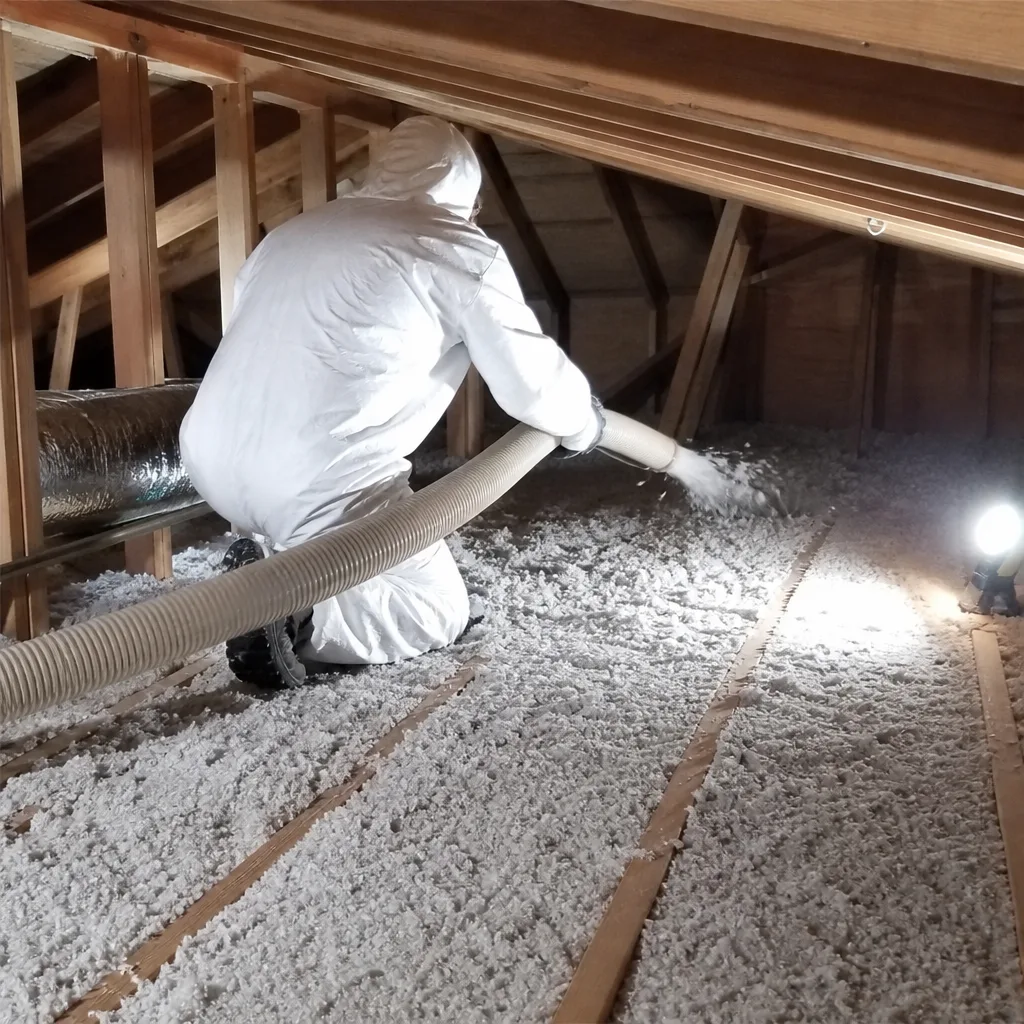
Fast, Reliable Attic Insulation Across Lakewood
Attic insulation in Lakewood usually means retrofitting a 1949-1953 Lakewood Park tract home, and the job costs between $1,400 and $3,200 depending on what’s already up there and whether air-sealing gets done first. Most Lakewood attics we scope are shallow, unvented, and carrying the original gravity-furnace plenum still connected to the ceiling return. That’s why we treat insulation here as a sealing-and-baffling job before it’s a blowing job. If your ceiling gets warm to the touch by 3 p.m. or the back bedroom never cools off, call us at (866) 271-1602 and we’ll walk the attic with you.
Why Fontana Insulation Is Lakewood’s Preferred Attic Insulation Company
Noel Arredondo built Fontana Insulation around a simple position: carry enough insulation material types that the recommendation comes from the house, not from what’s in the truck. That matters in Lakewood because the housing stock is unusually uniform. We’ve scoped dozens of the same 1951 floor plan off Del Amo, South Street, and around Mayfair Park. When you know the rafter bay is 2×4, the top plate is unsealed, and the ceiling return is still tied to the old gravity furnace, you stop guessing and start measuring.
Our crews have worked Lakewood Park blocks from 90712 across to 90714, and the repeatability cuts both ways: faster diagnostics on the job, and a sharper eye when something’s off. We don’t subcontract. The same team that air-seals your top plate is the team that blows the ceiling and builds the baffles. That consistency is why remodelers pulling permits in Lakewood Village and eastside additions call us before the drywall goes up.
Attic Ventilation in Lakewood
Attic Ventilation in Lakewood is rarely optional, because the original Lakewood Park attics were framed with shallow 2×4 top plates and rafter bays that leave almost no room for off-the-shelf baffles, and many were never vented at all. When afternoon heat has nowhere to go, it radiates down through the ceiling after sunset, and the sharp night cool-down condenses moisture against the deck. Proper ventilation here means hand-cut foam chutes stapled between the rafters, balanced intake at the eave line, and exhaust at the ridge or gable.
Hand-Built Baffles for Shallow Bays
Factory baffles don’t fit Lakewood Park rafter bays. We build them on site from closed-cell foam board, cut to the bay and stapled to the sheathing so blown fiberglass can’t choke the eave. This is the single most common fix we do before any insulation goes in.
Retrofit Exhaust Where None Existed
Original tract attics in Lakewood often have zero exhaust venting. Adding a correctly sized box vent or ridge vent, paired with eave intake, changes an attic from a heat trap to a moving system. Cost runs $350 to $900 for a typical 950-1,100 sq ft home, depending on how many bays need foam chutes.
Radiant Barrier in Lakewood
Radiant Barrier in Lakewood works well on the original Lakewood Park ranch roof deck because the afternoon sun pounds the shallow attic hard, and a low-e foil stapled to the underside of the rafters reflects a meaningful share of that radiant heat before it ever gets into the attic air. Our crews install it tight to the underside of the sheathing, facing the air gap, and we don’t staple it over existing insulation where it would collect dust and lose reflectivity. Expect $1,800 to $3,400 for a typical Lakewood tract attic, depending on access and whether we’re combining it with ventilation work.
Foiling the Roof Deck
We staple the radiant barrier to the underside of the rafters, leaving the attic floor clear for blown insulation. The air gap matters: without it, the foil conducts heat instead of reflecting it. We set the gap and verify it before the blower starts.
Pairing Barrier With Ventilation
Radiant barrier should not be treated as a substitute for ventilation. On Lakewood’s shallow attics the real win comes from doing both: foil to reject afternoon heat, baffles and vents to move what still gets through. That combination is when homeowners report the back bedroom finally matching the rest of the house.
Trusted Brands We Service in Lakewood
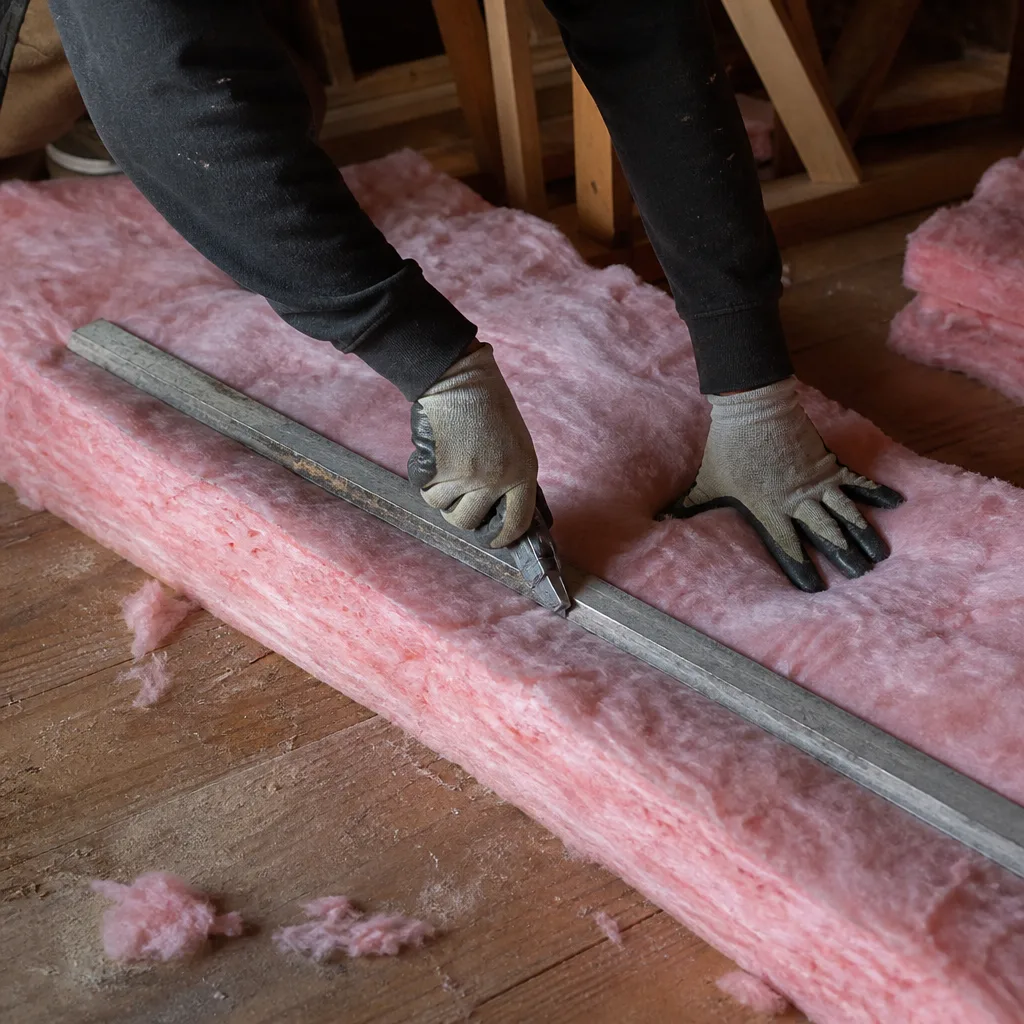
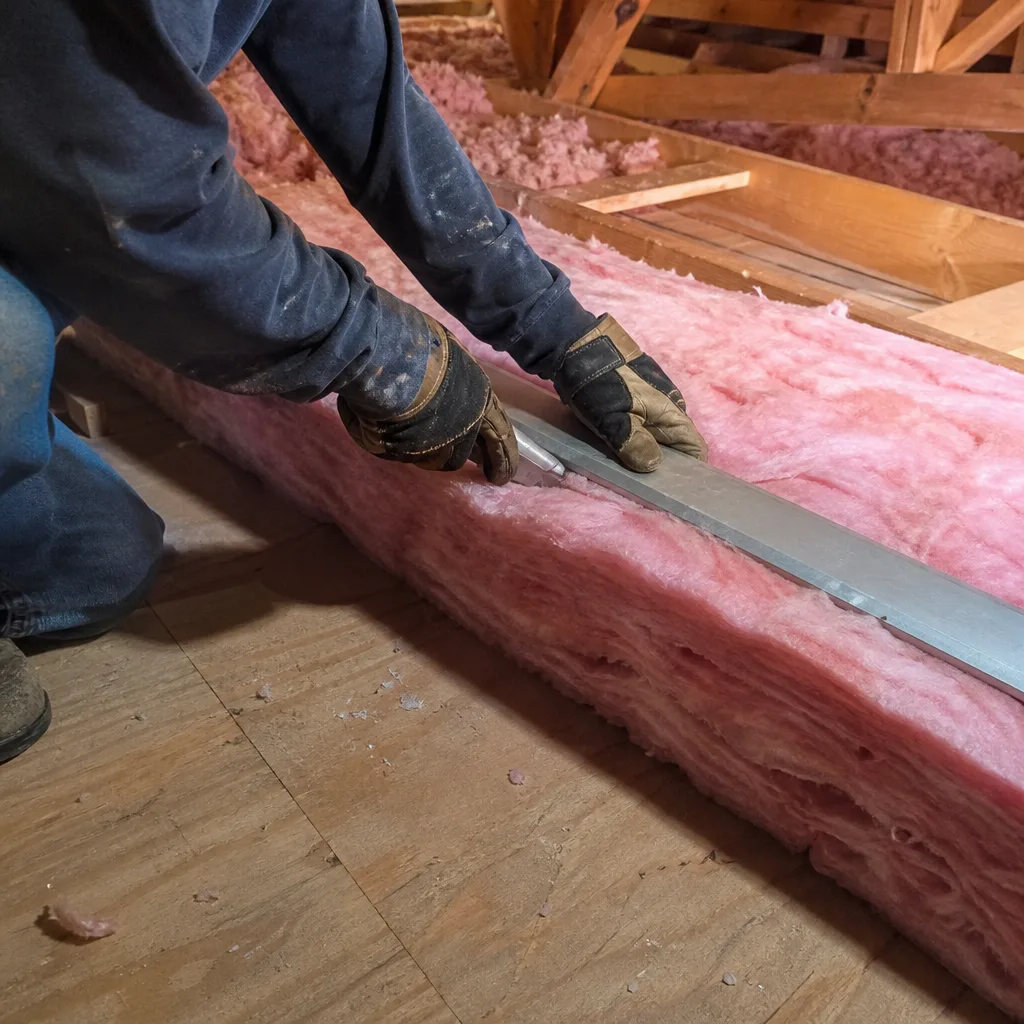
We carry Johns Manville and CertainTeed fiberglass because both offer consistent density and reliable R-value per inch, which matters when you’re blowing a shallow Lakewood Park attic to the ceiling joists. We stock Attic Insulation materials from Knauf for remodelers who need batt options on 1960s additions, and we keep Rockwool mineral wool available for Lakewood homeowners who want the fire resistance and sound dampening on top of thermal performance. Our trucks run to Lakewood with the product already palletized, so there’s no waiting on a distributor pickup when the crew’s already in your attic.
Common Attic Insulation Problems We See in Lakewood Homes
- Old gravity-furnace plenum still connected: The hall-closet furnace in original floor plans pushes conditioned air through an uninsulated attic plenum and a single ceiling return. When that booting was never disconnected, it leaks hot or cold air straight into the shallow attic, and new insulation gets undermined within a season.
- Loose-fill blown over bath fans and knob-and-tube: Because the eave bays are too tight for factory baffles, previous installs often just blew fiberglass over everything: bath fan housings, live wiring, the works. That chokes ventilation and creates a fire and moisture risk we have to correct before adding anything.
- Unvented rafter bays trapping afternoon heat: The original shallow attics on 950-1,100 sq ft tract homes have no path for heat to leave. Afternoon temperatures above 140°F radiate down through the ceiling, and the sharp coastal night cool-down condenses moisture against the deck sheathing.
- Knee walls in 1950s-60s additions left bare: Areas like Lakewood Village and the 90712/90713 additions often have short knee walls that were never insulated when the addition was framed. They radiate heat into the attic and undercut whatever ceiling insulation you add.
Pricing for Attic Insulation in Lakewood, CA
A full attic insulation job in Lakewood, including air-sealing and baffle work, runs $1,400 to $3,200 for most of the 950-1,100 sq ft tract homes. Blown-in ceiling insulation alone on an accessible attic is $900 to $1,800. Adding a retrofit ventilation package runs $350 to $900. A radiant barrier on the roof deck costs $1,800 to $3,400. What moves the number most on these homes is the prep: how much old loose-fill has to come out, whether the plenum booting needs capping, and how many foam baffles the eave bays require. Call (866) 271-1602 for a free estimate; we’ll give you a line-item number, not a range with no context.
We Also Serve Cities Near Lakewood
Our crews run to Signal Hill, Bellflower, Long Beach, and Paramount with the same equipment and the same eight-brand material truck. If you’re just outside the Lakewood Park footprint, call (866) 271-1602 and we’ll schedule a scope. Local knowledge of the 1949-1953 tract template applies to a lot of the surrounding blocks too, not just the Lakewood city line.
Serving Lakewood, CA — Our Local Coverage Area
We’re based in the Lakewood area and know this community well. Use the map below to see our service coverage — if you’re nearby, we can almost certainly help.
FAQs About Attic Insulation in Lakewood
Because the original hall-closet furnace plenum and ceiling return are almost always still connected, leaking conditioned air into the attic. If we blow insulation over that, the leak stays and the insulation underperforms. We seal the top plate, cap any abandoned booting, and only then blow the ceiling. Call (866) 271-1602 for a free attic scope before you spend on material that won’t hold.
Yes, but the wiring has to be addressed first, and that’s not optional. We’ve pulled loose-fill off live knob-and-tube on Del Amo and South Street jobs. We stop the job, have the circuit evaluated, and only blow after the wiring is decommissioned or properly protected. It’s a safety issue, not just a performance issue.
We hand-cut closed-cell foam chutes and staple them between the rafters before any blown fiberglass goes in. Factory baffles don’t fit the original 2×4 rafter bays. The hand-built chute holds the eave path open, then we add exhaust venting sized to the attic’s volume. That sequence is what actually restores airflow on these homes.
Yes, if the attic gets full afternoon sun and the deck is accessible. The foil stapled to the underside of the rafters reflects heat before it enters the attic air. In Lakewood’s warm, dry afternoons that’s a real comfort difference, especially in back bedrooms on the west side. We always pair it with ventilation, never as a substitute.
We disconnect and cap the old booting at the ceiling return, and remove any loose ducting that’s no longer serving a fixture. Leaving it connected means conditioned air keeps dumping into the attic. On a 1951 Lakewood Park ranch off Del Amo, our crew capped the abandoned booting, sealed the top plate, and built foam baffles before blowing the ceiling. The afternoon heat gain in that back bedroom dropped the same week. Call (866) 271-1602 to schedule the same scope on your home.
Written by Noel Arredondo, Owner at Fontana Insulation, serving Lakewood since our first Lakewood Park retrofit.