
Fast, Reliable Attic Insulation Across Fountain Valley
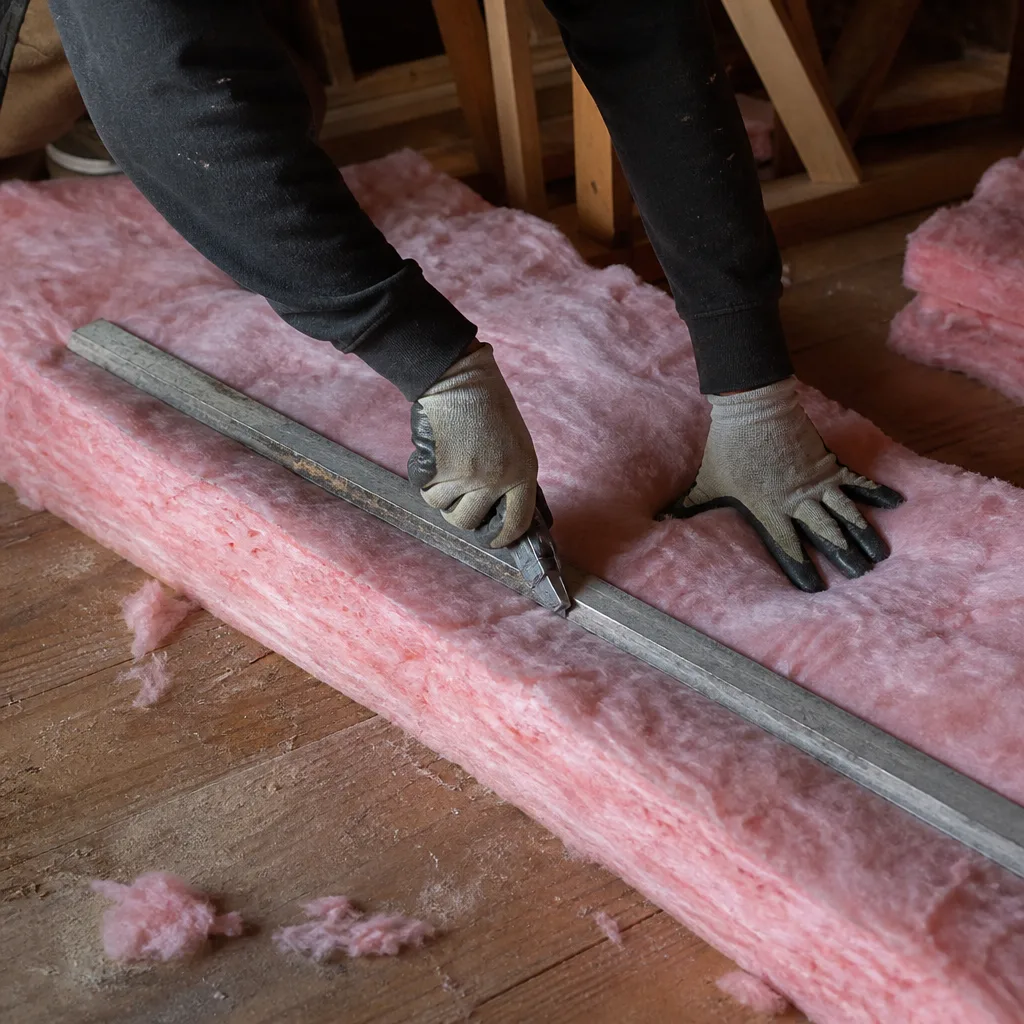
Attic insulation in Fountain Valley usually comes down to one of two jobs: topping off insulation that’s collapsed and underperforming, or doing a full attic overhaul on a pre-1978 tract home that never had enough insulation to begin with. Most of the Mile Square-area homes we work in were built between 1960 and 1985, and a surprising number still carry their original R-7 fiberglass batts. That’s not worn material. That’s a code-era gap. We’re the insulation specialist serving Fountain Valley who’ll tell you which situation you have and what actually needs to happen. Call (866) 271-1602 for a straight answer and a free estimate.
Why Fontana Insulation Is Fountain Valley’s Preferred Attic Insulation Company
Noel Arredondo built Fontana Insulation around a simple idea: carry the full range of insulation materials and let the home dictate the choice. We stock eight brands across fiberglass, mineral wool, spray foam, and cellulose. That means when we walk into a Fountain Valley attic, we’re not trying to sell you the one product we happen to have on the truck. We’re matching material to the actual problem: shallow rafter bays, live knob-and-tube wiring, sagging flex duct, or marine-layer moisture.
Most Fountain Valley insulation contractors push fiberglass because it’s cheap to stock. We carry fiberglass too, from Owens Corning and CertainTeed. But we also carry Rockwool for fire resistance and sound dampening, Icynene and Demilec spray foam for air-sealing, and GreenFiber cellulose for recycled-content blown applications. The recommendation comes from your attic’s condition, not our inventory pressure. That’s the difference a material-agnostic specialist brings, and it’s why homeowners from the 92708 and 92728 ZIP codes keep calling us back.
Radiant Barrier in Fountain Valley
Radiant barrier is the single highest-value add-on for Fountain Valley attics because our problem is radiant heat gain, not extreme cold. Long sunny summers heat the roof deck to 140°F or more, and that heat radiates straight down through whatever insulation is below it. A radiant barrier stapled to the underside of the rafters reflects most of that heat back out before it ever reaches your insulation or ceiling. In a Mile Square-area tract home with a dark shingle roof and a shallow attic, we see this drop upstairs afternoon temperatures noticeably within the first week. Radiant barrier installation in Fountain Valley typically runs $1.50 – $2.50 per square foot of attic floor area, depending on attic height and accessibility.
How It Works in a Fountain Valley Attic
The barrier goes up as a foil-faced layer across the rafter bays. It’s not a substitute for insulation. It’s a multiplier. Combined with a proper blown layer, it keeps the thermal boundary working the way it should during July and August, when the sun sits on your roof for six or seven hours straight.
When Radiant Barrier Makes Sense
If your upstairs rooms bake in the afternoon even with the AC running, radiant barrier is usually part of the fix. It’s also a smart pairing with a full attic overhaul, since the attic is opened up anyway and the marginal labor cost is modest.
Attic Cleaning Services in Fountain Valley
Attic cleaning services in Fountain Valley homes matter more than in newer cities because of what’s up there: 50 to 60 years of dust, rodent activity, old batt fibers, and sometimes asbestos-adjacent materials from the original build. You don’t want loose fill blown over that. The contaminants just get sealed into your thermal boundary, and the air you breathe comes up through that boundary every day. A thorough cleanout, sanitization, and decontamination pass before insulation work runs $1.50 – $3.00 per square foot in Fountain Valley, with higher costs when rodent remediation or asbestos testing gets involved.
Cleanout Before Blown-In
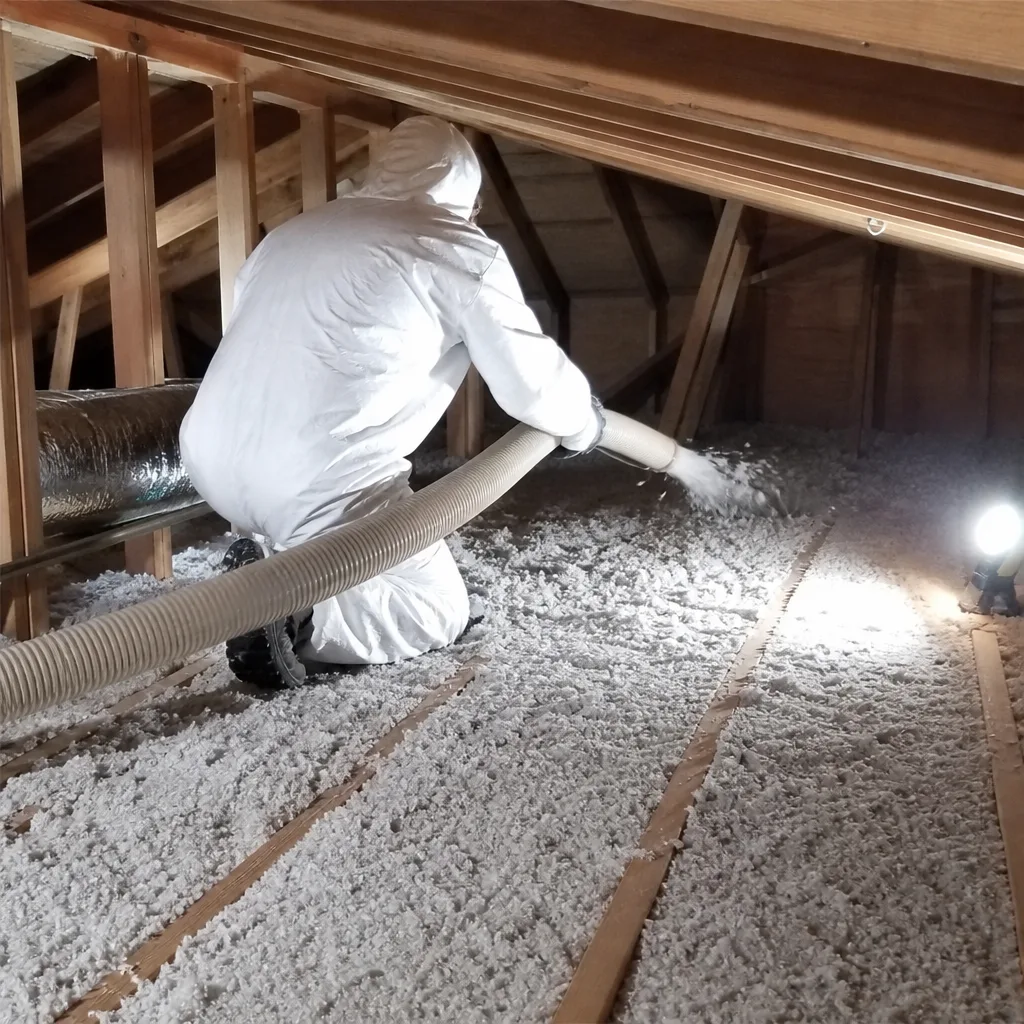
When we blow GreenFiber cellulose into a Fountain Valley attic, it settles into every seam and gap. That’s good for R-value but bad if the attic is full of old droppings and dust. We clean first, then blow, because doing it in reverse just buries the problem.
Sanitization and Pest Sign-Off
If you’ve had rats or mice, which the older Fountain Valley tracts near Slater and Bushard see more than newer neighborhoods, the cleaning pass includes sanitization that makes the attic safe to work in and live under. We won’t insulate over active pest damage without addressing it first.
What happens when you call
- 1
A real person answersNo phone trees — you reach a local pro.
- 2
You get an upfront price rangeHonest numbers before anyone is dispatched.
- 3
A background-checked tech heads outLicensed & insured, dispatched right away.
- 4
You approve before work beginsNothing starts until you say go.
Trusted Brands We Service in Fountain Valley
We install and service all eight brands we carry, so when a Fountain Valley homeowner asks about a specific product they researched, we can talk about it from direct experience. Johns Manville and Knauf fiberglass give us solid mid-tier batt options that hit good R-values per dollar. Rockwool mineral wool matters for the Fountain Valley clients who want fire resistance along with thermal performance, particularly in attached-garage attics where fire separation is already a concern. CertainTeed rounds out the fiberglass lineup with a warranty structure a lot of local builders know well. Because we stock parts and materials for all of these, we’re not waiting on a distributor run when your Fountain Valley project is halfway done.
Common Attic Insulation Problems We See in Fountain Valley Homes
- Collapsed and settled original R-7 batts. Homes built before Title 24’s 1978 standards got roughly R-7 in the attic. Fifty years later, that batts pack down to maybe R-4 or less, leaving bare ceiling zones where radiant heat pours straight through. This is the single most common problem in the 92708 ZIP.
- Live knob-and-tube wiring blocking safe insulation work. Shallow attics off Bushard and Slater often still have electrically live K&T wiring running unsealed across joists. You can’t just blow insulation over live wiring. It needs sealing, rerouting, or decommissioning first. Skipping this is both a fire hazard and a code violation.
- Sagging, unsealed R-4 flex duct. The original ductwork in these tract homes leaks cooled air into a 130°F attic before it ever reaches the register. Insulation alone won’t fix upstairs rooms that stay hot. The duct runs need to be sealed or replaced as part of the job.
- Shallow rafter wells limiting blown-in depth. Many Fountain Valley attics were framed with 4×4 and 2×6 rafters, which leaves only a few inches of depth. You can’t just blow deep. The right approach is a dense-pack or a shallower depth with higher-density material, sized to the actual rafter geometry.
Pricing for Attic Insulation in Fountain Valley, CA
A typical attic insulation top-up in Fountain Valley runs $1,800 – $3,200 for a 1,200 – 1,800 square foot home, assuming the existing batts are in passable condition and we’re blowing over them. A full attic overhaul, which includes cleaning, air-sealing, wiring and duct remediation, and a fresh blown layer, typically runs $4,800 – $8,500 depending on attic size and how much legacy work is involved. Radiant barrier adds $800 – $1,600 on most Fountain Valley homes. Attic cleaning alone runs $1,500 – $4,000. The big cost driver here isn’t material. It’s the condition of what’s already up there. Call (866) 271-1602 and we’ll give you a real number after walking the attic, not a range with a hedge.
We Also Serve Cities Near Fountain Valley
Fontana Insulation regularly works in Attic Insulation projects throughout Orange County. From our Fountain Valley base of operations, we cover Midway City, Huntington Beach, Costa Mesa, and Westminster. If you’re in one of those neighboring cities and dealing with a hot attic or failed ductwork, the same crew and the same eight-brand lineup are available.
Serving Fountain Valley, CA — Our Local Coverage Area
We’re based in the Fountain Valley area and know this community well. Use the map below to see our service coverage — if you’re nearby, we can almost certainly help.
FAQs About Attic Insulation in Fountain Valley
No, not safely or effectively. The original R-7 batts in pre-1978 Fountain Valley tract homes have compressed and settled, and in many cases live knob-and-tube wiring runs unsealed through the joists. Blowing new insulation over live wiring creates a fire hazard and violates current code. The right sequence is: inspect, seal and reroute any live wiring, air-seal penetrations, then blow. Call (866) 271-1602 for an inspection and we’ll tell you exactly what your attic needs.
In Fountain Valley’s pre-Title-24 tract homes, the usual culprits are collapsed R-7 batts and sagging, unsealed R-4 flex duct running through the hot attic. The duct leaks cooled air before it reaches the register, and the thin insulation lets radiant heat from the sun-baked roof deck straight into the ceiling. Insulation alone won’t fix it. The duct runs need attention too. We see this pattern constantly in the Mile Square area.
Usually not for a standard blown depth, but that doesn’t mean you’re stuck. Shallow 2×6 rafters hold less volume, so we use a denser material and a targeted depth sized to the actual rafter geometry rather than a one-size-fits-all blow. In many cases we also pair the blown layer with a radiant barrier at the rafter line, which does more for radiant heat than adding six more inches of fiberglass ever would.
Yes, and it’s one of the most important things we check before any Fountain Valley insulation job. Live, unsealed knob-and-tube wiring running across joists is a legitimate fire risk when buried under insulation, and it’s also a code problem. The wiring has to be sealed and rerouted, or decommissioned, before we blow anything over it. We’ve found this in a large share of the 92708 tract homes we’ve worked in.
You need it if the attic has accumulated decades of dust, rodent droppings, old batt fibers, or pest activity. Insulating over that seals contaminants into your thermal boundary, and since air from the attic migrates down through ceiling gaps, you’re breathing whatever is up there. For Fountain Valley homes built in the 1960s and 70s, that’s almost always the case. Clean first, then insulate. It’s the order we insist on.
Written by Noel Arredondo, Owner at Fontana Insulation, serving Fountain Valley and surrounding Orange County communities.