
Fast, Reliable Attic Insulation Across Desert Hot Springs
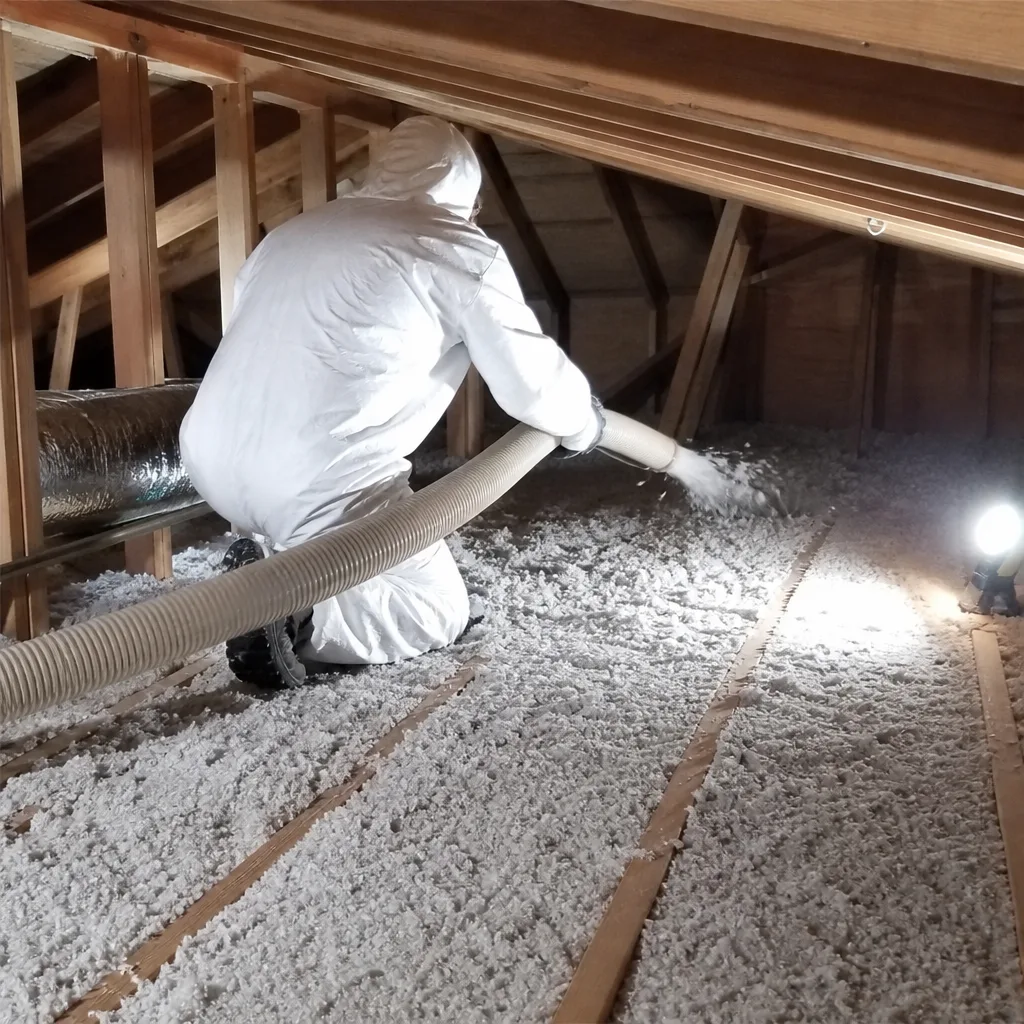
When your attic is 150°F in July and your AC never shuts off, you don’t need a sales pitch. You need someone who understands Desert Hot Springs heat and shows up ready to work. We’ve spent years insulating homes and detached workshops across 92240 and 92241, including the acreage parcels where the San Gorgonio Pass winds dump grit into every vent. Attic insulation in Desert Hot Springs usually runs $1,800 to $4,600 depending on square footage, existing insulation condition, and whether you need ventilation work alongside the blow-in or batt install. We schedule most projects within a few days and finish in one trip, because we know the drive out to 92241 isn’t a quick one. Call (866) 271-1602 for a free estimate and a straight answer about what your attic actually needs.
Why Fontana Insulation Is Desert Hot Springs’s Preferred Attic Insulation Company
We’re an insulation specialist, not a general contractor dabbling in attics. Noel Arredondo built Fontana Insulation around a simple idea: carry enough brands and methods that the recommendation comes from your attic’s actual condition, not from whatever product is cheapest for the company to stock. That matters in Desert Hot Springs, where the right call on a 1980s stucco tract home in 92240 might be completely wrong for a rural 92241 parcel with a detached shop and exposed ducts.
Local homeowners tell us the same thing: other companies quote one material and push it hard. We stock eight brands across fiberglass, mineral wool, spray foam, and cellulose, so we can honestly say whether blown-in fiberglass, Rockwool batts, or a radiant barrier makes sense for your roofline and your cooling bills. Our crews know how San Gorgonio Pass dust behaves in a soffit vent and why a low-pitch adobe roof holds heat differently than a standard gable tract home. That’s the local knowledge that keeps us busy in Desert Hot Springs year-round.
Attic Ventilation in Desert Hot Springs
Attic Ventilation in Desert Hot Springs is often the first thing we have to fix before any new insulation goes down, especially out on 92241 acreage. The job involves clearing and screening soffit and ridge vents, checking that intake and exhaust airflow actually moves, and sometimes adding baffles to keep blown insulation from blocking the air path. A homeowner needs this when attic heat stratifies and the AC runs nonstop, or when blown insulation has drifted and settled because wind-driven grit choked the airflow.
Clearing Grit-Choked Vents
San Gorgonio Pass winds push fine desert dust into soffit and ridge vents until they stop passing air. We pull the clogged material, screen the openings, and verify airflow before any new insulation goes in. This step alone can drop attic temperatures enough that the insulation performs the way its R-value says it should.
Baffles and Airflow Prep
When we blow in new insulation over existing material, we set baffles to keep the soffit intakes clear. In cramped, low-pitch attics on spa-era builds, this is even more critical because there’s less room for air to move. Without it, the new insulation just becomes another layer trapping hot air against the ceiling plane.
Radiant Barrier in Desert Hot Springs
Radiant Barrier in Desert Hot Springs is the single most effective addition for homes where the attic bakes at 150°F-plus and the duct runs sit up in that heat. It’s a reflective foil product stapled under the roof deck that blocks radiant heat before it ever radiates down into the insulation below. A homeowner needs one when attic temps stay brutal well into the evening, or when ducts and the existing insulation show signs of radiant damage like brittle facing or cracked jacket material.
Under-Deck Installation
We staple perforated radiant barrier directly to the underside of the roof sheathing, leaving an air gap that’s essential for it to work. This reflects the sun’s radiant energy back out instead of letting it soak into the insulation. In Desert Hot Springs, where cooling dominates the energy bill nine months a year, this is often the highest-ROI upgrade we recommend.
Pairing with Blown-In Insulation
Radiant barrier works with, not instead of, your thermal insulation. We typically blow in a fresh fiberglass or cellulose layer to hit the target R-value, then add the barrier above it to kill the radiant load. For detached workshops and homes with duct runs in the attic, this combination is what finally makes the space below stop cooking.
Trusted Brands We Service in Desert Hot Springs
We carry Owens Corning and CertainTeed fiberglass because they’re the most widely warranted batts and blown products on the market, and they hold up to the heat we see in Desert Hot Springs attics. We stock Rockwool mineral wool for homeowners who want fire resistance and sound dampening alongside thermal performance, which matters on wind-exposed 92241 parcels. And our spray foam work uses Icynene and Demilec, two of the most performance-tested foam brands in North America, for air-sealing applications where blanket or blown material falls short. We keep these products ready for Desert Hot Springs jobs so we don’t have to order and wait.
Common Attic Insulation Problems We See in Desert Hot Springs Homes
- Grit-buried blown insulation: In 92241 acreage parcels, San Gorgonio Pass winds push fine desert grit through soffit and ridge vents until it settles over and collapses the existing blown layer. The attic looks insulated from the hatch, but the R-value has already failed.
- Baked-brittle duct jacket and radiant-barrier facing: Attic peaks routinely hold 150°F-plus, which cooks older batt binders, duct jacket, and radiant-barrier laminate until it cracks and separates. The insulation didn’t fail from age; it failed from radiant load.
- Low-pitch and flat roof heat stratification: Spa-era and adobe/stucco builds often have cramped, hard-to-vent attic spaces where heat layers and duct runs sit buried in the hottest air. Adding insulation without fixing airflow just traps more heat against the ceiling.
- Drifted fiberglass against the far ridge vent: Wind isn’t just a vent problem; it physically moves loose-fill insulation across the attic floor. On exposed lots, we find bare ceiling planes near the intake side and dunes piled against the far end.
Pricing for Attic Insulation in Desert Hot Springs, CA
We Also Serve Cities Near Desert Hot Springs
Our desert service range includes Desert Edge, Sky Valley, Garnet, and Thousand Palms, so if you’re just outside Desert Hot Springs proper, we can still get to you. Fontana Insulation covers the full Desert Hot Springs area and surrounding Coachella Valley communities. This page covers the local specifics, and our Attic Insulation service hub explains the full material and method options.
Serving Desert Hot Springs, CA — Our Local Coverage Area
We’re based in the Desert Hot Springs area and know this community well. Use the map below to see our service coverage — if you’re nearby, we can almost certainly help.
FAQs About Attic Insulation in Desert Hot Springs
San Gorgonio Pass winds push fine desert grit through soffit and ridge vents, and that grit settles over the blown insulation, compressing it, while the wind itself drifts the loose fiberglass across the attic floor. On exposed 92241 parcels, the insulation often ends up piled against the far ridge vent while the ceiling plane sits nearly bare. The fix is clearing the vents, screening them, then re-blowing to the proper depth. Call (866) 271-1602 and we’ll inspect it in person.
If your attic peaks at 150°F-plus and your ducts run through that space, a radiant barrier usually does more for your cooling bill than another few inches of fiberglass alone. Insulation slows conductive heat gain; a radiant barrier blocks the radiant load from the roof deck before it hits the insulation. Most Desert Hot Springs homes benefit from both together. A free attic inspection will tell you which one is the weak link right now.
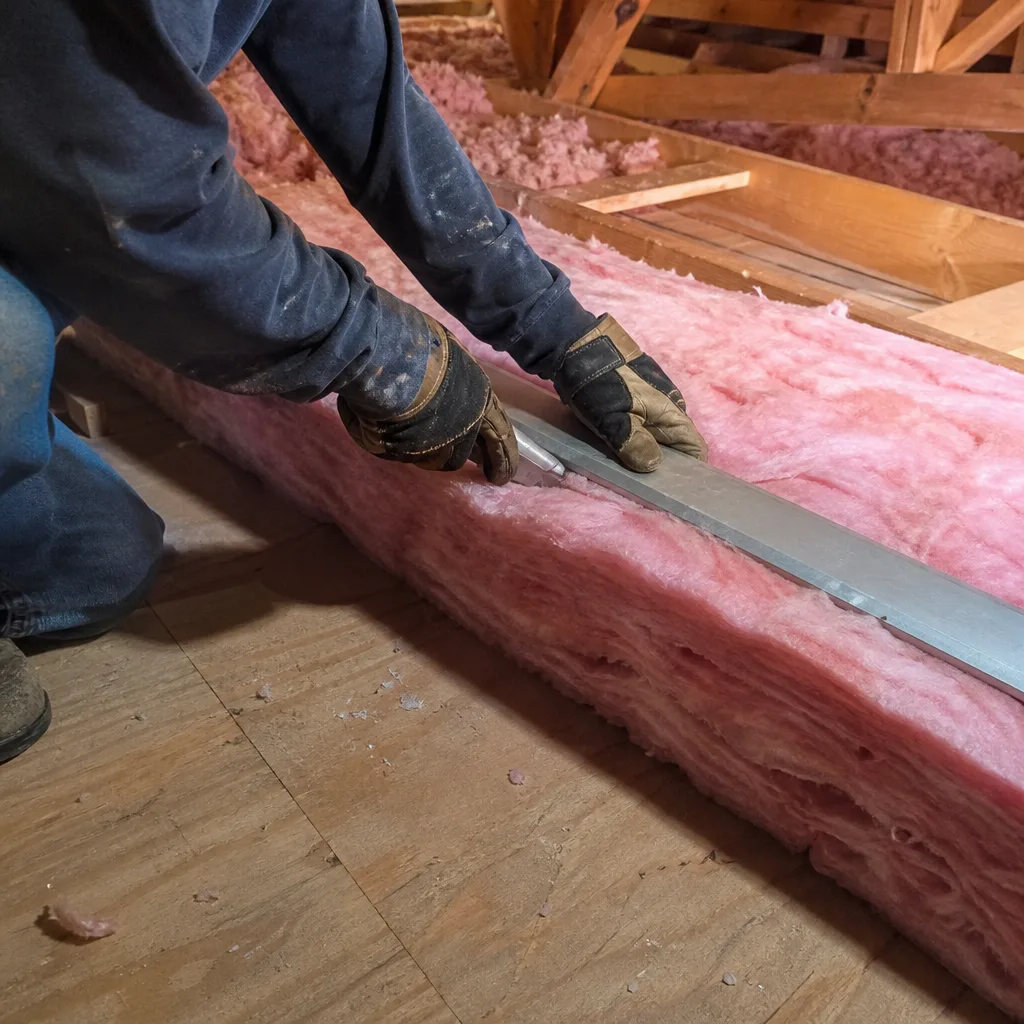
Yes, and we often recommend it. Rural parcels out here usually have a detached garage or workshop with an exposed attic that bakes just as hard as the house, sometimes harder. Since the drive to 92241 is long, we scope both spaces up front and do them in one trip. The workshop gets the same air-sealing, vent screening, and insulation decision as the main house.
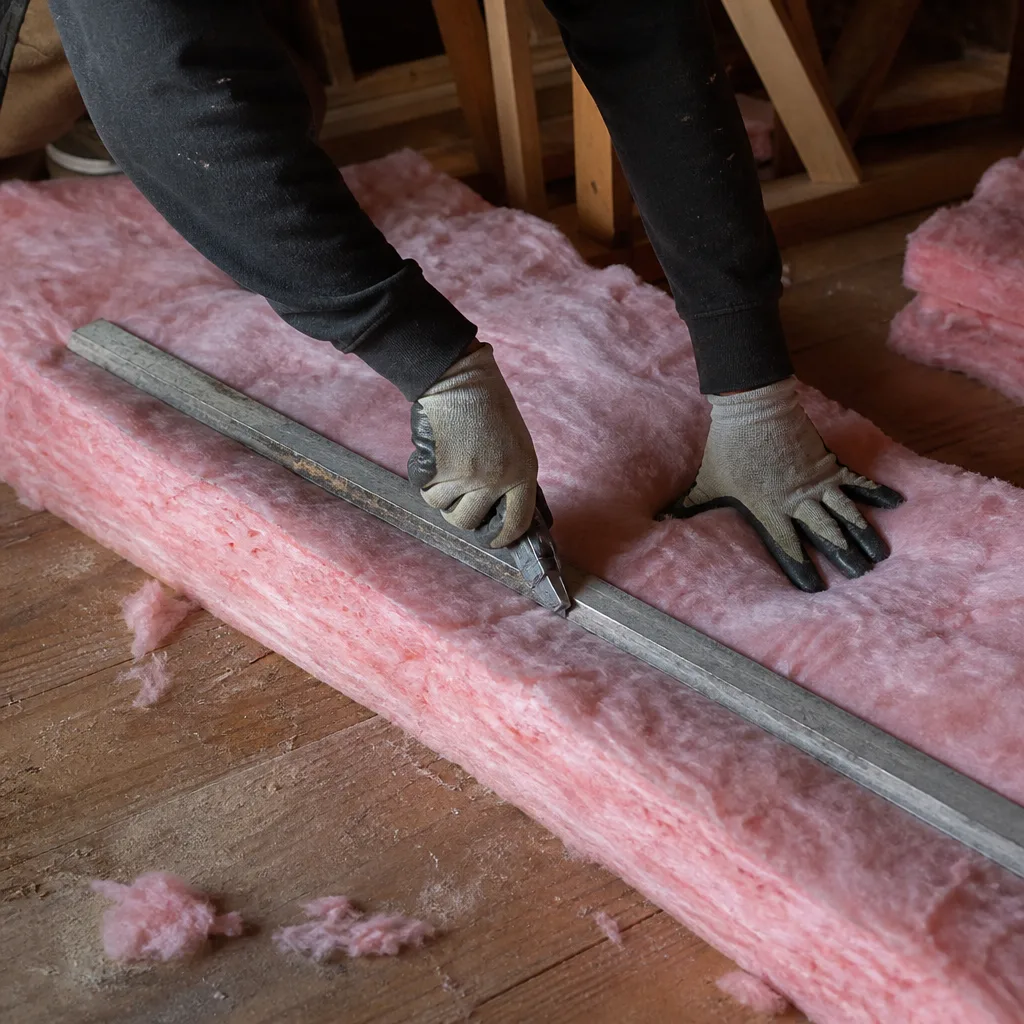
Blown insulation, done right, sits in a continuous blanket that’s less likely to shift than loose-laid batts, but wind-driven grit can still bury or compress it if the vents aren’t screened. Batt insulation holds its shape but leaves seams and gaps where air and dust move through. For most 92240 and 92241 attics, we recommend screened vents plus blown fiberglass or cellulose for full coverage. The material choice depends on your attic’s condition and whether it’s a retrofit or open space.
Partly. Years of 150°F-plus attic heat bakes duct jacket and insulation binder until it cracks and separates, which means the cooled air you’re paying for is warming before it reaches the rooms. Insulation on the attic floor helps, but if the ducts sit above the insulation in a ventilated attic, the real fix is air-sealing the duct runs and adding a radiant barrier to lower the attic temperature itself. Call (866) 271-1602 for an inspection that separates a duct problem from an insulation problem.
Get Your Desert Hot Springs Attic Insulation Estimate
We know what summers out here do to an under-insulated attic, and we know the materials that survive them. Whether it’s a 1980s tract home in 92240, a spa-era adobe with a low-pitch roof, or a 92241 acreage property with a detached shop, we’ll spec the right insulation and ventilation for the way this desert actually behaves. Call (866) 271-1602 for a free estimate, and we’ll tell you what we’d do if it were our house.
Written by Noel Arredondo, Owner at Fontana Insulation, serving Desert Hot Springs and the western Coachella Valley.