
Fast, Reliable Attic Insulation Across Avocado Heights
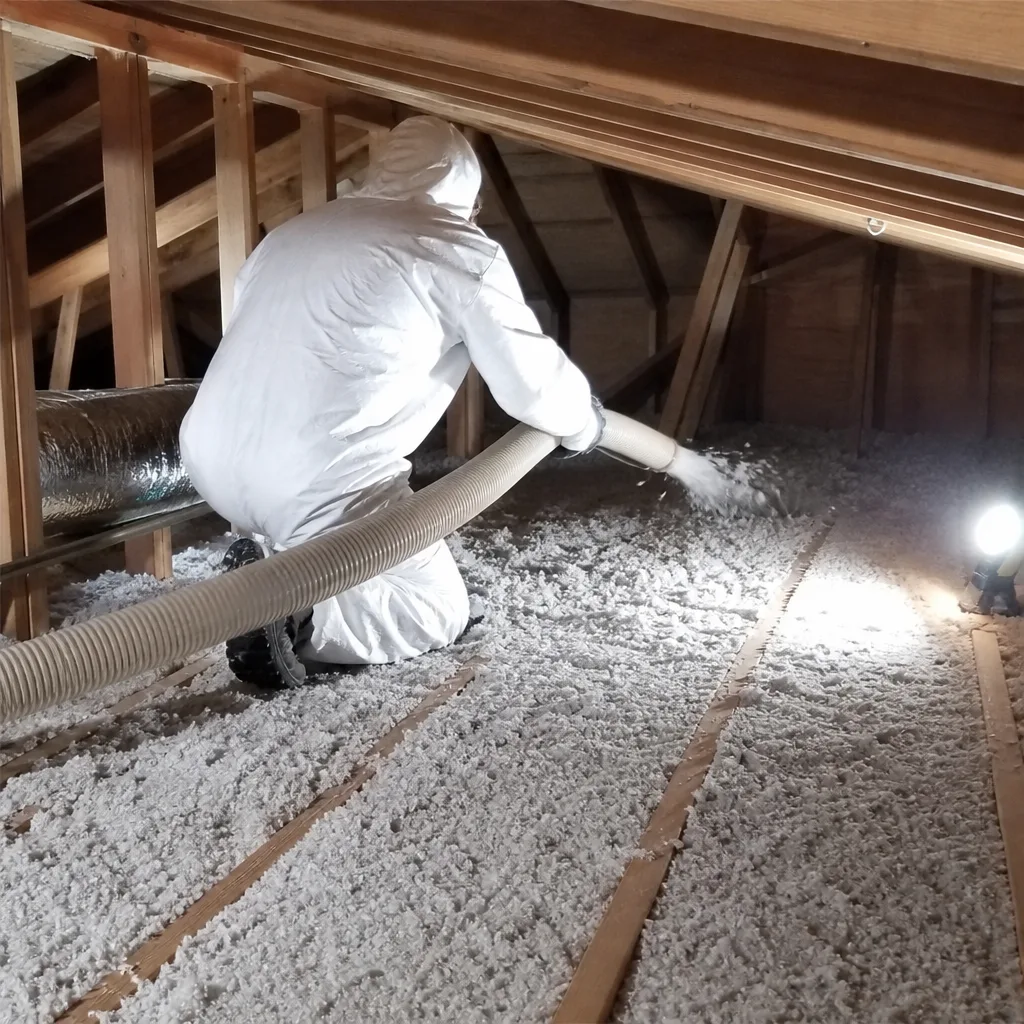
Attic insulation in Avocado Heights typically runs $1.50 to $3.50 per square foot for blown-in fiberglass or cellulose, and $3.00 to $7.00 per square foot for spray foam, depending on the condition of what’s already up there and whether we’re topping up or starting from scratch. Most homes in the 91746 zip code are 1950s – 60s ranches that either have no attic insulation or a thin layer that’s long since settled and stopped doing its job. We’re in Fontana, but we run crews into Avocado Heights regularly because these older tract homes have a specific set of problems that standard insulation work doesn’t fully solve.
If your attic is making the rest of the house miserable in the summer, call us at (866) 271-1602 for a free estimate. Noel Arredondo leads our team, and he’ll tell you straight what your attic needs and what it doesn’t.
Why Fontana Insulation Is Avocado Heights’s Preferred Attic Insulation Company
Avocado Heights isn’t a city with its own building department. It’s an unincorporated LA County pocket, which means a lot of the insulation and air-sealing work done here over the decades came from owner-builders, not code-required inspections. We understand what that means when we open an attic hatch: the original tract home might have a thin layer of something from the Bell-era, an owner-built addition might have nothing at all, and a garage conversion might have batts shoved in backwards. We don’t assume anything until we look.
That local knowledge is why homeowners off Don Julian Road and along Avocado Crest Drive call us. We carry eight major insulation brands, including Johns Manville fiberglass and Rockwool mineral wool, so the recommendation we give you is driven by what your specific attic actually needs, not what we happen to have sitting in the truck. That’s the difference between a contractor who stocks one product and an insulation specialist who matches material to the condition of your home.
Insulation Contractors in Avocado Heights
Insulation Contractors in Avocado Heights have to deal with a housing stock most other LA County cities tore down and rebuilt decades ago. The job here usually starts with an attic inspection: checking what’s up there now, measuring the depth if there’s blown-in material, looking at the soffit vents, and checking whether bathroom fans are venting into the attic (they almost always are in these older homes). After that, we figure out the right target R-value for your roof and whether air-sealing is the first move or the second.
For most Avocado Heights ranches, blown-in fiberglass or cellulose to R-38 or R-49 is the practical target. Costs for a typical 1,200 to 1,500-square-foot attic in Avocado Heights run $1,800 to $4,500 when we’re blowing in new material and air-sealing the top plates. If you’re topping up an existing layer, figure closer to $900 to $1,800. We’ll give you the exact number after we get up there and measure.
Older Attics With Mixed Insulation
We see this constantly in Avocado Heights: someone added a room in the 1970s, someone else patched in a different material later, and now the attic has three different types of insulation at three different depths. We don’t layer over mixed materials blindly. We check for moisture damage first, then recommend either a full removal or a compatible top-up layer depending on what’s underneath.
Owner-Built Additions and Garage Conversions
If your addition was built by a previous owner without a permit, the attic above it is often completely uninsulated. Or worse, insulated only where it meets the original roofline. We treat these as separate zones: seal and insulate the original attic, then address the addition as its own thermal boundary. One size does not fit these homes.
Attic Ventilation in Avocado Heights
Attic Ventilation in Avocado Heights is a bigger problem than most homeowners realize, especially in low-pitch 1950s roofs where the ridge vent is short and the soffit vents are either missing or buried under decades of paint. Without proper airflow, a new layer of insulation just traps the 90°F+ heat that’s already baking the attic, and your electric bill doesn’t move. Ventilation and insulation are two halves of the same job here.
We see attics in Avocado Heights where homeowners paid for R-38 insulation but never added baffles, so the insulation is blocking the soffit vents and the attic is humid and hot. Adding baffles before blowing in new insulation costs roughly $2 to $4 per baffle installed, and a solar-powered attic fan adds $350 to $900 depending on the model. That’s a lot cheaper than replacing a roof deck that rotted because moisture had nowhere to go.
Soffit Baffles and Ridge Vents
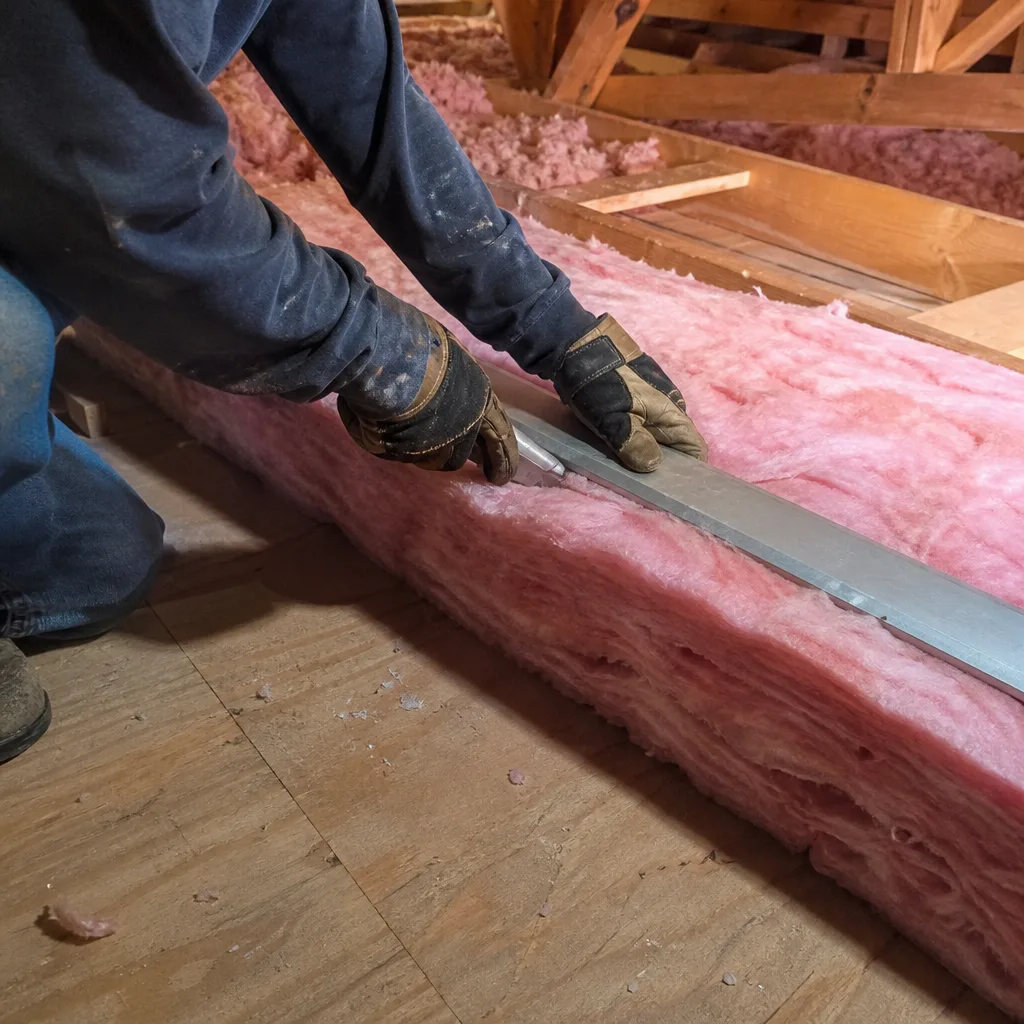
On the tract ranches off Valley Boulevard, the original soffit vents are frequently too small or have been sealed shut during re-roofs. We install baffles to keep insulation off the roof deck and make sure the air path from soffit to ridge is actually open. If the ridge vent is inadequate, we’ll tell you that because adding insulation without fixing the vent is a waste of your money.
Solar-Powered Attic Fans
For the low-pitch roofs common in Avocado Heights, a solar attic fan can drop attic temperatures 20 to 30 degrees on a hot summer afternoon. We prefer solar because there’s no wiring run and no new electrical load, which matters on older panels. It’s a good fit for the west-facing ranches that get hammered by afternoon sun.
Trusted Brands We Service in Avocado Heights
We stock and install Johns Manville and CertainTeed fiberglass, Rockwool mineral wool, and Knauf batts, which means we’re not locked into one manufacturer’s spec sheet. We carry Rockwool because Avocado Heights homeowners near the Whittier Narrows sometimes ask for fire-resistant material and sound dampening in addition to thermal performance. Johns Manville and CertainTeed earn their place for different reasons: both offer solid warranty coverage and consistent performance in vented attics. We keep these brands available for Avocado Heights projects specifically, so if your preference is mineral wool over fiberglass or vice versa, we can usually schedule it without a special order delay. The material decision should be about your attic, your roof pitch, and your heat load, not what’s easiest for us to stock.
Common Attic Insulation Problems We See in Avocado Heights Homes
- Owner-built additions with zero insulation: A patio enclosure that was insulated by whoever built it in 1978, which usually means nothing at all above the ceiling. We find these regularly when we open the hatch over an addition.
- Blocked soffit vents on low-pitch roofs: Baffles were never installed, so insulation is jammed against the roof deck and the attic can’t breathe. This traps heat and moisture even after new insulation is added.
- Original single-pane aluminum windows leaking radiant heat: The west and south sides of these 1950s ranches cook in the afternoon. Attic insulation helps, but radiant heat coming through the windows is a separate problem we’ll flag honestly.
- Mixed materials from decades of piecemeal fixes: A layer of vermiculite here, some 1980s fiberglass batts there, maybe a pile of cellulose from a 1990s top-up. When the thermal layer is uneven, the insulation underperforms no matter what the R-value on the bag says.
Pricing for Attic Insulation in Avocado Heights, CA
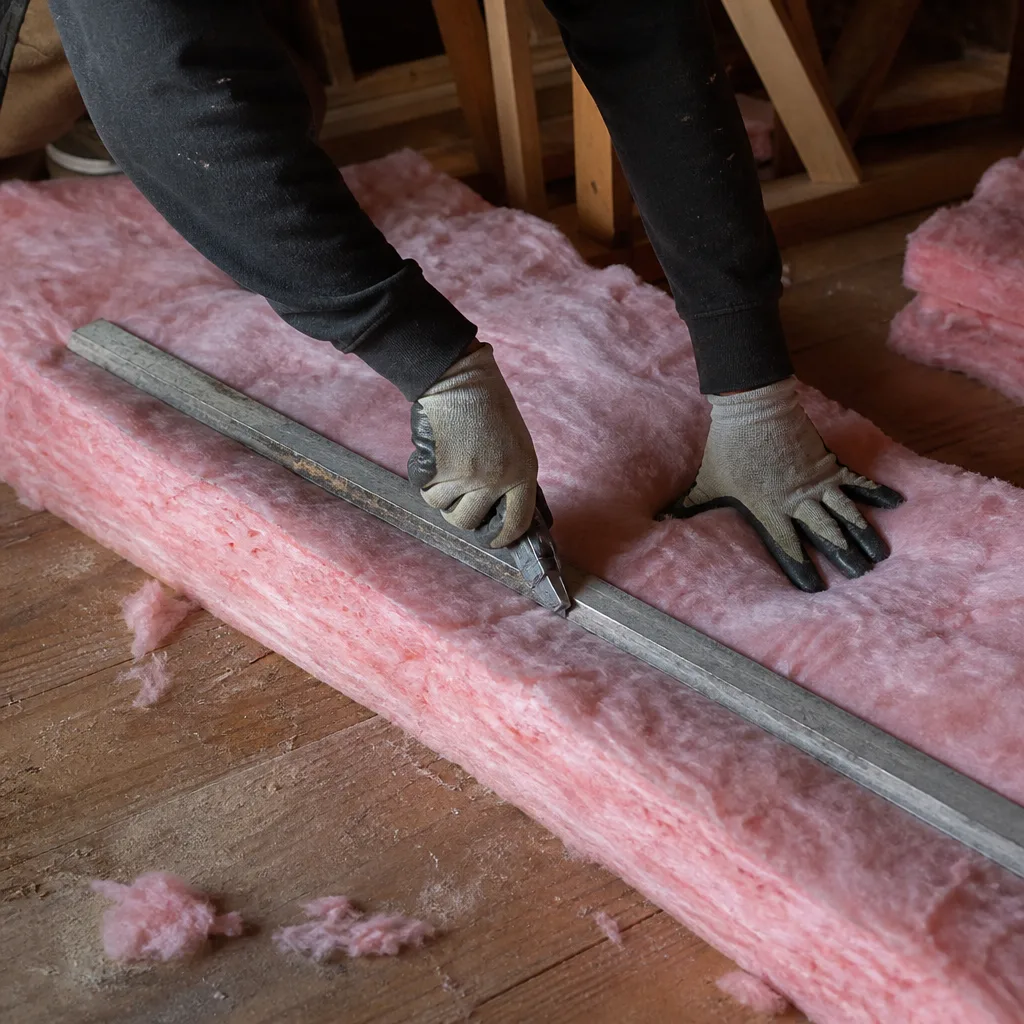
Here are the numbers we quote for Avocado Heights work, sized for the typical 1,100 to 1,600-square-foot ranch. Blown-in fiberglass to R-38 runs $1.50 to $2.50 per square foot installed. Blown-in cellulose runs $1.60 to $2.75 per square foot. Spray foam is the high end at $3.00 to $7.00 per square foot because it air-seals as it insulates. Batt insulation for accessible attics runs $1.20 to $2.00 per square foot. If we’re removing old, settled, or mouse-damaged material first, add $0.50 to $1.00 per square foot. Every estimate is free, and Noel will walk you through the numbers before any work starts. Call (866) 271-1602 to schedule a look at your attic.
We Also Serve Cities Near Avocado Heights
Our crews handle Attic Insulation work throughout the San Gabriel Valley. If you’re in West Puente Valley, La Puente, Valinda, or El Monte, we run the same crew and the same eight-brand approach locally. For a fuller picture of how we work in this specific area, see our Avocado Heights coverage page.
Serving Avocado Heights, CA — Our Local Coverage Area
We’re based in the Avocado Heights area and know this community well. Use the map below to see our service coverage — if you’re nearby, we can almost certainly help.
FAQs About Attic Insulation in Avocado Heights
Yes. We insulate unpermitted owner-built additions all the time in Avocado Heights. LA County doesn’t require you to retroactively permit an addition before you insulate it. We’ll treat the addition as its own zone, seal the top plates, add baffles if there are soffit vents, and blow in material matched to the framing depth. Call (866) 271-1602 and we’ll take a look, even if the addition is a little unconventional.
For a 1950s ranch in Avocado Heights, we target R-38 to R-49 in the attic, which typically means 12 to 16 inches of blown-in fiberglass or cellulose. Along with that, air-sealing the top plates and making sure the soffit vents are working matters just as much as the R-value on its own. A 1950s ranch with R-38 and sealed top plates is a different house in August.
Attic insulation reduces the stack effect that pulls cold air through wall cracks and around windows, so yes, you should notice fewer drafts after a proper attic air-seal and insulation job. But if your original single-pane aluminum windows are still in place, a lot of the cold you feel in winter and the heat you feel in summer is coming through the glass. We’ll tell you if the attic fix is enough or if the windows are the bigger leak.
Yes, we install solar-powered attic fans that work well on the low-pitch roofs common in Avocado Heights. These fans don’t need wiring and can drop attic temperatures significantly on those 90°F+ afternoons. A typical solar attic fan install runs $350 to $900 depending on the model and roof access. We’ll check your existing venting first to make sure a fan is the right move and not just masking a soffit vent problem.
We carry Johns Manville, Knauf, Rockwool, and CertainTeed, plus Owens Corning, Icynene, Demilec, and GreenFiber. That’s eight brands across fiberglass, mineral wool, spray foam, and cellulose. For Avocado Heights attics, the most common picks are Johns Manville or CertainTeed fiberglass for vented attics, and Rockwool when fire resistance or sound dampening is a priority. We’ll match your material to your attic’s specific condition, not the other way around.
Written by Noel Arredondo, Owner at Fontana Insulation, serving Avocado Heights and the San Gabriel Valley.