
Fast, Reliable Attic Insulation Across Altadena
Attic insulation in Altadena isn’t a one-material job. Homes here sit at the base of the San Gabriels on shaded foothill lots, and most were built between the 1920s and 1950s with little or no attic insulation to begin with. That means we’re usually working on cavities that were never properly sealed, vents that were never designed for wildfire conditions, and roofs that catch full afternoon sun even when the yard below stays cool. Call Fontana Insulation at (866) 271-1602. We’ll assess what’s actually in your attic before recommending anything.
We know the difference between a 1932 Craftsman off Lake Avenue and a 1958 ranch near Charles White Park from an insulation standpoint. The framing is different. The venting is different. The way heat moves through the attic is different. One-size-fits-all bid sheets don’t work here, and we don’t use them.
Why Fontana Insulation Is Altadena’s Preferred Attic Insulation Company
Led by Noel Arredondo, our crews work in Altadena regularly. We’re familiar with the deep eaves, the original louver vents, the additions that were bolted on in the 1970s and 1980s. Homeowners here tend to ask sharper questions than most, and we’d rather explain the trade-offs between Rockwool and Owens Corning than hand you a glossy brochure. Noel started as an installer, not a salesperson, so the recommendations come from someone who’s actually been in the attic.
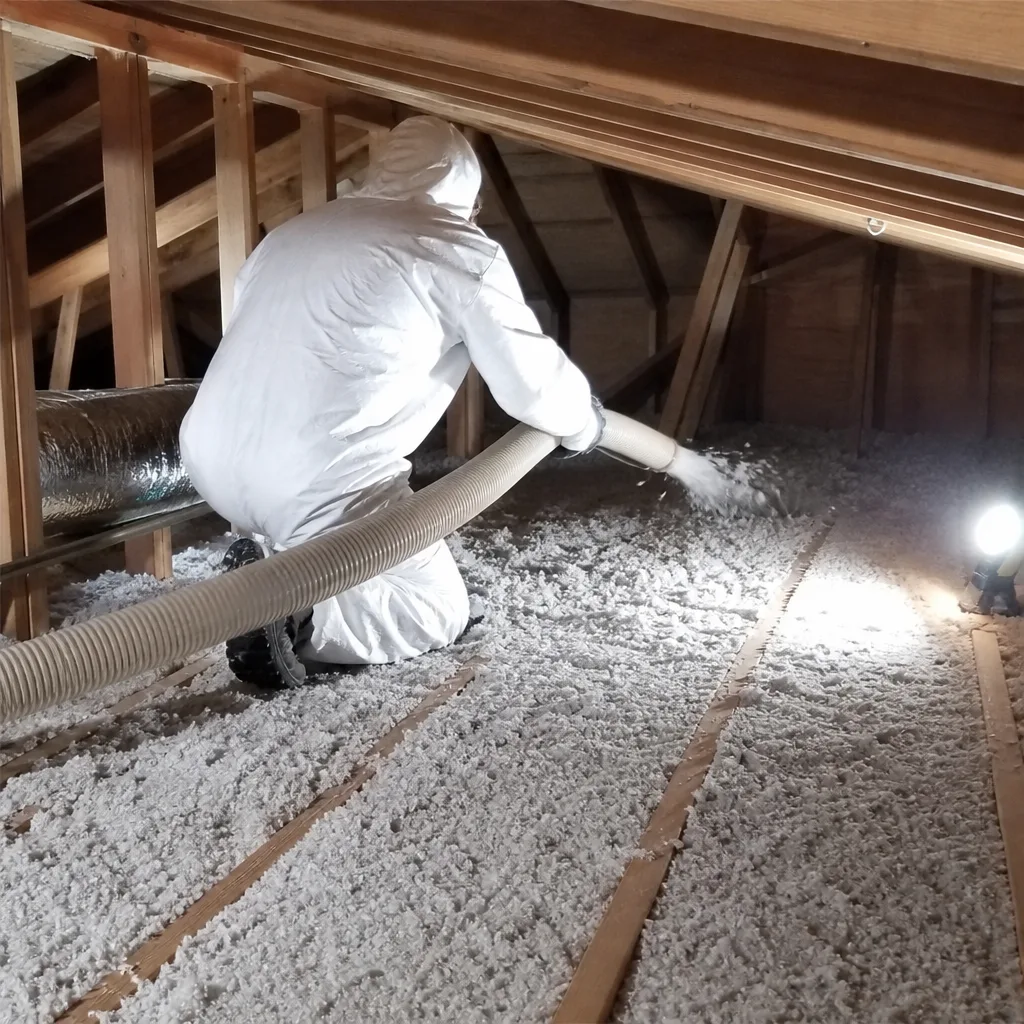
Altadena customers also call us after fires, after heat waves, and sometimes after a previous contractor blew in cellulose and called it done. We stock fiberglass, mineral wool, spray foam, and blown-in materials across eight major brands, which means we can match the material to the house instead of pushing whatever’s in the truck. And we don’t sub out the work. Our own crew handles attic insulation, spray foam, and Attic Insulation top-ups.
For homeowners across Altadena, from the 91001 ZIP up through the 91003 neighborhoods near Eaton Canyon, that level of material flexibility matters now more than it did five years ago. The 2025 Eaton Fire changed how this town thinks about attics.
Attic Ventilation in Altadena
Attic Ventilation in Altadena is now as much a fire-hardening step as it is a thermal-comfort one. The town’s older homes were built with deep eaves and original gable or louver vents meant to let hot air escape, but those same vents now read as ember entry points during wind-driven fire weather. On a 1948 ranch off East Altadena Drive, our crew found original louver gable vents packed with debris and blown-in insulation settling to R-11 in a cavity the homeowner assumed was full. Ember entry was wide open into the attic. We air-sealed the top plates and penetrations, baffled the eaves, and blew Owens Corning fiberglass back to code depth, then retrofitted the old vents with ember-resistant 1/8-inch mesh screens and a ThermaTouch radiant barrier under the roof deck.
Eaves, Louvers, and Ember Screens
Original louver and gable vents in deep-eave foothill attics admit wildfire embers straight into the insulated cavity, so the venting itself fails before the insulation does. In many Altadena attics we also find no soffit intake at all, just exhaust vents pulling air from the living space below. We correct that with baffles and balanced intake so the cavity isn’t drawing conditioned air out of the house.
Code-Depth Prep Before New Insulation
Under-vented or unvented attics trap daytime radiant heat from direct San Gabriel sun exposure, which cooks the top plates and short-circuits even correctly installed batts. Ventilation has to work before insulation can. In Altadena’s 91001 and 91003 homes, that often means adding or replacing vents, sealing old wall top plates, and confirming air actually moves from soffit to ridge.
Radiant Barrier in Altadena
Radiant Barrier makes more sense in Altadena than most contractors admit, especially on shaded foothill lots where the roof deck still bakes under afternoon sun. A radiant barrier under the roof deck reflects radiant heat before it enters the attic cavity, which reduces the temperature swing that cooks old framing and forces the insulation below to work harder. On a deep-shade lot, where the air feels cool but the roof deck is still sending radiant heat downward, we typically recommend a ThermaTouch-type barrier paired with code-depth blown fiberglass, not as a replacement for R-value but as a way to keep the cavity heat from overriding it.
Shaded Lots, Hot Roof Decks
Many Altadena homes near the foothills have deep eaves and shade from old-growth trees, but the roof plane itself is still exposed for several hours a day. The dark, shaded attic under that canopy still picks up radiant heat that standard insulation doesn’t stop. A radiant barrier does the work that shade alone can’t.
Pairing With Air-Sealing
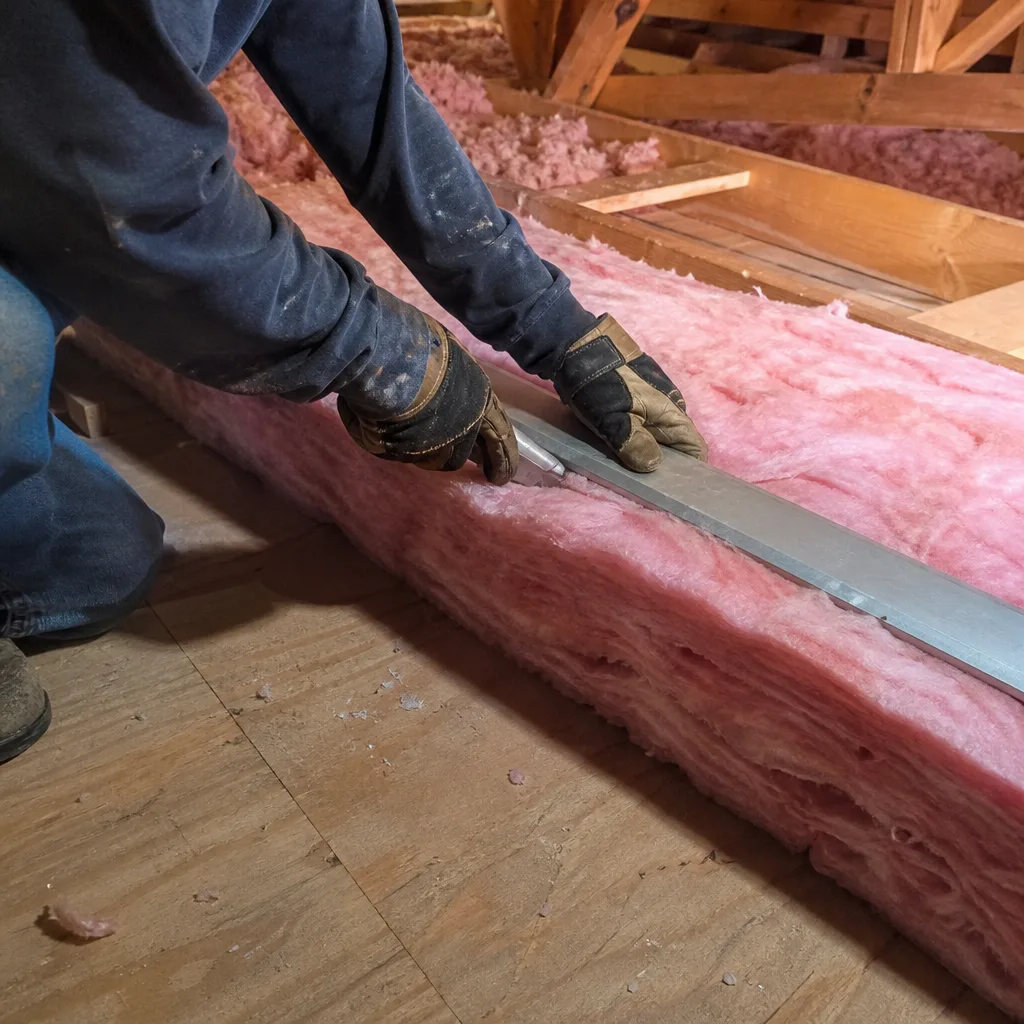
Air-sealing was never done on original wood-frame walls and top plates in this housing stock, so conditioned air leaks upward and bypasses even correctly installed batts. We always air-seal first, then install the barrier, then the insulation. Otherwise you’re paying to condition air that’s leaving through the attic before the R-value ever matters.
Trusted Brands We Service in Altadena
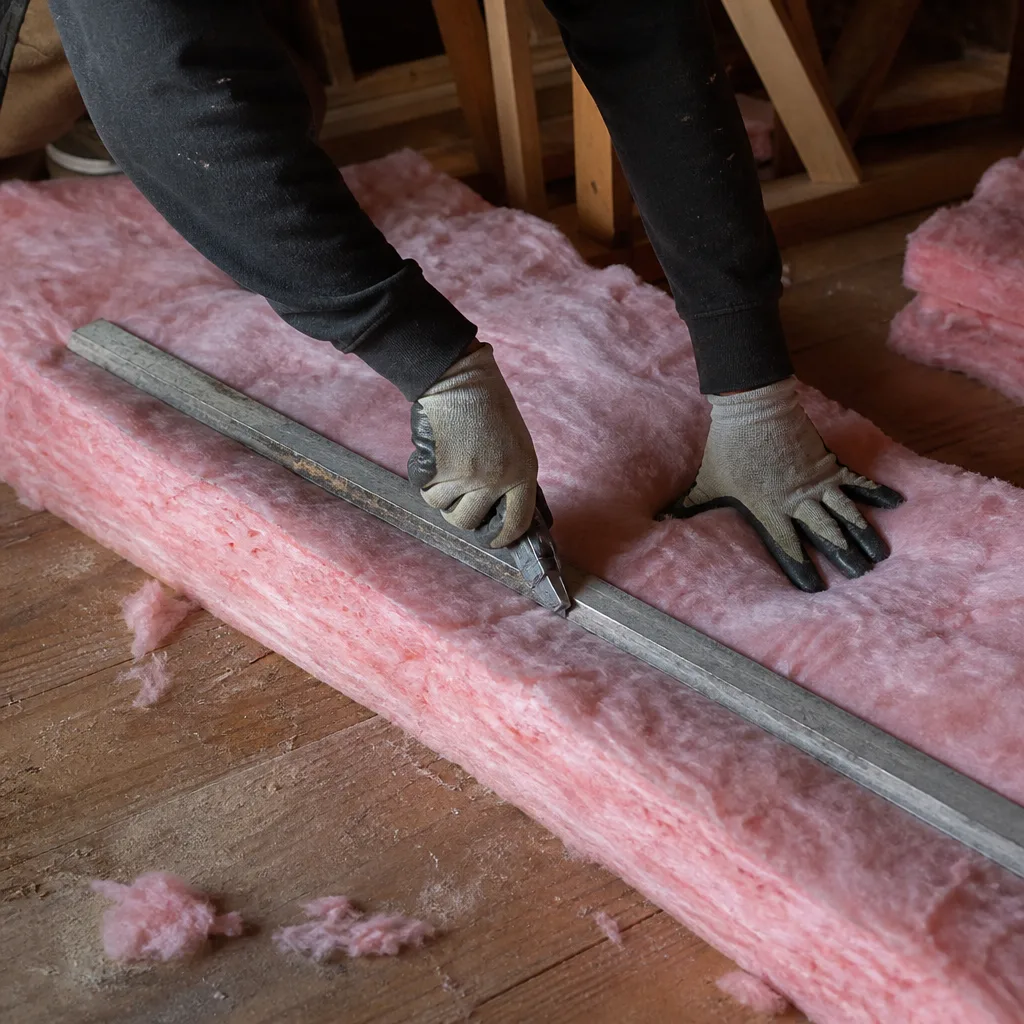
Fontana Insulation carries eight nationally recognized insulation brands across four material categories, which keeps recommendations honest. We also handle Reflectix repair in Altadena when radiant barriers need patching or replacement. Rockwool mineral wool earns its place because it’s fire-resistant and sound-dampening, a real concern on tight Altadena lots. CertainTeed and Owens Corning cover the fiberglass range with strong warranty support. For spray foam, we’re authorized to install Icynene and Demilec, two of the most performance-tested open- and closed-cell foams in North America. We stock enough material locally for quick turnaround on Altadena jobs, and our installers work with whatever the house actually needs, not whatever’s cheapest to stock.
Common Attic Insulation Problems We See in Altadena Homes
- Original louver and gable vents admitting embers into the insulated cavity. The 2025 Eaton Fire made this the number one retrofit concern in Altadena. The venting fails structurally before the insulation does, and many homeowners don’t know their attic is open to the outside at the eaves and gables.
- Blown-in insulation in 1920s – 1950s bungalows has settled and compressed to R-8 to R-11 at the perimeter. We regularly find attics that were insulated decades ago but have lost most of their effective R-value, especially near the eaves where air and heat move most freely.
- Mixed construction from additions and retrofits. A large share of Altadena’s housing stock has been altered over the decades, so we routinely encounter partial coverage, older materials, and framing changes that require careful assessment before upgrading. What worked for the original attic rarely matches what the addition needs.
- Air leaks through the top plates and wall framing. Original wood-frame walls were never air-sealed, so conditioned air leaks upward and short-circuits even correctly installed batts. This is the single most common reason an Altadena home still feels drafty after insulation work.
Pricing for Attic Insulation in Altadena, CA
Attic insulation top-ups in Altadena typically run $1,200 – $2,800 depending on the square footage and current settled depth. Full attic batt or blown-in replacement on a 1,200 – 1,500 square foot bungalow usually lands between $2,500 and $4,800 in this market, with the higher end reflecting air-sealing, baffle work, and ember-resistant vent retrofits. Radiant barrier installation adds roughly $0.80 – $1.50 per square foot of roof area when done alongside insulation, though the figure shifts with roof pitch and access. Adding Rockwool or upgrading to spray foam pushes material cost up, but the performance and fire-resistance differences are real. For an exact price on your attic, call (866) 271-1602. Estimates are free, and we give you the number before we start.
We Also Serve Cities Near Altadena
Our crews work throughout the San Gabriel foothills and the surrounding basin, including Pasadena, La Cañada Flintridge, East Pasadena, and San Marino. The housing stock and fire-risk profile are similar across these communities, and we come prepared for the same legacy venting and settled-insulation problems we see in Attic Insulation in Altadena. If you’re in a neighboring city and dealing with an older attic, give us a call at (866) 271-1602.
Serving Altadena, CA — Our Local Coverage Area
We’re based in the Altadena area and know this community well. Use the map below to see our service coverage — if you’re nearby, we can almost certainly help.
FAQs About Attic Insulation in Altadena
Altadena’s original louver and gable vents are large enough to admit wind-driven embers directly into the insulated attic cavity, and the 2025 Eaton Fire, which began here, exposed that weakness across the housing stock. We retrofit those vents with 1/8-inch ember-resistant mesh while maintaining ventilation airflow, so the attic stays protected without trapping heat or moisture. If you want a full assessment of your venting after the fire, call (866) 271-1602.
Yes, in most 1920s – 1950s bungalows we can blow insulation into the existing attic cavity without removing the ceiling or rebuilding the space. The process requires access to the attic, air-sealing of bypasses and top plates first, and confirmation that the venting is adequate for the new depth. We’ll assess the framing, existing material, and fire-risk exposure before we recommend blowing in more material. Call (866) 271-1602 for a no-cost attic evaluation.
Yes, because the roof deck still absorbs direct San Gabriel sun even when the yard below is shaded by oaks and sycamores. A radiant barrier under the roof deck reflects that heat before it enters the attic cavity, which keeps the insulated space from absorbing a daily radiant load that settles into the living areas by evening. On shaded Altadena lots, the barrier’s value is in reducing that afternoon heat pulse, not in replacing insulation. For a quote, call (866) 271-1602.
Unvented attics in Altadena, especially on older homes with enclosed soffits or altered rooflines, trap heat and moisture differently than vented attics, which changes the insulation strategy entirely. In an unvented assembly, you’re typically using spray foam against the roof deck to create a sealed, conditioned attic, while vented attics work better with blown fiberglass or mineral wool over an air-sealed ceiling plane. The right choice depends on your home’s framing, roof condition, and fire-risk exposure. Call (866) 271-1602 and we’ll explain what your specific attic actually needs.
Most mid-century ranches in Altadena now read R-8 to R-11 at the perimeter because blown-in insulation has settled and compressed over decades, leaving the edges nearly bare. The fix is an insulation top-up: we air-seal the top plates, confirm the venting, then blow fresh fiberglass or cellulose to code depth across the full cavity. We also check for ember entry at the original gable vents while we’re up there. Call (866) 271-1602 for a free assessment of your settled attic.
Written by Noel Arredondo, Owner at Fontana Insulation, serving Altadena since the company’s founding.