
Insulation Company in Desert Hot Springs, CA
Blown in insulation is the fastest way to fix an under-insulated attic in Desert Hot Springs, where summer sun turns exposed attic spaces into 150°F ovens and every degree of heat you block is a dollar you don’t spend on air conditioning. Homes across 92240 and 92241 run the range from mid-century single-wall builds to 1980s tract houses and manufactured homes, and most of them were under-insulated the day they were built. Fontana Insulation has served Desert Hot Springs since 2011, and we stock eight insulation brands so the material we recommend matches your attic, your budget, and the heat load your roof actually sees. Call (866) 271-1602 for a free estimate.
Why Desert Hot Springs Homes Are Different
Summer highs north of 110°F are normal here, and the real problem isn’t the air temperature, it’s the radiant load. A low-pitch or flat roof in Desert Hot Springs absorbs sun all day and radiates that heat straight down into the attic, which then pushes it through the ceiling into the living space. We measure attics in 92240 and 92241 that hit 150°F by mid-afternoon, and that’s not a guess, it’s a thermometer reading from inside real attics.
The housing stock compounds it. Much of Desert Hot Springs was built before California’s energy code took insulation seriously. Mid-century and 1980s tract homes often have a thin layer of fiberglass that’s settled, compressed, or missing entirely in spots. Mobile and manufactured homes have shallow ceiling cavities that can’t accept thick batts. Spa-era and custom adobe or stucco builds have their own quirks, including framed roofs over mass walls that hold heat differently than wood framing.
Then there’s the wind. Afternoon gusts funnel through the San Gorgonio Pass pick up fine desert grit and push it into soffit and ridge vents. Attics in the more exposed 92241 parcels often show dust-clogged or blown-aside insulation and duct runs that have baked brittle after years of extreme attic peaks. Blown in insulation done right in this climate means installing enough material to meet the desert heat load and making sure the attic ventilation path stays clear, because an attic that can’t shed heat will cook whatever insulation you put up there.
Our Main Desert Hot Springs Services
Most Desert Hot Springs homeowners call us about two problems: attics that won’t stop radiating heat into the house, and air leaks that let that heat pour in around framing, wiring, and recessed lights. Here’s what each job involves locally.
Attic Insulation in Desert Hot Springs
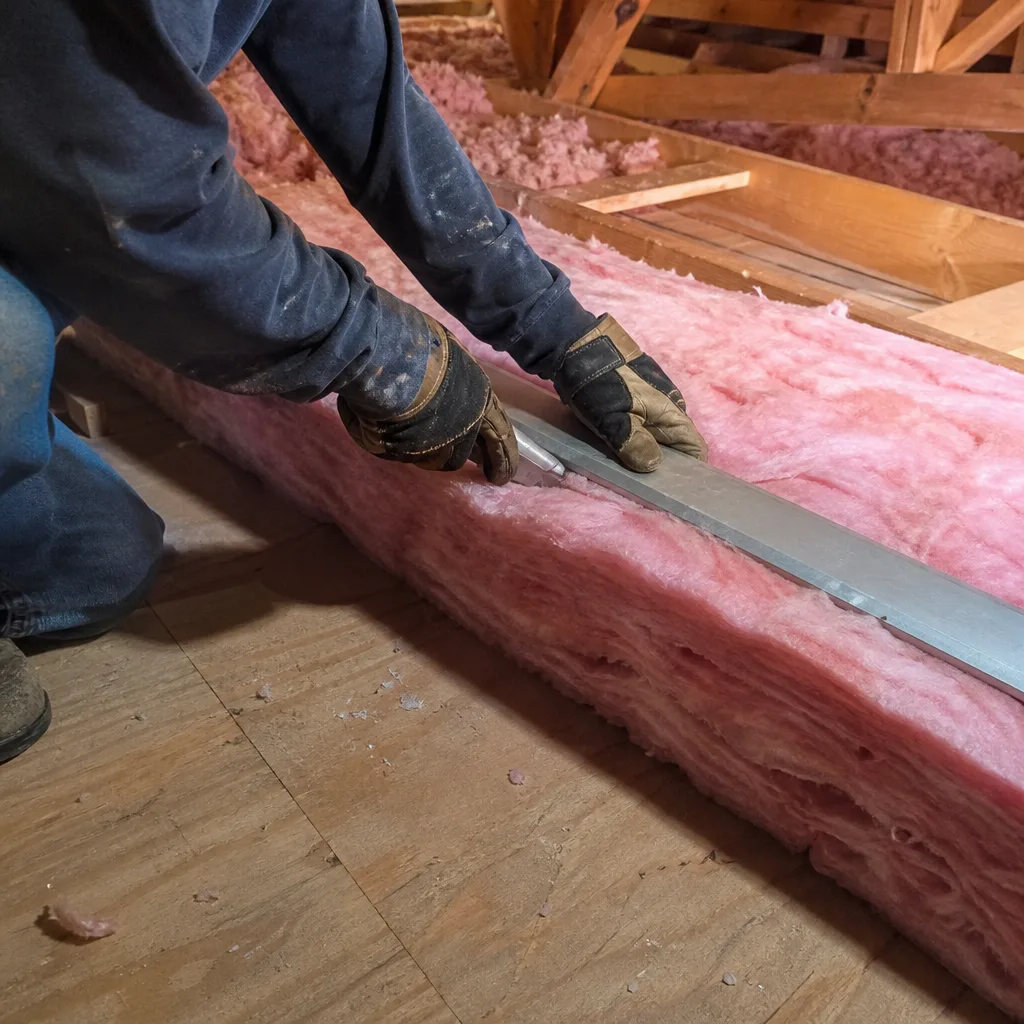
Attic insulation in Desert Hot Springs is almost always a retrofit job. Existing homes in 92240 and 92241 typically have insulation that was thin when it went in and has since settled, been matted down by service people, or blown aside by wind-driven dust. We remove or top up what’s there, air-seal the bypasses between living space and attic, and bring the thermal boundary up to the R-value your roof assembly can actually support. For the full scope of attic work in the desert, see our Attic Insulation in Desert Hot Springs page.
Spray Foam Insulation in Desert Hot Springs
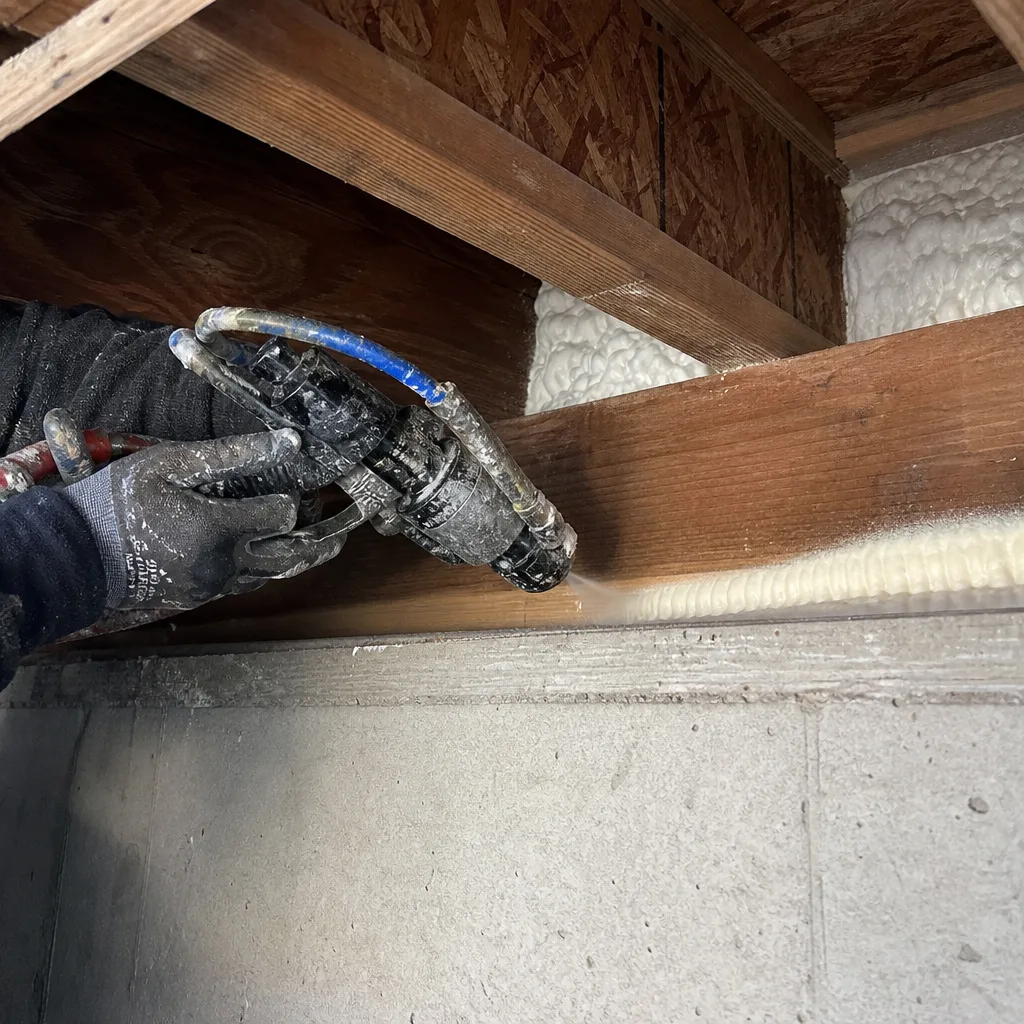
Spray foam earns its price in Desert Hot Springs when air sealing matters most: unvented attics, cathedral ceilings, rooms over garages, and older homes where the framing leaves gaps nothing else closes. We install open-cell and closed-cell foam from Icynene and Demilec, both performance-tested brands, and we choose the cell structure based on the assembly, not on what’s easiest to spray. For how foam handles 110°F heat and your specific Desert Hot Springs house, see our Spray Foam Insulation in Desert Hot Springs page.
What happens when you call
- 1
A real person answersNo phone trees — you reach a local pro.
- 2
You get an upfront price rangeHonest numbers before anyone is dispatched.
- 3
A background-checked tech heads outLicensed & insured, dispatched right away.
- 4
You approve before work beginsNothing starts until you say go.
Blown In Insulation in Desert Hot Springs
Blown in insulation is the workhorse retrofit for Desert Hot Springs attics because it fills irregular cavities, covers existing settled material, and reaches the tight spaces at the eaves where batts leave gaps. Homes in 92240 and 92241, especially mid-century builds and manufactured homes, often have attic shapes that make batt installation impractical, so blown material is the fastest way to get a uniform thermal layer that actually blocks the radiant heat coming through the roof deck. This is insulation applied from the attic floor up, and we choose the material, fiberglass or cellulose, based on your ceiling structure and budget. For the full material breakdown, see our main Blown In Insulation hub.
Cellulose Insulation
Signs you need it
You need cellulose when your attic has large open areas that would benefit from a dense, settled material that resists air movement better than loose fiberglass.
What it costs in Desert Hot Springs
Cellulose blow-in work in Desert Hot Springs homes typically runs $1.95 – $2.92 per square foot installed, including removal of any compromised existing material where needed.
How we do it
We prep the attic by clearing or containing old material if required, then blow GreenFiber cellulose to the specified depth using a machine-fed hose trained across the attic floor until the R-value target, checked by depth markers, is reached.
Blown In Attic Insulation
Signs you need it
You need it when rooms feel hot by late afternoon, the AC runs constantly, and your current attic insulation is thin, patchy, or less than what local code expects for this climate.
What it costs in Desert Hot Springs
Blown in attic insulation in Desert Hot Springs typically falls between $1.85 and $2.80 per square foot installed, depending on material choice, existing insulation condition, and attic access.
How we do it
We air-seal the attic bypasses first, then blow the material to the depth that achieves the target R-value across the full attic floor, including under low-slope framing where batt installs fail.
Loose Fill Insulation
Signs you need it
You need loose fill when you have an attic with lots of obstructions, odd framing, or shallow spots where maneuvering batts would be slow, awkward, and leave gaps.
What it costs in Desert Hot Springs
Loose fill insulation in Desert Hot Springs attics typically costs $1.85 – $2.95 per square foot, including the blowing equipment and depth checks that verify the R-value.
How we do it
We run the blower hose from the truck to the attic, install depth markers so every section gets the same cover, and blow an even layer between the ceiling joists, working back toward the attic hatch.
What Blown In Insulation Costs in Desert Hot Springs
Prices here reflect what Desert Hot Springs attics actually require: heat-driven R-value targets, potential removal of baked or settled material, and attic access that can be tight on low-pitch roofs.
| Item | Typical range in Desert Hot Springs |
|---|---|
| Blown in attic insulation (material + install) | $1.85 – $2.80 per sq ft |
| Cellulose blow-in (GreenFiber) | $1.95 – $2.92 per sq ft |
| Loose fill insulation (attic floor) | $1.85 – $2.95 per sq ft |
Is blown in insulation worth it in Desert Hot Springs?
Yes. The heat gain through an under-insulated attic in this climate is brutal, and blown in insulation covers the attic floor continuously, so it blocks more radiant transfer than batts with gaps. Most homeowners notice the difference the first summer after install.
How long does blown in insulation last in the desert?
Cellulose and fiberglass both last decades if the attic stays dry and the ventilation path stays clear. The bigger Desert Hot Springs risk is wind-blown dust clogging vents, which we check during the install. Call (866) 271-1602 to schedule an attic assessment.
Brands We Service in Desert Hot Springs
Fontana Insulation carries Johns Manville and Knauf fiberglass, Rockwool mineral wool for fire resistance and sound dampening, and CertainTeed where the project calls for it. We keep common attic-insulation materials and equipment stocked for Desert Hot Springs jobs, which keeps turnaround short after the quote is approved. See our brands for the full lineup.
Pricing for Insulation Company in Desert Hot Springs, CA
| Service | Typical range in Desert Hot Springs |
|---|---|
| Blown in attic insulation (fiberglass or cellulose) | $1.85 – $2.80 per sq ft |
| Cellulose blow-in | $1.95 – $2.92 per sq ft |
| Loose fill insulation | $1.85 – $2.95 per sq ft |
| Attic air sealing (before blow-in) | $0.55 – $0.90 per sq ft |
| Attic insulation removal (baked, dusty, or soiled) | $1.10 – $1.75 per sq ft |
| Spray foam, open-cell (wall or attic assembly) | $2.20 – $3.90 per sq ft |
| Spray foam, closed-cell (high-R and air barrier) | $3.10 – $5.60 per sq ft |
| Exterior wall injection (closed-cell foam) | $7.00 – $9.50 per sq ft |
| Rim joist / band joist air sealing | $14.00 – $20.00 per linear ft |
| Mineral wool batt installation (Rockwool) | $1.75 – $3.20 per sq ft |
| Duct insulation wrap in attic | $3.20 – $5.80 per linear ft |
| Attic hatch / access insulation and seal | $240 – $410 flat |
What pushes price up in Desert Hot Springs is access. Low-pitch roofs make attics tight, and older homes in 92240 often have decades of settled insulation that needs removal before new material goes down. Fontana Insulation quotes upfront and holds to the number unless the attic reveals something we couldn’t see from the access point.
Neighborhoods We Serve in Desert Hot Springs
We work across both ZIP codes in Desert Hot Springs, from the spa-era streets near the mineral springs to the more rural 92241 parcels where wind and dust hit hardest. We typically reach most Desert Hot Springs addresses same-week, and attics in the wind corridor may take an extra visit if old insulation needs removal first.
- Mission Lakes Country Club area
- Desert Hot Springs Highlands
- Garnet and Hacienda corridor
- Skyborne and surrounding 92241 parcels
- Downtown Desert Hot Springs near Pierson Boulevard
Service Area – Cities Near Desert Hot Springs
Beyond Desert Hot Springs proper, we handle insulation work in the surrounding desert communities. Homeowners in Desert Edge, CA, Sky Valley, CA, Garnet, CA, and Thousand Palms, CA call us for the same kinds of heat-driven attic and wall jobs. The climate and housing stock are similar, and so is the fix.
Serving Desert Hot Springs, CA — Our Local Coverage Area
We’re based in the Desert Hot Springs area and know this community well. Use the map below to see our service coverage — if you’re nearby, we can almost certainly help.
FAQs About Insulation Company in Desert Hot Springs
We schedule most Desert Hot Springs attic assessments within a few business days, and installs usually begin within one to two weeks after the quote is approved. Jobs that need old insulation removed or extensive air sealing can extend the timeline. Call (866) 271-1602 to check current scheduling for your ZIP code.
Most attic and blown in insulation retrofits don’t require a permit in Desert Hot Springs, but anything that changes the building envelope, like spray foam on a roof deck, can trigger local building department review. We can tell you during the quote whether your specific job needs to go through the permit process.
We cover 92240 and 92241, including the more rural parcels on the north and west edges of town where wind-driven dust and blowing sand make attic condition a bigger variable. Most addresses in both ZIP codes are inside our normal service routing.
What happens when you call
- 1A real person answersNo phone trees — talk to a local insulation pro.
- 2You get an upfront price rangeHonest numbers before anyone is dispatched. No surprises.
- 3A background-checked tech heads outLicensed & insured, typically within 1-hour.
- 4You approve before work beginsNothing starts until you say go.
What Desert Hot Springs Customers Say
"Installed baffles at the soffits so the new insulation didn't block the ventilation, which the previous contractor apparently never considered."
— Michelle Bennett"Attic was at maybe R-11 from the 1970s and blown in over the top would have just buried the problem. They removed the old material, air sealed the top plates and penetrations first, then blew in to R-49. The upstairs is a completely different house in August."
— Sarah Fletcher"Work is good and the house is noticeably more comfortable. There was insulation debris left in the hall closet under the attic access that I had to clean up."
— Holly Mercer